
Lioponera mayri
- Nom. sci.
- Lioponera mayri
- Sottofamiglia
- Dorylinae
- Autore
- Forel, 1892
- Distribuzione
- Trovata in 0 paesi
Introduzione
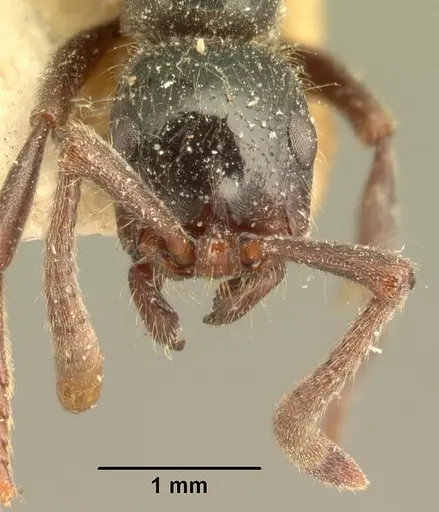
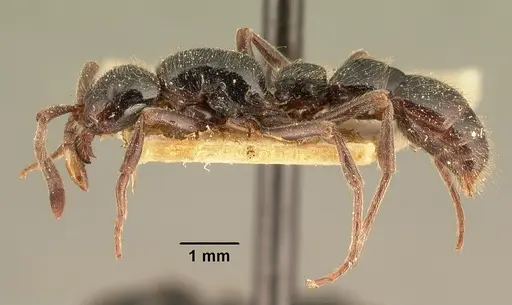
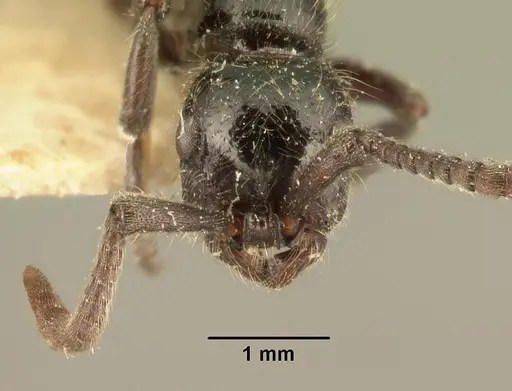
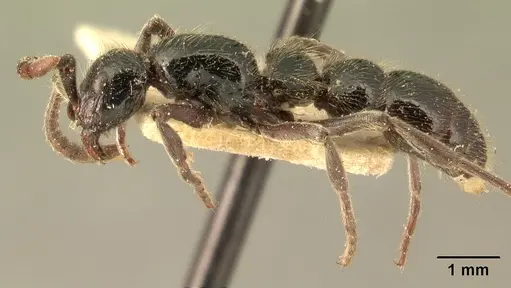
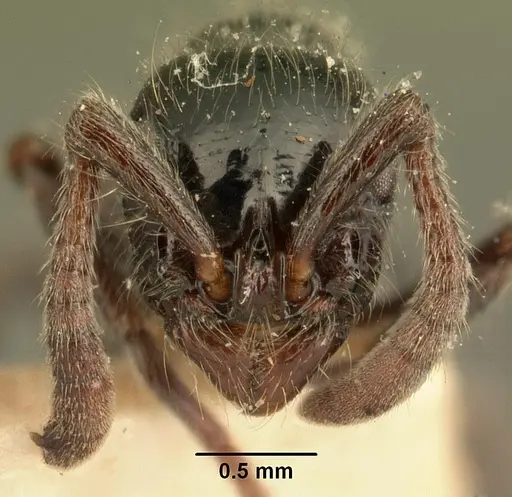
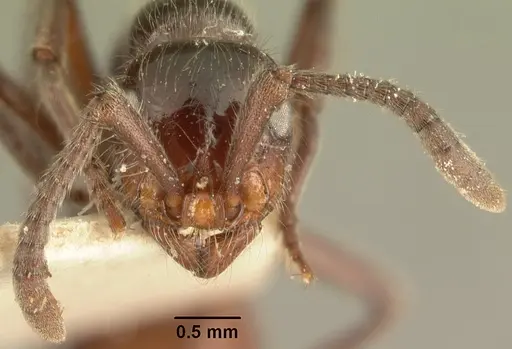
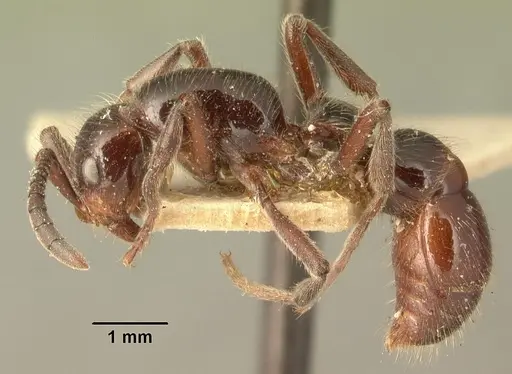
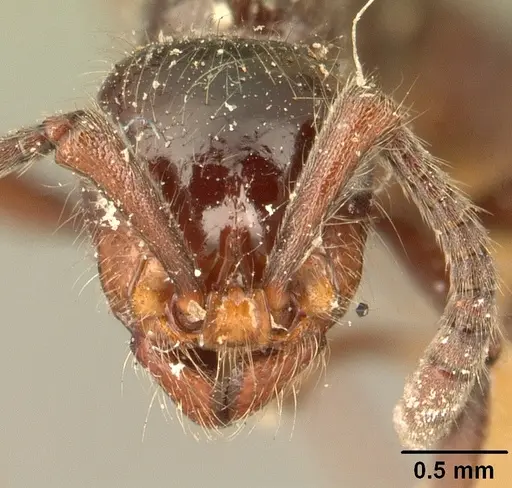
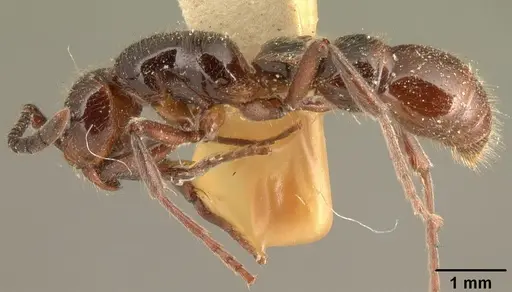
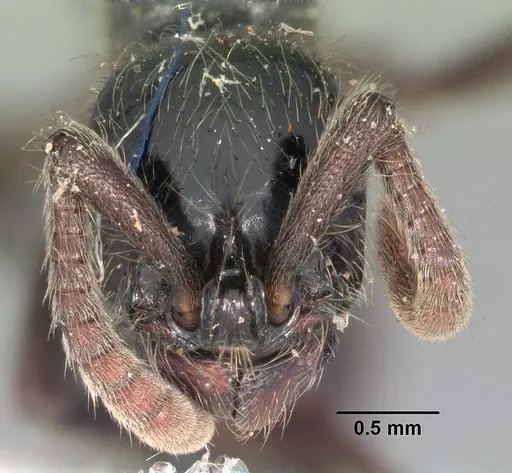
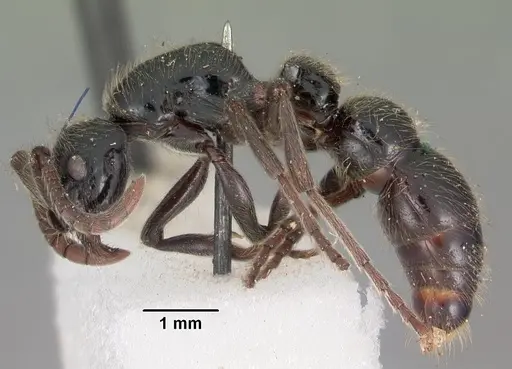
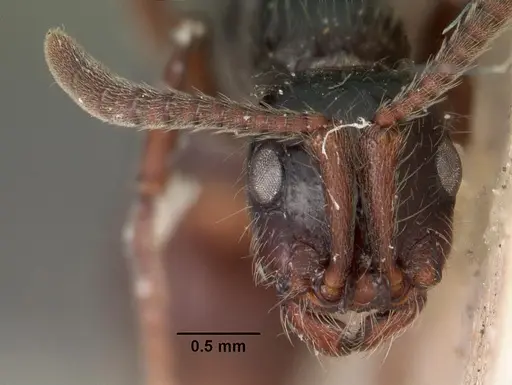
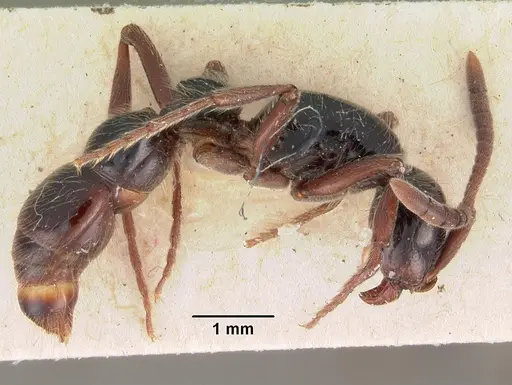
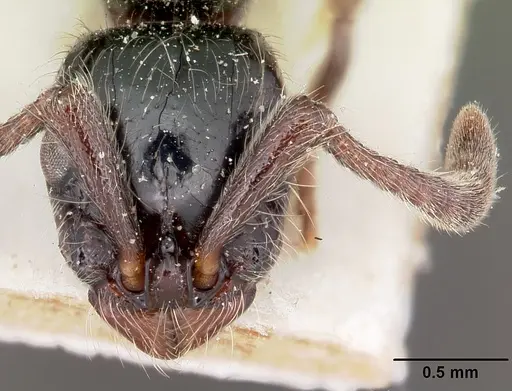
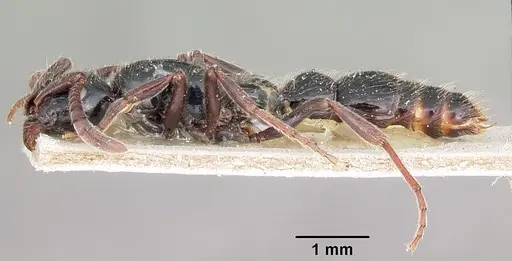
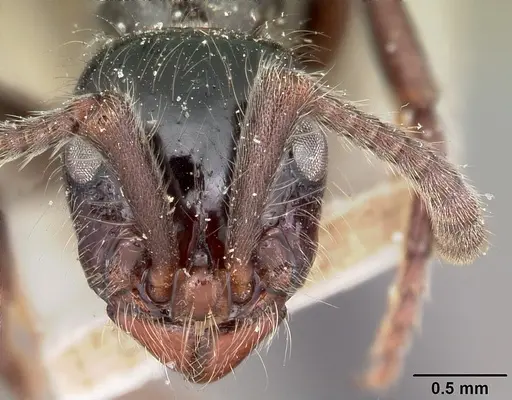
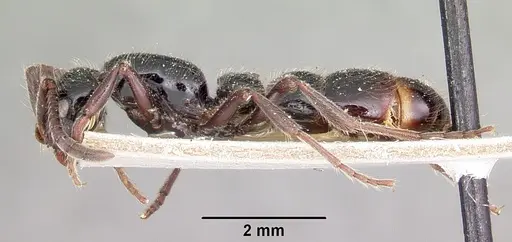
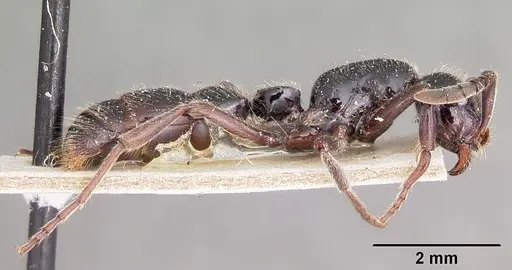
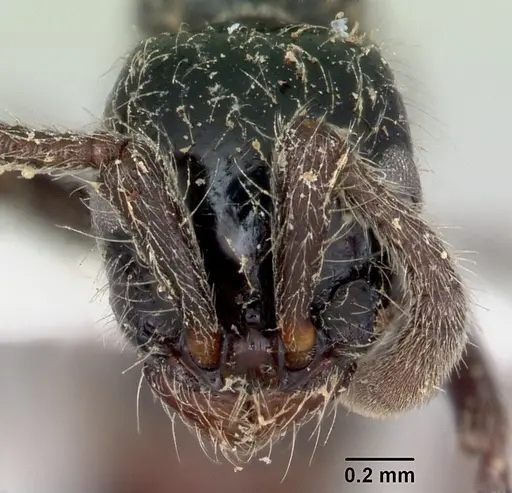
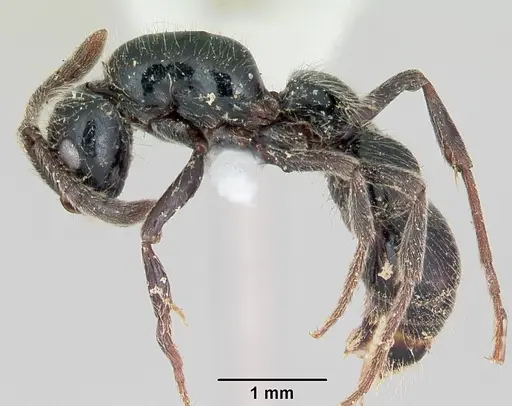
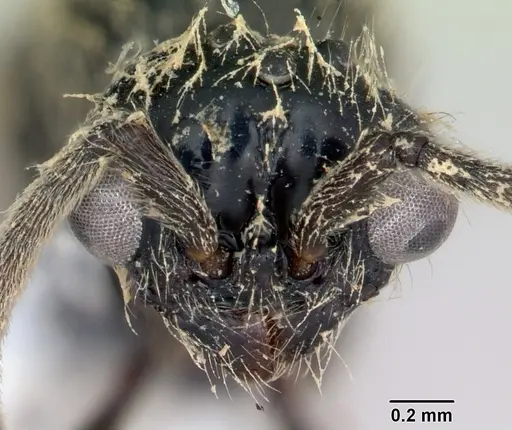
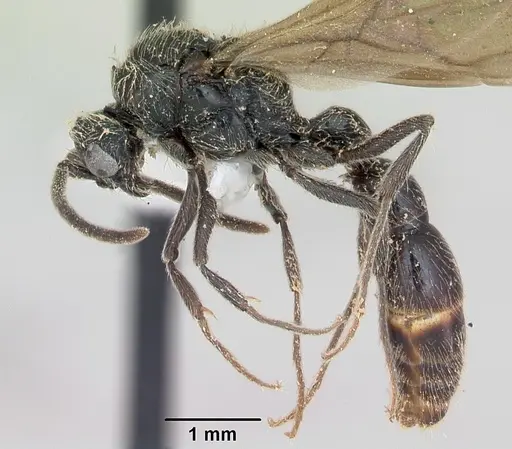
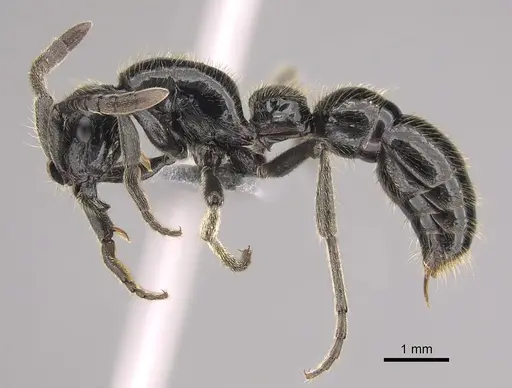
Lioponera mayri is a small predatory ant species native to Madagascar, belonging to the Dorylinae subfamily. Workers have typical doryline morphology with a compact mesosoma and relatively short legs adapted for raiding. The species was originally described as Cerapachys mayri before being moved to Lioponera through taxonomic revisions . These ants are specialized predators that exclusively target colonies of Pheidole ants, making them obligate predators in captivity. Found only in the rainforests of eastern Madagascar, particularly around Antongil Bay and the Anosibé region in the Bezanozano Province, they represent a rare and challenging species for antkeepers interested in predatory doryline ants .
Quick Summary
- Difficulty: Expert
- Origin & Habitat: Endemic to the rainforests of eastern Madagascar, specifically found near Antongil Bay and Anosibé in the Bezanozano Province [1]. They inhabit shaded forest floor environments where they conduct raids on Pheidole colonies [2].
- Colony Type: Colony structure is not well documented in scientific literature. Based on related Dorylinae behavior, they likely form colonies with a single queen, though this requires confirmation through captive observation.
- Size & Growth:
- Queen: Size data unavailable, no measurements exist in available literature
- Worker: Size data unavailable, no measurements exist in available literature
- Colony: Unknown, colony size has not been documented in scientific literature
- Growth: Unknown
- Development: Unconfirmed, development timeline has not been directly studied (Development is likely slower than generalist ant species due to specialized feeding requirements.)
- Antkeeping:
- Temperature: Keep at 24-28°C, reflecting their tropical rainforest origin in Madagascar. A gentle gradient allowing workers to self-regulate is recommended.
- Humidity: Maintain high humidity at 70-85%, mimicking the damp rainforest floor conditions of their native habitat. Keep substrate consistently moist but not waterlogged.
- Diapause: No, as a tropical species from Madagascar, they do not require hibernation. Maintain warm temperatures year-round.
- Nesting: Use a naturalistic setup with moist substrate (soil/peat mix) that allows them to create underground chambers. Y-tong or plaster nests with high humidity chambers also work well. They need dark, humid nesting areas with access to an outworld for hunting.
- Behavior: Lioponera mayri is a specialized predator that conducts organized raids on Pheidole colonies. Workers hunt individually along odor trails, returning with larvae, pupae, and sometimes adult workers and soldiers [2]. They are aggressive toward other ants but relatively docile toward keepers. Their small size means moderate escape risk, use standard barrier methods. They are primarily daytime hunters, with raids observed near midday in shaded forest areas [2].
- Common Issues: specialized diet requirements make them difficult to feed, they require live ant brood or small prey that mimics their natural Pheidole prey, slow colony growth due to predatory lifestyle and specialized feeding requirements, humidity management is critical, too dry causes desiccation, too wet promotes mold, difficulty establishing colonies from queen founding due to lack of documented captive behavior, escape prevention needed despite small size, they can squeeze through standard barriers
Feeding and Diet
Lioponera mayri is an obligate predator specialized on Pheidole ant colonies. In captivity, this presents a significant challenge as they require live ant brood or small arthropod prey that mimics their natural diet. Offer small live prey such as springtails, fruit fly larvae, and tiny crickets. Some keepers report success with freshly killed insects, but acceptance varies. Unlike generalist ants, they are unlikely to accept sugar water or honey. Feed every 2-3 days, offering small amounts that can be consumed within 24 hours. Remove uneaten prey to prevent mold. The key to success is providing a varied diet of small, soft-bodied invertebrates that approximate the size and texture of ant brood. [2]
Natural History and Predatory Behavior
This species is a specialized predator that exclusively targets Pheidole ant colonies. Workers attack Pheidole nests and return carrying larvae, pupae, pharate adults (near-emergence adults), and occasionally dead but fully pigmented Pheidole soldiers and workers [2]. These raids occurred near midday in shaded situations, with workers returning individually along obvious odor trails [2]. This confirms they use chemical trail-following behavior similar to other Dorylinae. Their predatory specialization means they play an important role in regulating Pheidole populations in their native ecosystem. In captivity, replicating this specialized hunting behavior is the primary challenge keepers face.
Temperature and Humidity
As a tropical rainforest species from Madagascar, Lioponera mayri requires warm, humid conditions. Maintain temperatures between 24-28°C with a slight gradient allowing workers to self-regulate. Avoid temperatures below 22°C as this can slow activity and potentially harm brood. Humidity should remain high at 70-85%. Use a moist substrate that retains humidity well, and consider covering portions of the nest with glass or plastic to maintain moisture. However, ensure adequate ventilation to prevent mold growth. A water reservoir or moist cotton in a test tube setup can help maintain humidity. Monitor condensation levels, excessive moisture can be as harmful as dryness, promoting bacterial and fungal growth that can kill colonies.
Nesting Preferences
In the wild, Lioponera mayri nests in the rainforest floor, likely in soil or under decaying logs where humidity remains constant. For captivity, a naturalistic setup with a deep soil/peat mixture works well, allowing workers to create underground chambers. The nesting area should be dark and humid, with the outworld connected for hunting expeditions. Y-tong nests with small chambers and high humidity retention also suit this species. Regardless of nest type, provide a moisture gradient so ants can self-regulate their humidity exposure. The nest should be positioned to avoid direct light and vibrations, as these can stress the colony.
Colony Establishment
Establishing Lioponera mayri in captivity is challenging due to limited availability and specialized requirements. Queens have not been documented in the antkeeping hobby, making wild colony collection the primary acquisition method. If obtaining a colony, ensure you have appropriate permits for Madagascar. Transfer colonies to a prepared nest setup quickly, minimizing stress. Provide immediately accessible prey to allow workers to feed and sustain the colony. Founding colonies may take months to establish and begin producing significant brood. Patience is essential, do not disturb the colony frequently during the establishment phase. Monitor for signs of stress including workers clustering away from prey or refusing to forage.
Frequently Asked Questions
What do Lioponera mayri ants eat?
They are specialized predators that target Pheidole ant colonies. In captivity, offer small live prey such as springtails, fruit fly larvae, tiny crickets, and other small soft-bodied invertebrates. They are unlikely to accept sugar sources or dead insects unless very fresh.
How difficult is Lioponera mayri to keep?
This is an expert-level species due to their specialized predatory diet, high humidity requirements, and limited availability. They are not recommended for beginners. Success requires experience with predatory ant species and ability to provide consistent live prey.
What temperature do Lioponera mayri need?
Keep them at 24-28°C, reflecting their tropical rainforest origin in Madagascar. Avoid temperatures below 22°C. A heating cable on one side of the nest can create a suitable gradient.
Do Lioponera mayri need hibernation?
No. As a tropical species from Madagascar, they do not require hibernation. Maintain warm temperatures year-round.
How big do Lioponera mayri colonies get?
Colony size is not well documented in scientific literature. Growth is likely slow due to their specialized predatory lifestyle.
Can I keep Lioponera mayri in a test tube setup?
Test tubes can work for small colonies if humidity is maintained, but a naturalistic setup with moist substrate is preferable for long-term success. The key is maintaining high humidity while ensuring adequate ventilation.
Where is Lioponera mayri found?
This species is endemic to the rainforests of eastern Madagascar, specifically found near Antongil Bay and the Anosibé region in the Bezanozano Province.
How long does it take for eggs to develop into workers?
The development timeline has not been directly studied. Based on typical Dorylinae patterns at tropical temperatures (24-28°C), estimate several months from egg to first worker.
Why are my Lioponera mayri dying?
Common causes include: low humidity (they require 70-85%), inadequate prey (they need live small invertebrates, not dead food), temperatures below 22°C, stress from disturbance, and mold from excessive moisture. Review all care parameters and ensure prey is being consumed.
Report an Issue
The current care sheet is based fully on literature. See inconsistencies, or something that's incorrect? Please , it will be resolved after review from an admin. Contributing to the blogs tab also helps providing information, to make us be able to further improve the caresheets. Thank you for your support!
References

Questa scheda di allevamento è concessa in licenza con CC BY-SA 4.0 .
Blog della comunità
CASENT0101827
Visualizza su AntWeb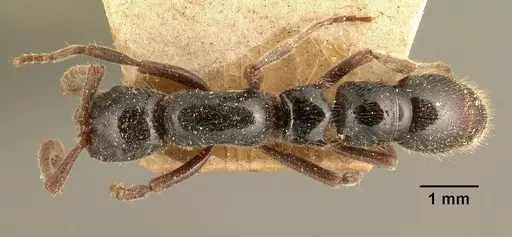
CASENT0101831
Visualizza su AntWeb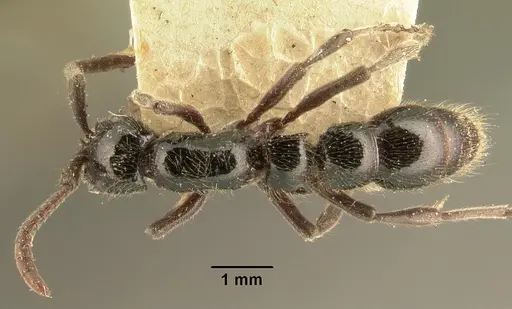
CASENT0101841
Visualizza su AntWeb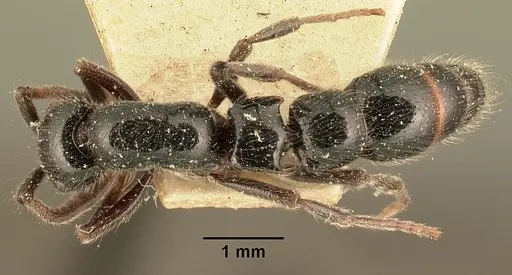
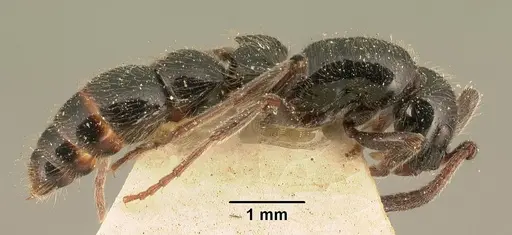
CASENT0101969
Visualizza su AntWeb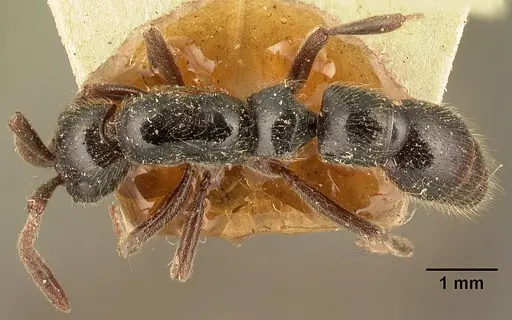
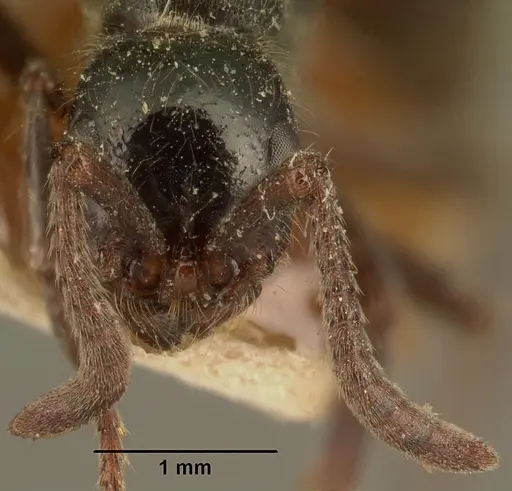
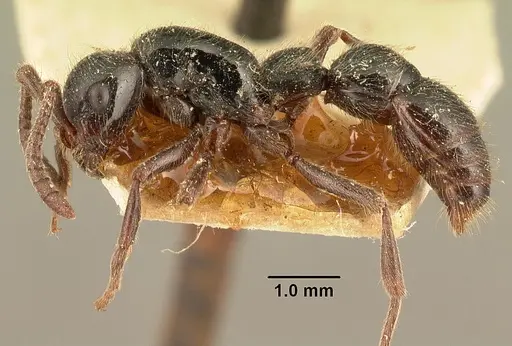
CASENT0101980
Visualizza su AntWeb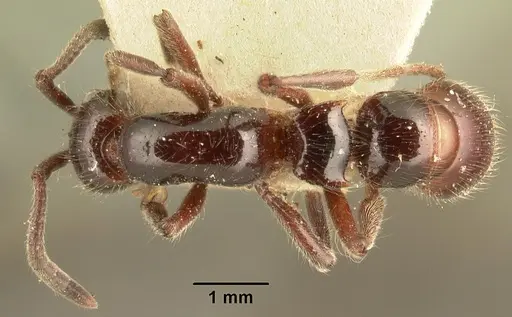
CASENT0101985
Visualizza su AntWeb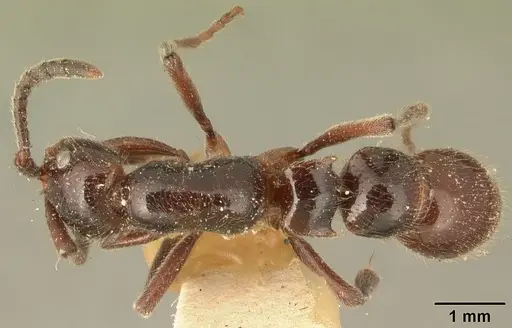
CASENT0102164
Visualizza su AntWeb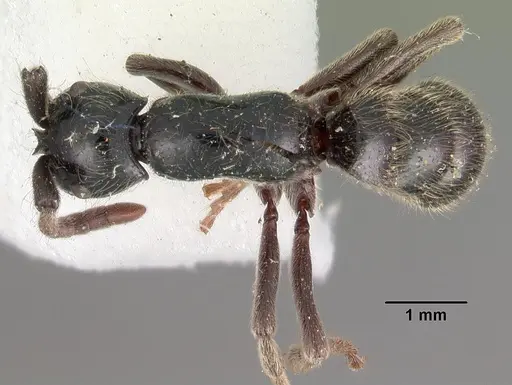
CASENT0102165
Visualizza su AntWeb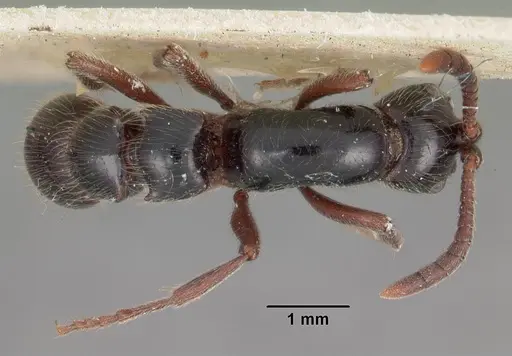
CASENT0104582
Visualizza su AntWeb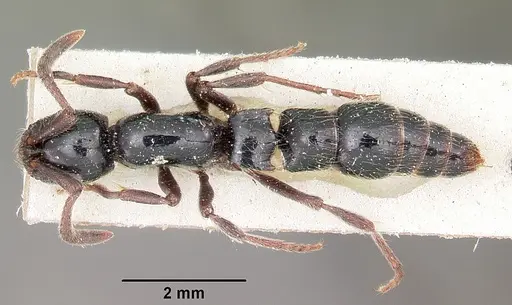
CASENT0104583
Visualizza su AntWeb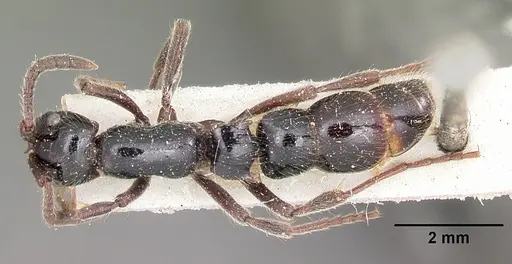
CASENT0173078
Visualizza su AntWeb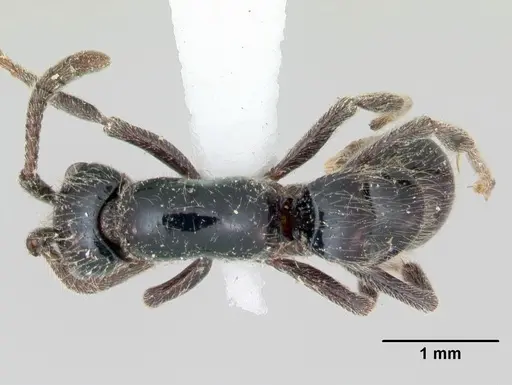
CASENT0173079
Visualizza su AntWeb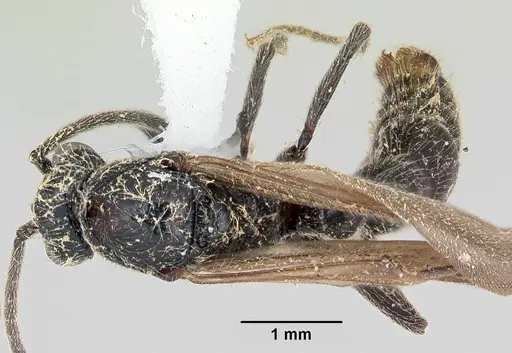
CASENT0898000
Visualizza su AntWeb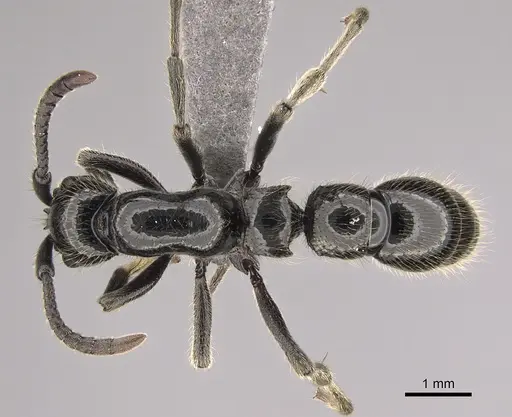
Letteratura
Caricamento mappa di distribuzione...Caricamento prodotti...