
Leptogenys sterops
- Nom. sci.
- Leptogenys sterops
- Tribù
- Ponerini
- Sottofamiglia
- Ponerinae
- Autore
- Bolton, 1975
- Distribuzione
- Trovata in 0 paesi
Introduzione
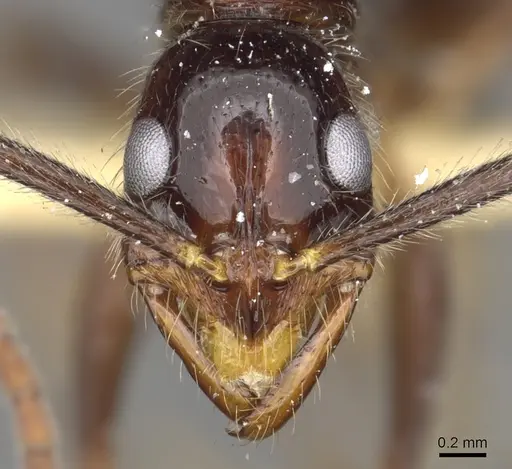
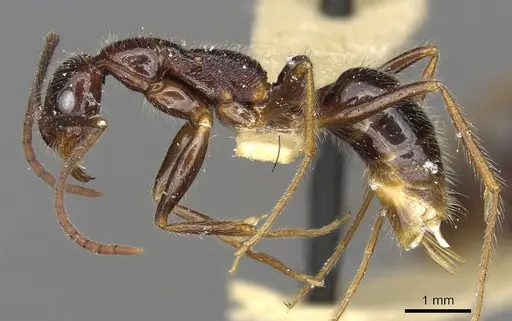
Leptogenys sterops is a predatory ant from the Ponerinae subfamily, described by Bolton in 1975 . It is found in West Africa, specifically in Gambia and Ivory Coast . Size data is unavailable for this species, but based on the Leptogenys genus, workers are likely slender with elongated mandibles for hunting. As a ponerine ant, Leptogenys sterops is an active hunter that specializes in capturing other arthropods, a trait typical of the subfamily.
Quick Summary
- Difficulty: Medium
- Origin & Habitat: West Africa, Gambia and Ivory Coast, in tropical savanna and forest edge environments [2].
- Colony Type: Colony structure is unconfirmed for this species. Based on typical Leptogenys patterns, likely single-queen (monogyne) colonies.
- Size & Growth:
- Queen: Size data unavailable, inferred from Leptogenys genus patterns
- Worker: Size data unavailable, inferred from Leptogenys genus patterns
- Colony: Up to several hundred workers, estimated from related Leptogenys species
- Growth: Moderate, typical for predatory ponerine ants
- Development: Estimated 6-10 weeks based on related Ponerinae species (Development time is estimated from genus-level patterns, specific data for L. sterops is unavailable)
- Antkeeping:
- Temperature: Keep at warm temperatures, around 24-28°C, as this is a tropical species. Use a heating cable to create a gradient.
- Humidity: Maintain moderate to high humidity by keeping the nest substrate consistently moist but not waterlogged.
- Diapause: No, as a tropical species, they do not require hibernation.
- Nesting: In nature, they likely nest in soil or under stones. In captivity, use Y-tong or plaster nests with good humidity retention.
- Behavior: Leptogenys sterops is a predatory ant that actively hunts for small arthropods. Based on genus patterns, they are likely moderately aggressive when defending the colony. Their small size means escape prevention should be good, but they can squeeze through small gaps.
- Common Issues: Predatory diet requires regular live prey, which can be challenging to maintain., Tropical humidity needs may lead to mold if ventilation is poor., Limited species-specific information makes care more uncertain., Warm temperature requirements year-round can increase costs., Small colony sizes mean losses have bigger impact.
Housing and Nest Setup
You can keep Leptogenys sterops in standard ant housing. Since they are from tropical West Africa, they need consistent warmth and moisture. Use a Y-tong nest or plaster formicarium for humidity control. For founding colonies, start with a test tube setup, then move to a proper nest once the colony has 20-30 workers. Ensure the outworld has space for hunting. Escape prevention is important as these ants are agile.
Feeding and Diet
As predatory ants, Leptogenys sterops needs a protein-rich diet. Offer small live prey such as fruit flies, small crickets, mealworms, and other small insects. They may accept dead prey if moved by the ants to trigger hunting response. Feed protein prey 2-3 times per week, adjusting based on colony size and consumption. A sugar source like honey or sugar water may be accepted but should not be the primary food source. Remove uneaten prey after 24-48 hours to prevent mold.
Temperature and Seasonal Care
Maintain temperatures between 24-28°C for optimal colony health. This is a tropical species, so they do not tolerate cool conditions well. Use a heating cable or mat on one side of the nest to create a temperature gradient. They likely do not require hibernation, but may show reduced activity during cooler periods. Monitor colony behavior and adjust temperatures if needed.
Behavior and Colony Dynamics
Leptogenys species are active hunters using their elongated mandibles to capture prey. Workers likely forage individually or in small groups, searching for arthropods in the outworld. They are probably moderately defensive and will respond to threats. Colony growth is likely moderate, predatory ants typically grow more slowly than omnivorous species due to the complexity of hunting and feeding.
Frequently Asked Questions
How long does it take for Leptogenys sterops to produce first workers?
Based on related Ponerinae species, expect first workers in approximately 6-10 weeks after the queen lays eggs, assuming optimal temperatures around 26°C. This is an estimate since specific development data for L. sterops is not available.
What do Leptogenys sterops ants eat?
They are predatory ants that need live or dead insects. Feed small prey like fruit flies, small crickets, mealworms, and other small arthropods. Protein-rich foods are essential for their diet.
Are Leptogenys sterops good for beginners?
This species is rated as Medium difficulty. They require warm, humid conditions and a predatory diet, which is more demanding than feeding standard ant species. They are not the best choice for complete beginners but are manageable for those with some antkeeping experience.
What temperature do Leptogenys sterops need?
Keep them at 24-28°C. This tropical West African species requires consistent warmth. A heating cable on part of the nest can help maintain appropriate temperatures.
Do Leptogenys sterops need hibernation?
No, they likely do not require hibernation. As a tropical species from Gambia and Ivory Coast, they do not experience cold winters. They may have reduced activity during cooler periods but do not need a true diapause.
How big do Leptogenys sterops colonies get?
Colony size is not documented for this specific species. Based on related Leptogenys species, colonies likely reach up to several hundred workers. Growth rate is moderate.
Can I keep multiple Leptogenys sterops queens together?
Colony structure is unconfirmed for this species. Based on typical Leptogenys patterns, they likely have single-queen colonies. Combining unrelated queens is not recommended without documented evidence of polygyny in this species.
What humidity level do Leptogenys sterops need?
Maintain moderate to high humidity by keeping the nest substrate consistently moist but not waterlogged. This tropical species needs higher humidity than many temperate ants.
When should I move Leptogenys sterops to a formicarium?
Move from test tube to a proper nest once the colony reaches 20-30 workers. Ensure the new nest can maintain appropriate humidity and temperature levels.
Report an Issue
The current care sheet is based fully on literature. See inconsistencies, or something that's incorrect? Please , it will be resolved after review from an admin. Contributing to the blogs tab also helps providing information, to make us be able to further improve the caresheets. Thank you for your support!
References

Questa scheda di allevamento è concessa in licenza con CC BY-SA 4.0 .
Blog della comunità
CASENT0902594
Visualizza su AntWeb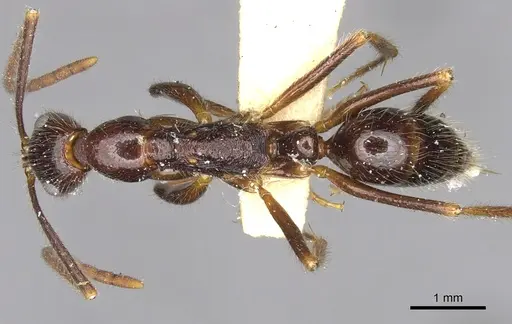
Letteratura
Caricamento mappa di distribuzione...Caricamento prodotti...