
Leptogenys rugosopunctata
- Nom. sci.
- Leptogenys rugosopunctata
- Tribù
- Ponerini
- Sottofamiglia
- Ponerinae
- Autore
- Karavaiev, 1925
- Distribuzione
- Trovata in 0 paesi
Introduzione
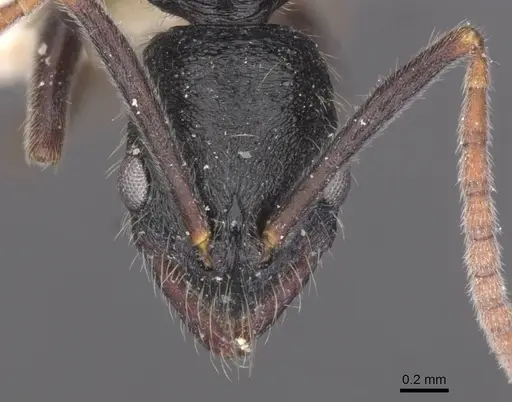
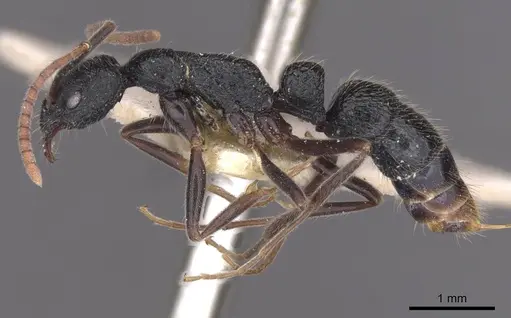
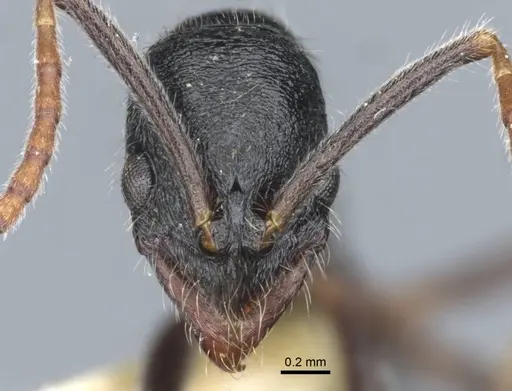
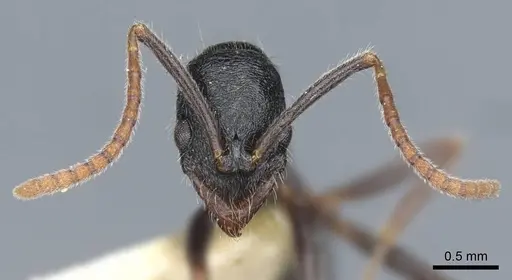
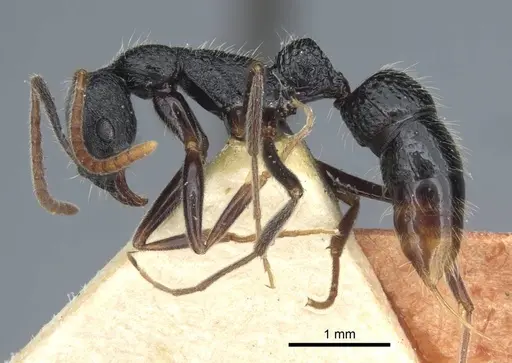
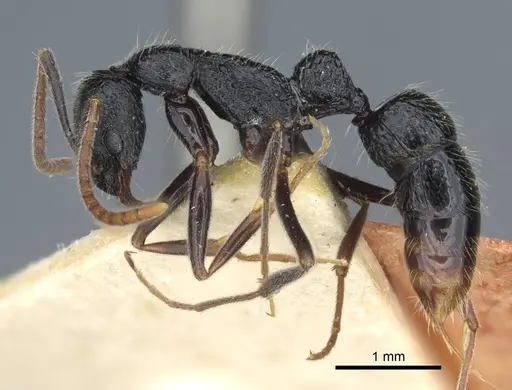
Leptogenys rugosopunctata is a predatory ant species in the Ponerinae subfamily, originally described from Java, Indonesia in 1925 . Workers have the characteristic Ponerine morphology - a powerful stinger and slender body built for hunting prey. The type series was collected in the Botanical Garden at Buitenzorg (now Bogor) on Java, where they were found nesting with larvae and cocoons . This is a tropical species from lowland Java, inhabiting warm, humid forest environments.
Quick Summary
- Difficulty: Medium
- Origin & Habitat: Java, Indonesia, tropical lowland forest in the Botanical Garden at Bogor (formerly Buitenzorg) [1]. Known only from this single collection in western Java.
- Colony Type: Unconfirmed, colony structure has not been documented. The type series included multiple workers and one queen, but the exact colony organization is unknown.
- Size & Growth:
- Queen: Size data unavailable, no measurements provided in available literature [1]
- Worker: Size data unavailable, workers were described but specific measurements not provided [1]
- Colony: Unknown, no colony size data available
- Growth: Unknown, no development data available
- Development: Unknown, no direct development studies exist for this species. (Development timeline is unconfirmed. Ponerine ants typically have longer development than many Myrmicinae.)
- Antkeeping:
- Temperature: Keep at tropical temperatures around 24-28°C. Java is a warm, humid tropical environment. A heating cable on one side of the nest can create a gradient [2].
- Humidity: High humidity is essential, aim for 70-85% relative humidity. Keep the nest substrate consistently moist but not waterlogged. Mist occasionally and provide a water source.
- Diapause: No, as a tropical species from Java, they do not require hibernation. Maintain consistent temperatures year-round.
- Nesting: In nature they were found in a ground-nesting situation in a botanical garden. In captivity, a moist plaster nest or test tube setup with access to an outworld works well. Provide damp substrate for the nest chamber.
- Behavior: Leptogenys are predatory ants with a powerful stinger. They are active hunters and will hunt down small arthropods and other ants. Workers are moderately aggressive when defending the colony and can deliver a painful sting. They are escape artists due to their slender build, use excellent escape prevention with tight-fitting lids and fine mesh. They are diurnal and actively forage during daylight hours.
- Common Issues: tropical species requires consistent warmth, cold temperatures can kill colonies, high humidity needs can lead to mold problems if ventilation is poor, predatory diet means you must provide regular live prey, they won't survive on sugar water alone, escape prevention is critical due to their slender bodies squeezing through small gaps, very limited species-specific information means care is largely based on genus-level knowledge
Housing and Nest Setup
Leptogenys rugosopunctata can be kept in standard ant keeping setups. A test tube setup works well for founding colonies, use a test tube with a water reservoir separated by a cotton plug, providing a dark, humid chamber. Once the colony grows beyond 15-20 workers, consider moving to a small formicarium with plaster or soil chambers. The nest chamber should be kept consistently moist. Provide an outworld connected to the nest where you can offer prey items. Use tight-fitting lids and apply fluon or similar barriers, these ants are slender and can squeeze through surprisingly small gaps. [2]
Feeding and Diet
As a Ponerine ant, L. rugosopunctata is predatory and requires a protein-rich diet of live prey. Offer small insects such as fruit flies, pinhead crickets, small mealworms, and other appropriately-sized arthropods. They are active hunters that will chase down and sting their prey. Feed 2-3 times per week for established colonies, removing any uneaten prey after 24 hours. Sugar sources like honey or sugar water may be accepted occasionally but should not be relied upon as a primary food source, these are predatory ants first and foremost. [2]
Temperature and Humidity
This is a tropical species from Java, Indonesia. Maintain temperatures between 24-28°C consistently. Temperatures below 22°C can slow activity and may be harmful long-term. A heating cable or heat mat on one side of the nest creates a temperature gradient allowing the ants to choose their preferred zone. Humidity should be high, around 70-85%. Keep the nest substrate moist but not saturated with standing water. Mist the outworld occasionally and ensure the water tube in test tube setups stays topped up. [2]
Defense Mechanism
Leptogenys rugosopunctata possesses a functional stinger, typical of the Ponerinae subfamily. Workers will use their sting defensively when threatened. The sting injects peptide-rich venom that is painful to vertebrates.
Behavior and Temperament
Leptogenys ants are active, predatory hunters with a powerful stinger. Workers are moderately aggressive and will readily sting if threatened. The sting is reportedly painful for humans, though not dangerous unless someone has an allergic reaction. They are diurnal foragers, actively searching for prey during the day. Colonies are not overly large but can be active and engaging to watch. Workers use chemical trails to recruit nestmates to large prey items. They are not known to be particularly difficult to keep once their basic needs for warmth, humidity, and protein prey are met. [2]
Colony Development
Little is known about the specific development timeline of Leptogenys rugosopunctata. The type series was collected with both larvae and cocoons present, indicating the colony was in an active reproductive state [1]. Based on typical Ponerinae development, expect relatively slow colony growth compared to many common ant species. The first workers (nanitics) will likely emerge smaller than mature workers. Colonies may take several months to reach 30-50 workers and longer to become established. Patience is key with this species.
Frequently Asked Questions
How long does it take for Leptogenys rugosopunctata to produce first workers?
The exact egg-to-worker timeline is unknown for this species. Based on typical Ponerinae development at tropical temperatures (24-28°C), expect approximately 6-10 weeks from egg to first worker, but this is an estimate rather than confirmed data.
What do I feed Leptogenys rugosopunctata?
They are predatory ants that need live protein prey. Offer small insects like fruit flies, small crickets, mealworms, and other arthropods. Feed 2-3 times per week and remove uneaten prey after 24 hours.
Can I keep multiple Leptogenys rugosopunctata queens together?
This is not documented. The colony structure of this species has not been studied. Combining unrelated queens is not recommended since we don't know their founding behavior.
Do Leptogenys rugosopunctata need hibernation?
No. As a tropical species from Java, Indonesia, they do not require hibernation. Keep temperatures consistent year-round in the 24-28°C range.
How big do Leptogenys rugosopunctata colonies get?
The maximum colony size is unknown. Leptogenys colonies are typically not among the largest ant colonies, but specific data for this species is not available.
Are Leptogenys rugosopunctata good for beginners?
This species is rated as Medium difficulty. While not the most challenging ant, their specific humidity and temperature needs, combined with requiring live prey, make them better suited for keepers with some experience.
When should I move Leptogenys rugosopunctata to a formicarium?
Keep them in a test tube setup until the colony reaches 15-25 workers. At this point, you can transfer to a small formicarium with moist chambers. Ensure the formicarium has appropriate humidity control and escape prevention.
Why are my Leptogenys rugosopunctata dying?
Common causes include: temperatures below 22°C, low humidity, lack of live prey, mold from overwatering with poor ventilation, or escapes due to inadequate barriers. Check each of these parameters and adjust accordingly.
What temperature range is ideal for Leptogenys rugosopunctata?
Keep them at 24-28°C consistently. This tropical species needs warmth year-round. A slight gradient allowing them to move between warmer and cooler areas is beneficial.
Report an Issue
The current care sheet is based fully on literature. See inconsistencies, or something that's incorrect? Please , it will be resolved after review from an admin. Contributing to the blogs tab also helps providing information, to make us be able to further improve the caresheets. Thank you for your support!
References

Questa scheda di allevamento è concessa in licenza con CC BY-SA 4.0 .
Blog della comunità
CASENT0915239
Visualizza su AntWeb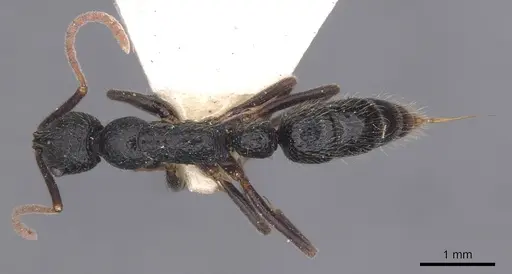
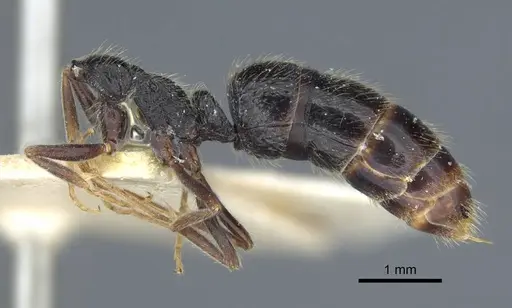
CASENT0916842
Visualizza su AntWeb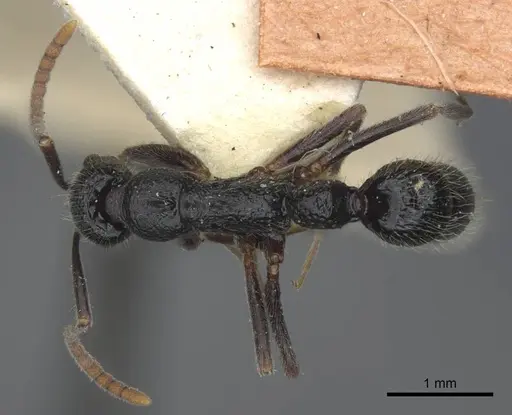
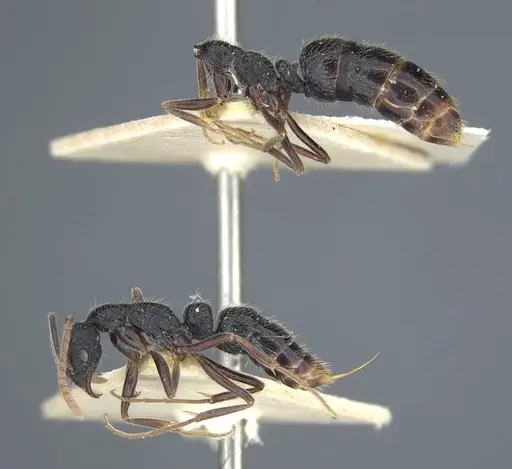
CASENT0916843
Visualizza su AntWeb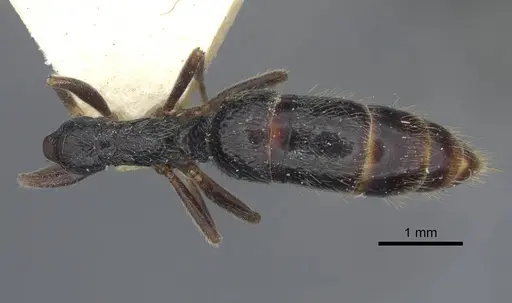
Letteratura
Caricamento mappa di distribuzione...Caricamento prodotti...