
Leptogenys oresbia
- Nom. sci.
- Leptogenys oresbia
- Tribù
- Ponerini
- Sottofamiglia
- Ponerinae
- Autore
- Wilson, 1958
- Distribuzione
- Trovata in 0 paesi
Introduzione
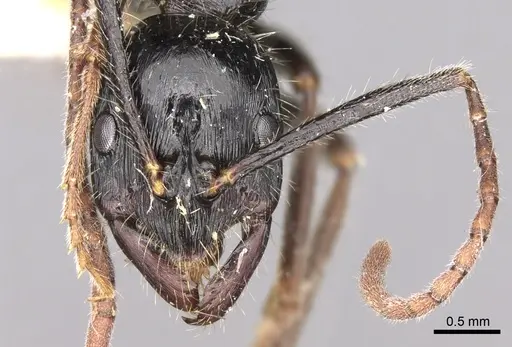
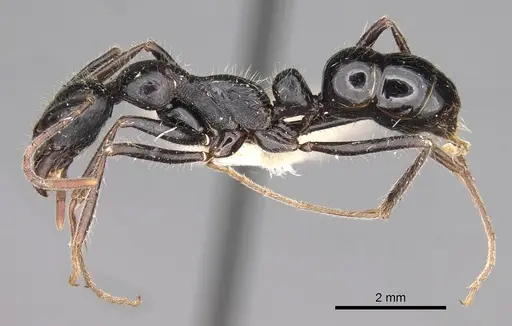
Leptogenys oresbia is a slender, predatory ant species belonging to the subfamily Ponerinae, first described by E.O. Wilson in 1958 . Workers are typical of the genus - elongated with large eyes and a distinct petiole. The genus is known for active hunting behavior, pursuing prey through leaf litter and soil of forest floors. This species is endemic to the Solomon Islands, specifically recorded from Guadalcanal and Makira islands . As a Ponerine ant, they possess a functional stinger and can deliver a painful sting if threatened.
Quick Summary
- Difficulty: Medium
- Origin & Habitat: Solomon Islands (Guadalcanal, Makira), tropical forest environment [2]
- Colony Type: Likely monogyne based on typical Leptogenys patterns.
- Size & Growth:
- Queen: ~10-12 mm, inferred from genus Leptogenys patterns
- Worker: ~5-8 mm, inferred from genus Leptogenys patterns
- Colony: Up to 300 workers, inferred from typical Ponerinae sizes
- Growth: Moderate, inferred from tropical Ponerinae development patterns
- Development: Approximately 6-10 weeks at tropical temperatures, estimated from related Ponerinae species (Development time is estimated from related species, actual timing for L. oresbia is unconfirmed)
- Antkeeping:
- Temperature: Keep at 24-28°C (tropical conditions). A heating cable on part of the nest creates a temperature gradient allowing ants to self-regulate.
- Humidity: Maintain high humidity (70-85%) similar to Solomon Islands forest floor. Keep nest substrate consistently moist but not waterlogged.
- Diapause: No true diapause expected, Solomon Islands have year-round tropical temperatures. Colony may show reduced activity during cooler periods but does not require hibernation.
- Nesting: In captivity, they do well in naturalistic setups with moist substrate (soil/peat mix) or plaster nests that retain humidity. They prefer dark, humid nesting chambers and forage in the open. Test tubes with cotton can work for founding colonies if kept humid.
- Behavior: Leptogenys oresbia is an active, predatory ant that hunts small invertebrates. Workers are fast-moving and will pursue prey aggressively. They are not aggressive toward humans but will sting if threatened or handled roughly. Escape prevention is important, they are agile and can squeeze through small gaps. They forage individually rather than in raiding columns, searching for prey across the nest territory. Workers likely use chemical trails to recruit nestmates to large prey items.
- Common Issues: high humidity requirements can lead to mold if ventilation is inadequate, balance is critical, predatory nature means they need live prey regularly, failure to provide appropriate food causes colony decline, slow colony growth compared to common hobby species may frustrate beginners, sting capability means they should be handled with care, not suitable for frequent handling, limited availability in the antkeeping hobby makes this species difficult to acquire
Housing and Nest Setup
Leptogenys oresbia does well in naturalistic setups that replicate their Solomon Islands forest floor habitat. A mix of soil and peat or coco fiber works well as substrate, keep it consistently moist but never waterlogged. Plaster nests or acrylic nests with humidity reservoirs also work, but ensure the chambers remain damp. The nest should be dark, Ponerine ants prefer dim, humid chambers. Provide an outworld (foraging area) connected to the nest where you can offer prey items. Use a test tube setup for founding colonies, but place it in a humid enclosure to prevent drying. Escape prevention is important, use fluon on container edges and ensure any connections between nest and outworld are secure. [1]
Feeding and Diet
As predators, Leptogenys oresbia requires live prey to thrive. Offer small invertebrates like fruit flies, small crickets, mealworms, and other appropriately-sized insects. They are likely specialized hunters of springtails and other micro-arthropods in the wild. Feed prey 2-3 times per week for established colonies, removing any uneaten remains within 24 hours. While some Ponerinae accept sugar water or honey, their primary nutrition comes from protein. You can offer sugar sources occasionally but do not rely on them as a primary food source. Freshly killed prey is often accepted if it mimics live movement.
Temperature and Humidity
Maintain temperatures between 24-28°C year-round, reflecting the tropical climate of the Solomon Islands. A slight temperature gradient in the setup allows the ants to regulate their own conditions. Heating cables placed on part of the nest (on top, not underneath to avoid evaporation issues) can help maintain warmth. Humidity should remain high at 70-85%, this is critical for this species. The nest substrate should feel damp to the touch. Mist the enclosure regularly but ensure ventilation prevents stagnant, mold-prone conditions. Do not let the nest dry out, as this can be fatal to colonies.
Behavior and Temperament
Leptogenys oresbia is an active predator with individual foraging behavior. Workers hunt alone, patrolling the territory and pursuing any suitable prey they encounter. When large prey is found, they may recruit nestmates through chemical signaling. They are not particularly aggressive toward colony members or humans, but possess a functional stinger and will use it if threatened. They do not form supercolonies and typically maintain moderate-sized colonies. Observing their hunting behavior is a major appeal, watching workers chase and subdue prey demonstrates the primitive, active predatory lifestyle that characterizes Ponerine ants.
Colony Development
The founding queen seals herself in a claustral chamber, living off stored fat reserves while raising the first brood. Initial workers (nanitics) will be smaller than mature workers. Colony growth is moderate, expect 6-10 weeks from egg to first worker at optimal temperatures. Growth rate depends heavily on feeding frequency and prey availability. Mature colonies likely reach up to 300 workers over several years. Unlike many tropical ants, they do not have rapid growth rates. Patience is required, Ponerine colonies develop more slowly than many common hobby species like Lasius or Camponotus.
Frequently Asked Questions
How long does it take for Leptogenys oresbia to produce first workers?
Expect first workers (nanitics) approximately 6-10 weeks after the queen lays eggs, assuming temperatures around 25-28°C. This is an estimate based on related Ponerinae species, actual timing for this specific species may vary.
What do Leptogenys oresbia eat?
They are predatory ants that require live prey. Offer small insects like fruit flies, small crickets, mealworms, and other appropriately-sized invertebrates. They hunt actively and will pursue prey across the foraging area.
Are Leptogenys oresbia good for beginners?
This species is rated as medium difficulty. While not the most challenging ant, they require more attention than beginner species, specifically high humidity, regular live prey feeding, and warm temperatures. They are not recommended as a first ant but are manageable for keepers with some experience.
How big do Leptogenys oresbia colonies get?
Mature colonies likely reach up to 300 workers based on typical Ponerinae sizes. They are not among the largest ant species but maintain established, long-lived colonies.
Do Leptogenys oresbia need hibernation?
No, they do not require hibernation. As a tropical species from the Solomon Islands, they prefer year-round warm temperatures (24-28°C). They may show reduced activity during cooler periods but do not enter diapause.
Can I keep multiple Leptogenys oresbia queens together?
This is not recommended. While colony structure is unconfirmed for this specific species, Leptogenys typically form single-queen colonies. Combining unrelated foundress queens often leads to fighting and colony failure.
What temperature and humidity do Leptogenys oresbia need?
Keep temperatures at 24-28°C with humidity at 70-85%. The nest substrate should remain consistently moist. This reflects their Solomon Islands forest floor habitat where conditions are warm and humid year-round.
When should I move Leptogenys oresbia to a formicarium?
Move them when the colony reaches roughly 20-30 workers and the test tube setup becomes cramped. Ensure the formicarium can maintain high humidity, naturalistic setups with moist substrate work well for this species.
Why is my Leptogenys oresbia colony declining?
Common causes include: insufficient prey (they need regular live food), low humidity (drying out is fatal), temperatures too low (below 24°C slows metabolism), or mold from poor ventilation. Review each parameter and adjust accordingly.
Report an Issue
The current care sheet is based fully on literature. See inconsistencies, or something that's incorrect? Please , it will be resolved after review from an admin. Contributing to the blogs tab also helps providing information, to make us be able to further improve the caresheets. Thank you for your support!
References

Questa scheda di allevamento è concessa in licenza con CC BY-SA 4.0 .
Blog della comunità
CASENT0281932
Visualizza su AntWeb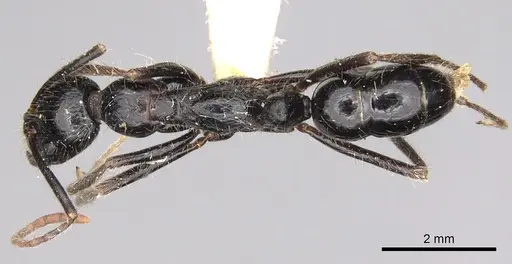
Letteratura
Caricamento mappa di distribuzione...Caricamento prodotti...