
Leptogenys erythraea
- Nom. sci.
- Leptogenys erythraea
- Tribù
- Ponerini
- Sottofamiglia
- Ponerinae
- Autore
- Emery, 1902
- Distribuzione
- Trovata in 0 paesi
Introduzione
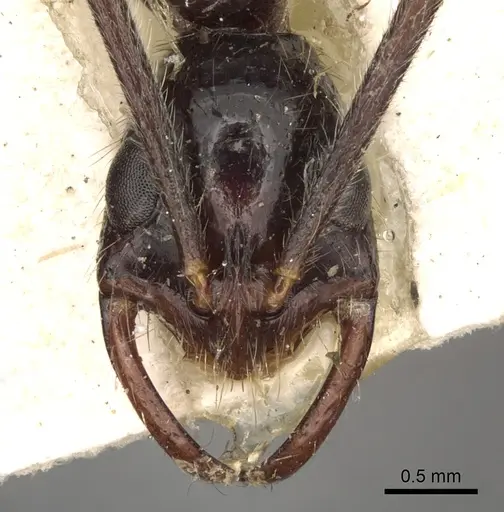
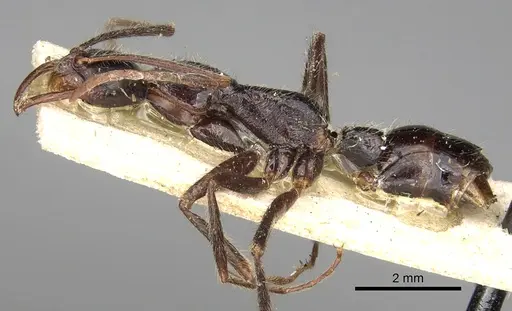
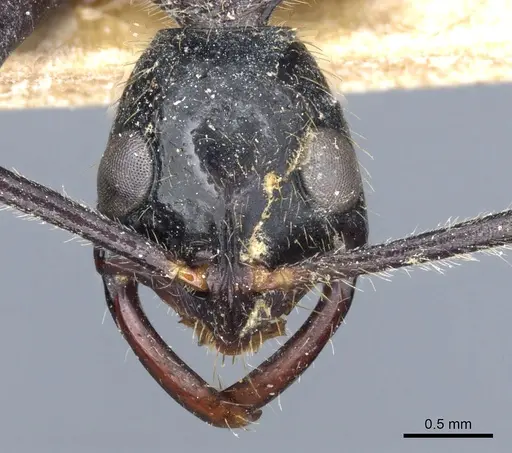
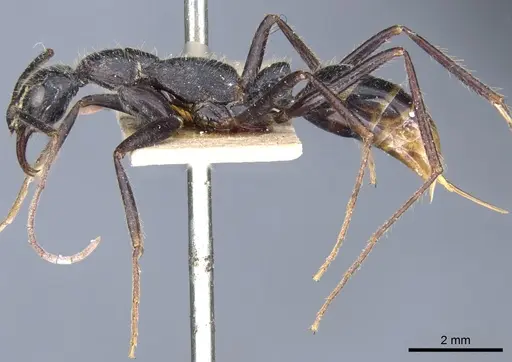
Leptogenys erythraea is a predatory ant species in the subfamily Ponerinae, found in East Africa in Eritrea and Ethiopia . Workers are slender ants with elongated mandibles typical of the genus Leptogenys, used for capturing prey. The species was originally described as a subspecies of Leptogenys stuhlmanni before being elevated to full species status in 1975 . This ant inhabits the Afrotropical region in the Horn of Africa. Like other Leptogenys species, they are active hunters that pursue prey on the forest floor or in open areas. The specific biology of this species remains poorly documented in scientific literature.
Quick Summary
- Difficulty: Medium
- Origin & Habitat: East Africa, specifically Eritrea and Ethiopia in the Afrotropical region [1][2]. They inhabit warm tropical to subtropical environments in the Horn of Africa.
- Colony Type: Unconfirmed. The genus Leptogenys typically forms single-queen colonies, but the specific colony structure of L. erythraea has not been documented.
- Size & Growth:
- Queen: Size data unavailable, inferred from Leptogenys genus (~10-14mm)
- Worker: Size data unavailable, inferred from Leptogenys genus (~6-9mm)
- Colony: Up to several hundred workers, estimated from related Leptogenys species
- Growth: Moderate
- Development: Estimated 6-10 weeks at optimal temperature based on typical Ponerinae development patterns (Development time is estimated from related species, specific data for L. erythraea is unavailable.)
- Antkeeping:
- Temperature: Keep at 24-28°C. This species comes from warm East African habitats and will thrive at room temperature or slightly above. A heating cable on one side of the nest can provide a gradient if your room runs cool.
- Humidity: Moderate humidity around 50-60%. Provide a moist area in part of the nest but allow some drier zones as well.
- Diapause: No, as an East African species, they do not require hibernation or diapause.
- Nesting: In nature, Leptogenys species often nest in soil or under stones. In captivity, a Y-tong (AAC) nest, plaster nest, or naturalistic setup with soil substrate works well. Provide moderate moisture in the substrate.
- Behavior: Leptogenys erythraea is a predatory ant that actively hunts for prey rather than collecting honeydew. Workers are fast-moving and agile hunters. They possess a functional stinger and will defend their nest if threatened. Escape prevention should be taken seriously, while not among the smallest ants, they are active and may explore for exits.
- Common Issues: limited documentation means care protocols are largely estimated from genus-level information, predatory diet requires live prey which some keepers find challenging to provide consistently, slower development compared to common pet ant species may test keeper patience, wild-caught colonies may harbor parasites that can be difficult to detect and treat, their active hunting behavior means they may be more prone to escape when foraging in the outworld
Nest Preferences and Housing
In their natural habitat across Eritrea and Ethiopia, Leptogenys erythraea likely nests in soil or beneath stones in warm areas. For captive care, a Y-tong (AAC) nest works well for established colonies, providing dark, secure chambers that these ants prefer. A plaster nest with a water reservoir is another excellent option, as it allows you to control humidity precisely. A naturalistic setup with a soil-filled container and flat stones on top for nesting sites also mimics their natural environment. Regardless of nest type, ensure there is moderate moisture in at least part of the substrate, these ants do best with a humidity gradient so they can choose their preferred zone. The outworld should be escape-proof with appropriate barriers, as active hunting ants are good climbers. [1][2]
Feeding and Diet
Leptogenys erythraea is a predatory ant that hunts live prey, similar to other species in the genus. In captivity, you should provide a diet based on small live insects such as fruit flies, small crickets, mealworms, and other appropriately-sized arthropods. They are unlikely to accept sugar water or honey as a significant part of their diet, though you can offer these occasionally to see if they accept them. The key is providing regular protein-rich live prey, this is essential for brood development and colony growth. Feed prey roughly twice weekly, adjusting based on colony size and consumption rate. Remove any uneaten prey after 24-48 hours to prevent mold issues. [2]
Temperature and Seasonal Care
As an East African species from Eritrea and Ethiopia, Leptogenys erythraea prefers warm conditions. Aim for temperatures in the range of 24-28°C, which is roughly room temperature for many homes or slightly above. They can tolerate brief periods slightly outside this range but prolonged cold will slow their activity and may harm brood development. Unlike temperate ant species, they do not require a true hibernation period or diapause. During cooler winter months, you may see reduced activity and slower growth, which is normal. If your home runs cool in winter, a small heating cable placed on one side of the nest can help maintain appropriate temperatures. Avoid placing the nest in direct sunlight or near drafts. [1]
Defense and Handling
Leptogenys erythraea belongs to the subfamily Ponerinae, which is characterized by having a functional stinger. These ants can deliver a painful sting if threatened or handled roughly. While not dangerous to healthy humans, the sting can cause discomfort and should be avoided. When working with this species, take precautions such as using long-handled tools when moving colonies and avoiding bare-handed contact. Workers are not particularly aggressive toward humans and will typically flee rather than attack when given the opportunity. They will defend their nest vigorously if threatened or disturbed. [2]
Behavior and Colony Dynamics
Leptogenys erythraea exhibits the active, predatory foraging behavior characteristic of the genus. Workers hunt individually rather than forming raiding parties or using tandem running. They are fast-moving and will pursue prey across the outworld. Colonies are likely centered around a single queen, though this specific species has not been well-studied in terms of colony structure. Workers will defend their nest if threatened. Colony growth is moderate, Ponerine ants typically develop more slowly than many common pet ant species, so patience is required during the founding stage and early colony growth. [1][2]
Frequently Asked Questions
How long does it take for Leptogenys erythraea to produce first workers?
The exact timeline is unknown for this species, but based on typical Ponerinae development, expect first workers approximately 6-10 weeks after the queen lays eggs, assuming optimal temperature around 24-28°C.
What do Leptogenys erythraea ants eat?
They are predatory ants that require live prey. Feed small live insects such as fruit flies, small crickets, mealworms, or other appropriately-sized arthropods. They are unlikely to rely on sugar sources like honey or sugar water.
Can I keep Leptogenys erythraea in a test tube?
You can use a test tube for the founding queen, but be prepared to move the colony to a proper nest once the colony reaches 15-20 workers. Ponerine ants need space for hunting and brood-rearing that test tubes cannot adequately provide.
Are Leptogenys erythraea good for beginners?
This species is rated as medium difficulty. While not the most challenging ant species, the lack of species-specific documentation and the need for live prey make it better suited for keepers who already have some experience with predatory ant species.
How big do Leptogenys erythraea colonies get?
The maximum colony size is not documented for this species. Based on related Leptogenys species, colonies may reach up to several hundred workers. Growth is moderate, so this will take time to achieve.
Do Leptogenys erythraea need hibernation?
No. As an East African species from Eritrea and Ethiopia, they do not require hibernation or a diapause period. They may show reduced activity during cooler periods but should be kept warm year-round.
When should I move my colony to a formicarium?
Move the colony when the test tube becomes crowded or when you see 15-20 workers actively foraging. Ponerine ants need more space for hunting movements than typical nest-dwelling ants, so choose a formicarium with a spacious outworld.
What temperature is best for Leptogenys erythraea?
Keep them warm at 24-28°C. This species comes from warm East African habitats and will thrive at room temperature or slightly above. A slight temperature gradient is beneficial so they can regulate their own exposure.
Can I keep multiple Leptogenys erythraea queens together?
This has not been documented for this species. The genus Leptogenys typically has single-queen colonies, and there is no evidence that L. erythraea is an exception. It is not recommended to house multiple unrelated queens together.
Report an Issue
The current care sheet is based fully on literature. See inconsistencies, or something that's incorrect? Please , it will be resolved after review from an admin. Contributing to the blogs tab also helps providing information, to make us be able to further improve the caresheets. Thank you for your support!
References

Questa scheda di allevamento è concessa in licenza con CC BY-SA 4.0 .
Blog della comunità
CASENT0281917
Visualizza su AntWeb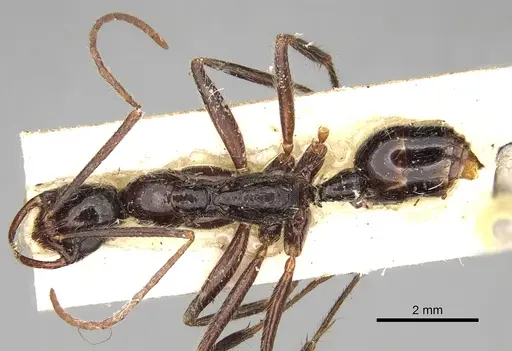
CASENT0903972
Visualizza su AntWeb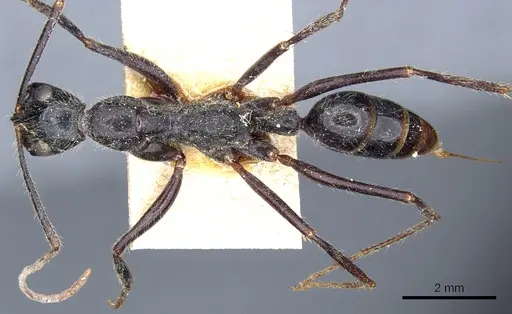
Letteratura
Caricamento mappa di distribuzione...Caricamento prodotti...