
Leptogenys carinata
- Nom. sci.
- Leptogenys carinata
- Tribù
- Ponerini
- Sottofamiglia
- Ponerinae
- Autore
- Donisthorpe, 1943
- Distribuzione
- Trovata in 0 paesi
Introduzione
Leptogenys carinata is a predatory ant species endemic to India, belonging to the Ponerinae subfamily. The genus Leptogenys is known for their slender, elongated bodies and distinctive elongated mandibles adapted for hunting. This species was described by Donisthorpe in 1943 and is found only in India, specifically recorded from Kerala and West Bengal . As a Ponerine ant, they possess a functional sting and are active hunters.
Quick Summary
- Difficulty: Medium
- Origin & Habitat: Endemic to India, found in Kerala and West Bengal [1]. These states have tropical climates with high humidity. Based on typical Leptogenys habitat preferences, they likely inhabit forest environments with moist, shaded conditions.
- Colony Type: Unconfirmed, likely monogyne based on typical genus patterns.
- Size & Growth:
- Queen: Size data unavailable for this species, inferred from Leptogenys genus patterns to be approximately 8-10mm
- Worker: Size data unavailable for this species, inferred from Leptogenys genus patterns to be approximately 5-8mm
- Colony: Unknown for this species, inferred from related Leptogenys species to reach several hundred workers
- Growth: Moderate, Ponerine ants generally develop at moderate rates
- Development: Estimated 6-10 weeks at optimal temperature based on typical Ponerine development patterns (Development time is inferred from related Ponerinae species, specific data for L. carinata is unavailable)
- Antkeeping:
- Temperature: Keep at 24-28°C, tropical species requiring warm conditions. A heating cable on one side of the nest creates a suitable gradient.
- Humidity: High humidity required, keep the nest substrate consistently moist but not waterlogged. These ants prefer damp forest-floor conditions.
- Diapause: Unknown, Indian species may not require true hibernation but may have reduced activity during cooler seasons
- Nesting: Based on genus preferences, they likely nest in soil or under stones in shaded locations. A naturalistic setup with moist substrate or a Y-tong/plaster nest works well. Provide narrow chambers and good humidity retention.
- Behavior: Active and aggressive predators. They hunt using their elongated mandibles and will readily tackle live prey. Workers are medium-sized and typically forager singly. They possess a functional sting which can be used for defense, this is standard for Ponerine ants.
- Common Issues: high humidity needs make mold a constant risk, ensure proper ventilation while maintaining moisture, as predators, they require a constant supply of live prey, failure to provide adequate protein leads to colony decline, wild-caught colonies may have parasites that kill them in captivity, slow colony growth can lead to keeper impatience and overfeeding, causing mold problems, Ponerine stings are functional, handle with care
Housing and Nest Setup
Leptogenys carinata requires a nest setup that maintains high humidity while providing adequate ventilation. A Y-tong or plaster nest works well for this species, as both hold moisture effectively. The nest chambers should be appropriately sized for medium-sized ants, avoid chambers that are too large as this can make it difficult for the colony to maintain humidity. Place the nest in a dark area, as these ants prefer dim conditions. The outworld should be simple with a water source and feeding area. Use a test tube setup for the founding queen, transitioning to a formicarium once the colony reaches 20-30 workers.
Feeding and Diet
Leptogenys carinata is a predatory ant and requires live prey to thrive. Offer small live insects such as fruit flies, small crickets, mealworms, and other appropriately sized arthropods. They will typically hunt and subdue prey using their elongated mandibles. Feed protein prey 2-3 times per week, adjusting based on colony size and consumption. Sugar sources are not typically a primary food source for Leptogenys, but you can occasionally offer a drop of honey or sugar water to see if it is accepted. Always remove uneaten prey to prevent mold issues.
Temperature and Heating
As a tropical species from India, Leptogenys carinata requires warm temperatures to thrive. Maintain nest temperatures between 24-28°C. A small heating cable placed on one side of the nest can help maintain these temperatures, but ensure there is a temperature gradient so ants can move to cooler areas if needed. Avoid temperatures below 20°C for extended periods, as this can slow colony development and potentially harm the colony. Room temperature may be sufficient in warm climates but monitor with a thermometer.
Humidity Management
High humidity is critical for this species. Keep the nest substrate consistently moist, it should feel damp to the touch but not be waterlogged. For test tube setups, ensure the water reservoir is adequate but not so large that it floods. Check condensation levels daily, heavy condensation that obscures visibility indicates adequate humidity, while disappearing condensation means rehydration is needed. However, avoid stagnant air as this promotes mold, ensure some ventilation while maintaining moisture.
Behavior and Temperament
Leptogenys carinata is an active predator with an aggressive hunting style. Workers forage individually rather than in groups, searching for prey throughout the outworld. They possess a functional sting which they may use for defense and to subdue prey. The colony will likely be defensive when the nest is disturbed. They are not escape artists in the same way as tiny ants, but they are active and will explore any gaps in their enclosure. Use standard escape prevention measures including fluon on container edges.
Frequently Asked Questions
How long does it take for Leptogenys carinata to produce first workers?
The egg-to-worker timeline is estimated at 6-10 weeks based on typical Ponerine development patterns. Specific data for this species is not available. Development depends heavily on temperature, warmer conditions within their range will speed development.
What do Leptogenys carinata ants eat?
They are predators that require live prey. Feed small live insects like fruit flies, small crickets, mealworms, and other arthropods. They will hunt and subdue prey using their elongated mandibles. Protein should be offered 2-3 times per week.
Can I keep multiple Leptogenys carinata queens together?
Combining unrelated queens of this species has not been documented. Based on typical genus patterns, they likely form single-queen colonies. It is not recommended to house multiple foundress queens together as they may fight.
What temperature do Leptogenys carinata need?
Keep them warm at 24-28°C. This tropical Indian species requires consistent warmth for optimal colony development. A heating cable on part of the nest can help maintain temperatures, with a gradient allowing ants to move to cooler areas if needed.
Are Leptogenys carinata good for beginners?
This species is rated as Medium difficulty. They require more specialized care than basic ants due to their need for live prey, high humidity, and warm temperatures. They are not recommended as a first ant but are manageable for keepers with some experience.
How big do Leptogenys carinata colonies get?
Colony size is not documented for this specific species. Based on related Leptogenys species, colonies likely reach several hundred workers. Growth is moderate, Ponerine ants typically develop more slowly than many common pet ant species.
Do Leptogenys carinata need hibernation?
Hibernation requirements are unknown for this species. As a tropical Indian species, they likely do not require true hibernation but may have reduced activity during cooler seasons. It is best to maintain warm temperatures year-round.
When should I move Leptogenys carinata to a formicarium?
Move from a test tube setup to a formicarium once the colony reaches 20-30 workers and the test tube setup becomes cramped. Ensure the new setup can maintain the high humidity this species requires.
Why are my Leptogenys carinata dying?
Common causes include: low humidity (keep substrate consistently moist), inadequate food (they need live prey, not just sugar), temperatures below 20°C, parasites from wild-caught colonies, and mold from poor ventilation or overfeeding. Review each of these factors when troubleshooting.
Report an Issue
The current care sheet is based fully on literature. See inconsistencies, or something that's incorrect? Please , it will be resolved after review from an admin. Contributing to the blogs tab also helps providing information, to make us be able to further improve the caresheets. Thank you for your support!
References

Questa scheda di allevamento è concessa in licenza con CC BY-SA 4.0 .
Blog della comunità
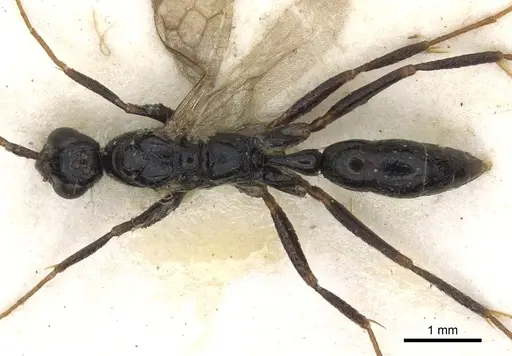
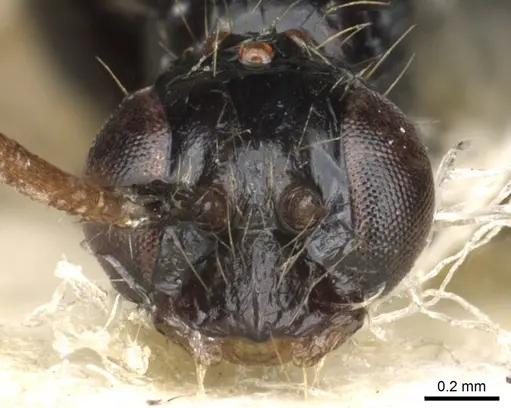
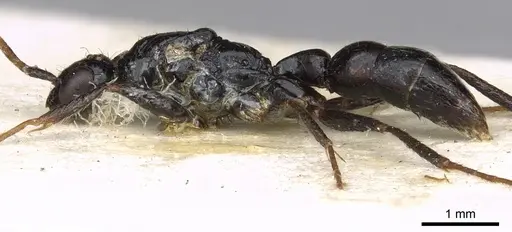
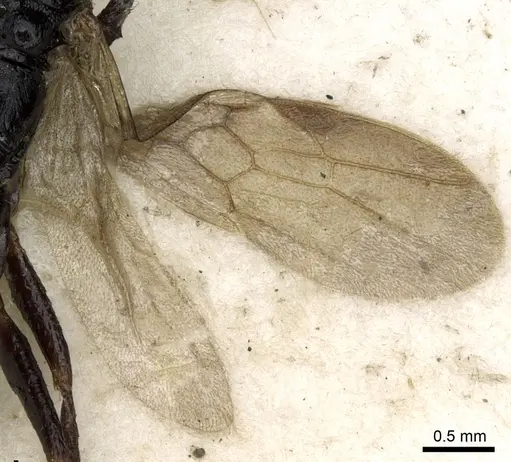
CASENT0902615
Visualizza su AntWeb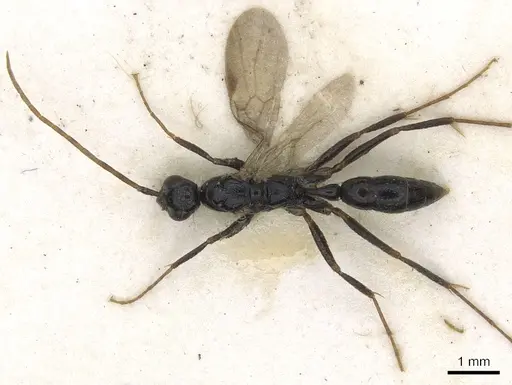
Letteratura
Caricamento mappa di distribuzione...Caricamento prodotti...