
Lepisiota piliscapa
- Nom. sci.
- Lepisiota piliscapa
- Tribù
- Plagiolepidini
- Sottofamiglia
- Formicinae
- Autore
- Santschi, 1935
- Distribuzione
- Trovata in 0 paesi
Introduzione
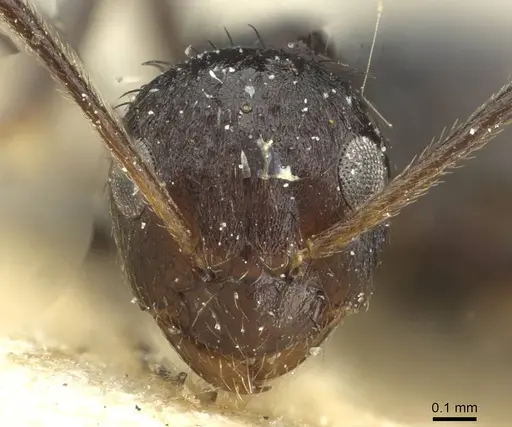
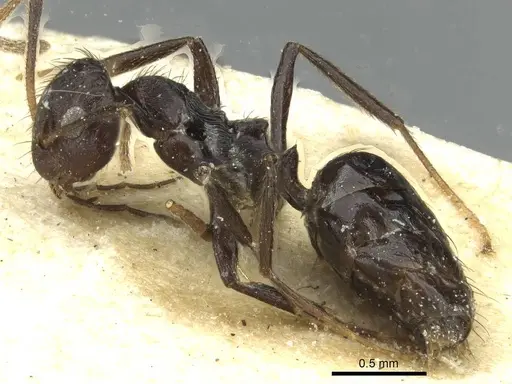
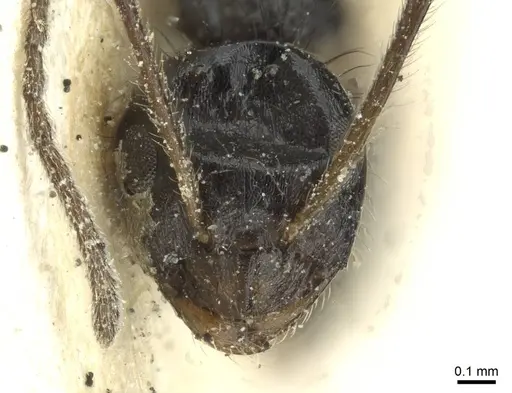
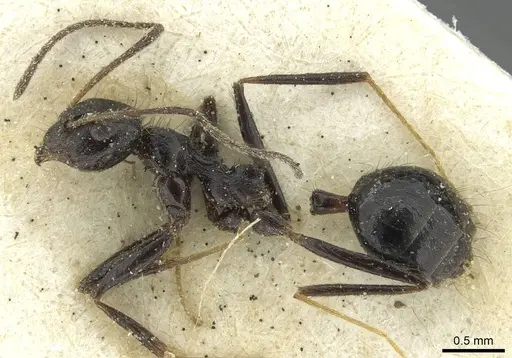
Lepisiota piliscapa is a small ant species belonging to the Formicinae subfamily. The genus Lepisiota is characterized by a distinctively shaped petiole that gives these ants their common name of 'slender ants.' Coloration is typically dark brown to black. This species is endemic to the Democratic Republic of Congo, specifically recorded from the Mai-Ndombe region . The habitat in this area consists of tropical forests with warm, humid conditions. Size data for this species is unavailable in current literature.
Quick Summary
- Difficulty: Medium
- Origin & Habitat: Democratic Republic of Congo, Mai-Ndombe region, tropical forest habitat [1]
- Colony Type: Colony structure is unconfirmed for this species
- Size & Growth:
- Queen: size data unavailable
- Worker: size data unavailable
- Colony: Colony size unconfirmed for this species
- Growth: Unknown
- Development: Unknown for this species (Development time has not been studied. Tropical ant species typically develop faster than temperate ones.)
- Antkeeping:
- Temperature: Keep at 24-28°C, this is a tropical species requiring warm conditions [2]
- Humidity: Maintain moderate humidity. Keep the nest substrate moist but not waterlogged. Provide a water source.
- Diapause: No, this is a tropical species that does not require hibernation. Maintain consistent temperatures year-round [2].
- Nesting: In captivity, they do well in test tube setups for founding colonies, then transition to Y-tong or plaster nests. They prefer enclosed nests with some moisture retention. Provide a gradient so they can choose their preferred humidity zone [2].
- Behavior: Lepisiota piliscapa is an active and alert species. Workers are fast-moving and will readily explore their surroundings. They are not typically aggressive toward keepers but will defend their nest if threatened. Workers forage individually and are omnivorous, accepting both sugar sources and protein. Escape prevention should be taken seriously, they are agile and can squeeze through small gaps. They are diurnal and show peak activity during daylight hours [2].
- Common Issues: tropical species requires consistent warmth, cold temperatures can slow or stop brood development, colonies may decline if humidity drops too low, monitor substrate moisture, fast-moving workers can escape if enclosure barriers are not secure, limited specific data means care is based on genus-level inference, monitor colony response and adjust, wild-caught colonies may carry parasites or diseases that can affect captive colonies
Housing and Nest Setup
For founding colonies, a simple test tube setup works well. Fill a test tube about one-third with water, plug with cotton, and place the queen in the tube. The cotton creates a water reservoir that maintains humidity. Cover the tube with a dark cloth for the first few weeks to reduce stress. Once the colony has 10-15 workers, you can transition to a small formicarium or Y-tong nest. These ants do well in plaster nests or Y-tong setups that retain moisture. Provide a shallow water dish in the outworld and ensure the nest has some damp substrate. A small outworld for foraging allows workers to search for food [2].
Feeding and Diet
Lepisiota piliscapa is omnivorous and accepts a variety of foods. Offer sugar water, honey, or diluted syrup as a constant energy source. For protein, provide small insects like fruit flies, pinhead crickets, or mealworms. Feed protein every 2-3 days, removing any uneaten prey after 24 hours. Sugar water should be available at all times. Fresh fruit pieces like apple or banana can also be accepted. Observe your colony's preferences and adjust feeding accordingly [2].
Temperature and Heating
As a tropical species from the DRC, Lepisiota piliscapa requires warm conditions. Maintain temperatures between 24-28°C for optimal brood development. Temperatures below 22°C can slow growth and may stress the colony. Use a heating cable or small heat mat placed on one side of the nest to create a gentle temperature gradient. This allows the ants to regulate their temperature by moving between warmer and cooler areas. Avoid direct heat that could dry out the nest. Room temperature may be sufficient if your home stays in the 24-26°C range, otherwise provide supplemental heating [2].
Humidity Management
Keep the nest substrate moderately moist. The substrate should feel damp to the touch but not have standing water. For test tube setups, the water reservoir naturally maintains humidity. For formicariums, mist the nest area occasionally and monitor for condensation. Provide a water dish in the outworld so workers can drink. If the colony seems to avoid the nest area, humidity may be too low, try misting more frequently. Conversely, if mold becomes a problem, reduce moisture and improve ventilation. A hygrometer can help monitor levels, aiming for 60-80% relative humidity [2].
Colony Development
A newly mated queen will seal herself in a chamber and lay eggs within the first week or two. She feeds the larvae from her own body reserves during founding. The first workers, called nanitics, typically emerge after several weeks depending on temperature. These first workers are often smaller than normal workers. Once workers emerge, the queen stops foraging and the workers take over all colony tasks. The colony will grow gradually at first, then more rapidly as the worker population increases [2].
Behavior and Observation
Workers are active and fast-moving, constantly patrolling their territory. They are not particularly aggressive but will bite if threatened and may emit formic acid as a defense. The species shows typical ant behaviors including foraging, brood care, and nest maintenance. Workers communicate through chemical trails and can recruit nestmates to food sources. Observing their foraging behavior can be quite engaging, they quickly discover and exploit food resources. They are diurnal, with peak activity during daylight hours. The colony will establish defined trails between the nest and food sources [2].
Frequently Asked Questions
How long does it take for Lepisiota piliscapa to produce first workers?
This is unknown for this specific species. For related tropical ant species, first workers typically appear after 6-10 weeks, depending on temperature. Warmer temperatures speed development, while cooler temperatures can significantly delay it.
What temperature do Lepisiota piliscapa ants need?
Keep them at 24-28°C. This tropical species requires warm conditions for optimal health and brood development.
Do Lepisiota piliscapa ants need hibernation?
No, they do not require hibernation. As a tropical species from the DRC, they need consistent warmth year-round.
What do Lepisiota piliscapa ants eat?
They are omnivorous. Offer sugar water or honey for energy, and protein sources like small insects (fruit flies, pinhead crickets, mealworms).
Are Lepisiota piliscapa ants good for beginners?
They are rated as medium difficulty. They are more challenging than beginner species like Lasius but can be kept by hobbyists with some ant-keeping experience.
How big do Lepisiota piliscapa colonies get?
Colony size is unconfirmed for this species. Related Lepisiota species typically reach several hundred to a few thousand workers.
Can I keep multiple Lepisiota piliscapa queens together?
Colony type is unconfirmed for this species. Combining unrelated queens is not recommended as they may fight.
When should I move Lepisiota piliscapa to a formicarium?
Move them once the colony has 10-15 workers and the test tube is becoming cramped. A small formicarium or Y-tong nest works well.
Why is my Lepisiota piliscapa colony not growing?
Check temperature (needs 24-28°C), humidity (should be moist but not wet), and food availability. Cold temperatures or poor nutrition are common causes of slow growth.
Report an Issue
The current care sheet is based fully on literature. See inconsistencies, or something that's incorrect? Please , it will be resolved after review from an admin. Contributing to the blogs tab also helps providing information, to make us be able to further improve the caresheets. Thank you for your support!
References

Questa scheda di allevamento è concessa in licenza con CC BY-SA 4.0 .
Blog della comunità
CASENT0912402
Visualizza su AntWeb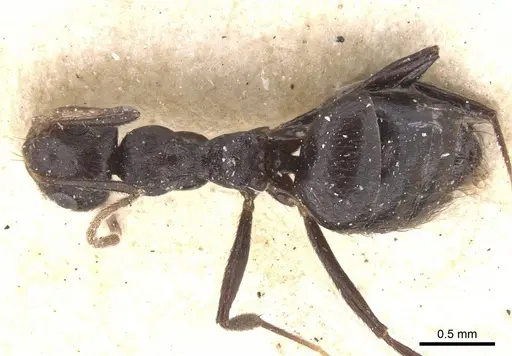
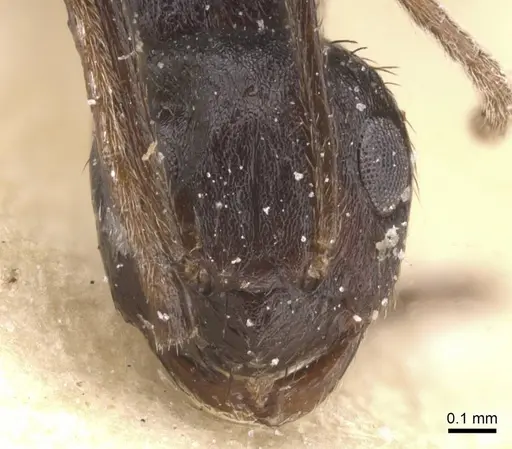
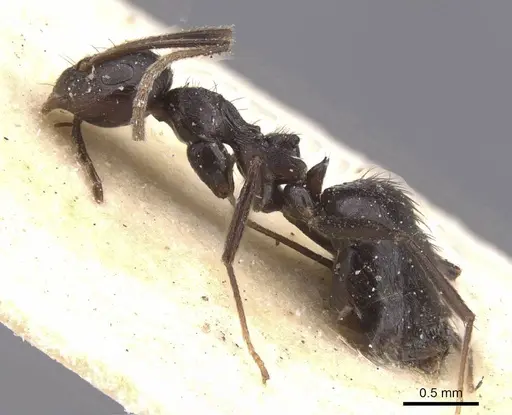
RMCAENT000017806
Visualizza su AntWeb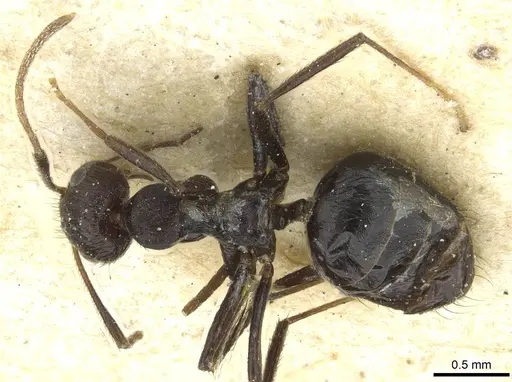
RMCAENT000017807
Visualizza su AntWeb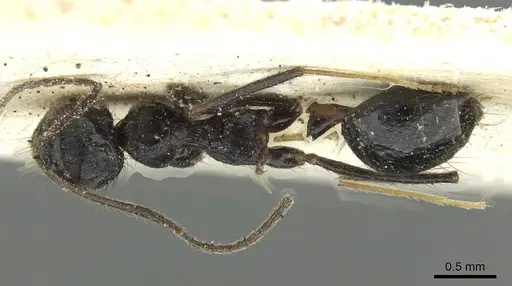
Letteratura
Caricamento mappa di distribuzione...Caricamento prodotti...