
Lasius viehmeyeri
- Nom. sci.
- Lasius viehmeyeri
- Tribù
- Lasiini
- Sottofamiglia
- Formicinae
- Autore
- Emery, 1922
- Distribuzione
- Trovata in 0 paesi
Introduzione
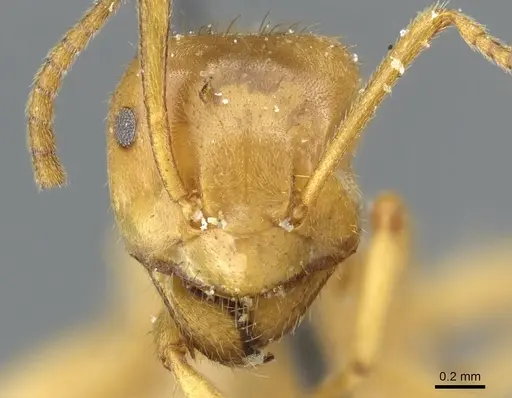
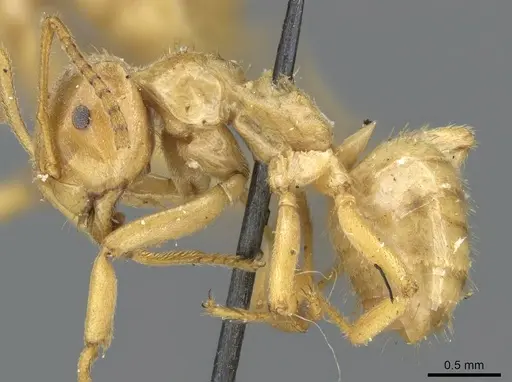
Lasius viehmeyeri is a pale yellow ant belonging to the umbratus group within the subgenus Chthonolasius. Workers are small, with size inferred from Lasius genus approximately 2-4 mm . The species is found in Albania, Croatia, Greece, Romania, and Serbia, typically in forested habitats at elevations of 800-1000 meters . It is known from only a few collections, making it one of the rarer Lasius species in Europe . This species is notable for its rarity and limited distribution, with most records from high-elevation forests in Greece and the Balkans .
Quick Summary
- Difficulty: Medium
- Origin & Habitat: Native to the Balkans and eastern Mediterranean: Albania, Croatia, Greece, Romania, and Serbia. Found in forested habitats at elevations of 800-1000 meters [2][6][7][5].
- Colony Type: Unconfirmed colony structure. No specific data on queen number or social structure [1].
- Size & Growth:
- Queen: Size data unavailable, inferred from Lasius genus ~3-5 mm
- Worker: Size data unavailable, inferred from Lasius genus ~2-4 mm
- Colony: Unknown, no data on maximum colony size
- Growth: Moderate, inferred from genus patterns
- Development: Estimated 6-10 weeks based on typical Lasius development (Development time is temperature-dependent.)
- Antkeeping:
- Temperature: Keep at 20-24°C. Provide a temperature gradient
- Humidity: Keep nest substrate consistently moist but not waterlogged
- Diapause: Yes, requires winter dormancy of 3-4 months at 5-10°C
- Nesting: Y-tong or plaster nests with moderate humidity
- Behavior: Generally docile and non-aggressive, typical of Lasius species. Escape risk is moderate.
- Common Issues: high humidity requirements, forest-dwelling species needs moist substrate to prevent desiccation., winter diapause is essential, colonies may fail without proper hibernation., rare species, limited availability may make it hard to acquire or replace colonies.
Nest Preferences
Lasius viehmeyeri naturally nests in soil under stones or in rotting wood in shaded, humid locations [1]. In captivity, use Y-tong or plaster nests to provide an enclosed, humid environment. Connect the nest to an outworld for foraging. Keep the nest substrate consistently moist but not saturated.
Feeding and Diet
Like other Lasius species, workers are omnivorous but prefer sugar sources. Offer sugar water or honey water constantly. For protein, provide small insects such as fruit flies or mealworms. Feed protein 2-3 times per week, adjusting based on colony size. [1]
Temperature and Seasonal Care
Maintain nest temperatures between 20-24°C. A heating cable can create a gentle gradient. During winter, provide diapause at 5-10°C for 3-4 months. Do not feed during hibernation but keep substrate slightly moist. [1]
Behavior and Colony Dynamics
Lasius viehmeyeri is docile with no significant defensive behavior. Workers are moderately active and establish foraging trails. Colony structure is typical with one queen and workers. Escape prevention is straightforward with Fluon barriers. [1]
Frequently Asked Questions
How long does it take for Lasius viehmeyeri to raise first workers?
Expect first workers approximately 6-10 weeks after queen lays eggs, depending on temperature. This timeline is estimated based on typical Lasius development.
Can I keep multiple Lasius viehmeyeri queens together?
This has not been documented for this species. Based on related Lasius behavior, single-queen colonies are most common. Combining queens is not recommended [1].
What do Lasius viehmeyeri eat?
They accept sugar water and small insects like fruit flies or mealworms [1].
Do Lasius viehmeyeri need hibernation?
Yes, as a temperate species from the Balkans, they require winter dormancy of 3-4 months at 5-10°C [2][3].
Is Lasius viehmeyeri good for beginners?
This species is rated Medium difficulty. It is rarely available and has specific humidity and hibernation requirements [1].
When should I move Lasius viehmeyeri to a formicarium?
Wait until the colony has at least 50-100 workers before transferring.
How big do Lasius viehmeyeri colonies get?
Maximum colony size is unknown due to rarity [1].
Why is Lasius viehmeyeri so hard to find?
This species is known from only a few collections in the Balkans and Greece, making it rare in the ant trade [4][3].
What temperature range is best for Lasius viehmeyeri?
Keep nest areas at 20-24°C with a gradient.
Report an Issue
The current care sheet is based fully on literature. See inconsistencies, or something that's incorrect? Please , it will be resolved after review from an admin. Contributing to the blogs tab also helps providing information, to make us be able to further improve the caresheets. Thank you for your support!
References

Questa scheda di allevamento è concessa in licenza con CC BY-SA 4.0 .
Blog della comunità
CASENT0905684
Visualizza su AntWeb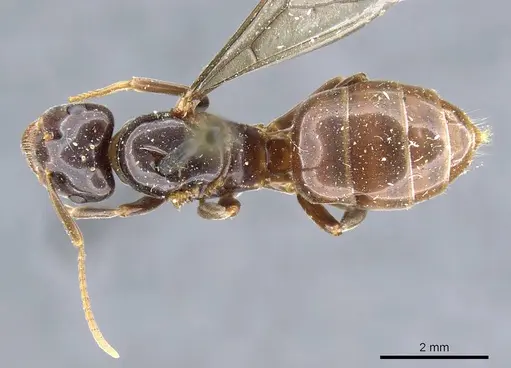
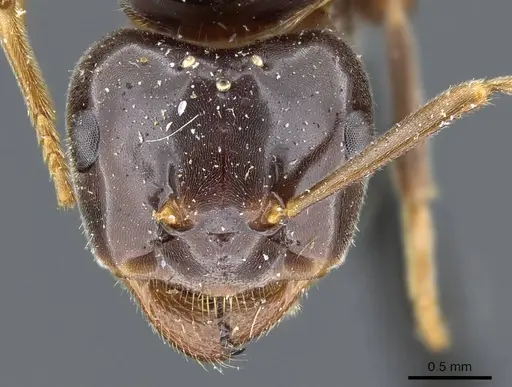
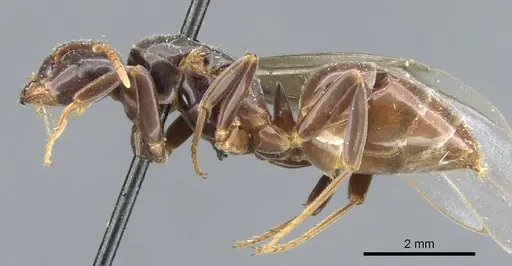
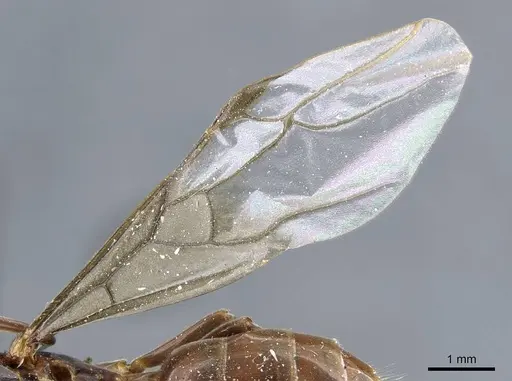
CASENT0905685
Visualizza su AntWeb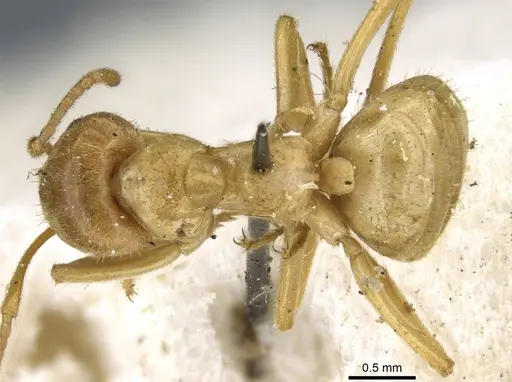
Letteratura
Caricamento mappa di distribuzione...Caricamento prodotti...