
Lasius nigrescens
- Nom. sci.
- Lasius nigrescens
- Tribù
- Lasiini
- Sottofamiglia
- Formicinae
- Autore
- Stitz, 1930
- Distribuzione
- Trovata in 0 paesi
Introduzione
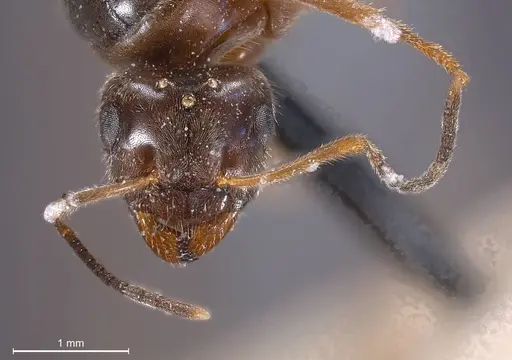
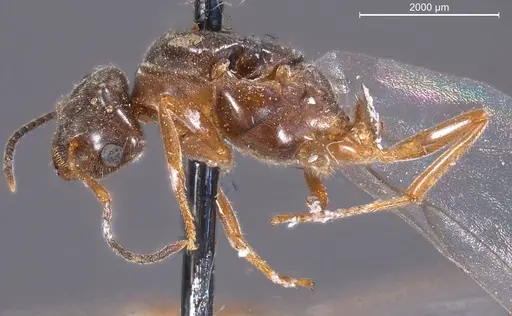
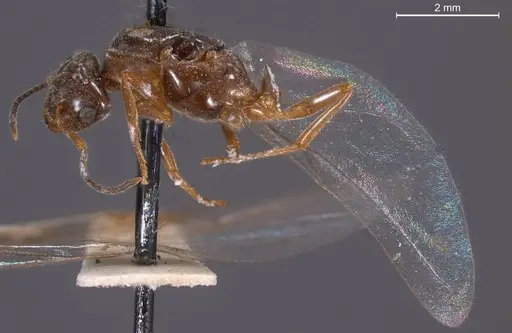
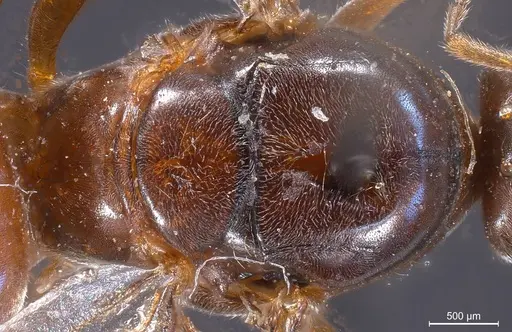
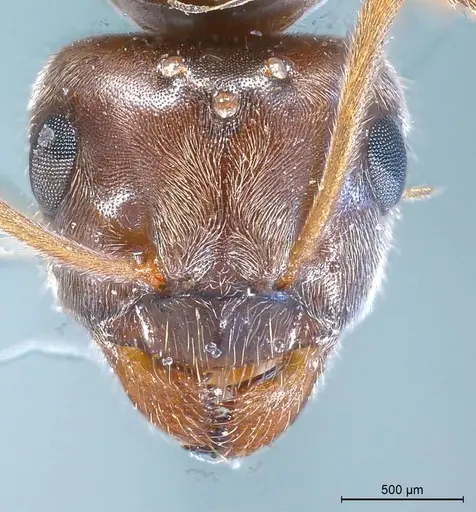
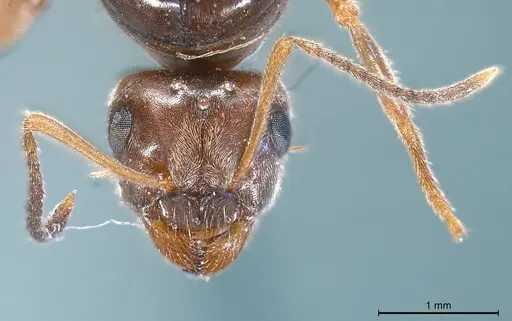
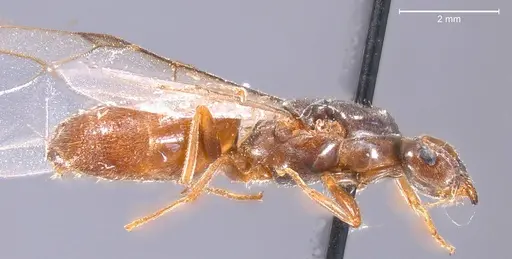
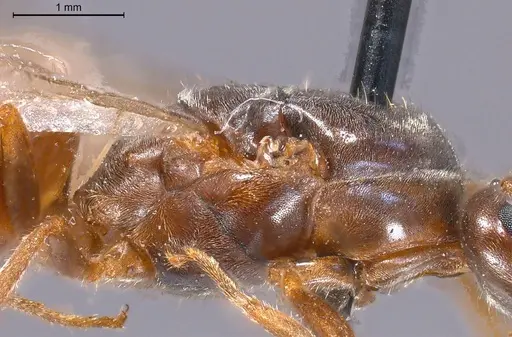
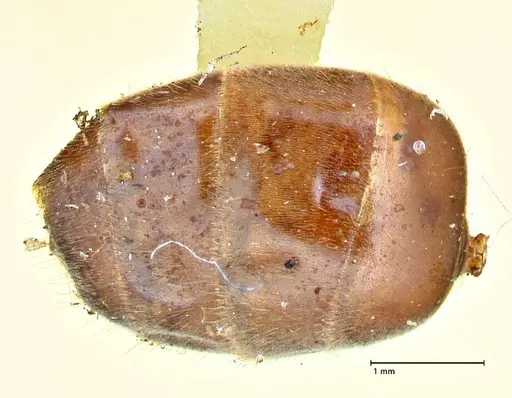
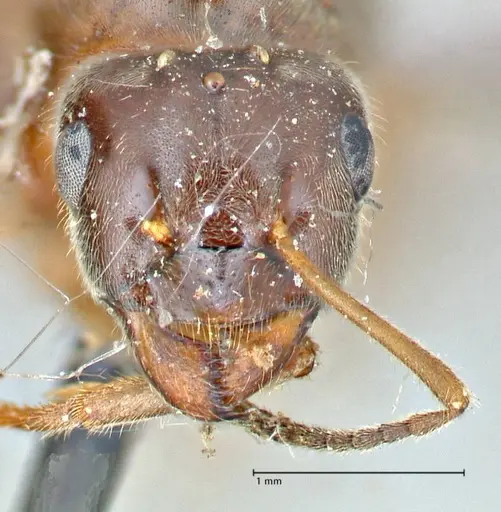
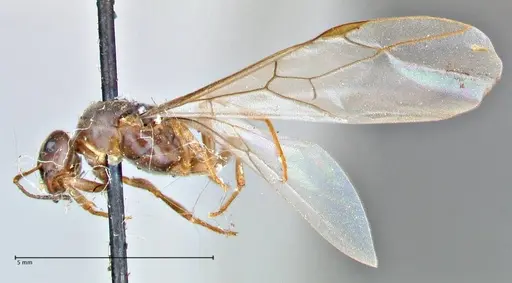
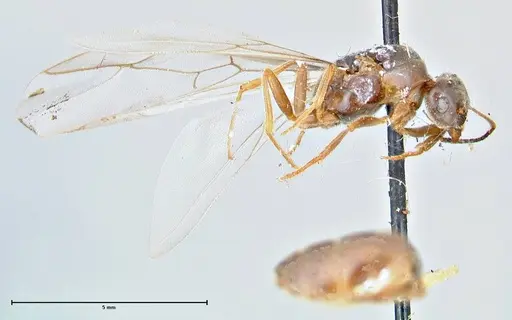
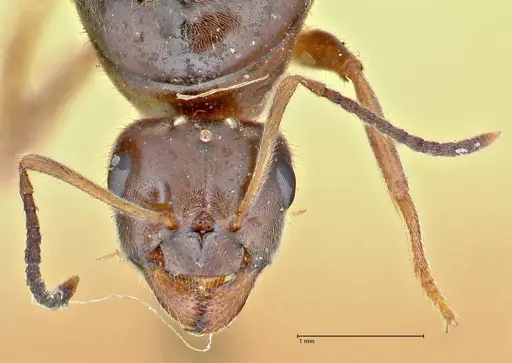
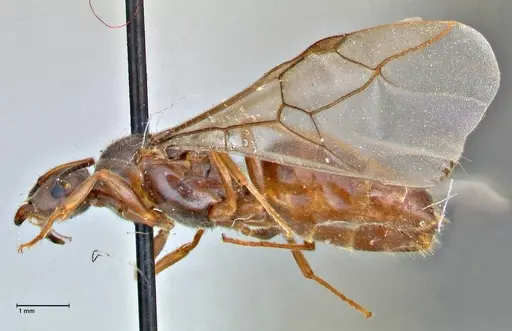
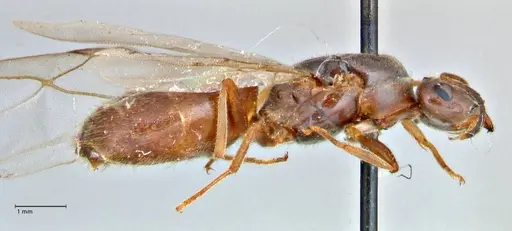
Lasius nigrescens is a rare Palaearctic ant species known only from high-altitude specimens collected in the West-Pamir mountains of Russia at approximately 3800 meters elevation. The species was originally described in 1930 as a variety of Lasius emarginatus, later synonymized with Lasius niger, and then revived as a distinct species by Seifert in 1992. Only the queen caste has been scientifically described - the workers remain unknown, making this species particularly challenging for antkeepers. Queens are dark brown with a slightly lighter gaster, characterized by extremely numerous long hairs on their antennae scapes and hind legs. The profuse pilosity and dark coloration distinguish them from close relatives like L. emarginatus .
Quick Summary
- Difficulty: Unknown
- Origin & Habitat: West-Pamir mountains in Russia, at 3800m elevation in the Palaearctic Region. This is a high-altitude, cool-climate species from Central Asia [1].
- Colony Type: Unknown, only queen specimens have been collected. Workers have never been described, so colony structure is unconfirmed.
- Size & Growth:
- Queen: ~7-9mm, inferred from Lasius genus queen size range [1].
- Worker: Unknown, workers have never been described [1].
- Colony: Unknown, no colony samples have been studied.
- Growth: Unknown, no development data exists.
- Development: Unknown, no direct observations exist. (High-altitude origin suggests slower development at cooler temperatures.)
- Antkeeping:
- Temperature: Keep cool, aim for 15-20°C. This is a high-altitude species from 3800m in the Pamir mountains, so it will not tolerate warm conditions [1].
- Humidity: Moderate humidity should work well. Lasius generally prefer substrate that is moist but not waterlogged. Provide a water tube as a drinking source.
- Diapause: Yes, high-altitude species will require a winter dormancy period. Keep at 5-10°C for 3-4 months during winter [1].
- Nesting: Use a test tube setup initially. Since workers are unknown, base nest recommendations on typical Lasius preferences, they do well in Y-tong nests or plaster nests with narrow chambers. Keep the nest area cool and stable.
- Behavior: Behavior is unconfirmed since workers have never been studied. Based on related Lasius species, expect typical Lasius behavior, moderate activity and non-aggressive toward humans. Escape prevention should be moderate, use standard barriers as a precaution since the exact worker size is unknown.
- Common Issues: this species is extremely rare in the antkeeping hobby and may not be available from suppliers, worker morphology is unknown so you cannot verify species identification, no captive breeding records exist, founding success rates are unknown, high-altitude origin means warm temperatures can kill colonies, limited information makes proper care challenging even for experienced keepers
Species Background and Identification
Lasius nigrescens was originally described in 1930 by Stitz from specimens collected in the West-Pamir mountains. This species was initially classified as a variety of Lasius emarginatus before being synonymized with Lasius niger by Wilson in 1955. Seifert revived it as a distinct species in 1992 based on morphological differences, particularly its darker coloration and significantly more numerous body hairs. The type series was collected at approximately 3800 meters elevation, making this a true high-altitude specialist. The most distinctive features of the queen include very numerous setae on the scape and hind tibia, profuse pilosity covering the body, and a dark brown coloration with a slightly lighter gaster. The worker caste remains unknown to science, though Seifert predicts they would have a long scape and numerous setae on the underside of the head and hind tibiae based on correlations between queen and worker morphology in Lasius [1].
Distribution and Habitat
This species is known only from the West-Pamir region of Russia, with type locality coordinates approximately 72.10° E and 38.42° N. The collection data indicates specimens were taken between July and September 1928 at 3800 meters elevation. This extreme altitude places the species in a cool, mountainous environment with likely significant seasonal temperature variations. The Pamir mountains feature harsh winters and relatively short summers, suggesting this species has adapted to cool conditions year-round. Unlike many Lasius species that are widespread and common, L. nigrescens appears to have a very restricted distribution limited to this high-altitude Central Asian region [1].
Current Scientific Knowledge
Lasius nigrescens is known only from the type series, meaning the entire scientific knowledge base comes from the original specimens collected in 1928. No additional field observations, ecological studies, or behavioral research has been conducted on this species since its original description. This creates a significant challenge for antkeepers because almost every aspect of their biology remains unknown: worker appearance, colony size, nesting habits, diet preferences, development timeline, and behavior. The queen measurements provide some morphological clues, but without workers, we cannot confirm any aspects of their captive care requirements. This species represents an opportunity for antkeepers to potentially contribute to scientific knowledge, but also carries significant risk since established care protocols do not exist [1].
Keeping Considerations
If you obtain a Lasius nigrescens queen, treat it as an experimental species and document everything. Start with standard Lasius founding care: a clean test tube with water reservoir, kept in a dark, cool location. Since this is a high-altitude species, keep temperatures on the cool side (15-20°C) and avoid any heating. The queen should be fed occasional small prey items during founding if she emerges to forage, though claustral Lasius queens typically seal themselves in and do not forage. Monitor for mold and ensure humidity is moderate but not excessive. Because workers have never been described, you will not be able to verify species identification once workers arrive, this is an inherent challenge with this species. Consider joining antkeeping communities to share any successful founding and development observations, as any captive records would be scientifically valuable [1].
Similar Species and Identification Challenges
Lasius nigrescens is most closely related to Lasius emarginatus, a more common and widespread European species. The key distinguishing features of L. nigrescens queens include darker overall coloration, significantly longer and more numerous body hairs, and a lower ratio of head length to mesosoma length compared to emarginatus. For antkeepers, extreme caution is needed when identifying stock, unless you have specimens examined by a myrmecologist, you cannot confirm you actually have L. nigrescens rather than a similar species like L. emarginatus or even L. niger. Many Lasius colonies sold as other species may actually be misidentified. This identification challenge is one of the reasons the species remains poorly understood in captivity [1].
Frequently Asked Questions
What do Lasius nigrescens ants look like?
Only the queen has been scientifically described. Queens are approximately 7-9mm in total length, dark brown with a slightly lighter gaster, and are characterized by extremely numerous long hairs on their antennae scapes and hind legs. The workers are unknown to science [1].
Where does Lasius nigrescens live in the wild?
This is a high-altitude species from the West-Pamir mountains in Russia, collected at approximately 3800 meters elevation. The region has a cool, mountainous climate with harsh winters [1].
How do I keep Lasius nigrescens ants?
Since this species has never been kept in captivity, no established protocols exist. Based on its high-altitude origin, keep it cool (15-20°C), provide moderate humidity, and use standard test tube founding setups. Document any observations as they would be scientifically valuable [1].
Do Lasius nigrescens queens need to hibernate?
Yes, based on its high-altitude Palaearctic origin, this species will require a winter dormancy period. Keep the colony at 5-10°C for 3-4 months during winter [1].
How long does it take for Lasius nigrescens to raise first workers?
Unknown, no development data exists for this species.
Can I buy Lasius nigrescens ants?
This is an extremely rare species in the antkeeping hobby. It is unlikely to be available from commercial suppliers, and any colonies sold under this name may be misidentified common species like Lasius emarginatus or L. niger [1].
What do Lasius nigrescens eat?
Unknown, no feeding observations exist. Based on genus patterns, they likely accept typical Lasius foods: sugar sources (honey, sugar water) and protein (small insects, mealworms).
Are Lasius nigrescens aggressive?
Behavior is unconfirmed since workers have never been studied. Based on related Lasius species, they are likely not aggressive toward keepers and pose no danger.
How big do Lasius nigrescens colonies get?
Unknown, no colony samples have ever been studied.
Is Lasius nigrescens a good species for beginners?
No, this is not recommended for beginners or even most experienced keepers. The species is virtually unknown in captivity, workers have never been described, and no established care protocols exist. The risk of keeping a misidentified species is very high [1].
Report an Issue
The current care sheet is based fully on literature. See inconsistencies, or something that's incorrect? Please , it will be resolved after review from an admin. Contributing to the blogs tab also helps providing information, to make us be able to further improve the caresheets. Thank you for your support!
References

Questa scheda di allevamento è concessa in licenza con CC BY-SA 4.0 .
Blog della comunità
ANTWEB1008433
Visualizza su AntWeb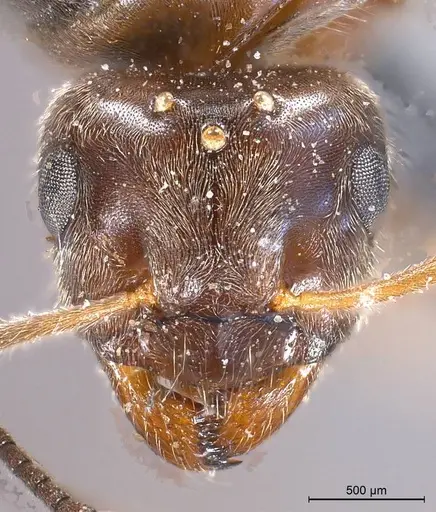
ANTWEB1008434
Visualizza su AntWeb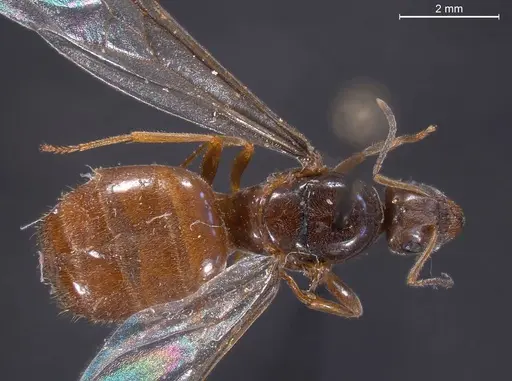
FOCOL2740
Visualizza su AntWeb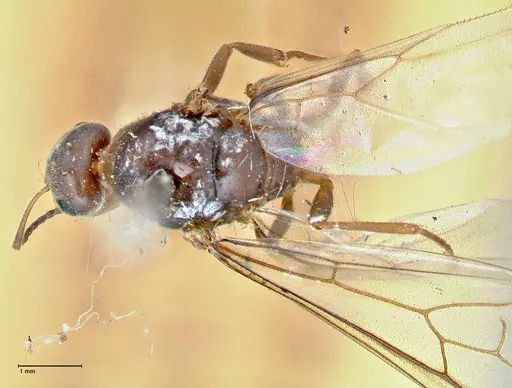
FOCOL2741
Visualizza su AntWeb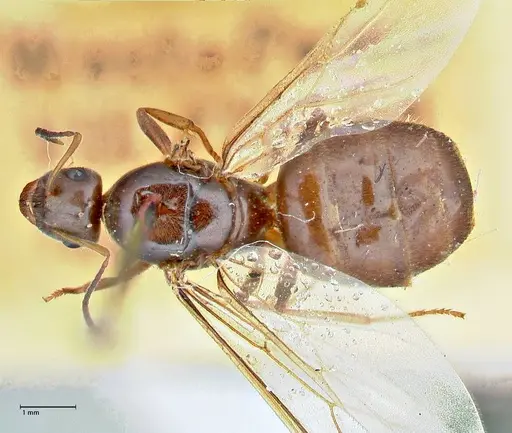
Letteratura
Caricamento mappa di distribuzione...Caricamento prodotti...