
Hypoponera butteli
- Nom. sci.
- Hypoponera butteli
- Tribù
- Ponerini
- Sottofamiglia
- Ponerinae
- Autore
- Forel, 1913
- Distribuzione
- Trovata in 0 paesi
Introduzione
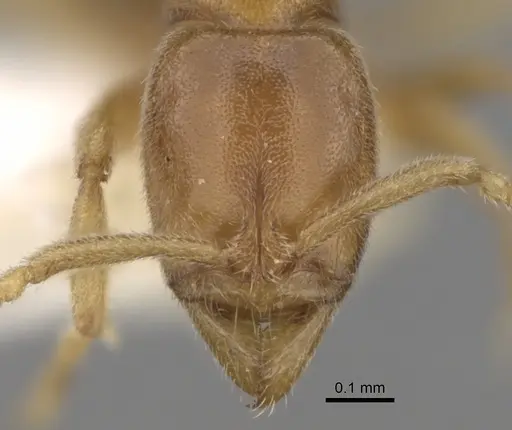
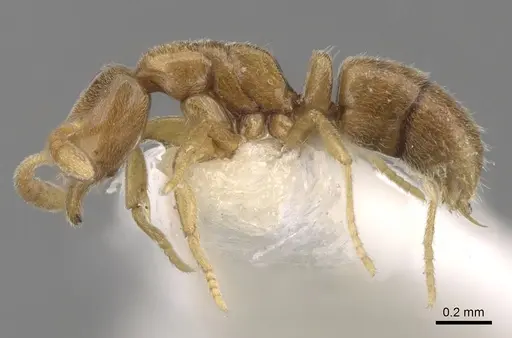
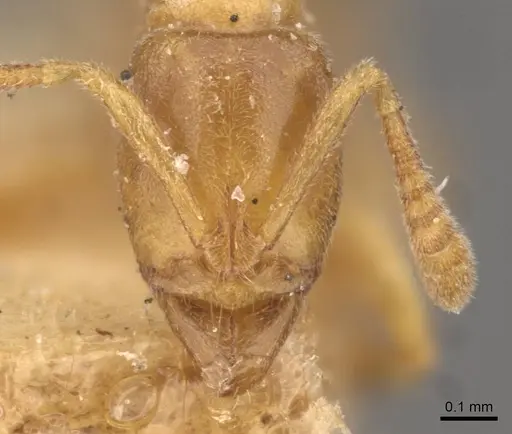
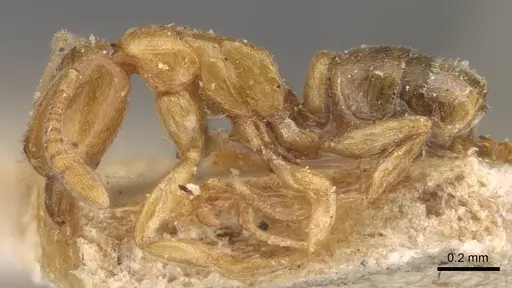
Hypoponera butteli is a small, cryptic ant species originally described from Sumatra, Indonesia. Workers are modest in size with the typical Ponerinae morphology including relatively large claws. This species belongs to the Ponerinae subfamily, which is known for having functional stingers. In the wild, Hypoponera butteli inhabits lowland dipterocarp forests in Southeast Asia, with documented records from Sumatra, Sulawesi, and Borneo . These ants are predatory like other Ponerines, hunting small invertebrates in the leaf litter and soil. Colonies tend to be smaller than many common ant species, reflecting their cryptic lifestyle in shaded forest floor microhabitats.
Quick Summary
- Difficulty: Medium
- Origin & Habitat: Southeast Asia, specifically Sumatra, Sulawesi, and Borneo. Found in lowland dipterocarp forest habitats [1]. This is a tropical rainforest environment with high humidity and stable warm temperatures year-round.
- Colony Type: Colony structure is not well documented in scientific literature. Based on genus patterns, likely single-queen (monogyne) colonies with potential ergatoid replacement reproductives, though this is not confirmed for this specific species.
- Size & Growth:
- Queen: size data unavailable, inferred from Hypoponera genus (~3.5-5mm)
- Worker: size data unavailable, inferred from Hypoponera genus (~2.5-4mm)
- Colony: Likely small colonies, size data unavailable
- Growth: Moderate, Ponerines typically develop more slowly than many Myrmicines
- Development: Estimated 6-10 weeks based on related Ponerinae species, not directly studied for this species (Development time is inferred from genus-level data. Ponerine ants generally have longer development than faster-growing genera like Pheidole.)
- Antkeeping:
- Temperature: Keep at 24-28°C. Tropical species require warm conditions. A heating cable on one side of the nest creates a suitable gradient.
- Humidity: High humidity is essential, these forest floor ants need 70-85% humidity. Keep the nest substrate consistently moist but not waterlogged. Mist occasionally and use a water reservoir.
- Diapause: No true diapause expected. As a tropical species, they do not require hibernation. Activity may slow slightly during cooler periods but no specialized winter care is needed.
- Nesting: Naturalistic setups work well, they prefer damp soil or rotting wood chambers. Y-tong nests with moist substrate or plaster nests with high humidity chambers are suitable. Avoid dry, airy setups.
- Behavior: Hypoponera butteli is a cryptic, slow-moving ant that forages primarily in leaf litter and soil. Like other Ponerines, they have a functional stinger and may use it defensively if handled roughly, though they are not aggressive toward keepers. They are predatory and will hunt small invertebrates. Escape risk is moderate, they are small but not particularly fast or agile. Excellent escape prevention is still recommended due to their small size.
- Common Issues: high humidity maintenance is critical, drying out kills colonies quickly, slow growth can frustrate beginners who expect rapid colony expansion, predatory diet means they need live prey, sugar alone is insufficient, small colony size makes them vulnerable to stress during moves, tropical species are sensitive to temperature drops below 22°C
Housing and Nest Setup
Hypoponera butteli does well in naturalistic setups that mimic their forest floor habitat. A Y-tong (AAC) nest with narrow chambers and moist substrate works well, as does a plaster nest with high humidity chambers. The key is maintaining consistently damp conditions without flooding. Avoid setups that dry out quickly, these ants are not drought-tolerant. A small outworld area allows for feeding. Because they are small and cryptic, ensure any connections between nest and outworld are appropriately sized to prevent escapes while allowing free movement.
Feeding and Diet
As a Ponerine ant, Hypoponera butteli is predatory and needs live food to thrive. Offer small live prey such as fruit flies, pinhead crickets, small mealworms, and other tiny invertebrates. They will likely accept protein-based commercial ant foods, but live prey should form the core of their diet. Sugar sources like honey or sugar water may be accepted occasionally but should not be relied upon as primary nutrition. Feed every 2-3 days, removing uneaten prey to prevent mold. A constant water source is essential.
Temperature and Humidity
This tropical species requires warm, humid conditions. Maintain temperatures between 24-28°C year-round. A slight temperature gradient allows the ants to regulate their own exposure. Use a heating cable placed on top of the nest if room temperature is below 24°C. Humidity should remain high at 70-85%, this is perhaps the most critical factor for success. The nest substrate should feel consistently moist to the touch. In dry environments, regular misting and a water reservoir in the nest help maintain adequate humidity. Monitor for condensation as an indicator of proper humidity levels.
Colony Care and Maintenance
Hypoponera butteli colonies will remain small compared to many common ant species. They are slow-moving and not particularly active outside the nest, which can make them seem less engaging than faster species. Be patient with growth, Ponerines develop more slowly than species like Pheidole or Tetramorium. Avoid disturbing the nest frequently, as this can stress the colony. Only move to a larger nest when the current one is clearly overcrowded. Watch for signs of stress such as workers clustering excessively or avoiding certain areas of the nest.
Frequently Asked Questions
How long does it take for Hypoponera butteli to produce first workers?
The timeline is not directly documented for this species. Based on related Ponerinae species, expect 6-10 weeks from egg to first worker at optimal temperature (around 26°C). Development is typically slower than many common ant genera.
What do Hypoponera butteli eat?
They are predatory and need live small invertebrates. Offer fruit flies, pinhead crickets, small mealworms, or similar prey. They may accept commercial protein foods but live prey is ideal. Occasional sugar water or honey may be taken.
Are Hypoponera butteli good for beginners?
They are considered intermediate difficulty. While not the hardest species, they require careful attention to humidity and temperature, and their slow growth and smaller colonies may not provide the immediate satisfaction that faster-growing species offer.
How big do Hypoponera butteli colonies get?
Colony size is not well documented. Based on genus patterns, they likely remain smaller than many common ant species.
Do Hypoponera butteli need hibernation?
No, as a tropical species from Southeast Asia, they do not require hibernation. Maintain warm temperatures year-round (24-28°C). Activity may slow slightly during cooler periods but no specialized winter care is needed.
Can I keep multiple Hypoponera butteli queens together?
This has not been documented for this species. Based on genus patterns, they likely form single-queen colonies. Combining unrelated queens is not recommended.
What is the best nest type for Hypoponera butteli?
Naturalistic setups or Y-tong nests with moist substrate work well. The critical factor is maintaining high humidity, ensure the nest material can hold moisture without drying out quickly. Plaster nests with water reservoirs are also suitable.
Report an Issue
The current care sheet is based fully on literature. See inconsistencies, or something that's incorrect? Please , it will be resolved after review from an admin. Contributing to the blogs tab also helps providing information, to make us be able to further improve the caresheets. Thank you for your support!
References

Questa scheda di allevamento è concessa in licenza con CC BY-SA 4.0 .
Blog della comunità
CASENT0281911
Visualizza su AntWeb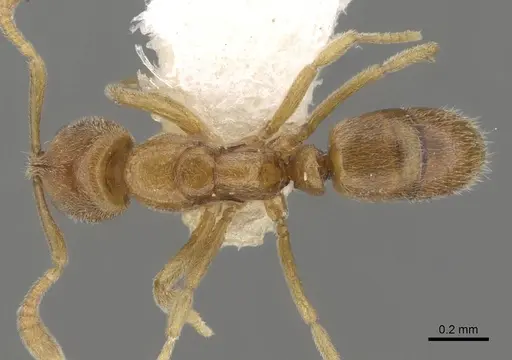
CASENT0907302
Visualizza su AntWeb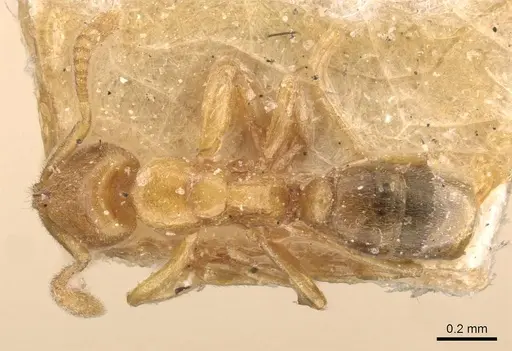
Letteratura
Caricamento mappa di distribuzione...Caricamento prodotti...