
Dorymyrmex hunti
- Nom. sci.
- Dorymyrmex hunti
- Tribù
- Leptomyrmecini
- Sottofamiglia
- Dolichoderinae
- Autore
- Snelling, 1975
- Distribuzione
- Trovata in 0 paesi
Introduzione
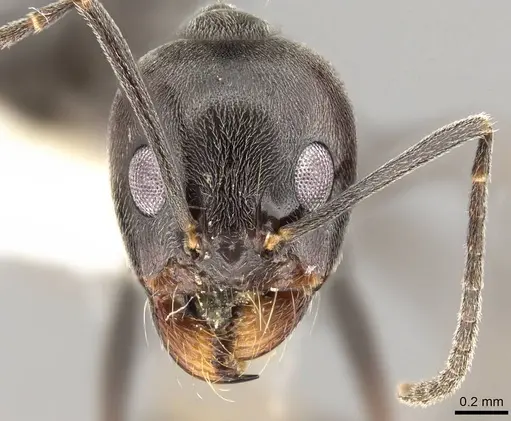
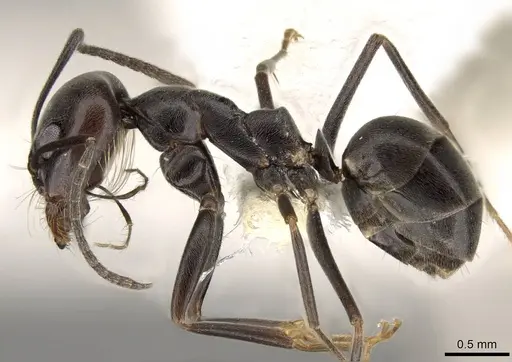
Dorymyrmex hunti is a medium-sized ant species native to Chile, belonging to the Dolichoderinae subfamily. Workers are characterized by their distinctive pyramid-shaped psammophore - a hairy structure under the head that helps them move through sand, giving them their common name. They have a dark reddish-brown to black coloration and are known for their aggressive foraging behavior and well-organized recruitment trails. This species is strictly found in Chile, making it a unique choice for antkeepers interested in keeping a Chilean-native species . Unlike many ants, they lack a functional sting and instead use chemical defense, secreting defensive compounds from a slit-like opening at the tip of the abdomen.
Quick Summary
- Difficulty: Medium
- Origin & Habitat: Chile, strictly Chilean species [1]. In the wild, they typically nest in sandy or disturbed soils in arid and semi-arid regions, often creating visible mounds with distinctive pyramid-like entrance structures.
- Colony Type: Colony structure is not well-studied. Based on typical Dorymyrmex patterns, likely single-queen colonies. Colonies can reach several thousand workers.
- Size & Growth:
- Queen: Size data unavailable, inferred from Dorymyrmex genus (~8-12mm)
- Worker: Size data unavailable, typical Dorymyrmex workers range 3-7mm
- Colony: Up to several thousand workers based on genus patterns
- Growth: Moderate
- Development: Estimated 6-10 weeks at optimal temperature based on related Dolichoderinae species (Development time is estimated from genus-level data since species-specific studies are not available)
- Antkeeping:
- Temperature: Keep at 24-28°C. A heating cable on one side of the nest creates a temperature gradient that allows the colony to self-regulate. Chilean species experience warm summers and cooler winters in their native range.
- Humidity: Low to moderate. These ants prefer drier conditions, keep the nest substrate slightly moist but allow it to dry between waterings. Avoid excessive humidity which can cause mold problems.
- Diapause: Yes, a winter dormancy period is recommended. Reduce temperature to 10-15°C for 2-3 months during the winter months, mimicking Southern Hemisphere seasonal patterns (June-August in the wild).
- Nesting: Y-tong (AAC) nests or plaster nests work well. They prefer tight chambers and narrow passages. A naturalistic setup with sandy substrate is also suitable since they naturally nest in soil.
- Behavior: Dorymyrmex hunti is an active forager with strong recruitment behavior, they form distinct trails to food sources. Workers are aggressive defenders and will readily attack threats. They lack a functional sting but can secrete defensive chemical compounds when threatened. Escape prevention should be good quality, while not tiny, they are active and will explore for gaps. They are primarily diurnal, foraging during the warmer parts of the day.
- Common Issues: colonies often fail if humidity stays too high, keep nesting area relatively dry, winter dormancy is essential, skipping hibernation weakens colonies over time, they can secrete defensive chemicals when handled, wash hands if exposed, wild-caught colonies may have parasites that can devastate captive colonies, they are aggressive and will defend the nest vigorously, use caution when servicing the formicarium
Housing and Nest Setup
Dorymyrmex hunti does well in Y-tong (AAC) nests or plaster nests with tight chambers scaled to their size. They prefer nesting conditions that are drier than many common ant species, aim for slightly moist substrate that can dry between waterings. A naturalistic setup with a sandy soil mix also works well since this mimics their natural nesting habitat. Provide a shallow water feeder and ensure the outworld has good ventilation to prevent mold. Because they are active foragers, give them enough space in the outworld to establish foraging trails.
Feeding and Diet
Like most Dorymyrmex species, these ants are omnivorous with a preference for protein. Offer small insects like fruit flies, pinhead crickets, or mealworms as a primary protein source. They will also accept sugar water, honey, or diluted honeydew. Feed protein 2-3 times per week and keep a sugar source available at all times. Remove uneaten prey after 24 hours to prevent mold. They are active hunters and will readily take down prey larger than individual workers through coordinated effort.
Temperature and Seasonal Care
Maintain temperatures of 24-28°C during the active season. A heating cable placed on one end of the nest creates a gradient that the colony will use to regulate their temperature. During the winter months (June-August, following Southern Hemisphere seasons), reduce temperatures to 10-15°C for a 2-3 month dormancy period. This hibernation is important for colony health and triggers reproductive behavior in the spring. Do not feed during deep hibernation but provide a small water source.
Behavior and Colony Dynamics
Dorymyrmex hunti exhibits classic pyramid ant behavior with active recruitment and well-organized foraging trails. Workers are highly territorial and will aggressively defend the nest. They lack a functional stinger, instead, they secrete defensive chemical compounds from a slit-like opening at the tip of the abdomen when threatened. These ants are not suitable for keepers who want to handle their colonies frequently. Colonies grow moderately fast once established, with the first workers (nanitics) typically emerging smaller than mature workers. The colony will expand in size over several years, eventually reaching several thousand workers.
Frequently Asked Questions
How long does it take for Dorymyrmex hunti to produce first workers?
First workers typically appear in 6-10 weeks after the queen lays eggs, assuming optimal temperature around 26°C. This is an estimate based on related Dolichoderinae species since species-specific development data is not available.
What temperature do Dorymyrmex hunti need?
Keep them at 24-28°C during the active season. A temperature gradient with a heating cable on one side of the nest allows the colony to regulate their own temperature.
Do Dorymyrmex hunti need hibernation?
Yes, a winter dormancy period is recommended. Reduce temperatures to 10-15°C for 2-3 months during winter, following Southern Hemisphere timing (June-August).
How big do Dorymyrmex hunti colonies get?
Mature colonies can reach several thousand workers over several years. This is based on typical Dorymyrmex colony sizes.
What do Dorymyrmex hunti eat?
They are omnivorous but prefer protein. Feed small insects like fruit flies, pinhead crickets, or mealworms. They also accept sugar water, honey, or honeydew. Provide protein 2-3 times per week and keep sugar available at all times.
Can I keep multiple Dorymyrmex hunti queens together?
This is not well-studied for this species. Based on typical Dorymyrmex patterns, they likely have single-queen colonies, but multi-queen behavior has not been confirmed for Dorymyrmex hunti specifically.
Are Dorymyrmex hunti good for beginners?
They are rated as medium difficulty. While not the hardest species, their aggressive behavior, chemical defense secretions, and specific temperature and hibernation requirements make them better suited for keepers with some antkeeping experience.
When should I move Dorymyrmex hunti to a formicarium?
Move them when the test tube setup becomes crowded, typically when the colony reaches 50-100 workers. Ensure the formicarium has appropriate humidity levels, drier than many species prefer.
Why is my Dorymyrmex hunti colony dying?
Common causes include excessive humidity (keep nesting area dry), skipping hibernation, temperatures outside their 24-28°C range, or parasites from wild-caught colonies. Review each of these factors and adjust accordingly.
Report an Issue
The current care sheet is based fully on literature. See inconsistencies, or something that's incorrect? Please , it will be resolved after review from an admin. Contributing to the blogs tab also helps providing information, to make us be able to further improve the caresheets. Thank you for your support!
References

Questa scheda di allevamento è concessa in licenza con CC BY-SA 4.0 .
Blog della comunità
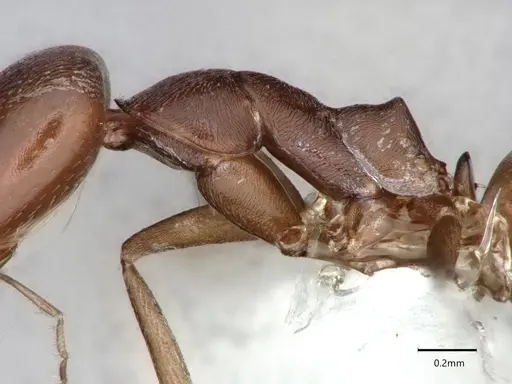
CASENT0841498
Visualizza su AntWeb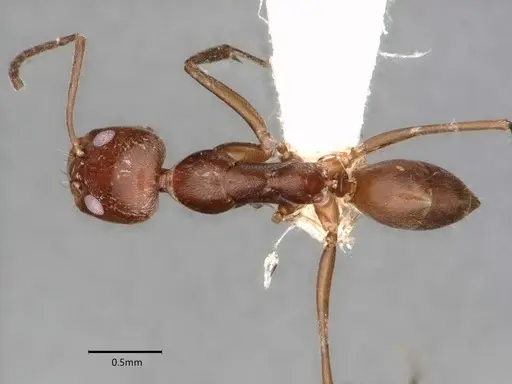
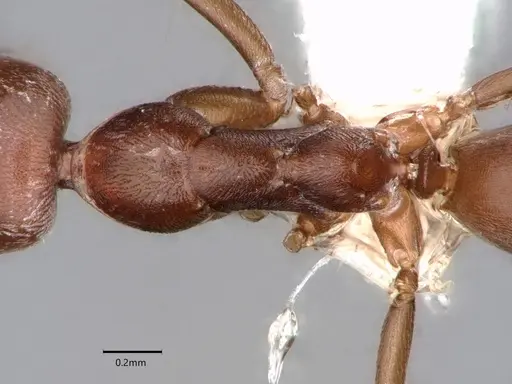
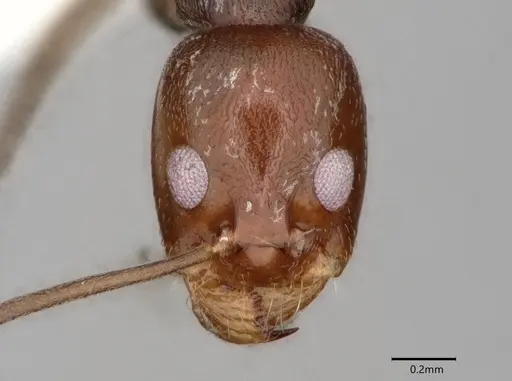
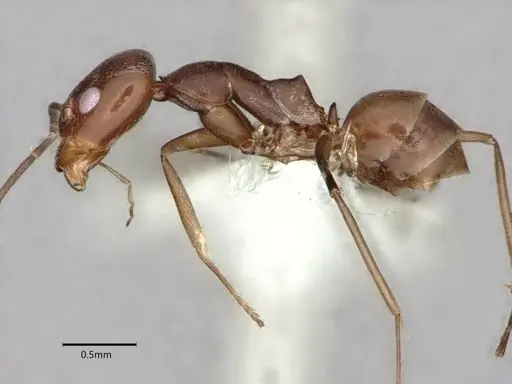
CASENT0911151
Visualizza su AntWeb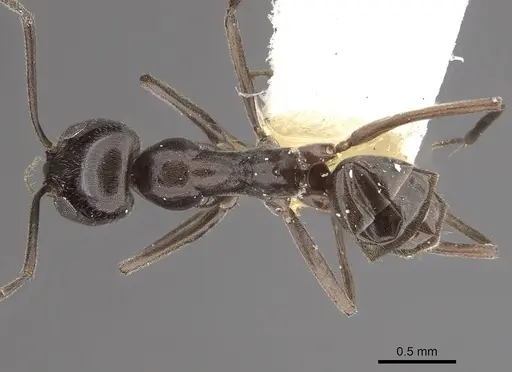
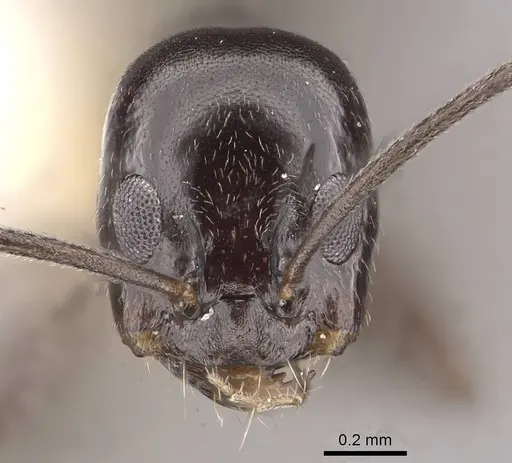
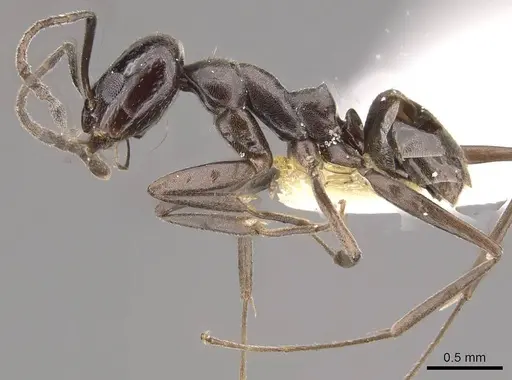
CASENT0914062
Visualizza su AntWeb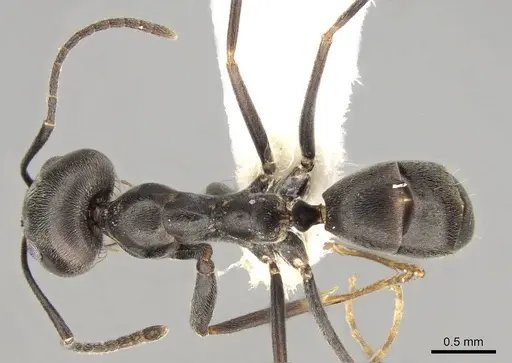
Letteratura
Caricamento mappa di distribuzione...Caricamento prodotti...