
Dorylus stanleyi
- Nom. sci.
- Dorylus stanleyi
- Sottofamiglia
- Dorylinae
- Autore
- Forel, 1909
- Distribuzione
- Trovata in 0 paesi
Introduzione
Dorylus stanleyi is an army ant species documented from the Democratic Republic of Congo, specifically from Haut-Katanga and Ituri provinces . The Dorylus genus contains some of Africa's most well-known army ants, characterized by their nomadic lifestyle, massive colony sizes that can reach millions of workers, and distinctive predatory foraging behavior where thousands of workers raid in columns across the forest floor [AntWiki]. This species inhabits central African rainforests and adjacent savanna regions.
Quick Summary
- Difficulty: Expert
- Origin & Habitat: Democratic Republic of Congo (Haut-Katanga and Ituri provinces) [1]. This species inhabits moist tropical forests and savanna regions where soil conditions support their subterranean foraging raids [2].
- Colony Type: Single-queen colonies with massive worker populations typical of the Dorylus genus. Colonies can reach several million workers in mature societies [2].
- Size & Growth:
- Queen: size data unavailable, Dorylus queens are among the largest of all ants, typically 30-50mm when physogastric [2]
- Worker: Polymorphic, minor workers 2-5mm, major workers 8-15mm [2]
- Colony: Can reach several million workers in mature colonies [2]
- Growth: Fast, army ant colonies grow rapidly once established due to massive egg production [2]
- Development: Approximately 4-6 weeks at tropical temperatures [2] (Development is temperature-dependent, exact timeline unconfirmed for this species)
- Antkeeping:
- Temperature: Keep at 24-28°C, tropical species requiring warm, stable conditions [2]
- Humidity: Maintain 70-85% humidity, army ants prefer moist environments [2]
- Diapause: Reduced activity during dry seasons rather than true hibernation, provide cooler period around 20-22°C during winter months [2]
- Nesting: Army ants do not build permanent nests, they form bivouacs from their own bodies. In captivity, they need large foraging areas with moist substrate. Test tubes work for founding colonies but massive space is needed as colonies grow [2].
- Behavior: Extremely aggressive predatory behavior, workers hunt in coordinated columns and can overwhelm prey many times their size. Workers have painful bites. Escape prevention is critical, these are large, fast ants that will readily escape if given any opportunity. They are primarily nocturnal or crepuscular foragers in the wild. Colony fragmentation can occur if the queen is disturbed, making them challenging to transport and house [2].
- Common Issues: Massive space requirements make army ants impractical for most keepers, colonies can reach millions of workers., Difficult to establish, wild-caught colonies often fail due to queen stress or improper conditions., Constant food demands, colonies require enormous quantities of prey insects., Escape risk is high due to their size and determination., Biting defense can cause significant discomfort, handle with extreme caution., Colony collapse if queen dies, the entire colony depends on the single physogastric queen.
Natural History and Distribution
Dorylus stanleyi is documented from the Democratic Republic of Congo, with records from Haut-Katanga and Ituri provinces [1]. The species was originally described in the early 20th century, with subsequent records spanning from 1909 to 2016. As a central African army ant, this species occupies moist tropical forest habitats and adjacent savanna regions. The Dorylus genus is known for its nomadic lifestyle, colonies move between bivouac sites every few weeks as food sources are depleted. Unlike some army ants that are strictly subterranean, Dorylus species often conduct visible surface raids during foraging expeditions [2].
Colony Structure and Social Organization
Dorylus colonies are organized around a single massive physogastric queen that can lay thousands of eggs per day. Worker castes are highly polymorphic, minor workers handle most tasks including brood care and food processing, while major workers (soldiers) have enlarged heads and powerful mandibles used for defense and capturing large prey. The colony operates as a coordinated superorganism, with workers communicating through chemical trails during raids. Each colony contains only one reproductive queen, making colony reproduction dependent on nuptial flights where alates (winged reproductives) disperse to found new colonies [2].
Foraging Behavior and Diet
Army ants are obligate predators that hunt in massive coordinated raids. Workers march in columns that can stretch for hundreds of meters, flushing insects and other arthropods from hiding. When prey is encountered, workers subdue it through sheer numbers, with each individual biting and pulling. Major workers with their powerful mandibles can tackle larger prey including centipedes, beetles, and even small vertebrates. The colony consumes enormous quantities of protein, a mature colony may require thousands of prey items daily. Unlike some ant species, army ants do not store food and rely on constant foraging [2].
Housing and Captive Care
Keeping Dorylus stanleyi in captivity presents significant challenges. Founding colonies can be started in test tubes with moist cotton, but the queen must be provided with a dark, quiet space to establish. Once workers emerge, the colony immediately needs access to a large foraging area, a small formicarium will be inadequate within months. Provide a deep layer of moist substrate (coco fiber or soil mix) for the bivouac area. Temperature should be maintained at 24-28°C with humidity around 75-85%. Feed massive quantities of live prey including crickets, mealworms, and other insects. The foraging area must have secure barriers, army ants are excellent climbers and will escape if any gap exists [2].
Reproduction and Nuptial Flights
Dorylus reproduction involves massive nuptial flights where thousands of alates (winged males and females) emerge from the colony simultaneously. Males are smaller than queens but have powerful wings for dispersal. After mating in flight, males die while fertilized queens land, shed their wings, and dig a founding chamber. The claustral queen seals herself inside and relies entirely on stored fat reserves to survive and raise the first brood of workers (nanitics). This founding process takes several months before the first workers emerge. In captivity, disturbing the queen during this critical period typically results in colony failure [2].
Seasonal Behavior and Overwintering
As a tropical species from central Africa, Dorylus stanleyi does not experience true hibernation. However, colony activity may decrease during drier periods when prey availability is lower. In captivity, maintain slightly cooler temperatures (around 20-22°C) during winter months while continuing to provide food, the colony will reduce activity but remain active. Avoid allowing temperatures to drop below 18°C as this can stress the colony. Humidity should remain high year-round as army ants are susceptible to desiccation [2].
Frequently Asked Questions
How long does it take for Dorylus stanleyi to produce first workers?
Based on typical Dorylus development, expect first workers (nanitics) approximately 4-6 weeks after eggs are laid at optimal temperature (around 26-28°C). The exact timeline is unconfirmed for this specific species [2].
Can I keep Dorylus stanleyi in a test tube setup?
Test tubes work for the initial founding stage, but only briefly. Once workers emerge (typically within 2-3 months), you must provide a large foraging area. A mature Dorylus colony can contain millions of workers and will quickly outgrow any small setup [2].
How big do Dorylus stanleyi colonies get?
Dorylus colonies are among the largest of any ant genus, mature colonies can reach several million workers. This species is not suitable for keepers who cannot provide substantial space [2].
What do Dorylus stanleyi eat?
They are obligate predators requiring live prey. Feed large quantities of insects including crickets, mealworms, roaches, and other arthropods. A mature colony may require hundreds of prey items per week [2].
Are Dorylus stanleyi good for beginners?
No. This species is not recommended for beginners. The massive space requirements, constant food demands, and aggressive biting defense make them suitable only for experienced antkeepers with significant resources [2].
Do Dorylus stanleyi need hibernation?
As a tropical species, they do not require true hibernation. Reduce feeding and maintain slightly cooler temperatures (around 20-22°C) during winter months, but keep them warm and active year-round [2].
Can I keep multiple Dorylus stanleyi queens together?
No. Dorylus colonies are strictly monogyne (single queen). Introducing multiple unrelated queens will result in fighting and colony death [2].
Why are my Dorylus stanleyi dying?
Common causes include: queen death (entire colony collapses), insufficient food (starvation), improper humidity (too dry), temperature stress (too cold), or escape. Wild-caught colonies often fail due to queen stress during transport [2].
When should I move Dorylus stanleyi to a formicarium?
Move to a larger setup immediately after workers emerge. The colony needs access to a spacious foraging area within weeks of the first workers, or growth will be stunted and the colony may become stressed [2].
How often should I feed Dorylus stanleyi?
Feed every 1-2 days with as much prey as the colony can consume within 24 hours. Mature colonies need large quantities of food constantly available. Remove uneaten prey to prevent mold [2].
Report an Issue
The current care sheet is based fully on literature. See inconsistencies, or something that's incorrect? Please , it will be resolved after review from an admin. Contributing to the blogs tab also helps providing information, to make us be able to further improve the caresheets. Thank you for your support!
References

Questa scheda di allevamento è concessa in licenza con CC BY-SA 4.0 .
Blog della comunità
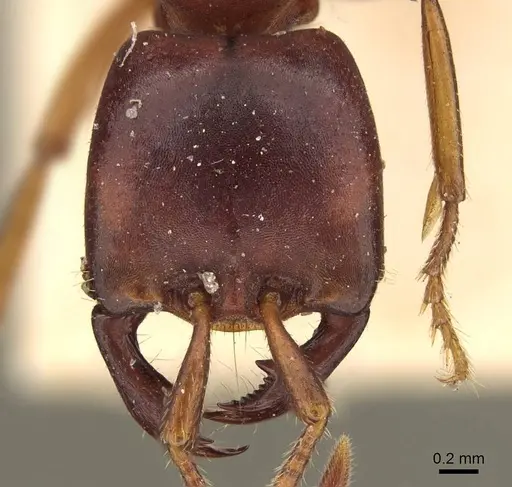
CASENT0905926
Visualizza su AntWeb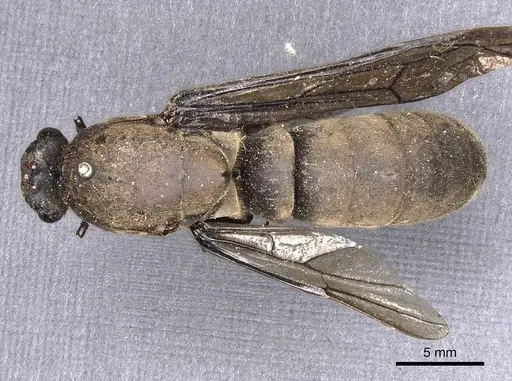
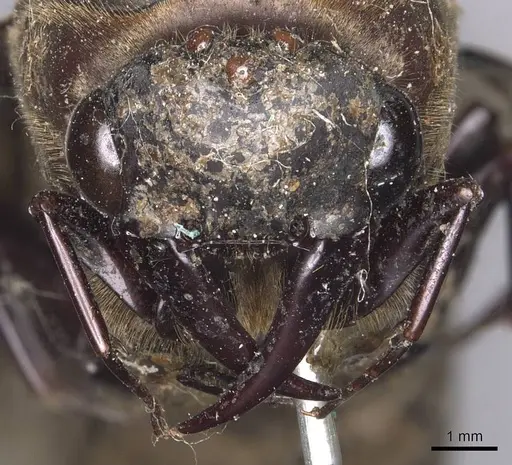
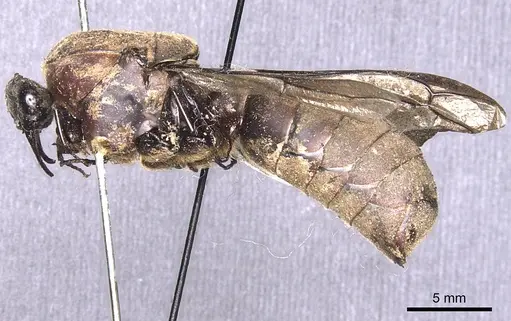
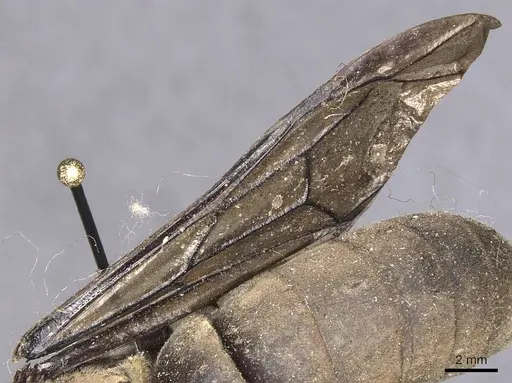
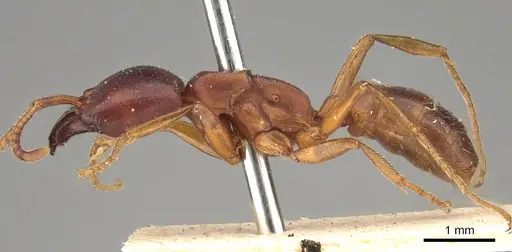
CASENT0914046
Visualizza su AntWeb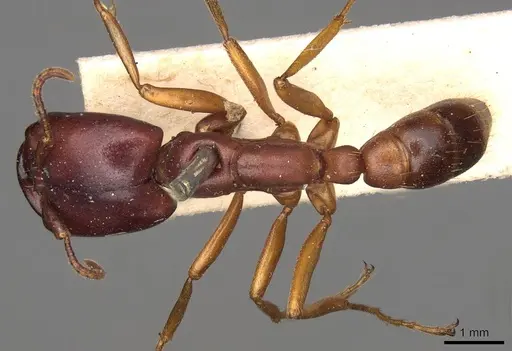
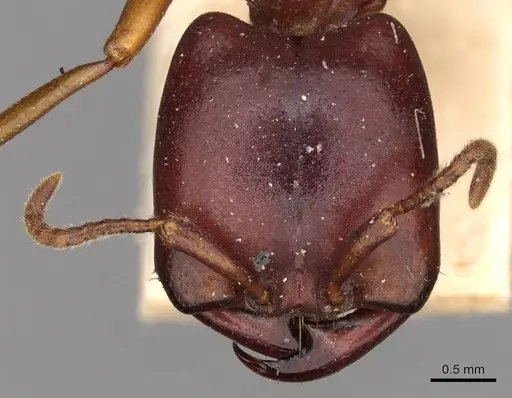
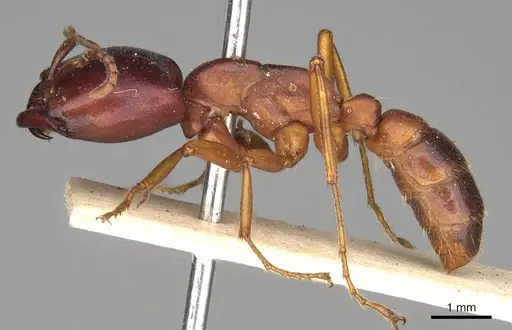
CASENT0914047
Visualizza su AntWeb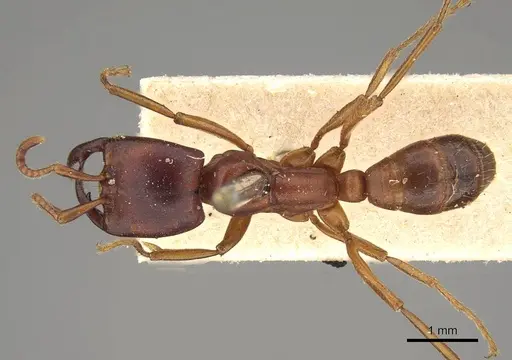
Letteratura
Caricamento mappa di distribuzione...Caricamento prodotti...