
Discothyrea stumperi
- Nom. sci.
- Discothyrea stumperi
- Tribù
- Proceratiini
- Sottofamiglia
- Proceratiinae
- Autore
- Baroni Urbani, 1977
- Distribuzione
- Trovata in 0 paesi
Introduzione
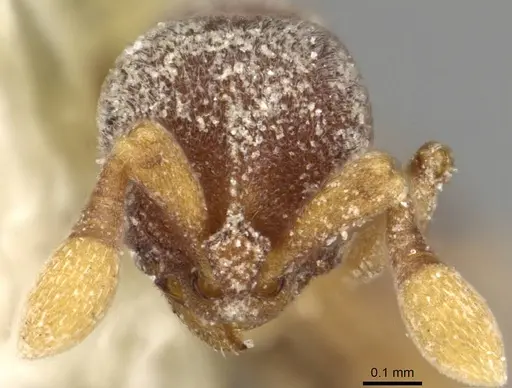
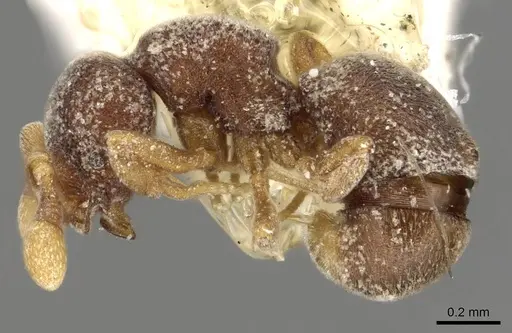
Discothyrea stumperi is an exceptionally tiny ant species, measuring just 1.5mm in total length . These ants belong to the subfamily Proceratiinae and are found in the Himalayan region of Bhutan and northeastern India (Assam and Sikkim) . The species was first described in 1977 from Kharbandi Forest in Bhutan at an elevation of around 400 meters [AntWiki]. Like other Discothyrea species, they have a distinctive appearance with a relatively long head and compact body. This is one of the few Discothyrea species reported from the Indian subcontinent, making it an interesting choice for antkeepers interested in rare Asian species.
Quick Summary
- Difficulty: Medium
- Origin & Habitat: Native to Bhutan and northeastern India (Assam, Sikkim) [2][3]. Found in subtropical forest environments at elevations ranging from 400m to over 1000m [4][5]. The type locality in Bhutan is Kharbandi Forest near Phuntholing, with Sikkim populations recorded around 1040m elevation [5].
- Colony Type: Colony structure is not directly documented. Based on typical Discothyrea patterns, likely single-queen colonies with relatively small worker populations.
- Size & Growth:
- Queen: Approximately 1.5mm, inferred from worker size as queen measurements are unavailable [1]
- Worker: 1.5mm total length [1]
- Colony: Likely small colonies, under 100 workers based on tiny worker size and typical genus patterns
- Growth: Unknown, likely moderate based on small colony size
- Development: Estimated 6-8 weeks based on related Proceratiinae species (Direct development data not available for this species. Estimates based on genus-level patterns.)
- Antkeeping:
- Temperature: Keep at room temperature, roughly 20-24°C. The Sikkim population at 1040m elevation suggests they can tolerate cooler conditions than typical tropical ants [5].
- Humidity: Moderate to high humidity preferred. These ants come from forest environments in the Himalayan foothills, so aim for 60-80% humidity with consistently moist nest substrate.
- Diapause: Unconfirmed. Given the Himalayan distribution, a cool period during winter months may be beneficial, but specific requirements are unknown.
- Nesting: Based on typical Discothyrea behavior, they likely nest in soil, leaf litter, or under stones in nature. In captivity, a small test tube setup or Y-tong nest with fine chambers works well. The tiny size means chambers should be appropriately scaled.
- Behavior: These are tiny, cryptic ants with a generally peaceful temperament. They are likely predatory on small micro-arthropods like springtails and mites, typical of the Proceratiinae subfamily. Workers are small enough to pose minimal escape risk in terms of strength, but their tiny size means they can slip through small gaps, use fine mesh barriers. They are not aggressive and unlikely to sting humans.
- Common Issues: tiny size makes escape prevention critical, they can squeeze through standard test tube cotton if not properly sealed, slow colony growth can test keeper patience, wild-caught colonies may carry parasites that affect survival in captivity, limited available information means keepers must rely on genus-level care assumptions, overheating or drying out is likely fatal given their forest floor habitat
Housing and Nest Setup
Given their tiny 1.5mm size, Discothyrea stumperi requires appropriately scaled housing. A small test tube setup works well for founding colonies, use a test tube with a small water reservoir and secure cotton plug. The tiny workers can squeeze through standard cotton, so consider using a small piece of cotton wool or foam that has been compressed tightly. For established colonies, a Y-tong nest with very small chambers or a small plaster nest with fine tunnels works best. The nest should have a water reservoir to maintain humidity. Because they are so small, even small gaps in commercial formicaria can be escape points, inspect all connections and use fine mesh for any ventilation openings. [1]
Feeding and Diet
Discothyrea species are predatory, feeding primarily on small micro-arthropods like springtails, mites, and other tiny invertebrates. In captivity, you should offer live small prey such as springtails, fruit flies, and other tiny insects. Because of their minute size, even small crickets or mealworms are too large, focus on the smallest live prey you can source. Sugar sources may be accepted occasionally, but protein from small prey should form the bulk of their diet. Feed small prey items every few days, removing any uneaten prey after 24 hours to prevent mold. The tiny workers will likely need to dismember prey into smaller pieces.
Temperature and Humidity
Keep the nest at room temperature, ideally around 20-24°C. The Sikkim population at 1040m elevation suggests they can tolerate slightly cooler conditions than typical lowland tropical ants [5]. Avoid temperatures above 28°C as this can stress the colony. For humidity, aim for 60-80% relative humidity within the nest. The substrate should remain consistently moist but not waterlogged. Mist the outworld occasionally and ensure the test tube or nest has access to a water reservoir. Good ventilation is important to prevent mold while maintaining humidity, avoid completely sealed setups.
Colony Development
Little is known about the specific development timeline of Discothyrea stumperi. Based on related species in the genus, expect the queen to lay eggs within a few weeks of mating. The first workers will likely emerge 6-8 weeks after egg-laying, though this is an estimate based on genus patterns rather than specific data for this species. Initial colonies will grow slowly, these are naturally small colony species. Be patient with founding colonies and avoid disturbing them unnecessarily. The queen may seal herself into a founding chamber during claustral founding, which is typical for Proceratiinae ants.
Handling and Temperament
Discothyrea stumperi is a peaceful, non-aggressive species. Workers are too small to sting humans effectively, and they are not known to bite. They are cryptic by nature, spending much of their time hidden within the nest or foraging quietly in the outworld. When disturbed, they may retreat into the nest rather than engage in defensive behavior. This makes them suitable for observation but less exciting for those wanting active, visible ants. They are best appreciated through close observation of their tiny workers going about their daily activities.
Frequently Asked Questions
How long does it take for Discothyrea stumperi to produce first workers?
The exact timeline is unconfirmed for this species, but based on related Discothyrea species, expect 6-8 weeks from egg to first worker at optimal temperature (around 20-24°C).
What do Discothyrea stumperi ants eat?
They are predatory ants that accept small live prey. Feed them springtails, fruit flies, and other tiny micro-arthropods. Prey items should be appropriately sized for their 1.5mm workers.
Are Discothyrea stumperi ants good for beginners?
They are considered medium difficulty. While peaceful and small, their tiny size requires careful attention to escape prevention, and limited species-specific information means keepers may need to rely on genus-level care assumptions.
Do Discothyrea stumperi ants sting?
They are not known to sting humans effectively. Their tiny size and peaceful temperament make them safe to handle, though they will retreat when disturbed.
What temperature do Discothyrea stumperi ants need?
Keep them at room temperature, around 20-24°C. The Himalayan distribution suggests they can tolerate cooler conditions than typical tropical ants.
How big do Discothyrea stumperi colonies get?
Based on their tiny 1.5mm worker size and typical genus patterns, colonies likely remain small, probably under 100 workers at maturity.
Can I keep multiple Discothyrea stumperi queens together?
Colony structure is unconfirmed for this species. Combining unrelated queens is not recommended as it has not been documented and could result in aggression.
Do Discothyrea stumperi ants need hibernation?
Diapause requirements are unconfirmed. Given their Himalayan distribution, a cool period during winter may be beneficial, but specific requirements have not been documented.
What size nest do Discothyrea stumperi ants need?
Use a small test tube for founding colonies, scaling up to a small Y-tong or plaster nest as the colony grows. Chambers and passages must be appropriately sized for their tiny 1.5mm workers.
Why are my Discothyrea stumperi ants dying?
Common issues include escape through tiny gaps (use fine mesh), drying out (keep substrate moist), overheating (avoid temperatures above 28°C), and stress from disturbance during founding. Wild-caught colonies may also carry parasites.
Report an Issue
The current care sheet is based fully on literature. See inconsistencies, or something that's incorrect? Please , it will be resolved after review from an admin. Contributing to the blogs tab also helps providing information, to make us be able to further improve the caresheets. Thank you for your support!
References

Questa scheda di allevamento è concessa in licenza con CC BY-SA 4.0 .
Blog della comunità
CASENT0915309
Visualizza su AntWeb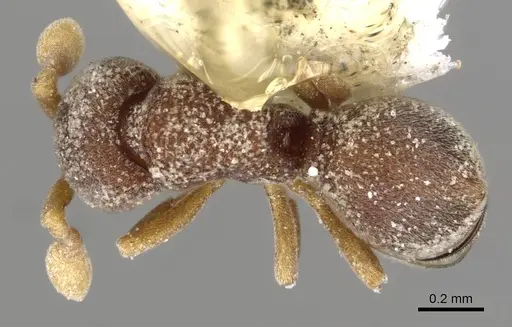
Letteratura
Caricamento mappa di distribuzione...Caricamento prodotti...