
Diacamma jaitrongi
- Nom. sci.
- Diacamma jaitrongi
- Tribù
- Ponerini
- Sottofamiglia
- Ponerinae
- Autore
- Zettel <i>et al.</i>, 2016
- Distribuzione
- Trovata in 0 paesi
Introduzione
Diacamma jaitrongi is a medium-sized Ponerine ant native to northern Thailand. Workers measure 10.6-11.5mm in total length, with a black, weakly shiny body covered in abundant erect setae. The head is moderately long with strongly convex sides, and the body shows distinctive striation patterns - the trunk is strongly striate from the genae to the first gaster segment, while the gaster has coarse semi-circular striation. This species is only known from the Fang District in Chiang Mai Province . Like other Diacamma species, this ant has a unique social structure where reproduction is handled by gamergates - workers that can become reproductive and lay eggs. This is a genus-level trait where colonies do not depend on a traditional winged queen. Like all Ponerines, they are active predators with a potent sting, hunting small invertebrates in their natural habitat.
Quick Summary
- Difficulty: Medium
- Origin & Habitat: Northern Thailand (Chiang Mai Province, Fang District), based on type locality data [1]. Likely tropical forest habitat, though specific nesting details are unavailable.
- Colony Type: Queenless, no distinct queen caste, reproduction by gamergates (reproductive workers).
- Queen Status: Queenless Colony
- Size & Growth:
- Queen: Queenless species, reproduction by gamergate (reproductive worker) instead of a distinct queen caste.
- Worker: 10.6-11.5mm total length [1]
- Colony: Up to 500 workers (estimated based on genus patterns)
- Growth: Moderate
- Development: Approximately 8-12 weeks at optimal temperature, based on typical Ponerine development patterns. No specific data available for this species. (Ponerine ants generally have longer development times than many common hobby species.)
- Antkeeping:
- Temperature: 24-28°C, being a tropical species from Thailand, they likely need warm conditions. A heating cable on one side of the nest creates an ideal gradient.
- Humidity: High humidity, aim for 70-80%. Keep the nest substrate consistently moist but not waterlogged.
- Diapause: No, as a tropical species from low latitudes, they do not require hibernation. Keep temperatures stable year-round.
- Nesting: Ponerine ants like Diacamma prefer dark, humid nests. Y-tong (AAC) nests or plaster nests with good moisture retention work well. Provide a naturalistic option with soil or a test tube setup with a water reservoir.
- Behavior: Diacamma jaitrongi is an active, predatory ant with a potent sting. Workers are aggressive hunters, pursuing small invertebrates. They may be active at various times. Escape prevention is important, while not tiny, they are agile and can climb smooth surfaces. They will defend the colony vigorously if threatened. Unlike many ants, they are true predators rather than relying heavily on honeydew.
- Common Issues: colonies may fail if temperatures drop below 22°C, keep them warm, their potent sting makes them unsuitable for handling, observe from a distance, slow development compared to common hobby species may frustrate beginners, gamergate system means colony health depends on having reproductive workers, monitor for their presence, high humidity requirements can lead to mold if ventilation is poor
Housing and Nest Setup
Diacamma jaitrongi does well in setups that replicate their natural dark, humid nesting conditions. Y-tong (AAC) nests work well as they provide darkness, humidity retention, and easy observation. Plaster nests or grout nests are also suitable options. If using a test tube setup, ensure the water reservoir is adequate but not excessive to prevent flooding. Provide a foraging area that allows for hunting behavior. Because they are active predators, ensure the foraging area is spacious enough for them to hunt and chase prey. Escape prevention is important, apply Fluon or similar barriers to the rim of the outworld. [1]
Feeding and Diet
As Ponerine ants, Diacamma jaitrongi are primarily predatory and need a protein-rich diet. Offer small live prey such as fruit flies, pinhead crickets, small mealworms, and other appropriately sized invertebrates. They will readily accept dead prey as well, but live prey encourages natural hunting behavior. Unlike many ants that rely heavily on sugar sources, Ponerines like Diacamma get most of their energy from protein. You can offer occasional sugar water or honey, but do not make it a staple. Feed every 2-3 days, adjusting based on colony size and consumption. Remove uneaten prey after 24 hours to prevent mold.
Temperature and Heating
Being a tropical species from northern Thailand, Diacamma jaitrongi likely requires warm temperatures between 24-28°C. Temperatures below 22°C can slow development and weaken the colony. Use a heating cable or heating mat placed on one side of the nest to create a temperature gradient, allowing the ants to self-regulate by moving between warmer and cooler areas. Never place heating directly under water reservoirs as it can cause excessive condensation. Room temperature may be sufficient if your home stays in the 24-26°C range, otherwise provide supplemental heating. Maintain temperatures year-round as they do not require a diapause period. [1]
Humidity and Water
Diacamma jaitrongi requires high humidity, ideally 70-80%. Keep the nest substrate consistently moist but avoid waterlogging. Check moisture levels every few days and add water as needed rather than on a fixed schedule. A water tube or reservoir in the foraging area provides constant drinking water. Good ventilation is essential to prevent mold while maintaining humidity, aim for adequate airflow without creating drafts. The nest material should feel damp to the touch but not drip with water.
Understanding the Gamergate System
Unlike most ant species where a single queen lays all the eggs, Diacamma jaitrongi reproduces through gamergates, workers that have developed the ability to lay eggs. This is a social structure where the colony is not dependent on a winged queen. When establishing a colony, you may receive a group of workers with one or more gamergates rather than a traditional queen. The gamergate is typically recognizable by her larger size and more robust abdomen. If your gamergate dies, another worker may eventually take her place, though this process can take time. Do not confuse the absence of a visible 'queen' with a colony being queenless, the gamergate serves the same function.
Behavior and Defense
Diacamma jaitrongi is an aggressive, active hunter with a potent sting. Workers will readily attack perceived threats and can deliver a painful sting if handled or provoked. They may show activity at any time. When hunting, they use their mandibles to capture prey and may use their sting as well. In the colony, they maintain clear pathways and are generally organized. They do not exhibit extreme territorial behavior outside the nest but will defend vigorously against intruders. For antkeepers, this means minimal handling is recommended, observe their fascinating behavior through the nest glass rather than interacting directly.
Frequently Asked Questions
How long does it take for Diacamma jaitrongi to produce first workers?
Expect approximately 8-12 weeks from egg to worker at optimal temperature (24-28°C). Ponerine ants like Diacamma develop more slowly than many common hobby species like Lasius or Tetramorium.
Do Diacamma jaitrongi need a queen?
No, this species reproduces through gamergates (reproductive workers) rather than a traditional winged queen. When you acquire a colony, it will contain workers and one or more gamergates that handle reproduction.
What do Diacamma jaitrongi eat?
They are predatory ants that need protein-rich foods. Feed small live prey like fruit flies, pinhead crickets, and small mealworms. They can accept dead prey but live prey encourages natural hunting behavior. Occasional sugar water is acceptable but should not be a staple.
What temperature do Diacamma jaitrongi need?
Keep them warm at 24-28°C. They are tropical ants from Thailand and do not tolerate cool temperatures well. Below 22°C can slow development and harm the colony.
Do Diacamma jaitrongi need hibernation?
No, as a tropical species from Thailand, they do not require hibernation or diapause. Maintain warm temperatures year-round.
How big do Diacamma jaitrongi colonies get?
Based on genus patterns, expect colonies to reach up to several hundred workers (estimated up to 500). Growth is moderate, not as fast as many Myrmicines.
Are Diacamma jaitrongi good for beginners?
They are rated as medium difficulty. While fascinating, they require specific conditions (warmth, high humidity, protein diet) and have a potent sting. They are better suited for keepers with some experience who can maintain consistent temperature and humidity.
What type of nest is best for Diacamma jaitrongi?
Y-tong (AAC) nests or plaster nests work well as they provide darkness and humidity retention. They need consistently moist substrate and dark conditions. Test tubes can work but monitor moisture carefully.
Why is my Diacamma jaitrongi colony declining?
Common causes include: temperatures below 22°C, insufficient protein in diet, low humidity, or the loss of gamergates. Check all parameters and ensure you're offering adequate live prey. Ponerine colonies can be sensitive to environmental changes.
Report an Issue
The current care sheet is based fully on literature. See inconsistencies, or something that's incorrect? Please , it will be resolved after review from an admin. Contributing to the blogs tab also helps providing information, to make us be able to further improve the caresheets. Thank you for your support!
References

Questa scheda di allevamento è concessa in licenza con CC BY-SA 4.0 .
Blog della comunità
CASENT0916090
Visualizza su AntWeb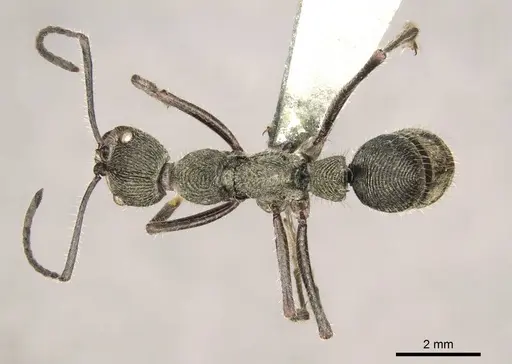
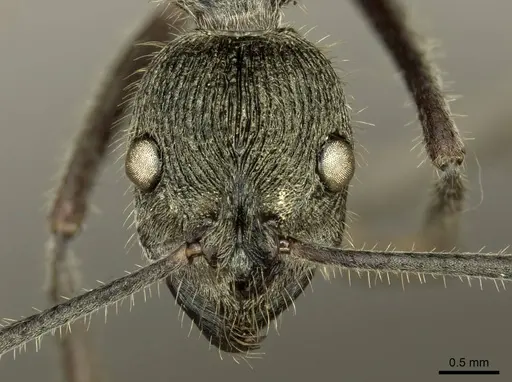
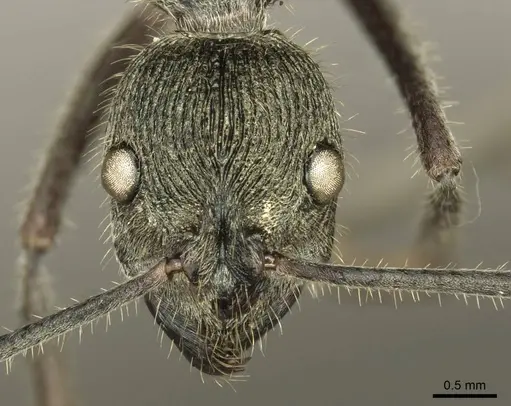
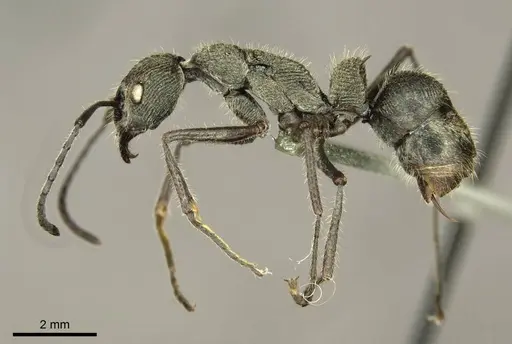
Letteratura
Caricamento mappa di distribuzione...Caricamento prodotti...