
Diacamma aequale
- Nom. sci.
- Diacamma aequale
- Tribù
- Ponerini
- Sottofamiglia
- Ponerinae
- Autore
- Zettel <i>et al.</i>, 2016
- Distribuzione
- Trovata in 0 paesi
Introduzione
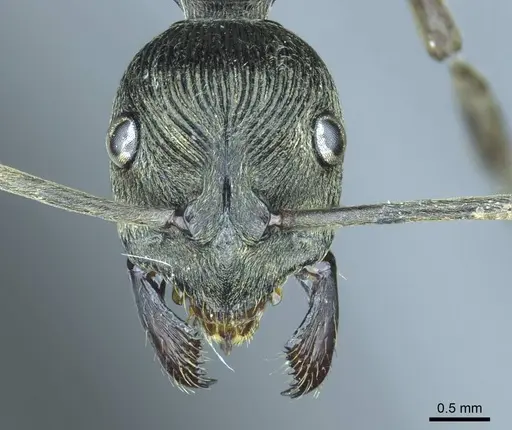
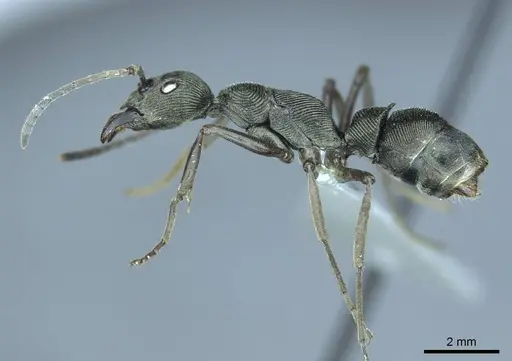
Diacamma aequale is a moderately large ant species measuring 11.4-12.4mm in total length . Workers have a black body with a weak coppery to dark greenish metallic shimmer, while their mandibles, antennae, and legs are dark reddish brown . The gaster and subpetiolar process are pale brown, creating contrast against the dark trunk . This species was described in 2016 and is currently known only from Negros Oriental in the Philippines . As a member of the Ponerinae subfamily, these ants are predatory and possess a functional sting. The genus Diacamma is notable because many species have gamergates - workers that can become reproductive and replace the queen if she dies [AntWiki]. This creates fascinating colony dynamics for keepers to observe.
Quick Summary
- Difficulty: Medium
- Origin & Habitat: Native to the Philippines, specifically Negros Oriental island in the Indomalaya region [1]. This is a recently described species with limited available biology data.
- Colony Type: Queenless, no distinct queen caste, reproduction by gamergates (reproductive workers).
- Queen Status: Queenless Colony
- Size & Growth:
- Queen: Queenless species, reproduction by gamergate (reproductive worker) instead of a distinct queen caste.
- Worker: 11.4-12.4mm total length [1]
- Colony: Unknown, no colony size data available for this species
- Growth: Unknown
- Development: Unknown, no direct development data exists for this recently described species (Based on typical Ponerinae patterns, development may take 2-4 months at warm temperatures, but this is an estimate.)
- Antkeeping:
- Temperature: Keep around 24-28°C. Ponerine ants typically prefer warm conditions. A heating cable on one side of the nest creates a useful gradient.
- Humidity: Moderate to high humidity. These are forest-dwelling ants from the Philippines, so aim for 60-80% humidity. Keep the nest substrate consistently moist but not waterlogged.
- Diapause: Unknown for this species. Many tropical ants do not require true hibernation, but a slight reduction in temperature during winter months may be beneficial.
- Nesting: No specific nesting data exists. Based on related species, they likely nest in soil or under stones in forest habitats. A naturalistic setup with soil or a Y-tong/plaster nest works well for Ponerine ants.
- Behavior: Ponerine ants are typically predatory and can be defensive. They have a functional sting and may use it when threatened. Workers are moderately large so escape prevention is important but not as critical as for tiny ants. They are likely active hunters, searching for small invertebrates. The genus is known for interesting social behaviors including gamergate reproduction in some species [2].
- Common Issues: no specific colony size data makes it hard to predict growth expectations, limited natural history data means care is based on genus-level inference rather than species-specific studies, predatory nature requires live food, failure to provide appropriate prey can lead to colony decline, sting capability means they can defend themselves, handle with care, as a recently described species, many aspects of their biology remain unstudied
Appearance and Identification
Diacamma aequale workers are moderately large ants measuring 11.4-12.4mm in total length [1]. Their most distinctive feature is the black body with a subtle coppery to dark greenish metallic shimmer that catches the light [1]. The mandibles, antennae, and legs are dark reddish brown, while the gaster, subpetiolar process, and gaster apex are pale brown [1]. The body has very sparse erect setae, giving them an almost smooth appearance except for dense pilosity on the gaster [1]. The striation pattern is distinctive, the trunk is strongly and regularly striated from the genae to the first gaster segment, and the second gaster segment has longitudinal striation in the distal half [1]. Workers have moderately elongated heads with strongly convex sides and rather small eyes [1].
Distribution and Habitat
This species is currently known only from Negros Oriental in the Philippines [1]. It was described in 2016 by Zettel, Pal, and Laciny, making it one of the more recently described Diacamma species [1]. The Philippines has a tropical climate with high humidity, suggesting these ants prefer warm, moist conditions. As a recently described species, there is limited data on their exact habitat preferences within this range. Based on related Diacamma species from similar regions, they likely inhabit forest floors where they nest in soil or under debris and stones.
Feeding and Diet
As members of the Ponerinae subfamily, Diacamma ants are predatory and should be fed accordingly. Offer small live invertebrates such as fruit flies, small crickets, mealworms, and other appropriately-sized prey. Protein-rich foods are essential for brood development. While some Ponerines occasionally accept sugar sources, their primary diet in captivity should be live or freshly killed insects. Feed prey 2-3 times per week, adjusting based on colony size and consumption. Remove uneaten prey after 24-48 hours to prevent mold. A constant clean water source should also be available.
Temperature and Care
Keep Diacamma aequale at warm temperatures, ideally 24-28°C. Ponerine ants generally do well with stable warmth, and this species likely benefits from a temperature gradient within the nest. Use a heating cable placed on top of the nest to create a warm zone while allowing cooler areas. Maintain moderate to high humidity around 60-80%, reflecting their tropical Philippines origin. Use a moisture-retaining substrate and monitor condensation levels. Avoid both stagnant air and excessive airflow.
Nesting Requirements
No specific nesting data exists for this species, but related Diacamma ants typically nest in soil or under stones in natural habitats. For captive care, a naturalistic setup with moist soil or a Y-tong/plaster nest works well for Ponerine ants. The chambers should be appropriately sized for their moderate worker size. Ensure the nest material can retain moisture without becoming waterlogged. A test tube setup can work for founding colonies, but larger colonies will need more space.
Behavior and Colony Dynamics
Diacamma is a particularly interesting genus because many species have gamergates, workers that can become reproductive and take over queen duties if the primary queen dies or is lost [2]. This is a rare trait in ants and makes the genus fascinating for observing social dynamics. Workers are predatory and will hunt for small invertebrates. They possess a functional sting that they may use for defense or to subdue prey. Colonies are likely to be moderately defensive when disturbed. Workers are relatively large, so escape prevention is important though not as critical as for tiny ant species.
Frequently Asked Questions
How long does it take for Diacamma aequale to produce first workers?
The exact development timeline is unknown as this species was only described in 2016 and has not been studied in captivity. Based on typical Ponerinae development patterns, expect 2-4 months from egg to worker at warm temperatures. This is an estimate, actual timing may vary.
What do Diacamma aequale ants eat?
These are predatory ants that need a protein-rich diet. Feed them small live invertebrates such as fruit flies, small crickets, mealworms, and other appropriately-sized insects. Remove uneaten prey after 24-48 hours. They likely hunt small arthropods in the wild.
Are Diacamma aequale good for beginners?
This species is rated as Medium difficulty. While not the most challenging ant to keep, there is limited species-specific care information available since it was only described in 2016. Some experience with Ponerine ants would be helpful. They require warm temperatures, humidity, and a predatory diet.
How big do Diacamma aequale colonies get?
Colony size data is not available for this specific species. Many Diacamma species form colonies of several hundred workers. The maximum size for D. aequale is unknown and will depend on successful captive breeding.
What temperature do Diacamma aequale need?
Keep them warm at 24-28°C. A temperature gradient allowing workers to choose their preferred zone is ideal. Use a heating cable on top of the nest to maintain warm temperatures.
Do Diacamma aequale need hibernation?
Diapause requirements are unknown for this species. As tropical ants from the Philippines, they likely do not require true hibernation. A slight temperature reduction during winter months may be beneficial but is not mandatory.
Can I keep multiple Diacamma aequale queens together?
Colony structure is unconfirmed for this species. Many Diacamma species have gamergate systems where workers can become reproductives. Combining unrelated queens is not recommended without species-specific data, as queens may fight.
What is a gamergate in Diacamma ants?
A gamergate is a worker ant that has become reproductive and can lay eggs, essentially functioning as a replacement queen. This is a notable trait in the Diacamma genus. If the primary queen dies, a gamergate may take over reproduction duties.
Where is Diacamma aequale found?
This species is currently known only from Negros Oriental in the Philippines [1]. It was described in 2016 and represents a relatively newly discovered ant species.
Report an Issue
The current care sheet is based fully on literature. See inconsistencies, or something that's incorrect? Please , it will be resolved after review from an admin. Contributing to the blogs tab also helps providing information, to make us be able to further improve the caresheets. Thank you for your support!
References

Questa scheda di allevamento è concessa in licenza con CC BY-SA 4.0 .
Blog della comunità
CASENT0916098
Visualizza su AntWeb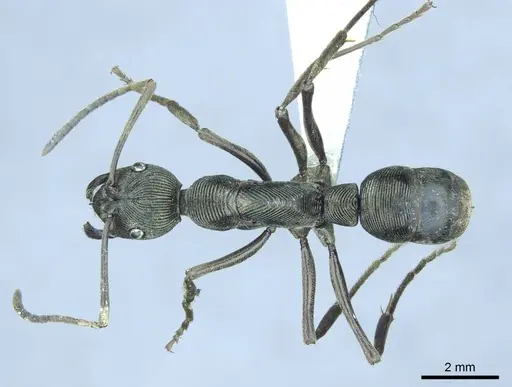
Letteratura
Caricamento mappa di distribuzione...Caricamento prodotti...