
Crematogaster cedrosensis
- Nom. sci.
- Crematogaster cedrosensis
- Tribù
- Crematogastrini
- Sottofamiglia
- Myrmicinae
- Autore
- Wheeler, 1934
- Distribuzione
- Trovata in 0 paesi
Introduzione
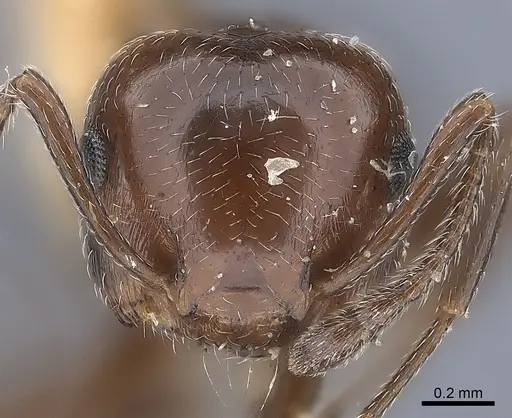
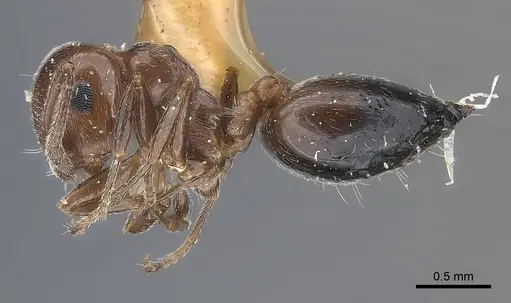
Crematogaster cedrosensis is a small ant species endemic to the Baja California peninsula in Mexico, found only on Cedros Island, San Martin Island, and the adjacent mainland . Workers measure 3-3.5mm with a distinctive dark coloration - castaneous brown body, darker head, black antennal clubs and gaster (except at the base), and slightly paler legs . This species belongs to the Crematogaster scutellaris group and is closely related to C. laeviuscula but is smaller and less robust with shorter, thinner epinotal spines and a narrower, more trapezoidal petiole . As an acrobat ant, this species gets its common name from its ability to raise its heart-shaped abdomen over its body like a stinger when threatened - a unique defensive display involving smear defense where they wipe venom onto enemies rather than piercing flesh. This is a Baja California endemic making them an interesting choice for antkeepers interested in North American species.
Quick Summary
- Difficulty: Medium
- Origin & Habitat: Endemic to Baja California, Mexico, found only on Cedros Island, San Martin Island, and the adjacent mainland [1][2][3]. This is a dry, Mediterranean-type climate with coastal desert and island habitats.
- Colony Type: Likely monogyne based on typical Crematogaster patterns, though colony structure has not been directly documented for this species.
- Size & Growth:
- Queen: ~6-8mm, inferred from genus patterns
- Worker: 3-3.5mm [4]
- Colony: Unknown, likely several hundred workers based on typical genus patterns
- Growth: Moderate, estimated based on related species
- Development: Estimated 6-8 weeks at optimal temperature based on typical Crematogaster development (Development time inferred from genus-level data, specific timeline unconfirmed for this species)
- Antkeeping:
- Temperature: Keep around 22-26°C. Provide a gentle temperature gradient so ants can self-regulate. Based on their Baja California origin, they prefer warm but not extreme conditions.
- Humidity: Moderate humidity around 50-60%. Provide a moist nest area but ensure good ventilation to prevent mold. These are not high-humidity rainforest ants.
- Diapause: Likely required. Baja California has a mild winter, so a short diapause period of 6-8 weeks at 10-15°C is recommended.
- Nesting: In nature they likely nest in rotting wood, under bark, or in soil crevices. Y-tong (AAC) nests or plaster nests work well. Provide narrow chambers appropriate for their small 3mm size.
- Behavior: Crematogaster ants are known for their acrobatic defense display, they raise their heart-shaped abdomen over their body when threatened. They also use smear defense, wiping venom onto enemies with their modified stinger. Workers are relatively fast-moving and can be defensive. They are not aggressive toward humans but will defend their nest vigorously. Escape prevention is important due to their small 3mm size, use fine mesh barriers. They likely forage for honeydew and small insects.
- Common Issues: small size means escapes are likely without fine mesh barriers, limited data means care is based on genus patterns rather than species-specific research, slow colony growth can lead to overfeeding and mold problems, wild-caught colonies may carry parasites that are difficult to detect, diapause timing may differ from typical temperate species due to their island habitat
Housing and Nest Setup
Crematogaster cedrosensis is a small ant at only 3-3.5mm, so your housing setup needs to account for their tiny size. Y-tong (AAC) nests work well because they provide appropriately scaled chambers and allow you to monitor the colony easily. Plaster nests are another good option, they hold moisture well and provide the moderate humidity these ants prefer. Avoid large, open spaces in the outworld, instead use smaller foraging areas that match their scale. For the nest itself, keep chambers relatively narrow, about 3-5mm wide passages are appropriate for workers. The outworld can be simple: a small container with a layer of substrate for foraging. Use a test tube connected to the nest for water access. Escape prevention is critical, these tiny ants can squeeze through surprisingly small gaps. Apply fluon or use fine mesh on all openings. [4]
Feeding and Diet
In the wild, Crematogaster species are omnivorous, they tend honeydew-producing insects like aphids and scale bugs, and they also hunt small insects for protein. For your colony, offer sugar sources regularly: a drop of honey water or sugar water works well. For protein, provide small prey items like fruit flies, pinhead crickets, or other tiny insects. You can also offer commercial ant foods designed for small species. Feed small amounts at first and remove any uneaten food within 24-48 hours to prevent mold. A good schedule is to provide protein 2-3 times per week and keep a sugar source available constantly. Remove the sugar source and replace with fresh every few days.
Temperature and Seasonal Care
Crematogaster cedrosensis comes from Baja California, a region with warm, dry summers and mild winters. Keep your colony at 22-26°C with a slight gradient so workers can choose their preferred temperature. A small heating cable on one side of the nest can create this gradient, place it on top of the nest material, not underneath, to avoid excessive drying. During winter, these ants likely experience a dormant period. Provide a diapause of 6-8 weeks at 10-15°C, you can simply move the colony to a cooler location like an unheated garage or basement (if temperatures stay above freezing). Reduce feeding during diapause and keep the nest slightly moist but not wet. Return to normal temperatures gradually in spring.
Behavior and Defense
The genus Crematogaster is known as 'acrobat ants' for their distinctive defensive behavior, when threatened, workers raise their heart-shaped abdomen over their body, mimicking a stinger. Additionally, they use smear defense, where a modified flattened stinger is used to wipe or smear venom onto enemies rather than piercing flesh. While these ants are not dangerous to humans (they lack a painful sting), this display can be startling and serves to deter predators. Workers are relatively active and fast-moving. They are not typically aggressive toward keepers but will vigorously defend their nest. In the outworld, they search systematically for food, using chemical trails to recruit nestmates to good food sources. Their small size means they can be overlooked, but they are observant escape artists, always check that your setup is secure. [4]
Frequently Asked Questions
How long does it take for Crematogaster cedrosensis to produce first workers?
The timeline is estimated at 6-8 weeks from egg to first worker based on typical Crematogaster development patterns. This occurs at optimal temperatures around 24-26°C. The queen is claustral, she seals herself in and raises the first brood alone without foraging, living entirely on her stored fat reserves.
What do Crematogaster cedrosensis ants eat?
They are omnivorous. Offer a constant sugar source (honey water or sugar water) and protein 2-3 times per week. Small insects like fruit flies, pinhead crickets, or commercial ant food work well for protein. Remove uneaten food within 48 hours to prevent mold.
Do Crematogaster cedrosensis ants sting?
They do not have a painful sting and are not dangerous to humans. However, they display defensive behavior by raising their abdomen over their body like an acrobat, this is how they got their common name. They may also smear venom onto predators using their modified stinger. They may bite if provoked, but the bite is negligible.
What temperature should I keep Crematogaster cedrosensis at?
Keep them at 22-26°C with a gentle gradient. A small heating cable on part of the nest can create this gradient. They come from Baja California so they prefer warm conditions but not extreme heat.
Do Crematogaster cedrosensis need hibernation?
Yes, a diapause is likely required. Provide 6-8 weeks at 10-15°C during winter. This can be done by moving the colony to a cool basement or garage. Reduce feeding during this period and keep the nest slightly moist.
Can I keep multiple Crematogaster cedrosensis queens together?
This has not been documented for this species. Most Crematogaster are monogyne (single queen), so it is not recommended to house multiple unrelated queens together as they may fight. If you acquire a wild colony, it likely has one queen.
How big do Crematogaster cedrosensis colonies get?
Colony size is not documented for this species, but based on typical Crematogaster patterns, colonies likely reach several hundred workers. They are not among the largest Crematogaster species.
What size escape prevention do I need for Crematogaster cedrosensis?
Excellent escape prevention is critical. These ants are only 3mm tall and can squeeze through tiny gaps. Use fine mesh on all ventilation holes and apply fluon to smooth surfaces. Check all connections between nest and outworld regularly.
Is Crematogaster cedrosensis a good beginner ant?
This species is rated Medium difficulty. They are small and require careful escape prevention, but their care requirements are straightforward once established. They are not as challenging as some species but also not the easiest for beginners. Their interesting acrobat defense behavior makes them rewarding to watch.
When should I move Crematogaster cedrosensis to a formicarium?
Wait until the colony has at least 20-30 workers before moving to a formicarium. Initially, a simple setup with a test tube nest and small outworld works fine. Move to a larger nest once workers consistently fill the available space. For small species like this, too much space can actually be stressful.
Report an Issue
The current care sheet is based fully on literature. See inconsistencies, or something that's incorrect? Please , it will be resolved after review from an admin. Contributing to the blogs tab also helps providing information, to make us be able to further improve the caresheets. Thank you for your support!
References

Questa scheda di allevamento è concessa in licenza con CC BY-SA 4.0 .
Blog della comunità
CASENT0217850
Visualizza su AntWeb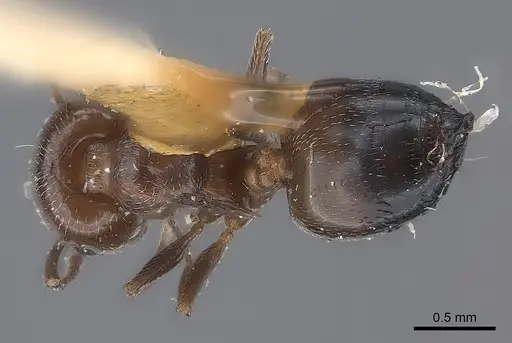
Letteratura
Caricamento mappa di distribuzione...Caricamento prodotti...