
Crematogaster afghanica
- Nom. sci.
- Crematogaster afghanica
- Tribù
- Crematogastrini
- Sottofamiglia
- Myrmicinae
- Autore
- Pisarski, 1967
- Distribuzione
- Trovata in 0 paesi
Introduzione
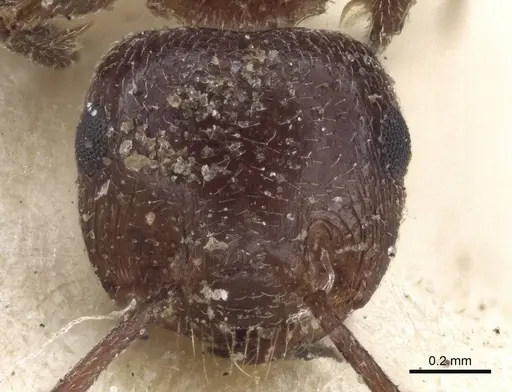
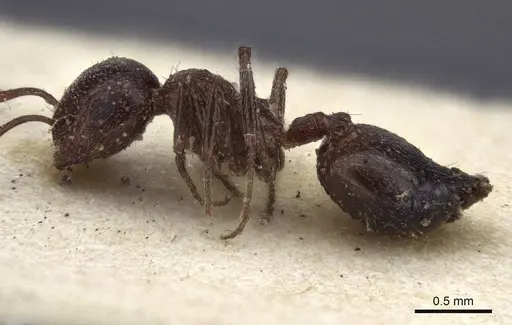
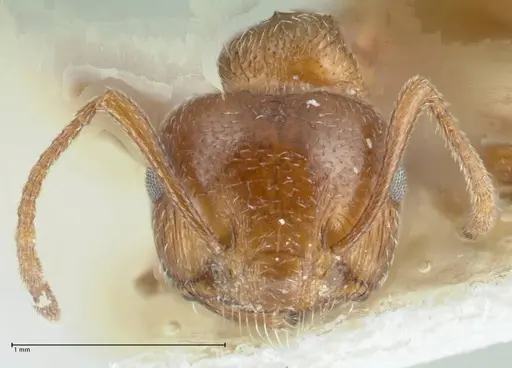
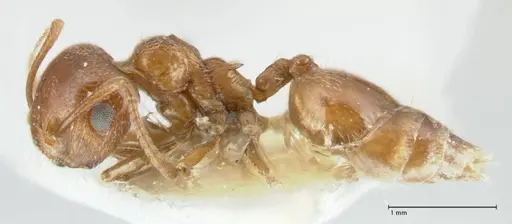
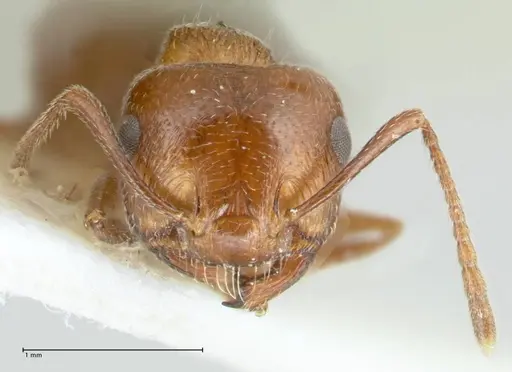
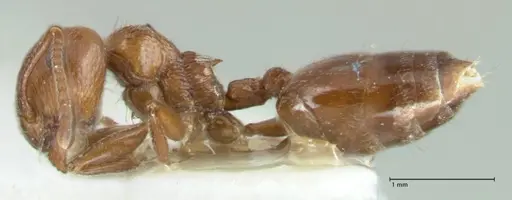
Crematogaster afghanica is a small myrmicine ant species native to Afghanistan and Iran in the Palaearctic region. Workers are tiny ants, typical of the genus, with the characteristic heart-shaped abdomen that they raise like an acrobat when disturbed - giving them the common name 'acrobat ants'. They were described by Pisarski in 1967 from specimens collected around Kabul at elevations between 1370-2225m . Recent research suggests this species may actually be a junior synonym of Crematogaster auberti, though it remains currently recognized as valid . In the wild, they inhabit parkland areas in regions with moderate rainfall .
Quick Summary
- Difficulty: Medium
- Origin & Habitat: Afghanistan and Iran (Palaearctic region). Found in parkland habitats in moderate rainfall areas at elevations between 1370-2225m [1].
- Colony Type: Likely monogyne (single queen) based on typical Crematogaster patterns.
- Size & Growth:
- Queen: Size data unavailable, no specific measurements exist for this species
- Worker: Size data unavailable, no specific measurements exist for this species
- Colony: Colony size data unavailable for this species
- Growth: Growth rate data unavailable
- Development: Development time data unavailable for this species (Specific development data for this species has not been studied)
- Antkeeping:
- Temperature: Keep at 20-26°C. Provide a gentle temperature gradient allowing workers to self-regulate. Room temperature within this range works well [1].
- Humidity: Moderate humidity (50-70%). These ants prefer drier conditions compared to many tropical species, reflecting their temperate/parkland origin. Allow substrate to dry partially between waterings.
- Diapause: Yes, likely required. As a species from Afghanistan/Iran with distinct seasons, colonies likely need a winter rest period of 8-12 weeks at 10-15°C.
- Nesting: Y-tong (AAC) nests or plaster nests work well. They can adapt to various nest materials. Provide a connection to an outworld with moderate humidity.
- Behavior: Generally peaceful but defensive when threatened. Workers will raise their abdomen (the 'acrobat' display) and may sting if provoked. They are active foragers, both on the ground and up vertical surfaces. Escape prevention is important given their small size, use fine mesh barriers. They are omnivorous, readily accepting sugar sources and small protein prey.
- Common Issues: escape prevention is critical due to their tiny size, use tight-fitting lids and fine mesh, colonies may fail if proper winter diapause is not provided, slow initial colony growth can lead to overfeeding mistakes, wild-caught colonies may carry parasites that affect captive survival, test tube setups can dry out quickly, monitor moisture levels regularly
Housing and Nest Setup
Crematogaster afghanica adapts well to various captive setups. Y-tong (AAC) nests work excellently, the smooth walls are easy for them to navigate and the chambers can be sized appropriately for their small size. Plaster nests also work well, providing good humidity regulation. Because they are small, ensure all connections between nest and outworld are snug, gaps as small as 1mm can allow escapes. A test tube setup works for founding colonies, but plan to move them to a proper nest once the colony reaches 20-30 workers. They do not require high humidity like tropical species, aim for moderate moisture that keeps the nest damp but not wet. A small water reservoir connected to the nest maintains humidity without flooding. [1]
Feeding and Diet
These ants are omnivorous and accept a wide variety of foods. Offer sugar water, honey, or diluted syrup as a constant carbohydrate source, Crematogaster species have a particular fondness for sweet liquids. For protein, provide small insects like fruit flies, small crickets, or mealworm pieces. They are active foragers, so place food in the outworld where they can find it easily. Feed protein 2-3 times per week, removing uneaten prey within 24 hours to prevent mold. Freshly killed insects are often more readily accepted than live prey. Avoid overfeeding, small portions prevent mold problems in the outworld.
Temperature and Seasonal Care
Maintain temperatures between 20-26°C with some variation allowed. A heating cable on one side of the nest creates a gradient that lets workers regulate their own temperature, they will move between warmer and cooler areas as needed. This species comes from Afghanistan and Iran with distinct seasons, so they require a winter diapause. In autumn, gradually reduce temperature to around 10-15°C over 2-3 weeks and maintain this for 8-12 weeks. Reduce feeding during this period but ensure water is available. In spring, slowly warm the colony back to room temperature and resume normal feeding. This rest period is important for colony health and may trigger reproductive behavior. [1]
Behavior and Handling
Crematogaster afghanica workers display the characteristic 'acrobat' behavior, when disturbed, they raise their abdomen over their head like a scorpion, which serves as a warning display. They have a mild sting, though given their tiny size it rarely affects human skin. They are not aggressive toward keepers but will defend their nest vigorously. Workers are active and agile, readily exploring their outworld and climbing vertical surfaces. This species forms moderate-sized colonies that establish quickly once the first workers (nanitics) emerge. They are good climbers, so ensure your formicarium has secure barriers. The colony will establish scent trails to food sources once discovered.
Colony Development
A newly mated queen will dig a small chamber and seal herself inside, this is claustral founding where she lives off stored fat reserves while raising her first brood. She produces eggs singly, and these develop through larva and pupa stages before emerging as nanitic workers (first workers), which are typically smaller than mature workers. The queen stops eating during this period and relies entirely on her energy reserves. Once nanitics emerge, they break open the sealed chamber and begin foraging for food to feed the queen and develop the colony further. Growth is moderate, expect 6-12 months from founding to a colony of 50+ workers under good conditions. Colony growth accelerates as more workers are produced.
Frequently Asked Questions
How long does it take for Crematogaster afghanica to produce first workers?
Specific development time data for this species is unavailable. Based on typical Crematogaster patterns, expect first workers (nanitics) to emerge 6-8 weeks after the queen lays eggs at optimal temperature around 24°C.
Do Crematogaster afghanica ants sting?
Yes, they can sting, but due to their very small size, the sting rarely penetrates human skin. Their primary defense is the dramatic 'acrobat' display where they raise their abdomen as a warning.
What temperature range is best for Crematogaster afghanica?
Keep them between 20-26°C. A temperature gradient is ideal, allow part of the nest to be warmer (around 26°C) while keeping another area cooler (around 20°C) so workers can choose their preferred spot.
Do I need to hibernate Crematogaster afghanica?
Yes, a winter diapause is recommended. Reduce temperature to 10-15°C for 8-12 weeks during winter. This rest period mimics their natural seasonal cycle in Afghanistan/Iran and supports colony health.
How big do Crematogaster afghanica colonies get?
Specific colony size data for this species is unavailable. Based on typical Crematogaster patterns, colonies likely reach a few hundred workers at maturity.
Can I keep multiple Crematogaster afghanica queens together?
This species is likely monogyne (single queen) based on typical genus behavior. Combining unrelated queens is not recommended as they likely will fight.
What do Crematogaster afghanica eat?
They are omnivorous. Offer sugar water or honey as a constant carbohydrate source, and small insects like fruit flies or mealworm pieces for protein 2-3 times weekly.
Are Crematogaster afghanica good for beginners?
They are rated Medium difficulty. They are more forgiving than some tropical species due to their moderate temperature needs, but their small size requires attention to escape prevention and they do need a winter diapause.
When should I move my colony to a formicarium?
Move from test tube to a proper nest once the colony reaches 20-30 workers. Ensure the new nest has appropriately sized chambers and connections, gaps over 1mm risk escapes.
Why is my Crematogaster afghanica colony declining?
Common causes include: improper diapause (no winter rest), too dry or too wet conditions, overfeeding leading to mold, parasites from wild-caught colonies, or temperature stress. Check all care parameters and ensure they match the moderate temperate requirements.
Report an Issue
The current care sheet is based fully on literature. See inconsistencies, or something that's incorrect? Please , it will be resolved after review from an admin. Contributing to the blogs tab also helps providing information, to make us be able to further improve the caresheets. Thank you for your support!
References

Questa scheda di allevamento è concessa in licenza con CC BY-SA 4.0 .
Blog della comunità
CASENT0916604
Visualizza su AntWeb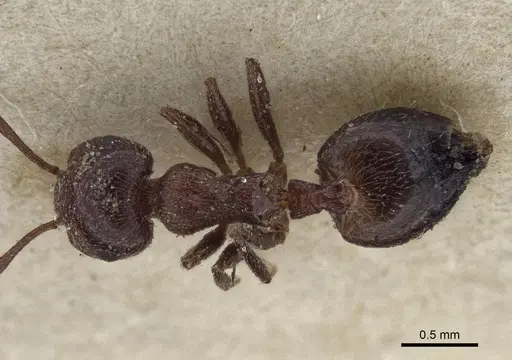
FOCOL1798-1
Visualizza su AntWeb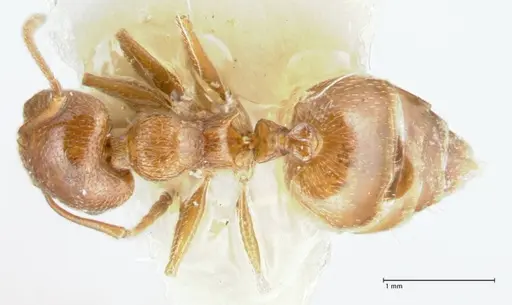
FOCOL1798-2
Visualizza su AntWeb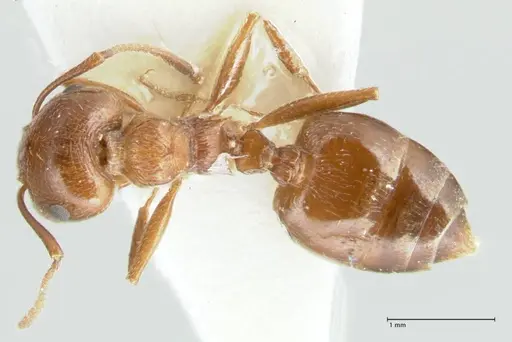
Letteratura
Caricamento mappa di distribuzione...Caricamento prodotti...