
Carebara sicheli
- Nom. sci.
- Carebara sicheli
- Tribù
- Crematogastrini
- Sottofamiglia
- Myrmicinae
- Autore
- Mayr, 1862
- Distribuzione
- Trovata in 0 paesi
Introduzione
Carebara sicheli is a tiny ant species native to West Africa, found in Senegal, Benin, and Sudan . This species was originally described by Mayr in 1862 from specimens collected in Senegal and Sudan . Queens in this genus are relatively small, while workers are among the smallest ants in the Myrmicinae subfamily. The genus Carebara contains miniature ants that nest in soil and can form large colonies. As a poorly documented species in the scientific literature, specific behaviors and care requirements are not well-studied.
Quick Summary
- Difficulty: Unknown
- Origin & Habitat: West Africa, specifically Senegal, Benin, and Sudan. Found in the Afrotropical region in tropical savanna and forest edge habitats [1][2].
- Colony Type: Unconfirmed, colony structure has not been documented for this species.
- Size & Growth:
- Queen: Size data unavailable, original type description does not provide specific measurements [2]
- Worker: Likely 1-3mm based on typical Carebara genus morphology
- Colony: Unknown for this species, but related Carebara species can reach several thousand workers [2]
- Growth: Unknown
- Development: Estimated 4-8 weeks based on typical tropical Myrmicinae development (Development time is estimated from related species, no specific data exists for C. sicheli)
- Antkeeping:
- Temperature: Keep at 24-28°C, aim for warm, stable conditions typical of their West African range. A heating cable on one side of the nest can provide a gentle gradient
- Humidity: Moderate to high humidity, keep the nest substrate moist but not waterlogged, with some drier areas available
- Diapause: Unknown, West African species may not require true hibernation, but may have reduced activity during cooler/drier seasons
- Nesting: Ground-nesting species, naturalistic setups with soil or a Y-tong/plaster nest work well. Provide deep substrate for colony expansion
- Behavior: Behavior is unstudied for this species. Based on genus patterns, they are likely docile and not aggressive. Their tiny size means excellent escape prevention is critical, use fine mesh and tight-fitting barriers. They likely forage on the ground surface for small prey and honeydew. As a member of the Crematogastrini tribe, they possess a modified stinger used to smear venom rather than pierce.
- Common Issues: tiny size makes escape prevention critical, they can squeeze through standard barrier gaps, no specific care data exists, keepers must adapt from related species, slow colony growth is common with miniature ants and requires patience, wild-caught colonies may have parasites that are difficult to detect, humidity control is important, too dry causes desiccation, too wet causes fungal problems
General Care and Housing
Carebara sicheli is a challenging species to keep because so little specific information exists about it in the scientific literature. What we know comes from the genus Carebara, which contains tiny ants that are ground-nesting and found primarily in tropical regions. For housing, a naturalistic setup with moist soil or a Y-tong/plaster nest works well. The nest should have chambers scaled to their tiny size, tight passages help them feel secure. Because workers are very small, escape prevention must be excellent. Use fine mesh on all openings, and consider applying Fluon to the inner walls of any outworld area. A small outworld connected to the nest allows for foraging. Start with a test tube setup for founding colonies, then transition to a proper nest once the colony reaches 20-30 workers. [2]
Temperature and Heating
As a West African species from Senegal, Benin, and Sudan, Carebara sicheli needs warm conditions. Aim for 24-28°C in the nest area. You can achieve this with a heating cable placed on top of the nest. Monitor with a digital thermometer to ensure stable temperatures. Avoid temperature swings, these ants are adapted to relatively stable tropical conditions. If your room temperature is already in this range, no additional heating may be needed. Watch colony behavior: if workers cluster near the heated area, increase slightly, if they avoid it and seem sluggish, the temperature may be too high. [1]
Feeding and Diet
Based on typical Carebara feeding habits, this species likely accepts small live prey such as springtails, fruit flies, and other micro-arthropods. They may also collect honeydew from aphids or accept sugar water or honey. Feed small amounts of protein twice weekly, and provide a constant sugar source. Remove uneaten prey after 24 hours to prevent mold. Because workers are tiny, prey items should be appropriately sized. Some Carebara species are predatory, so live prey is preferred over dead food. [2]
Colony Development and Growth
Colony development for Carebara sicheli is unstudied, but based on related tropical Myrmicinae, expect 4-8 weeks from egg to first worker at optimal temperature. The founding queen will lay eggs and tend to the brood alone in her claustral chamber. Once the first nanitic workers emerge, the colony enters a slow growth phase typical of miniature ants. Patience is essential, these colonies grow much slower than larger species. A mature colony may reach several thousand workers over several years. Do not overfeed during the founding stage, as excess food mold can kill the queen.
Humidity and Moisture
Keep the nest substrate consistently moist but not waterlogged. The substrate should feel damp to the touch, similar to a forest floor after rain. For test tube setups, ensure the water reservoir is appropriately sized, too much water can flood the colony, too little dries them out. For naturalistic setups, mist the substrate periodically and monitor for condensation on the nest walls. Adequate ventilation helps prevent mold while maintaining humidity. If you see mold, reduce moisture slightly and improve ventilation. [2]
Frequently Asked Questions
How long does it take for Carebara sicheli to produce first workers?
The egg-to-worker timeline is unconfirmed for this species. Based on related tropical Myrmicinae, expect 4-8 weeks at optimal temperature (24-28°C). Patience is essential as miniature ants grow slowly.
What do Carebara sicheli ants eat?
Based on genus patterns, they likely accept small live prey (springtails, fruit flies), and sugar sources (honey water, sugar water). Feed small protein items twice weekly and provide constant sugar. Remove uneaten food within 24 hours.
Do Carebara sicheli ants sting?
Sting capability is unknown for this specific species. Most Carebara species are too small to penetrate human skin effectively. However, they may have a small stinger for defense against other ants.
Are Carebara sicheli good for beginners?
This species is not recommended for beginners. There is virtually no specific care data available, and their tiny size makes them challenging to house and maintain. Experience with other miniature ant species is highly recommended before attempting C. sicheli.
What temperature do Carebara sicheli need?
Keep nest temperatures between 24-28°C. This matches their West African origin. Use a heating cable on top of the nest if room temperature is below this range. Stable, warm conditions are essential.
How big do Carebara sicheli colonies get?
Colony size is unconfirmed for this species. Based on related Carebara species, colonies likely reach several thousand workers over several years. Growth is slow, expect 1-2 years to reach 50-100 workers.
Can I keep multiple Carebara sicheli queens together?
Colony structure is unconfirmed for this species. Multi-queen behavior has not been documented. Unless you have specific experience with this species, keep only one queen per colony to avoid conflicts.
Do Carebara sicheli need hibernation?
Hibernation requirements are unknown. As a West African species from tropical regions, they likely do not require true hibernation. They may have reduced activity during cooler seasons but should be kept warm year-round.
Why are my Carebara sicheli dying?
Common causes include: escape through tiny gaps (use fine mesh), improper humidity (too dry or too wet), temperature stress (outside 24-28°C range), mold from overfeeding, or parasites from wild-caught colonies. Review each parameter and make incremental adjustments.
When should I move Carebara sicheli to a formicarium?
Keep them in a test tube or small container for the founding stage. Once the colony reaches 30-50 workers and the test tube shows signs of crowding or mold, consider moving to a proper nest. A Y-tong or plaster nest with appropriately sized chambers works well.
Report an Issue
The current care sheet is based fully on literature. See inconsistencies, or something that's incorrect? Please , it will be resolved after review from an admin. Contributing to the blogs tab also helps providing information, to make us be able to further improve the caresheets. Thank you for your support!
References

Questa scheda di allevamento è concessa in licenza con CC BY-SA 4.0 .
Blog della comunità
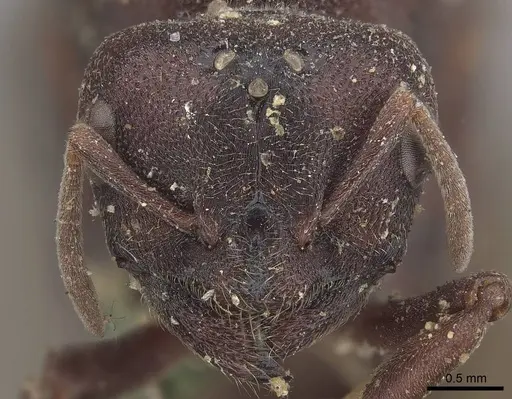
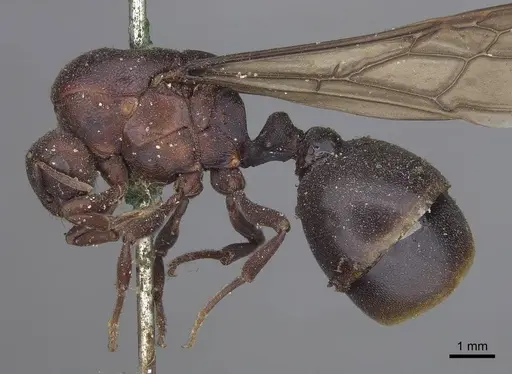
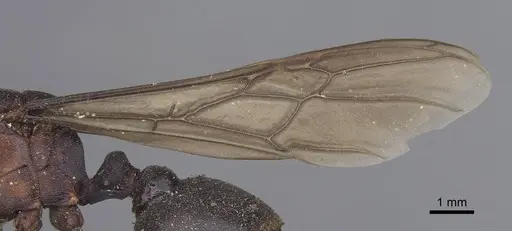
CASENT0919628
Visualizza su AntWeb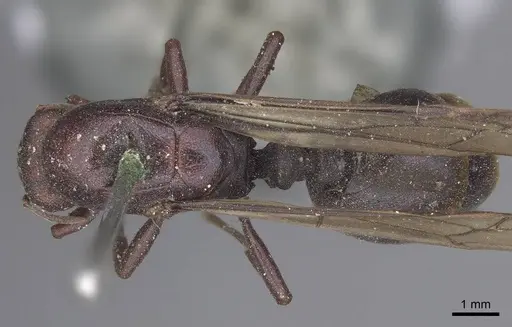
Letteratura
Caricamento mappa di distribuzione...Caricamento prodotti...