
Cardiocondyla brachyceps
- Nom. sci.
- Cardiocondyla brachyceps
- Tribù
- Crematogastrini
- Sottofamiglia
- Myrmicinae
- Autore
- Seifert, 2003
- Distribuzione
- Trovata in 0 paesi
Introduzione
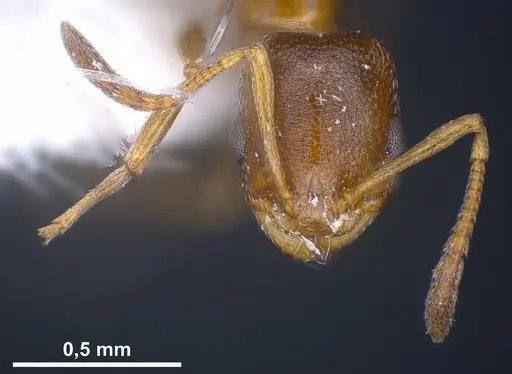
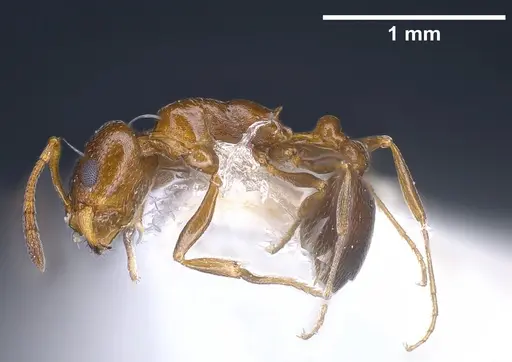
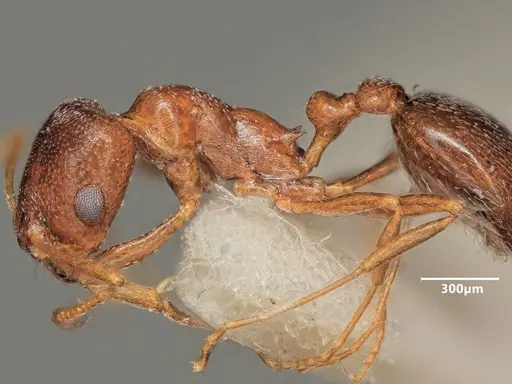
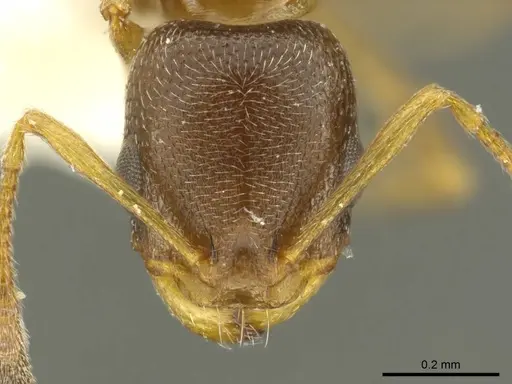
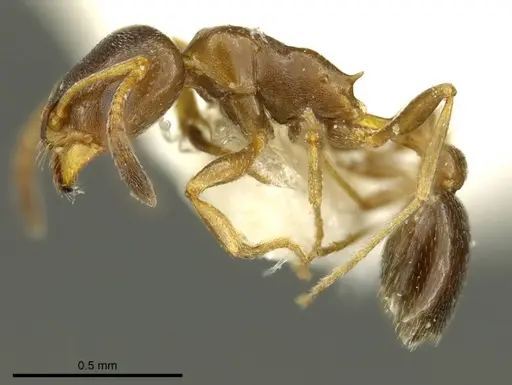
Cardiocondyla brachyceps is a small ant species belonging to the elegans species group. Workers measure approximately 2-2.5mm in total length, making them among the smaller ants in the ant-keeping hobby. They have a distinctive appearance with a relatively short head, large eyes, and notably narrow waist segments. The coloration is variable: the head ranges from medium brown to blackish brown, the mesosoma and petiole are typically light orange-brown (with an orange-yellowish tint even in darker specimens), and the postpetiole and gaster are dark to blackish brown . This species was formally described in 2003 and is native to the Palaearctic region, ranging from southern Georgia and northeastern Turkey eastwards through Iran to eastern Afghanistan. A notable finding is the 2025 discovery of this species in Russia's Krasnodar Region (Novorossiysk), representing the westernmost known locality .
Quick Summary
- Difficulty: Medium
- Origin & Habitat: Native to the Palaearctic region including Georgia, Turkey, Iran, Afghanistan, Armenia, Azerbaijan, and southern Russia. Found from sea level (5m in Georgia) up to 2000m elevation in Iran. Natural nesting occurs on sandy riverbanks in communities of thorny shrubs [1][2].
- Colony Type: Colony structure is unconfirmed for this species. Based on typical Cardiocondyla patterns, likely single-queen (monogyne) colonies, though some related species can form multi-queen colonies. Further research needed to confirm [2].
- Size & Growth:
- Queen: size data unavailable, queen measurements not documented in available research
- Worker: approximately 2-2.5mm, inferred from Cardiocondyla genus [1][3]
- Colony: Unknown, bionomics are poorly studied [2]
- Growth: Unknown, no development data available
- Development: Unconfirmed, no direct development studies exist for this species. (Development timeline has not been directly studied.)
- Antkeeping:
- Temperature: Based on native habitat (Georgia to Afghanistan, ranging from lowland to 2000m), this species likely tolerates a range of 20-28°C. Provide a gentle gradient and observe colony activity.
- Humidity: Moderate, native habitat includes sandy riverbanks with scattered shrubs, suggesting they tolerate drier conditions than forest-dwelling species. Keep nest substrate lightly moist with some drier areas available.
- Diapause: Unknown, no specific studies on overwintering behavior. The wide altitudinal range (5-2000m) suggests populations from higher elevations or northern areas may require a winter rest period.
- Nesting: In nature, they nest in sandy soil near water sources (riverbanks). In captivity, a test tube setup works well for founding colonies. For established colonies, a small formicarium with sandy substrate or a Y-tong nest with narrow chambers scaled to their tiny size. Avoid large, open spaces.
- Behavior: Cardiocondyla ants are generally calm and not aggressive. Workers are small and active, typically foraging for small prey and honeydew. They are not known to sting and pose no danger to keepers. Due to their very small size, escape prevention must be excellent, they can squeeze through tiny gaps. Use fine mesh and tight-fitting lids [2].
- Common Issues: escape prevention is critical due to their tiny size, even small gaps in setup can allow escapes., limited available care information makes proper husbandry challenging., slow colony growth may lead to keeper impatience and overfeeding., wild-caught colonies may carry parasites that can devastate captive colonies., overheating can occur quickly in small setups, monitor temperatures carefully.
Identification and Appearance
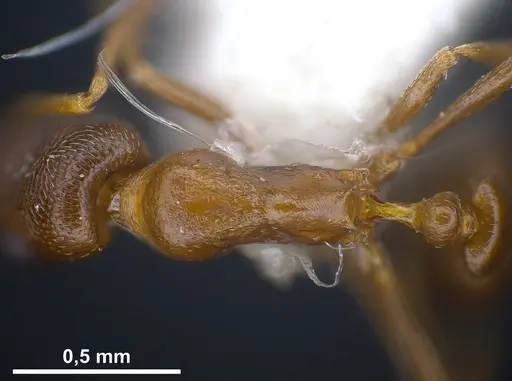
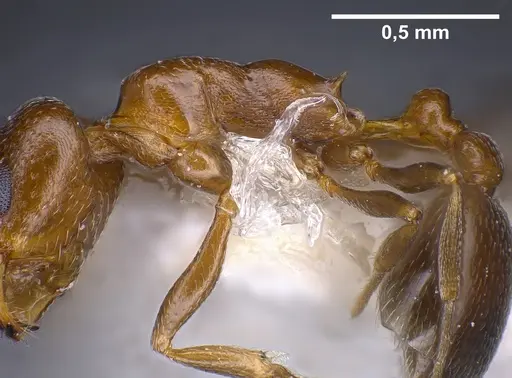
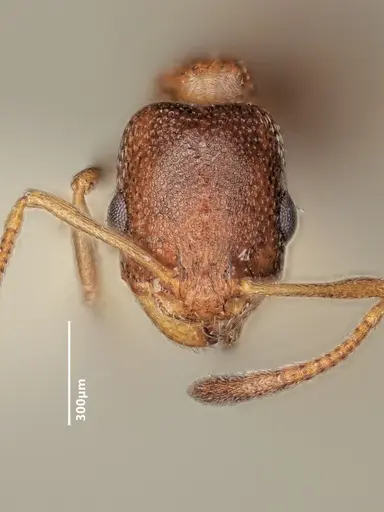
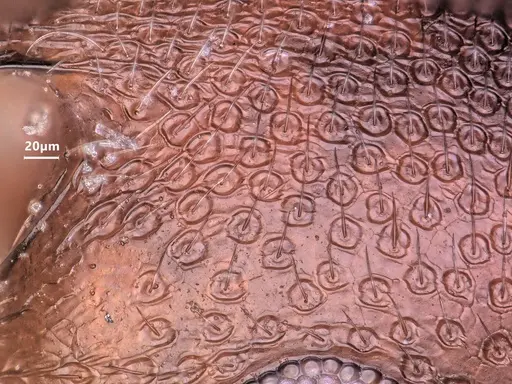
Cardiocondyla brachyceps is a relatively large member of the elegans species group, with workers measuring approximately 2-2.5mm in total length. The most distinctive morphological features include a short head, very low postocular distance, relatively long scapes, and large eyes. The propodeal spines are slightly longer and thinner than in related species. The petiole is narrower than in C. elegans and approximately as high as wide, with a long peduncle about 1.8 times longer than wide. The postpetiole is notably narrower and lower than in related species. Coloration is variable: head medium to blackish brown, mesosoma and petiole usually light orange-brown (with orange-yellowish tint even in dark specimens), postpetiole and gaster dark to blackish brown. The species can be distinguished from related species like C. elegans by the more strongly reticulate meso- and metapleurae and the narrower waist segments [1][3].
Natural Distribution and Habitat
This species has a broad Palaearctic distribution extending from southern Georgia and northeastern Turkey eastwards through Iran to eastern Afghanistan. The altitudinal range is remarkable, from just 5 meters above sea level in Georgia to 2000 meters in Iran. Recent research confirmed the species in Russia's Krasnodar Region (Novorossiysk), representing the westernmost known locality. The closest known population to this Russian record is in Adjara, Georgia, where nests were found on the sandy bank of the Kinkishi River in a community of thorny shrubs. This confirms the species prefers open, sandy habitats near water sources [2][1].
Nest Preferences and Housing
In their natural habitat, C. brachyceps nests in sandy soil, specifically on riverbanks with scattered thorny shrubs. This suggests they prefer well-drained sandy substrates in warm, relatively sunny locations. For captive care, a test tube setup works well for colony founding. For established colonies, provide a small formicarium with sandy substrate or a Y-tong nest with chambers scaled to their tiny size. The chambers should be narrow, these are very small ants. Ensure there is a water source (test tube water reservoir) but avoid waterlogging the substrate. The sandy riverbank origin suggests they tolerate drier conditions than many other ant species, so avoid overly humid setups [2].
Feeding and Diet
Like other Cardiocondyla species, C. brachyceps likely has an omnivorous diet typical of small myrmicine ants. They probably forage for small insects, nectar, and honeydew from aphids. In captivity, offer small protein sources such as fruit flies, springtails, or other tiny arthropods. Sugar water or honey can be offered as an energy source, though acceptance may vary. Feed small amounts initially and observe what the colony takes. Given their tiny size, prey items should be appropriately scaled. [4]
Temperature and Seasonal Care
Based on their native range from lowland Georgia to high-elevation Iran, this species likely tolerates a range of temperatures. The sandy riverbank habitat suggests they prefer warmer conditions. Start with a temperature range of 22-26°C and observe colony behavior. If workers are highly active and brood develops well, the temperature is appropriate. The wide altitudinal range (5-2000m) suggests different populations may have different temperature requirements, colonies from higher elevations or northern areas may benefit from a cooler winter period. Monitor your colony and adjust accordingly. Avoid placing the nest in direct sunlight or near heat sources that could cause overheating [1][2].
Behavior and Temperament
Cardiocondyla brachyceps is a calm, non-aggressive species typical of the genus. Workers are active foragers, likely collecting small prey and sugar sources. They are not known to sting and pose no danger to keepers. The most significant husbandry consideration is their tiny size, even at 2-2.5mm, they can squeeze through remarkably small gaps. Excellent escape prevention is essential: use tight-fitting lids, fine mesh on any ventilation, and reliable barrier methods like fluon on test tube rims. They are not aggressive defenders and will typically flee rather than engage when threatened [2][4].
Frequently Asked Questions
How long does it take for Cardiocondyla brachyceps to produce first workers?
The exact development timeline has not been studied for this species. Based on typical Cardiocondyla genus patterns, expect approximately 5-8 weeks from egg to worker at warm temperatures (around 24-26°C). However, this is an estimate, actual timing may vary and has not been directly documented.
What do Cardiocondyla brachyceps ants eat?
Like other Cardiocondyla species, they likely accept small insects (fruit flies, springtails), sugar water, and honey. Offer small protein prey items appropriate to their tiny size. Sugar sources can be provided occasionally but protein is likely the primary dietary need.
Are Cardiocondyla brachyceps ants dangerous or do they sting?
No, they are not dangerous. These are tiny, calm ants that do not sting. They pose no threat to keepers and are not aggressive defenders.
What temperature should I keep Cardiocondyla brachyceps at?
Based on their native habitat (Georgia to Afghanistan), aim for 22-26°C. Start in the middle of this range and adjust based on colony activity. The sandy riverbank habitat suggests they prefer warmer conditions, but avoid overheating.
Do Cardiocondyla brachyceps need hibernation?
It is unknown whether they require a formal hibernation. The wide altitudinal range (5-2000m) suggests populations may have different requirements. If your colony becomes less active in winter, you can provide a cooler period (15-18°C) for several months, but this is not confirmed as necessary.
How big do Cardiocondyla brachyceps colonies get?
Colony size is not documented in scientific literature. Based on related Cardiocondyla species, colonies likely reach several hundred workers at most. They are not large colony formers.
Can I keep multiple Cardiocondyla brachyceps queens together?
The colony structure is unconfirmed for this species. Based on typical Cardiocondyla patterns, they likely form single-queen colonies. Combining unrelated queens is not recommended as it has not been documented and could result in aggression.
Why are my Cardiocondyla brachyceps escaping?
Their tiny size means they can squeeze through extremely small gaps. Use excellent escape prevention: tight-fitting lids, fine mesh (at least 0.5mm or smaller), and apply fluon or similar barriers to all openings. Check all connections and seams in your setup.
Is Cardiocondyla brachyceps a good species for beginners?
This species is rated as Medium difficulty. While they are calm and small, the limited available care information and their tiny size (requiring excellent escape prevention) make them better suited for keepers with some experience. They are not the easiest species for complete beginners.
What type of nest should I use for Cardiocondyla brachyceps?
For founding colonies, a standard test tube setup works well. For established colonies, use a small formicarium with sandy substrate or a Y-tong nest with narrow chambers scaled to their tiny size. Avoid large, open spaces, they prefer tight, enclosed spaces.
Report an Issue
The current care sheet is based fully on literature. See inconsistencies, or something that's incorrect? Please , it will be resolved after review from an admin. Contributing to the blogs tab also helps providing information, to make us be able to further improve the caresheets. Thank you for your support!
References

Questa scheda di allevamento è concessa in licenza con CC BY-SA 4.0 .
Blog della comunità
ANTWEB1041245
Visualizza su AntWeb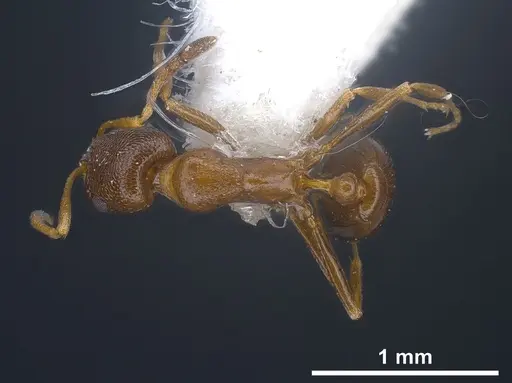
ANTWEB1048506
Visualizza su AntWeb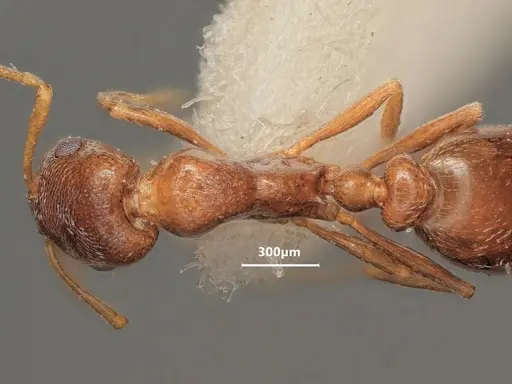
CASENT0919731
Visualizza su AntWeb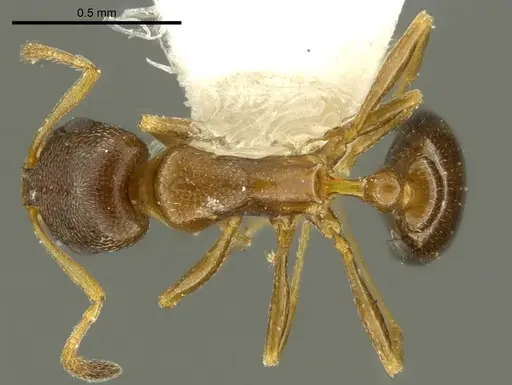
Letteratura
Caricamento mappa di distribuzione...Caricamento prodotti...