
Camponotus socrates
- Nom. sci.
- Camponotus socrates
- Sottogenere
- Tanaemyrmex
- Tribù
- Camponotini
- Sottofamiglia
- Formicinae
- Autore
- Forel, 1904
- Distribuzione
- Trovata in 0 paesi
Introduzione
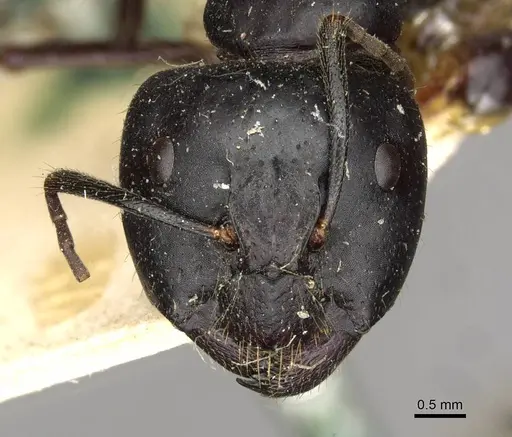
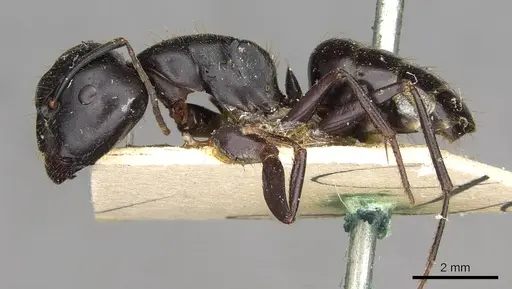
Camponotus socrates is a carpenter ant species native to the Himalayan region of India and Pakistan. Workers are polymorphic with major workers being significantly larger than minors. The species belongs to the subgenus Tanaemyrmex and was described by Forel in 1904 . The original type specimen was collected at 1828 meters elevation in the Kashmir region . They nest in wood cavities, excavating galleries similar to other carpenter ants. This is a mountain-adapted species from a cool, temperate climate. They prefer cooler temperatures than many tropical carpenter ants due to their high-altitude distribution.
Quick Summary
- Difficulty: Medium
- Origin & Habitat: Native to the Himalayan region of India and Pakistan, found in Kashmir, Kerala, and West Bengal at elevations around 1828 meters [3][4][1]. This is a mountain-adapted species from a cool, temperate climate.
- Colony Type: Colony type is unconfirmed for this species.
- Size & Growth:
- Queen: Size data unavailable, inferred from Tanaemyrmex subgenus patterns to be large (18-22mm)
- Worker: Polymorphic: major workers approximately 12-15mm, minor workers approximately 6-9mm, sizes inferred from genus patterns
- Colony: Colony size data unavailable
- Growth: Growth rate data unavailable
- Development: Development time unconfirmed, likely several months based on typical Camponotus patterns (First workers (nanitics) are typically smaller than normal workers.)
- Antkeeping:
- Temperature: Keep nest area at 18-22°C. Being a high-altitude Himalayan species, they prefer cooler temperatures than most carpenter ants. Avoid overheating, they do not tolerate prolonged heat well. Room temperature around 20°C is ideal.
- Humidity: Moderate humidity around 50-60%. They prefer drier conditions compared to many ants, being from a mountainous region with relatively dry air. Ensure the nest has some moisture available but avoid damp, stagnant conditions.
- Diapause: Yes, this high-altitude species requires a winter dormancy period. Reduce temperature to 10-15°C for 2-3 months during winter (roughly November-February in the Northern Hemisphere). Do not feed during diapause.
- Nesting: Y-tong (AAC) nests work well, or a plaster nest with a water reservoir. Their large size means they need spacious chambers. Avoid overly humid setups. Test tubes can work for founding colonies but will need upgrading as the colony grows.
- Behavior: Generally calm and non-aggressive for a large carpenter ant. They are not particularly defensive and rarely show aggression toward keepers. Workers are moderately active and will readily forage for food. Escape risk is moderate, their larger size makes them easier to contain, but they can still climb smooth surfaces. Close-fitting lids and standard barrier methods are sufficient. They are primarily nocturnal foragers but will show activity during the day as well.
- Common Issues: Temperature management is critical, they prefer cooler conditions and can overheat or die in warm setups, Diapause failure is common, without proper winter dormancy, colonies may decline or fail to thrive long-term, Overhumidity can cause problems, being from a dry mountain region, they do poorly in damp conditions, Slow founding phase, queens may take months before first workers appear, Large colony size means they need significant space as they grow, plan for upgrades early
Housing and Nest Setup
For Camponotus socrates, a Y-tong (AAC) nest or plaster nest works best. Their large size means they need appropriately sized chambers, avoid cramped setups. For founding colonies, a standard test tube setup with a water reservoir works fine, but the queen will need a dark, quiet space. As the colony grows to 50+ workers, upgrade to a proper formicarium with multiple chambers. These ants prefer drier conditions than most, ensure good ventilation to prevent mold. A small water tube or moisture reservoir in the nest provides drinking water without creating excessive humidity. Keep the nest in a cooler area of your room.
Feeding and Diet
Like most carpenter ants, Camponotus socrates is omnivorous. They readily accept sugar sources, a drop of sugar water or honey should be offered 2-3 times per week. For protein, offer insects like mealworms, crickets, or waxworms. Larger prey items can be dismembered by major workers. In the wild, they forage for honeydew from aphids and feed on small insects. Feed them a varied diet: sugar water constantly available, protein every 3-4 days, and occasional treats like fruit or small pieces of cooked chicken. Remove uneaten food after 24-48 hours to prevent mold.
Temperature and Seasonal Care
This is the most critical aspect of keeping Camponotus socrates successfully. Being from high-altitude Himalayan regions, they prefer cooler temperatures, aim for 18-22°C in the nest area. Room temperature is often ideal. They do NOT tolerate heat well, keep them away from direct sunlight, heating cables, and warm rooms. During summer, ensure they are not overheating. In winter (roughly November to February), they require a diapause period: reduce temperature to 10-15°C and stop feeding entirely. This mimics their natural cycle in the mountains where winter temperatures drop significantly. Failure to provide proper diapause can lead to colony decline over time. [3]
Colony Development and Growth
Camponotus socrates follows typical carpenter ant development. The queen seals herself in a chamber and lays her first eggs, she lives entirely on stored fat reserves during this founding phase. This founding phase can take several months before eggs hatch, then additional time for larvae to develop into workers. The first workers (nanitics) are smaller than normal workers but will immediately begin caring for the next brood and foraging for food. Major workers (soldiers) typically appear when the colony reaches several hundred workers. A mature colony can live for many years, Camponotus queens can live 15-20 years.
Behavior and Handling
These ants are generally calm and not prone to aggression. They are more likely to flee than fight when disturbed. Workers are moderately active and will establish foraging trails when hunting for food. They are not particularly defensive, making them suitable for observation. However, major workers can deliver a painful bite if provoked, though this is rare. They communicate using chemical trails and will recruit nestmates to good food sources. Their large size makes them relatively easy to observe. They are primarily nocturnal but will show activity throughout the day.
Frequently Asked Questions
How long does it take for Camponotus socrates to produce first workers?
Expect several months from egg to first worker. The founding phase takes longer than some species, so patience is needed.
Do Camponotus socrates ants need hibernation?
Yes, they require a winter diapause period. Being from high-altitude Himalayan regions, they need 2-3 months of cooler temperatures (10-15°C) during winter. Reduce temperature gradually in autumn and stop feeding during this rest period.
What temperature is best for Camponotus socrates?
Keep them at 18-22°C, cooler than most carpenter ants. They are adapted to mountain climates and do not tolerate heat well. Room temperature is often ideal. Avoid heating pads or placing them in warm locations.
Are Camponotus socrates good for beginners?
They are moderate difficulty, easier than some exotic species but trickier than common house ants. The main challenges are temperature management (they need cool conditions) and providing proper winter diapause. Their calm temperament makes them rewarding to keep.
How big do Camponotus socrates colonies get?
Mature colonies can reach several thousand workers. They are polymorphic, you will see both large major workers and smaller minor workers. Growth takes several years to reach full size.
What do Camponotus socrates eat?
They are omnivorous. Offer sugar water or honey regularly, plus protein sources like mealworms, crickets, or other insects. They will accept most standard ant foods. Remove uneaten food after a day or two to prevent mold.
When should I move my Camponotus socrates to a formicarium?
Move them once the test tube setup becomes crowded, typically when you see 30-50 workers and the water reservoir is running low. Have the formicarium ready before the move to minimize stress. They do well in Y-tong or plaster nests.
Can I keep multiple Camponotus socrates queens together?
Colony type is unconfirmed for this species. Combining unrelated queens is not recommended as they will likely fight.
Why is my Camponotus socrates colony declining?
Common causes include: overheating (they need cool temperatures), improper humidity (too damp), missing diapause period, or poor nutrition. Check your setup against their cool-climate requirements. Also ensure you are not overfeeding, mold from decaying food can kill colonies.
Report an Issue
The current care sheet is based fully on literature. See inconsistencies, or something that's incorrect? Please , it will be resolved after review from an admin. Contributing to the blogs tab also helps providing information, to make us be able to further improve the caresheets. Thank you for your support!
References

Questa scheda di allevamento è concessa in licenza con CC BY-SA 4.0 .
Blog della comunità
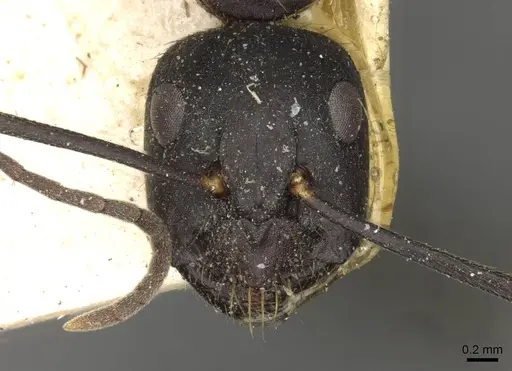
CASENT0910263
Visualizza su AntWeb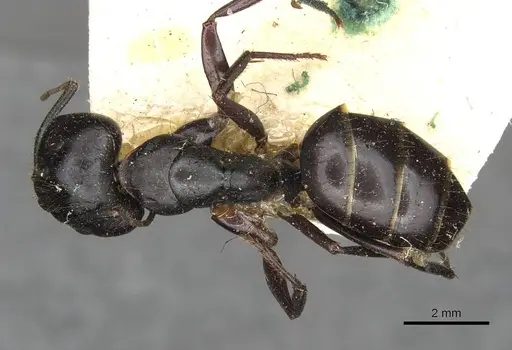
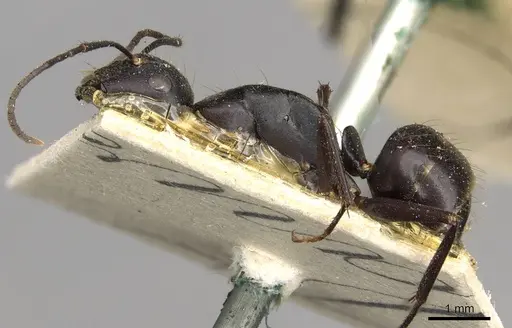
CASENT0910264
Visualizza su AntWeb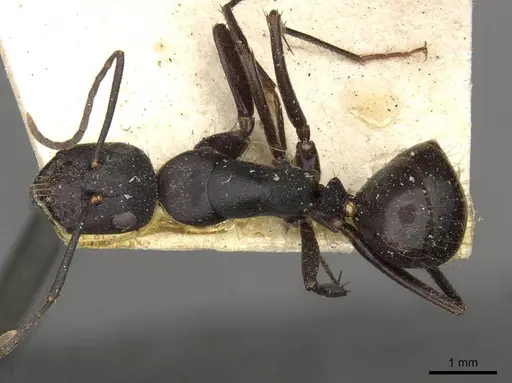
Letteratura
Caricamento mappa di distribuzione...Caricamento prodotti...