
Camponotus naegelii
- Nom. sci.
- Camponotus naegelii
- Sottogenere
- Myrmaphaenus
- Tribù
- Camponotini
- Sottofamiglia
- Formicinae
- Autore
- Forel, 1879
- Distribuzione
- Trovata in 0 paesi
Introduzione
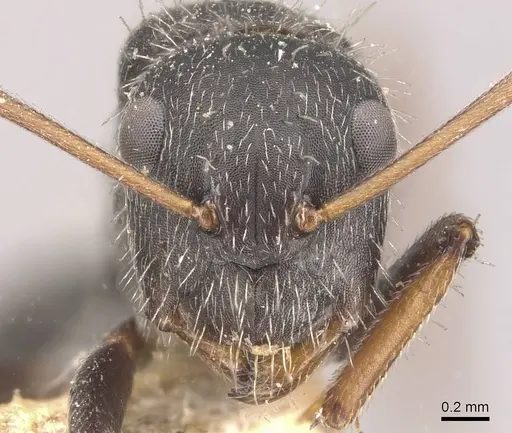
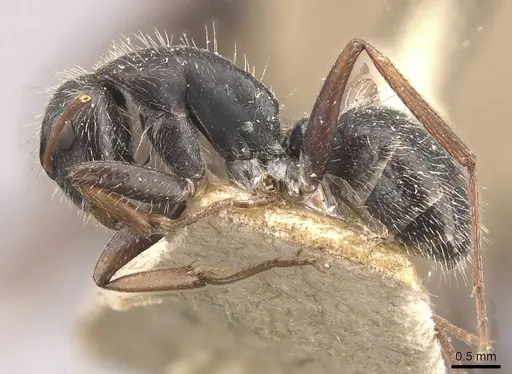
Camponotus naegelii is a Neotropical carpenter ant species native to Brazil, first described by Forel in 1879. These ants belong to the subgenus Myrmaphaenus and were previously classified as a subspecies of C. fastigatus before being recognized as a distinct species. Workers are polymorphic, existing as both smaller minor workers and larger major workers with enlarged heads. The species is found in the Brazilian states of São Paulo and Rio Grande do Sul, inhabiting tropical and subtropical forest regions [AntWiki]. This species remains poorly documented in scientific literature. Limited information exists about its specific behaviors, colony structure, or captive care requirements. As a Neotropical carpenter ant from Brazil, it likely shares many characteristics with other Camponotus species from similar habitats.
Quick Summary
- Difficulty: Medium
- Origin & Habitat: Native to southeastern Brazil, specifically São Paulo and Rio Grande do Sul states. Found in Neotropical forest habitats, likely nesting in rotting wood or under bark in humid forest environments [1][2].
- Colony Type: Likely monogyne based on typical Camponotus patterns, though colony structure is not directly documented for this species.
- Size & Growth:
- Queen: Size data unavailable, inferred from Camponotus genus (~12-15mm for South American species)
- Worker: Polymorphic, inferred from Camponotus genus (minor workers ~4-6mm, major workers ~7-12mm)
- Colony: Likely reaches several thousand workers at maturity based on typical Camponotus development
- Growth: Moderate, Camponotus species typically grow more slowly than smaller ants
- Development: Estimated 6-10 weeks at optimal temperature based on typical Camponotus development (Development time varies with temperature, warmer conditions within acceptable range accelerate development)
- Antkeeping:
- Temperature: Keep at 24-28°C, typical for Neotropical species. A temperature gradient allows ants to self-regulate. Room temperature (22-25°C) is often suitable
- Humidity: Maintain moderate to high humidity (60-80%) mimicking humid Brazilian forest floor conditions. Keep nest substrate consistently moist but not waterlogged
- Diapause: Likely a mild winter slowdown rather than true hibernation, given the tropical/subtropical origin. Reduce feeding and lower temperature slightly (18-20°C) during winter months
- Nesting: In captivity, they do well in Y-tong (AAC), plaster, or soil nests. Provide a dark, quiet location. As carpenter ants, they may prefer nests with some wood or woody materials, though they will readily accept standard formicarium setups
- Behavior: Generally calm and non-aggressive for a Camponotus species. Workers are moderate foragers and will search for protein and sugar sources. Major workers, if present, may defend the colony. They are not known to be particularly escape-prone, but standard barrier precautions are still recommended.
- Common Issues: limited documented care information makes species-specific guidance difficult, humidity control is critical, too dry causes brood failure, too wet promotes mold, slow growth compared to smaller ant species requires patience, temperature must remain stable, sudden drops stress colonies, as Neotropical species, they may not tolerate cool conditions below 18°C
Housing and Nest Setup
Camponotus naegelii adapts well to standard captive setups. Y-tong (AAC) nests work excellently, these provide the dark, enclosed chambers these ants prefer. Plaster nests with water reservoirs help maintain humidity. The nest should be placed in a quiet area away from direct sunlight and vibrations. An outworld (foraging area) connected to the nest allows for feeding and waste management. Ensure connections between nest and outworld are appropriately sized, large enough for workers but not so large that the colony feels exposed. A test tube setup works for founding colonies, then transition to a proper formicarium once the colony reaches 20-30 workers. [1]
Feeding and Diet
Like most Camponotus species, C. naegelii is omnivorous with a preference for protein. Offer protein sources such as mealworms, small crickets, or other insects 2-3 times per week. Sugar sources are important for energy, offer sugar water, honey, or diluted maple syrup regularly. Fresh fruit occasionally is also accepted. For founding colonies, the queen does not eat during claustral founding, she metabolizes stored fat. Once workers arrive, they will readily accept protein and sugar. Remove uneaten prey after 24-48 hours to prevent mold. A constant sugar water supply in the outworld helps sustain the colony between protein feedings. [1]
Temperature and Seasonal Care
Maintain temperatures between 24-28°C for optimal brood development. These Neotropical ants prefer warmth but can tolerate brief periods at 22°C. A heating cable on one side of the nest creates a gradient allowing ants to self-regulate. Place heating on top of the nest to avoid evaporating water too quickly. During winter months in temperate climates, a mild reduction to 18-20°C mimics seasonal slowdown. Do not cool dramatically, these ants are not cold-hardy. Reduce feeding frequency during cooler periods but maintain some sugar water availability. Avoid temperatures above 32°C or below 18°C for extended periods. [1]
Humidity and Moisture Management
Keep nest substrate consistently moist but never waterlogged. The ideal range is 60-80% relative humidity, mimicking humid Brazilian forest conditions. Monitor condensation in test tube setups, some condensation is normal and good, but excessive water can drown colonies. In formicarium setups, check substrate moisture every few days and add water gradually when surface begins drying. Provide a water test tube or other moisture source in the outworld as well. Good ventilation helps prevent mold while maintaining humidity, avoid completely sealed setups. [1]
Colony Development and Growth
Camponotus colonies grow more slowly than many smaller ant species. A newly mated queen will seal herself in a claustral chamber and lay eggs without leaving to forage. She metabolizes stored fat to feed herself and raise the first brood. This founding phase typically takes 4-8 weeks, after which the first workers (nanitics) emerge, these are usually smaller than normal workers. The colony then enters a growth phase where population increases gradually. Major workers (soldiers) typically appear once the colony reaches several hundred workers. Full maturity, with thousands of workers, may take 2-3 years under good conditions. Patience is essential, overfeeding or disturbing the nest does not speed growth and can harm the colony. [1]
Frequently Asked Questions
How long does it take for Camponotus naegelii to produce first workers?
Expect first workers (nanitics) to emerge 6-10 weeks after the queen lays eggs, assuming optimal temperatures around 24-28°C. This is typical for Camponotus species. The exact timing depends on temperature and whether the queen was recently mated when captured.
What do Camponotus naegelii ants eat?
They are omnivorous. Offer protein (insects like mealworms, crickets) 2-3 times per week and provide constant access to sugar sources (sugar water, honey, or maple syrup). They will also accept occasional fruit. Remove uneaten prey within 48 hours to prevent mold.
Do Camponotus naegelii ants need hibernation?
As a Neotropical species from Brazil, they do not require true hibernation. However, a mild winter slowdown (reducing to 18-20°C for 2-3 months) is beneficial and mimics natural seasonal cycles. Reduce feeding during this period but maintain sugar water availability.
What temperature is ideal for Camponotus naegelii?
Keep them at 24-28°C for optimal development. A slight gradient allowing cooler areas (22°C) is beneficial. They can tolerate brief periods outside this range but prolonged cold (below 18°C) or excessive heat (above 32°C) is harmful.
How big do Camponotus naegelii colonies get?
Based on typical Camponotus patterns, colonies likely reach several thousand workers at maturity over 2-3 years. Major (larger) workers typically appear once the colony grows beyond several hundred workers.
Is Camponotus naegelii good for beginners?
This species is rated Medium difficulty. While generally hardy once established, the limited documented care information makes it slightly more challenging than well-studied species. Beginners should be prepared for slower growth and pay close attention to humidity and temperature.
When should I move my colony to a formicarium?
Move from a test tube setup to a proper formicarium once the colony reaches 20-40 workers and the water tube shows signs of needing frequent refilling. A Y-tong or plaster nest works well. Make the transition gradual by connecting the formicarium to the test tube and allowing the ants to explore before closing off the old setup.
Can I keep multiple Camponotus naegelii queens together?
This species is likely monogyne (single queen). Combining unrelated queens is not recommended as they will likely fight. If you capture a colony with multiple queens, some may be ergatoid (wingless replacement) queens rather than founding queens.
Why is my Camponotus naegelii colony declining?
Common causes include: too low humidity (leading to brood failure), temperature stress (too cold or too hot), overfeeding causing mold, or disturbance to the nest. Check environmental conditions first. Also ensure the queen is still laying, without a laying queen, the colony will naturally decline as workers die off.
Report an Issue
The current care sheet is based fully on literature. See inconsistencies, or something that's incorrect? Please , it will be resolved after review from an admin. Contributing to the blogs tab also helps providing information, to make us be able to further improve the caresheets. Thank you for your support!
References

Questa scheda di allevamento è concessa in licenza con CC BY-SA 4.0 .
Blog della comunità
CASENT0910643
Visualizza su AntWeb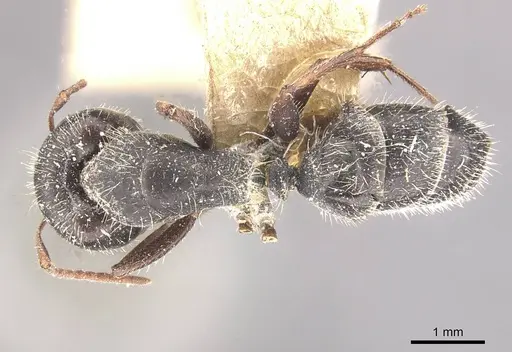
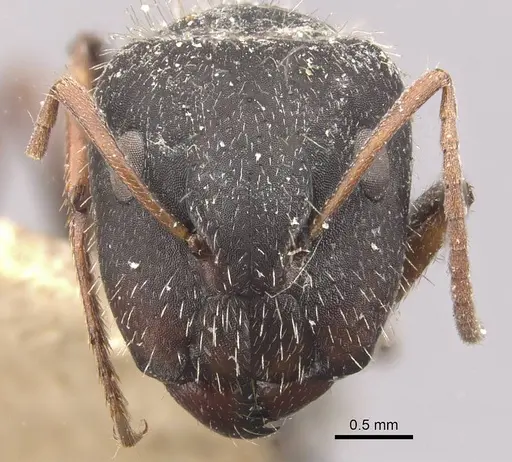
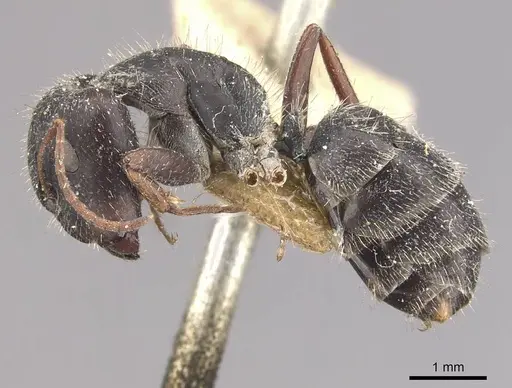
CASENT0910644
Visualizza su AntWeb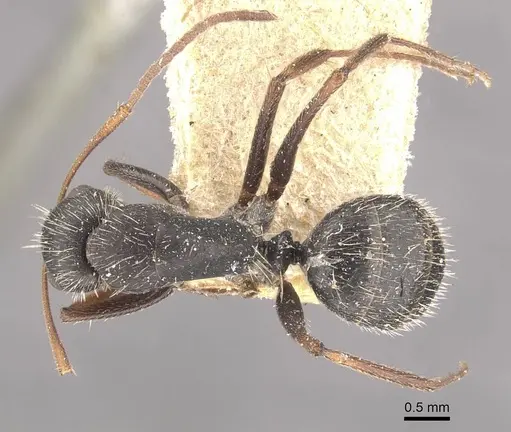
Letteratura
Caricamento mappa di distribuzione...Caricamento prodotti...