
Camponotus bruchi
- Nom. sci.
- Camponotus bruchi
- Sottogenere
- Tanaemyrmex
- Tribù
- Camponotini
- Sottofamiglia
- Formicinae
- Autore
- Forel, 1912
- Distribuzione
- Trovata in 0 paesi
Introduzione
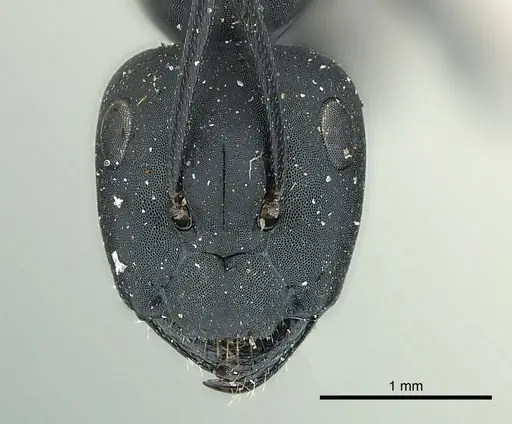
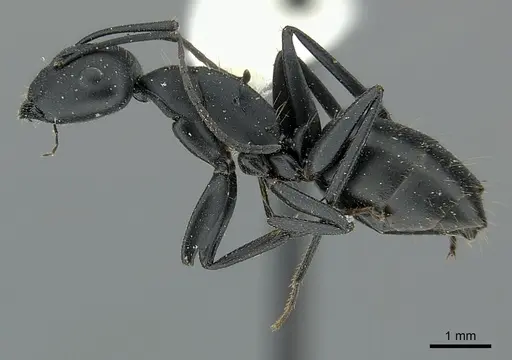
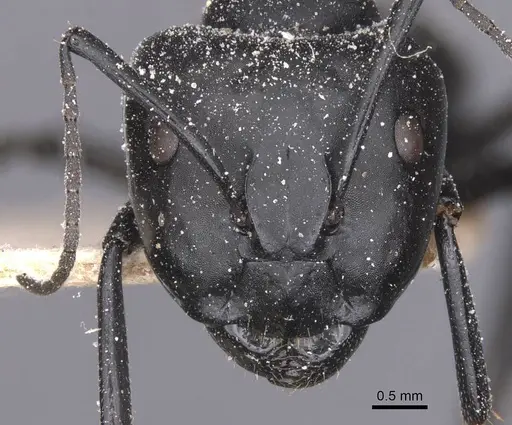
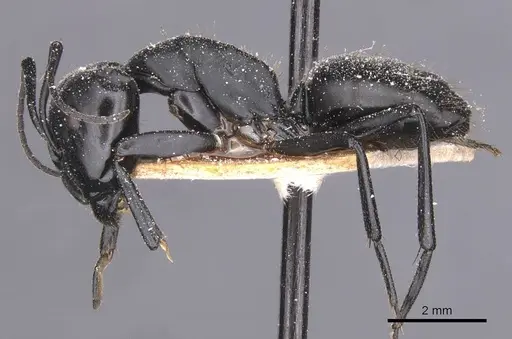
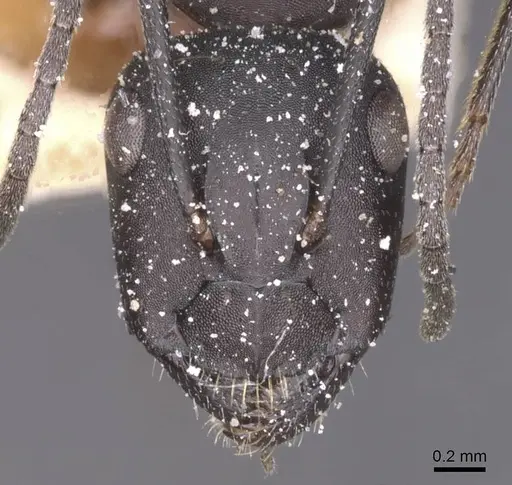
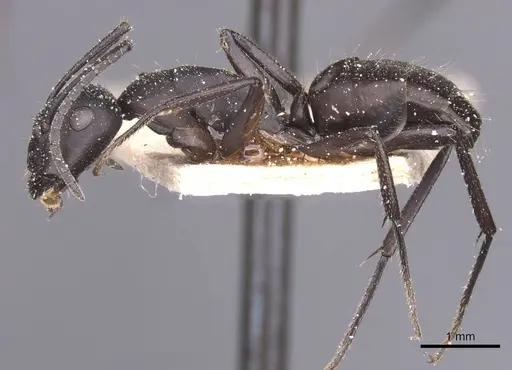
Camponotus bruchi is a large carpenter ant species native to the high-altitude Andes mountains in South America. Found in Argentina, Bolivia, and Peru, these ants inhabit elevations ranging from 1600m up to 4300m, making them one of the highest-dwelling ant species in the region [AntWiki]. Workers are typically reddish-brown to dark brown with a robust build typical of Camponotus. The species has two recognized subspecies: C. b. lysistrata and C. b. titicacensis [AntWiki]. What makes C. bruchi particularly interesting is its extreme high-altitude adaptation. Specimens have been recorded at Lake Titicaca at 3812m elevation, which represents the highest reliable elevation record for ants in Peru . This high-altitude origin means they are adapted to cooler temperatures and significant seasonal temperature fluctuations in their natural mountain habitat.
Quick Summary
- Difficulty: Medium
- Origin & Habitat: High-altitude regions of the Andes in Argentina, Bolivia, and Peru. Natural habitats include mountainous areas at elevations between 1600-4300m, with type specimens collected from volcanic regions in Catamarca, Argentina at 4000-4300m elevation [1].
- Colony Type: Colony structure is unconfirmed. Based on typical Camponotus patterns, likely single-queen colonies, but this has not been specifically documented for this species.
- Size & Growth:
- Queen: Size data unavailable for this species, inferred from Camponotus genus patterns to be approximately 12-15mm
- Worker: Size data unavailable for this species, inferred from Camponotus genus patterns to be approximately 6-12mm with polymorphic major and minor workers
- Colony: Up to several thousand workers at maturity based on typical Camponotus development
- Growth: Moderate, slower than tropical species due to cooler native climate
- Development: 8-12 weeks at optimal temperature based on typical Camponotus development (Development is temperature-dependent, cooler conditions will slow growth significantly)
- Antkeeping:
- Temperature: Keep at 18-22°C. This species prefers cooler conditions than most Camponotus due to their high-altitude origin. Avoid temperatures above 25°C.
- Humidity: Moderate humidity around 50-60%. Provide a water source via test tube setup. These ants are from drier high-altitude regions rather than humid rainforests.
- Diapause: Yes, likely requires a winter dormancy period of 2-3 months at 10-15°C, consistent with their temperate mountain habitat. Reduce feeding during this period.
- Nesting: Y-tong (AAC) nests or plaster nests work well. Provide narrow chambers typical of Camponotus. They will accept test tube setups for founding colonies. Avoid overly humid conditions.
- Behavior: Typical Camponotus temperament, generally calm and not aggressive unless their nest is threatened. Workers are moderate foragers, primarily active during cooler parts of the day. They are not known escape artists but use standard barrier precautions. As with other Formicinae, they lack a functional sting and instead bite and spray formic acid from their acidopore when threatened.
- Common Issues: temperature stress, they prefer cooler conditions and can overheat above 25°C, overfeeding during diapause period leading to mold issues in the nest, slow growth may cause keepers to overfeed or disturb the colony unnecessarily, high-altitude species may not adapt well to consistently warm room temperatures
Housing and Nest Setup
For founding colonies, a simple test tube setup works well. Fill a test tube with water and plug the end with cotton, providing a water reservoir. Place the queen in a dark area and leave her undisturbed for 4-6 weeks until the first workers emerge. Once the colony reaches 15-20 workers, you can transition to a more permanent formicarium. Y-tong (AAC) nests or plaster nests are ideal for established colonies. These ants prefer tighter chambers rather than overly spacious ones. Ensure the nest has a hydration section to maintain moderate humidity. A small outworld for foraging completes the setup. [1]
Feeding and Diet
Camponotus bruchi is omnivorous like most carpenter ants. Feed protein sources such as small insects (fruit flies, small crickets, mealworms), and provide sugar water or honey as an energy source. During the founding stage, the queen typically does not eat, she relies on stored fat reserves. Once workers emerge, offer small prey items 2-3 times per week. Sugar water should always be available in the outworld. Remove uneaten prey after 24 hours to prevent mold. This species is not an aggressive predator but will readily accept dead insects.
Temperature Management
This is the most critical aspect of keeping C. bruchi successfully. Being a high-altitude species from the Andes, they prefer cooler temperatures than most captive ant species. Maintain nest temperatures between 18-22°C. Room temperature in most homes is often too warm, you may need to keep them in a cooler room or use a small cooling method. Avoid placing the nest in direct sunlight or near heat sources. If workers appear sluggish and cluster together, the temperature is too low. If they avoid the nest area and spend more time in the outworld, it may be too warm. A temperature gradient allowing workers to choose their preferred zone is ideal. [1]
Seasonal Care and Diapause
C. bruchi likely requires a winter dormancy period to stay healthy long-term, consistent with their high-altitude origin. Reduce temperatures to 10-15°C for 2-3 months during winter, typically from late autumn through early spring. During this period, reduce feeding significantly, once every two weeks is sufficient, or skip feeding entirely. The colony will become less active and cluster together in the nest. Do not feed during deep dormancy as the ants cannot digest food properly. Return to normal temperatures gradually in spring. This diapause period mimics their natural high-altitude seasonal cycle and is essential for colony health and longevity. [1]
Growth and Development
Colony development is slower than many tropical ant species due to their cooler native climate. Expect 8-12 weeks from egg to first worker (nanitics) at optimal temperature. The first workers will be smaller than normal workers. After this, growth accelerates but remains moderate compared to species like Lasius or Tetramorium. A mature colony may take 2-3 years to reach several hundred workers. Patience is key with this species. Do not disturb the queen during the founding phase, she may be sensitive to vibrations. Once established, the colony is quite resilient.
Frequently Asked Questions
How long does it take for Camponotus bruchi to have first workers?
Expect 8-12 weeks from egg to first worker at optimal temperatures of 18-22°C. This is slower than many common species due to their cooler native climate. The first workers (nanitics) will be smaller than mature workers.
What temperature is best for Camponotus bruchi?
Keep them at 18-22°C. This high-altitude species prefers cooler conditions than most captive ants. Avoid temperatures above 25°C as they can overheat. Room temperature is often too warm, you may need to place them in a cooler location.
Can I keep multiple Camponotus bruchi queens together?
No. Based on typical Camponotus patterns, this species is likely single-queen (monogyne). Multiple unrelated queens will fight. Only keep one queen per colony. If you find a queen, house her alone in a test tube for founding.
Do Camponotus bruchi need hibernation?
Yes, they likely require a winter dormancy period. Reduce temperatures to 10-15°C for 2-3 months during winter. This mimics their natural high-altitude seasonal cycle and is essential for colony health. Reduce feeding during this period.
What do Camponotus bruchi eat?
They are omnivorous. Feed small insects like fruit flies, small crickets, or mealworms 2-3 times per week. Always provide sugar water or honey in the outworld. Remove uneaten prey after 24 hours to prevent mold.
Is Camponotus bruchi good for beginners?
This species is intermediate in difficulty. The main challenge is maintaining cooler temperatures year-round. If you can provide the right conditions (cool, stable temperatures around 20°C), they are rewarding to keep. They are not as forgiving as species like Lasius niger.
When should I move Camponotus bruchi to a formicarium?
Wait until the colony has 15-20 workers. Before this, a simple test tube setup is best for the queen and brood. Moving too early can stress the colony. Once they outgrow the test tube, transition to a Y-tong or plaster nest.
How big do Camponotus bruchi colonies get?
Mature colonies can reach several thousand workers over 2-3 years. They are polymorphic, you'll see both major (large) and minor (small) workers. Growth is moderate and slower than many common species.
Why is my Camponotus bruchi colony dying?
The most common cause is temperature stress, either too warm (above 25°C) or too cold. Check your temperatures first. Other causes include overfeeding leading to mold, disturbing the queen during founding, or using too humid conditions. These ants prefer cooler, moderately dry conditions.
Report an Issue
The current care sheet is based fully on literature. See inconsistencies, or something that's incorrect? Please , it will be resolved after review from an admin. Contributing to the blogs tab also helps providing information, to make us be able to further improve the caresheets. Thank you for your support!
References

Questa scheda di allevamento è concessa in licenza con CC BY-SA 4.0 .
Blog della comunità
CASENT0217615
Visualizza su AntWeb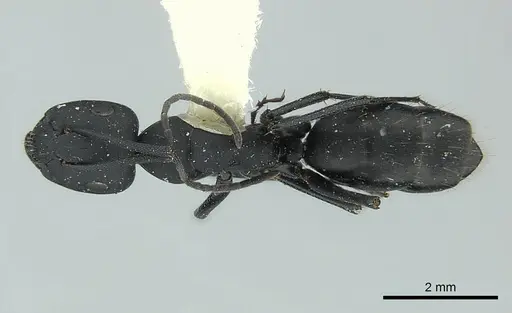
CASENT0905206
Visualizza su AntWeb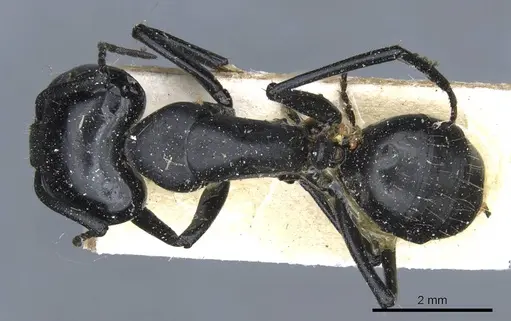
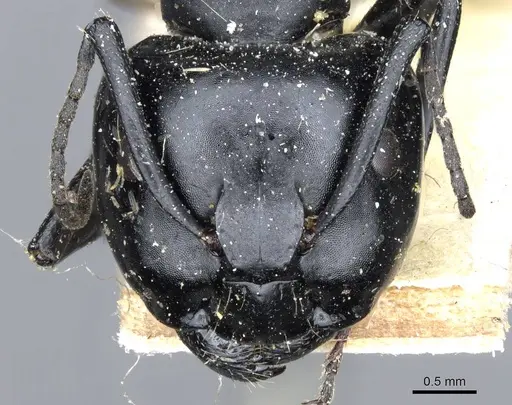
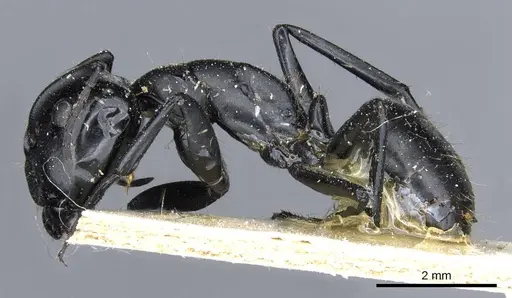
CASENT0909964
Visualizza su AntWeb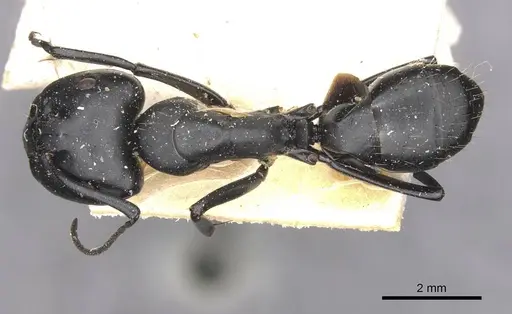
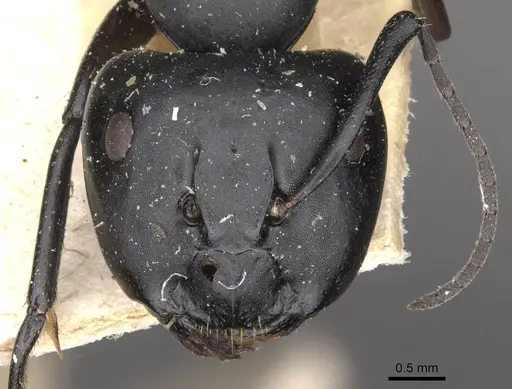
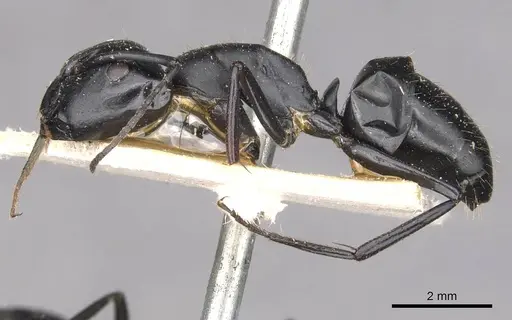
CASENT0909965
Visualizza su AntWeb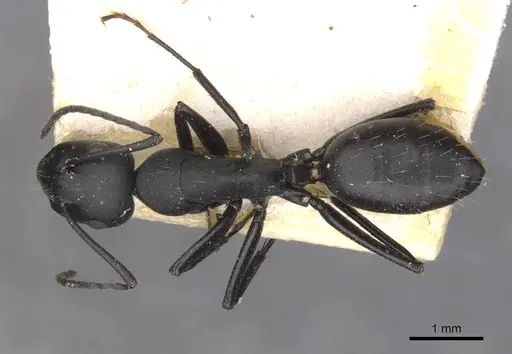
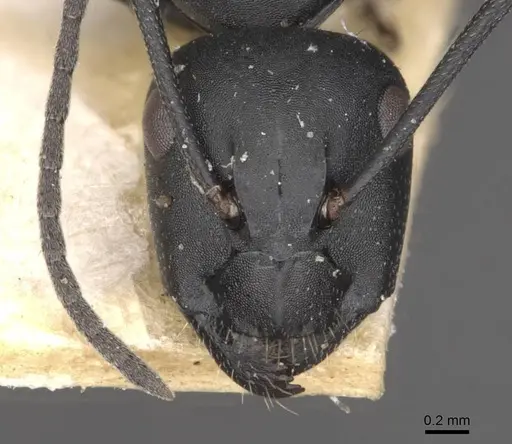
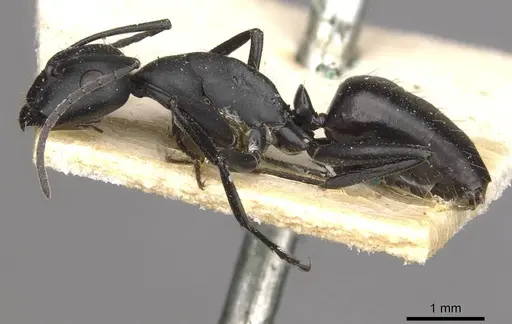
CASENT0911921
Visualizza su AntWeb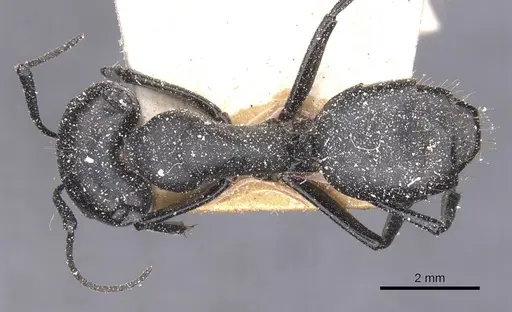
CASENT0911922
Visualizza su AntWeb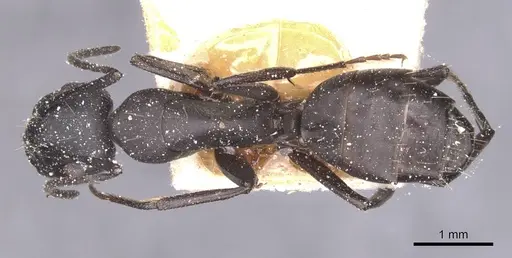
Letteratura
Caricamento mappa di distribuzione...Caricamento prodotti...