
Calyptomyrmex wittmeri
- Nom. sci.
- Calyptomyrmex wittmeri
- Tribù
- Crematogastrini
- Sottofamiglia
- Myrmicinae
- Autore
- Baroni Urbani, 1975
- Distribuzione
- Trovata in 0 paesi
Introduzione
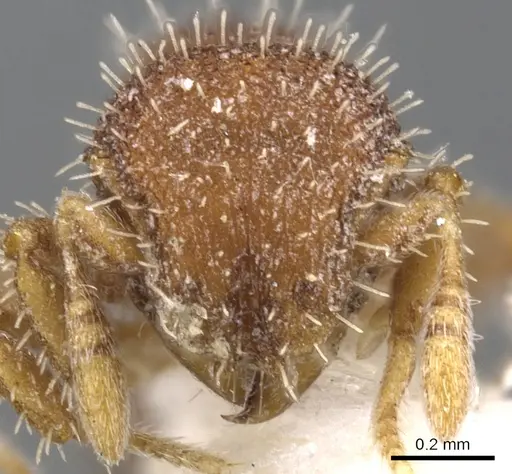
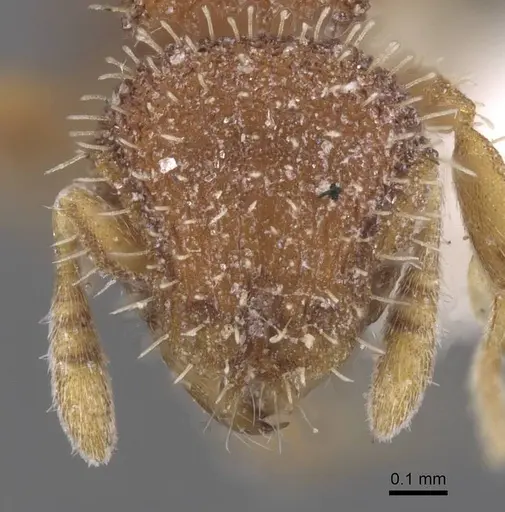
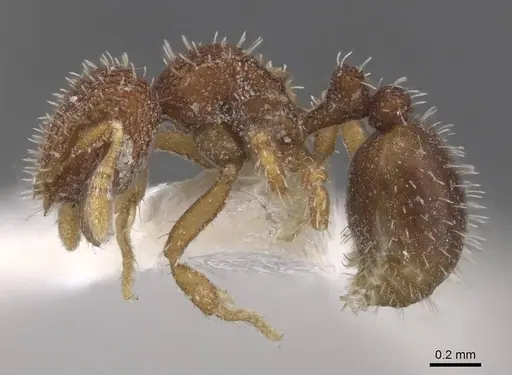
Calyptomyrmex wittmeri is a tiny, cryptic leaf-litter ant native to the Indomalayan region, found in Bhutan, China, and India . Workers have a dark brown body with lighter antennae and legs, and distinctive erect hairs covering their compact, stubby mesosoma . The genus Calyptomyrmex is recognized by their 12-segmented antennae with a 3-segmented club, globular head, and the characteristic forked projection on the clypeus . These ants live deep within leaf-litter and soil habitats, making them one of the more difficult ants to observe in the wild . Calyptomyrmex belongs to the Myrmicinae subfamily and uses a smear defense mechanism - they have a flattened, spatulate stinger that wipes venom onto enemies rather than piercing flesh.
Quick Summary
- Difficulty: Expert
- Origin & Habitat: This species is found across the Indomalayan region, with confirmed records from Bhutan, China, and southern India (Kerala) [1][3]. They inhabit leaf-litter in tropical and subtropical forests, typically at low elevations around 50 meters [2]. The ants are collected using Winkler extraction from soil and leaf-litter samples, indicating they nest in decaying organic matter on the forest floor [2].
- Colony Type: Colony structure is unconfirmed. No research exists on whether this species forms single-queen or multi-queen colonies.
- Size & Growth:
- Queen: Size data unavailable, no queen specimens have been described in scientific literature
- Worker: Workers are tiny, head length 0.61-0.64mm, head width 0.67-0.68mm [2]. Full body size data is not available.
- Colony: Unknown, no colony size data exists for this species
- Growth: Unknown, no development timing has been documented
- Development: Unconfirmed, no direct observations of colony development exist for this species. (Development timeline is unconfirmed. Specific data is lacking for this species.)
- Antkeeping:
- Temperature: Based on their tropical/subtropical leaf-litter habitat in Kerala and Bhutan, they likely prefer warm, stable conditions around 24-28°C. Start in this range and observe colony activity.
- Humidity: Leaf-litter ants require high humidity, keep the nest substrate consistently moist but not waterlogged. The substrate should feel damp to the touch with some slightly drier areas for the ants to regulate their own moisture exposure.
- Diapause: Unknown, no research on seasonal dormancy exists. Based on their tropical distribution in Kerala, they may not require a true diapause, but may show reduced activity during cooler months.
- Nesting: In nature they live in leaf-litter and decaying wood on the forest floor. For captivity, a small naturalistic setup with moist substrate (soil/peat mix), small chambers, and plenty of hiding spaces works well. Test tubes with cotton reservoirs can work for founding colonies if kept humid. Scale all passages to their tiny size.
- Behavior: These ants are cryptic and reclusive, spending most of their time hidden within the nest substrate. They are not aggressive and unlikely to bite or sting humans due to their tiny size. Foraging likely occurs in the substrate rather than in the open. Escape prevention is critical, their extremely small size means they can squeeze through standard barriers. Use fine mesh and tight-fitting lids. They are not suitable for observation-focused setups as they will remain hidden.
- Common Issues: their extreme small size makes escape prevention extremely difficult, standard barriers will not contain them., no documented care requirements exist, all guidance is based on genus-level inference., cryptic lifestyle means you may rarely see the ants, making it hard to monitor colony health., wild-caught colonies may be difficult to establish in captivity due to specialized leaf-litter habitat needs.
Understanding Calyptomyrmex Ants
Calyptomyrmex is a genus of tiny, cryptic ants in the Myrmicinae subfamily, tribe Crematogastrini. They are characterized by their small size, 12-segmented antennae with a 3-segmented club, and distinctive morphological features including a forked clypeal projection and globular head [2]. The genus name comes from Greek roots meaning 'hidden ant', reflecting their reclusive lifestyle deep within leaf-litter and soil [4]. Calyptomyrmex wittmeri was first described from Bhutan in 1975, with later records confirming its presence in China and southern India [1][3]. These ants are part of the leaf-litter ant community, a group of tiny ants that play important roles in decomposition and nutrient cycling in forest ecosystems.
Housing and Nest Setup
Housing Calyptomyrmex wittmeri presents unique challenges due to their extremely small size. Workers have a head length of just 0.61-0.64mm, making them among the smallest ants commonly kept [2]. This means escape prevention must be exceptional, even standard fine mesh may not contain them. Use multiple barrier layers and check for any gaps. For nesting, a naturalistic setup works best: a small container filled with moist soil, peat, or a mix of decaying leaves and small debris. The substrate should remain consistently damp but never waterlogged. Small chambers or artificial tunnels scaled to their tiny size can be created in plaster or Y-tong (AAC), but ensure all passages are appropriately sized. Test tube setups can work for founding colonies if placed inside a humid enclosure to prevent drying.
Feeding and Nutrition
Feeding requirements for Calyptomyrmex wittmeri are not documented in scientific literature. They likely follow typical leaf-litter ant patterns. As small Myrmicinae, they are probably omnivorous, feeding on small invertebrates, honeydew, and decaying organic matter. For captive feeding, offer tiny prey items appropriate to their size: live springtails, small fruit flies, or other micro-arthropods. They may accept sugar sources like diluted honey or sugar water, though acceptance is uncertain. Feed small amounts of protein twice weekly and provide a constant sugar source. Remove uneaten prey promptly to prevent mold in the humid setup they require.
Temperature and Humidity Management
Based on their collection from tropical Kerala at just 50 meters elevation and subtropical Bhutan, Calyptomyrmex wittmeri likely prefers warm, humid conditions [2]. Aim for temperatures in the 24-28°C range, this matches their natural lowland forest habitat. Room temperature may be adequate in warmer climates, but heating may be needed in cooler environments. Use a heating cable on one side of the nest to create a gentle gradient, placing it on top of the setup to avoid evaporating moisture. Humidity is critical: these leaf-litter ants require consistently moist substrate. The nesting area should feel damp to the touch. However, avoid stagnation, ensure some ventilation while maintaining humidity.
Challenges and Considerations
Keeping Calyptomyrmex wittmeri is genuinely challenging due to the complete lack of documented care requirements. Every aspect of their husbandry, from founding behavior to colony growth to specific dietary needs, must be inferred from related species and genus patterns. This makes them suitable only for experienced antkeepers comfortable with experimental care. Their tiny size creates practical difficulties: standard feeding dishes are too large, standard water feeders do not work, and escape prevention requires extraordinary measures. Additionally, wild-caught colonies may be difficult to establish, as these specialized leaf-litter ants may not adapt well to captive conditions. Expect a steep learning curve and be prepared to experiment with different setups. They are not suitable for beginners or those wanting an observable, interactive ant colony.
Frequently Asked Questions
How long does it take for Calyptomyrmex wittmeri to develop from egg to worker?
This is unconfirmed, no scientific observations of their development timeline exist for this species.
What do Calyptomyrmex wittmeri ants eat?
Their specific diet is not documented. Based on genus patterns, they likely eat small invertebrates and may accept sugar sources. Offer tiny live prey like springtails or fruit flies, and provide diluted honey or sugar water. Acceptance is uncertain, experiment carefully.
Are Calyptomyrmex wittmeri good for beginners?
No. This species is not suitable for beginners. There is no documented care information, they require specialized leaf-litter habitat conditions, and their extreme small size creates practical challenges. They are best suited for expert antkeepers interested in keeping poorly-studied species.
Do Calyptomyrmex wittmeri ants sting?
While all Myrmicinae have stingers, these ants are so tiny that their sting is unlikely to penetrate human skin. They are not considered dangerous to humans.
What temperature do Calyptomyrmex wittmeri ants need?
Based on their tropical distribution, aim for 24-28°C. This is an inference from their habitat in Kerala and Bhutan, no direct thermal studies exist for this species.
How big do Calyptomyrmex wittmeri colonies get?
Colony size is unknown, no research documents maximum colony size for this species.
Can I keep multiple Calyptomyrmex wittmeri queens together?
This is unconfirmed. No research exists on their colony structure (monogyne vs polygyne). Do not attempt combining unrelated queens without documented success with this species.
Why can't I see my Calyptomyrmex wittmeri ants?
This is normal, Calyptomyrmex are cryptic leaf-litter ants that spend most of their time hidden within the substrate. They are not active on the surface and will rarely be visible. This is not a sign of colony decline.
How do I prevent Calyptomyrmex wittmeri from escaping?
Escape prevention is critical due to their extreme small size. Use multiple barrier layers, fine mesh that has been verified to contain ants this small, and check all lid seams carefully. Standard barriers will likely fail.
Do Calyptomyrmex wittmeri need hibernation?
Unknown, no research on seasonal dormancy exists. Based on their tropical distribution in Kerala, they likely do not require a true diapause, though they may show reduced activity during cooler months.
Report an Issue
The current care sheet is based fully on literature. See inconsistencies, or something that's incorrect? Please , it will be resolved after review from an admin. Contributing to the blogs tab also helps providing information, to make us be able to further improve the caresheets. Thank you for your support!
References

Questa scheda di allevamento è concessa in licenza con CC BY-SA 4.0 .
Blog della comunità
CASENT0900994
Visualizza su AntWeb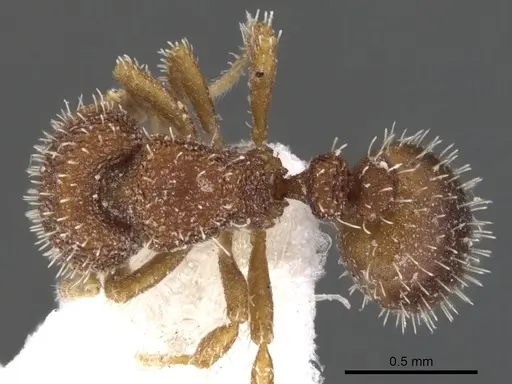
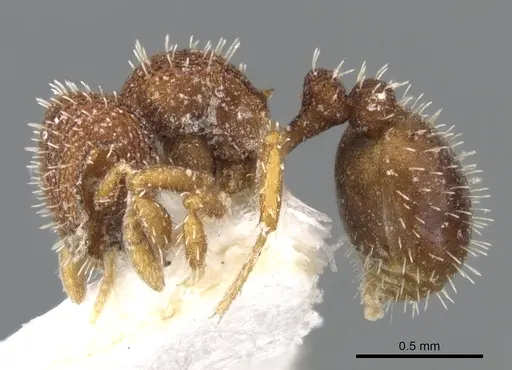
CASENT0913957
Visualizza su AntWeb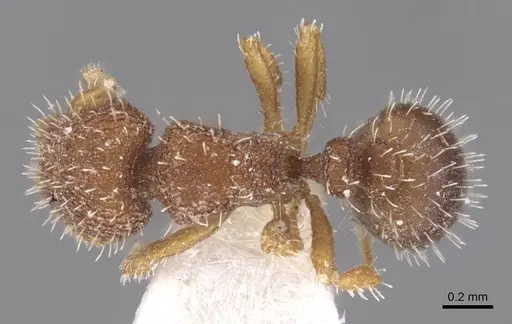
Letteratura
Caricamento mappa di distribuzione...Caricamento prodotti...