
Aenictus gleadowii
- Nom. sci.
- Aenictus gleadowii
- Sottofamiglia
- Dorylinae
- Autore
- Forel, 1901
- Distribuzione
- Trovata in 0 paesi
Introduzione
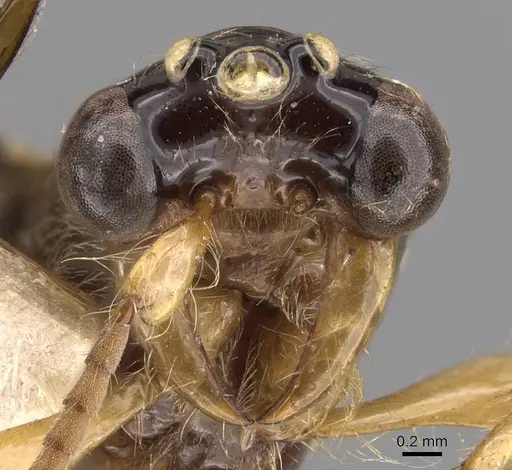
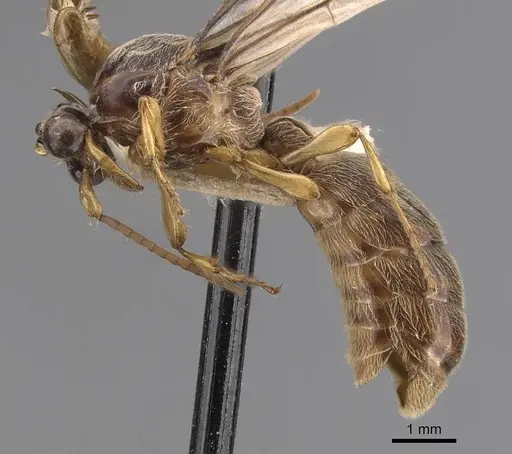
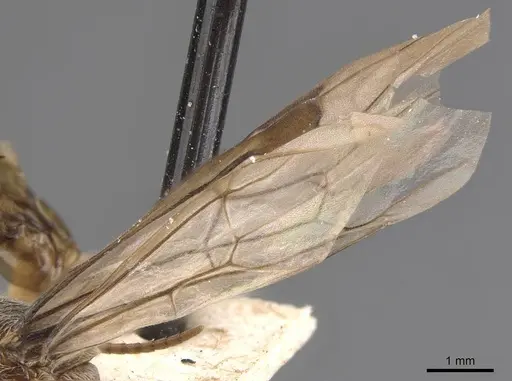
Aenictus gleadowii is an army ant species first described by Forel in 1901 from male specimens collected in Kanara, Karnataka, India . This species is endemic to India, with confirmed records from Karnataka and the Andaman and Nicobar Islands . Only male specimens have been described for this species; queen and worker castes remain undescribed. As a member of the subfamily Dorylinae, they are classified as true army ants, highly mobile predators that do not construct permanent nests but instead form temporary bivouacs . This species is not suitable for antkeeping. Army ants require nomadic movement, massive foraging territories, and living ant colonies as prey, conditions that cannot be replicated in captivity.
Quick Summary
- Difficulty: Expert (unsuitable for antkeeping)
- Origin & Habitat: Endemic to India, recorded from Karnataka and the Andaman and Nicobar Islands in tropical forest habitats [2].
- Colony Type: Unknown, army ant colony structure is unstudied for this species
- Size & Growth:
- Queen: Size data unavailable, only male specimens have been described [1]
- Worker: Size data unavailable, worker caste undescribed
- Colony: Unknown, army ant colonies may reach thousands of workers in some species
- Growth: Unknown
- Development: Unknown (Development timeline unstudied for this species)
- Antkeeping:
- Temperature: Unknown, based on tropical Indian distribution, likely requires warm conditions. Start around 25-28°C and observe colony response.
- Humidity: Unknown, tropical species likely require moderate to high humidity. Keep substrate damp but not waterlogged.
- Diapause: Unknown, tropical distribution suggests no winter diapause required.
- Nesting: No permanent nest, army ants form temporary bivouacs. Standard formicariums are completely unsuitable.
- Behavior: Nomadic group predator, conducts raids on other ant colonies. Escape risk is extreme due to small size and active foraging behavior.
- Common Issues: nomadic lifestyle makes permanent nest housing impossible, they will not stay in a standard formicarium., require constant supply of specific prey (other living ant colonies) that is impractical to maintain in captivity., tropical origin means they likely require consistent warmth, temperature drops may cause mortality., tiny size and continuous raiding behavior make escape prevention nearly impossible without specialized barriers.
Distribution and Endemism
Aenictus gleadowii is endemic to India, meaning it occurs nowhere else in the world [2]. The species was first described from Kanara in Karnataka state [1], and subsequent records confirm its presence in the Andaman and Nicobar Islands [2]. This restricted distribution places the species within the Indomalaya biogeographic region, where it inhabits tropical forest ecosystems. The specific microhabitat preferences within these regions remain unstudied.
Army Ant Biology
As a member of the subfamily Dorylinae, Aenictus gleadowii is a true army ant [3]. Army ants are characterized by their nomadic lifestyle, they do not build permanent nests but instead form temporary living structures called bivouacs using their own bodies. They conduct organized group raids to prey upon other social insects, particularly the brood of other ant species. This biology makes them fundamentally different from typical antkeeping species. They require massive foraging territories and constant movement that cannot be replicated in standard captive setups.
Captive Care Feasibility
Aenictus gleadowii is not suitable for antkeeping. Their nomadic behavior means they will not remain in a test tube or formicarium. They require living ant colonies as food, necessitating a constant supply of prey species that is impractical for most keepers to maintain. Additionally, their small size and active raiding behavior make escape virtually certain in standard enclosures. No successful long-term captive care protocol exists for this species, and attempting to keep them will likely result in colony death or escape.
Frequently Asked Questions
Can I keep Aenictus gleadowii in a test tube?
No. Army ants do not fit standard test tube setups. They require space for nomadic movement and group foraging behavior, and will not remain in a confined tube.
What do Aenictus gleadowii eat?
Unknown for this specific species, but Aenictus army ants are specialized predators of other social insects, primarily ant brood. They require living ant colonies as food, making captive feeding impractical.
How long until Aenictus gleadowii get their first workers?
Unknown. Specific egg-to-worker timelines for this species are unconfirmed.
Do Aenictus gleadowii need hibernation?
Unknown, but unlikely. Their tropical Indian distribution suggests they do not require winter diapause.
Can I keep multiple Aenictus gleadowii queens together?
Unknown for this species. While army ants often have multiple queens in the wild, combining unrelated founding queens has not been documented and is not recommended.
Are Aenictus gleadowii dangerous?
Army ants have strong mandibles and can bite. They are not suitable for handling.
Where do Aenictus gleadowii live in the wild?
They are endemic to India, specifically recorded from Karnataka and the Andaman and Nicobar Islands.
Are Aenictus gleadowii good for beginners?
No. They are unsuitable for antkeeping due to their nomadic lifestyle, specialized predatory requirements, and the impossibility of meeting their biological needs in captivity.
Why are my Aenictus gleadowii dying?
If you are attempting to keep this species, mortality is expected. They cannot survive in standard nests and require conditions, such as constant access to living prey colonies and foraging space, that are impossible to replicate in captivity.
How big do Aenictus gleadowii colonies get?
Unknown for this specific species. Colony size data for Aenictus gleadowii has not been documented.
Report an Issue
The current care sheet is based fully on literature. See inconsistencies, or something that's incorrect? Please , it will be resolved after review from an admin. Contributing to the blogs tab also helps providing information, to make us be able to further improve the caresheets. Thank you for your support!
References

Questa scheda di allevamento è concessa in licenza con CC BY-SA 4.0 .
Blog della comunità
CASENT0907004
Visualizza su AntWeb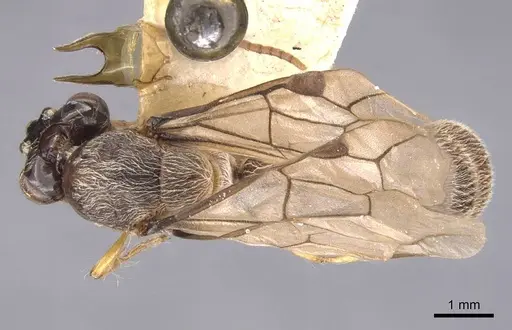
Letteratura
Caricamento mappa di distribuzione...Caricamento prodotti...