
Trichomyrmex epinotalis
- Nama Ilmiah
- Trichomyrmex epinotalis
- Tribe
- Crematogastrini
- Subfamili
- Myrmicinae
- Penulis
- Santschi, 1923
- Distribusi
- Ditemukan di 0 negara
Pendahuluan
Trichomyrmex epinotalis is a small ant native to Central Africa, documented from the Democratic Republic of Congo . It was originally classified as Monomorium epinotale, but reclassified into the resurrected genus Trichomyrmex in 2015 based on phylogenetic analysis that placed it among the Monomorium scabriceps- and destructor-groups . Worker size is unknown but inferred from related species to be around 2-4 mm. This species is poorly studied, with almost no field research on its ecology or behavior. For antkeepers, the best guidance comes from better-known relatives, especially Trichomyrmex destructor.
Quick Summary
- Difficulty: Unknown, likely Easy to Medium based on related species
- Origin & Habitat: Central Africa, specifically the Democratic Republic of Congo [1]. Likely inhabits tropical forest edges or disturbed areas, similar to related species.
- Colony Type: Unconfirmed, likely single-queen colonies (monogyne) based on patterns seen in related Trichomyrmex species
- Size & Growth:
- Queen: Unconfirmed, estimated 5-7mm based on genus-level patterns
- Worker: Unconfirmed, estimated 2-4mm based on related species in the destructor group
- Colony: Unconfirmed, likely up to several hundred workers based on typical colony sizes for this genus group
- Growth: Unknown, likely moderate based on related species
- Development: Estimated 5-8 weeks at warm tropical temperatures (25-28°C), based on development times from related Trichomyrmex species (Development timeline is inferred from genus-level data, not directly studied for this species)
- Antkeeping:
- Temperature: Keep warm, around 24-28°C, based on tropical origin. Provide a temperature gradient so workers can choose their preferred zone.
- Humidity: Keep the nest substrate damp but not waterlogged. Provide a moisture gradient within the nest.
- Diapause: Unlikely required, as a tropical species, they probably do not need a true hibernation period. A slight cool-down (18-20°C) during winter may be safe if your room temperature drops significantly.
- Nesting: Acceptable options include test tubes for founding, Y-tong (AAC) nests, or plaster setups. The species likely prefers enclosed, humid spaces. Start with a simple test tube setup and observe preferences.
- Behavior: Behavior is unconfirmed for this species, but related Trichomyrmex are active foragers that accept a variety of foods. They are not particularly aggressive toward keepers but will defend the nest if disturbed. Their small size makes escape prevention critical, use fine mesh and seal gaps. As a member of Myrmicinae (tribe Crematogastrini), they have a modified spatulate stinger that smears venom rather than piercing, but this has not been specifically studied in T. epinotalis.
- Common Issues: lack of species-specific care data forces keepers to experiment, expect to try different conditions, escape prevention is critical due to small worker size, ants can squeeze through tiny gaps, wild-caught colonies may carry parasites or diseases that can cause colony failure in captivity, temperature too low will slow or stop brood development, keep warm, without documented diet preferences, acceptance of various foods may vary between colonies
Taxonomy and Classification
Trichomyrmex epinotalis was first described as Trichomyrmex epinotalis. In 2015,a phylogenetic study resurrected the genus Trichomyrmex to include species from the Trichomyrmex scabriceps- and destructor-groups, and T. epinotale was moved to this genus [2]. The species has been recorded in the Democratic Republic of Congo [1], but its full geographic range across Central Africa is unclear due to limited surveys. Antkeepers may find older literature listing it under Monomorium.
Housing and Nesting
Since no specific nesting preferences are known for this species, start with a test tube setup: fill a test tube one-third with water, plug with a cotton ball to create a reservoir, and place the queen in the chamber. For larger colonies, Y-tong (AAC) or plaster nests provide good humidity control. Provide dark, enclosed spaces, typical for forest-dwelling ants. Avoid bright light near the nest. Ensure ventilation to prevent mold while maintaining moisture.
Feeding and Diet
Diet is not documented for this species, but related Trichomyrmex are omnivorous. Offer sugar water or honey as a constant energy source, and protein from small insects (fruit flies, pinhead crickets, mealworms) or commercial ant food. Start with sugar water and observe acceptance. Offer protein twice weekly, removing uneaten food within 24 hours to prevent mold. Be patient if acceptance is slow.
Temperature and Seasonal Care
As a tropical species, Trichomyrmex epinotalis prefers consistent warmth. Maintain 24-28°C with a heat cable or mat on one side of the nest, leaving a cooler area so ants can thermoregulate. In winter, if your room temperature drops significantly, a slight cool-down to 18-20°C may be safe, but avoid prolonged cold. No hibernation period is required.
Colony Development and Growth
Colony founding behavior is unconfirmed for this species. For related Trichomyrmex, queens likely found colonies claustrally, but this is not validated for T. epinotalis. Development from egg to worker is estimated at 5-8 weeks at optimal temperatures based on related species. Once nanitics emerge, workers handle foraging and brood care. Growth rate is likely moderate, with colonies reaching several hundred workers over time.
Behavior and Temperament
No specific behavioral studies exist for this species. Related Trichomyrmex are active foragers with moderate nest defense. Workers likely use alarm pheromones to coordinate, typical of Myrmicinae. Their small size means they can escape through tiny gaps, always use fine mesh. As members of Myrmicinae, they possess a stinger, but it is modified for smearing venom rather than piercing, though this has not been studied in T. epinotalis. Move slowly when disturbing the nest to avoid stress.
Frequently Asked Questions
How long does it take for Trichomyrmex epinotalis to raise first workers?
Based on related species, expect 5-8 weeks from egg to first worker at 24-28°C. This is an estimate, not directly documented for this species.
What do Trichomyrmex epinotalis ants eat?
They are likely omnivorous like related species. Offer sugar water or honey as a constant energy source, plus protein from small insects (fruit flies, mealworms) or commercial ant food. Start with sugar water and observe acceptance.
Do Trichomyrmex epinotalis ants need hibernation?
Unlikely, as a tropical African species, they probably do not require true hibernation. A slight temperature reduction in winter may be safe if your room gets cool, but avoid cold temperatures.
Are Trichomyrmex epinotalis good for beginners?
Difficulty is unconfirmed, but based on related species, they are likely manageable for beginners. The main challenge is the lack of species-specific care information, be prepared to experiment.
How big do Trichomyrmex epinotalis colonies get?
Colony size is unconfirmed, but based on related species, they likely reach several hundred workers. Expect moderate growth over months to years.
Can I keep multiple Trichomyrmex epinotalis queens together?
Colony structure is unconfirmed. Related species are typically monogyne (single queen), so combining queens is not recommended without evidence of polygyny.
What temperature do Trichomyrmex epinotalis need?
Keep them warm at 24-28°C. This tropical species prefers consistent warmth. Use a heating cable on one side of the nest with a cooler zone for thermoregulation.
Do Trichomyrmex epinotalis ants sting?
As Myrmicinae, they have a stinger, but it is modified for smearing venom rather than piercing. Related species are not known for painful stings. They will sting if handled roughly, but are not aggressive toward keepers.
When should I move my colony to a formicarium?
Wait until the colony has at least 20-30 workers before moving from a test tube. The colony should be stable and actively foraging. Moving too early can stress the queen.
Why are my Trichomyrmex epinotalis dying?
Common causes: temperature too low, humidity wrong (too dry or waterlogged), escape-related stress, parasites from wild colonies, or excessive disturbance. Review each factor.
Report an Issue
The current care sheet is based fully on literature. See inconsistencies, or something that's incorrect? Please , it will be resolved after review from an admin. Contributing to the blogs tab also helps providing information, to make us be able to further improve the caresheets. Thank you for your support!
References

Lembar perawatan ini dilisensikan di bawah CC BY-SA 4.0 .
Blog Komunitas
CASENT0913578
Lihat di AntWeb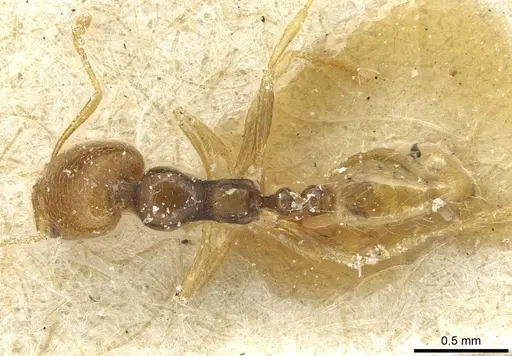
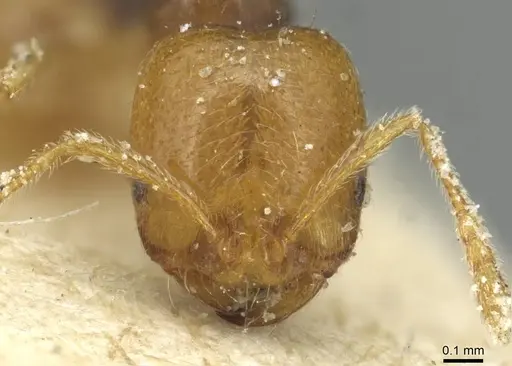
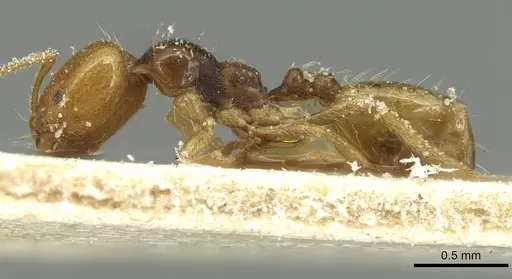
Literatur
Memuat peta distribusi...Memuat produk...