
Tetraponera protensa
- Nama Ilmiah
- Tetraponera protensa
- Tribe
- Pseudomyrmecini
- Subfamili
- Pseudomyrmecinae
- Penulis
- Xu & Chai, 2004
- Distribusi
- Ditemukan di 0 negara
Pendahuluan
Tetraponera protensa is a slender, black arboreal ant from southern China. Workers measure 4.8-4.9 mm and have brownish-yellow antennae and tarsi . It belongs to the Tetraponera allaborans group and can be identified by its exceptionally long middle clypeal tooth . This species lives in mountain rainforests around 1120 m elevation in Yunnan Province, and has also been collected in the Gaoligong Shan mountains . As a member of the Pseudomyrmecinae subfamily, it uses a potent sting as its primary defense and actively hunts prey in the trees.
Quick Summary
- Difficulty: Medium
- Origin & Habitat: Southern China (Yunnan Province), mountain rainforests at roughly 1120 m elevation, including Xishuangbanna Nature Reserve and Gaoligong Shan mountains [2][1].
- Colony Type: Unconfirmed, no published data on queen number or social structure. Single-queen colonies are typical for most Tetraponera species, but this has not been verified.
- Size & Growth:
- Queen: Data unavailable, queens have not been described in the literature [1].
- Worker: 4.8-4.9 mm (total length) [1].
- Colony: Unknown, no colony size estimates exist for this species in the literature.
- Growth: Unknown, not documented. Based on related arboreal species, a moderate pace is likely.
- Development: Not documented for this species. Inferred from Pseudomyrmecinae development: estimated 6-10 weeks under optimal conditions. (No species-specific studies, timeline is a rough guide based on close relatives.)
- Antkeeping:
- Temperature: Likely 24-28 °C, based on its subtropical rainforest origin. Provide a gentle gradient for self‑regulation [1].
- Humidity: High humidity needed, keep nest substrate consistently moist but not waterlogged. Mimic a humid tree cavity. Exact percentage not known [1].
- Diapause: Unknown, the species comes from a subtropical region without a true cold season. Most likely no hibernation is required, but keepers should observe activity levels.
- Nesting: Arboreal, provide hollow twigs, cork bark, or a Y‑tong/plaster nest with high humidity. Avoid acrylic nests [1].
- Behavior: Active and aggressive foragers with a potent sting (subfamily trait). They are fast‑moving and hunt small prey. Defensive of the nest, they will sting intruders. Because of their small size and speed, escape prevention (fluon, tight lids) is critical.
- Common Issues: potent sting can make handling difficult, avoid unnecessary nest disturbance., high humidity needs can cause mold if ventilation is poor, balance moisture with airflow., arboreal nature requires vertical space and climbing surfaces in the outworld., small size and speed make escape prevention essential, seal all gaps., very limited availability in the hobby, almost no species‑specific husbandry data exists.
Housing and Nest Setup
Tetraponera protensa naturally nests in hollow twigs, rotting wood, or other elevated cavities in rainforest trees [1]. In captivity, provide a naturalistic setup: cork bark rounds, bamboo sections, or a Y‑tong/plaster nest with high humidity. Avoid acrylic nests. The outworld should contain branches and vertical climbing surfaces because these ants are active arboreal foragers. Keep the nest chamber dark and moist, mimicking a tree cavity.
Feeding and Diet
As active predators (subfamily Pseudomyrmecinae), T. protensa hunts small arthropods. Offer live prey such as fruit flies, small crickets, or mealworms 2-3 times per week. They may also accept honey water or sugar water as a supplement. Remove uneaten prey after 24 h to prevent mold. No species‑specific dietary studies exist, so adjust based on colony response.
Temperature and Humidity
Based on its mountain rainforest origin in Yunnan, maintain temperatures around 24-28 °C [1]. High humidity is critical, keep the nest substrate consistently moist but not waterlogged. Use a water reservoir or regular misting, but ensure adequate ventilation to prevent mold. A heating cable on one side of the nest can help create a gradient.
Behavior and Defense
Like all Pseudomyrmecinae, T. protensa has a well‑developed sting and will aggressively defend its nest. Workers are fast, active hunters and readily sting intruders. Because they are small and quick, use fluon on nest edges and seal all openings to prevent escape. Avoid unnecessary nest disturbance.
Colony Development
Colony founding has not been documented for this species [1]. Based on typical arboreal pseudomyrmecines, queens may seal themselves in a chamber and raise the first brood alone, but this is unconfirmed. Mature colony size and growth rate are unknown. Once workers appear, provide a steady supply of small live prey. Stable warmth and humidity are key.
Frequently Asked Questions
How long does it take for Tetraponera protensa to produce first workers?
Not documented for this species. Based on related Pseudomyrmecinae, first workers likely appear within 6-10 weeks at optimal temperature (around 26 °C). This is a rough estimate.
Does Tetraponera protensa sting?
Yes, as a Pseudomyrmecinae, it has a potent sting and will use it when threatened. Handle carefully and avoid disturbing the nest.
What do Tetraponera protensa ants eat?
They are active predators. Offer small live insects like fruit flies, small crickets, or mealworms. They may also take sugar water or honey as a supplemental energy source.
Can I keep Tetraponera protensa in a test tube?
A test tube can be used for founding or small colonies, but because they are arboreal, they prefer natural nesting materials like cork bark or hollow twigs. Move to a more suitable setup as the colony grows.
Do Tetraponera protensa ants need hibernation?
Unknown, but given their subtropical origin, they likely do not require true hibernation. Keep them warm year‑round (24-28 °C). Activity may slow in cooler months but this is not a necessity.
How big do Tetraponera protensa colonies get?
Unknown, no colony size data exists for this species. Most arboreal Pseudomyrmecinae reach a few hundred to a few thousand workers under good conditions, but this is speculation.
Are Tetraponera protensa ants good for beginners?
Ranked medium difficulty. Their potent sting, high humidity needs, and limited husbandry information make them more suitable for keepers with some experience rather than absolute beginners.
What temperature is best for Tetraponera protensa?
Aim for 24-28 °C, reflecting their mountain rainforest origin. Provide a slight gradient so the ants can self‑regulate.
Why are my Tetraponera protensa dying?
Possible causes: temperatures too low (below 24 °C), humidity too low or inconsistent, poor ventilation leading to mold, or insufficient protein. Check all three and adjust gradually.
When should I move Tetraponera protensa to a formicarium?
Move from a test tube when the colony outgrows the space, for example, when the queen cannot lay freely because of worker crowding. A naturalistic setup with climbing surfaces is recommended for this arboreal species.
Report an Issue
The current care sheet is based fully on literature. See inconsistencies, or something that's incorrect? Please , it will be resolved after review from an admin. Contributing to the blogs tab also helps providing information, to make us be able to further improve the caresheets. Thank you for your support!
References

Lembar perawatan ini dilisensikan di bawah CC BY-SA 4.0 .
Blog Komunitas
ANTWEB1060543
Lihat di AntWeb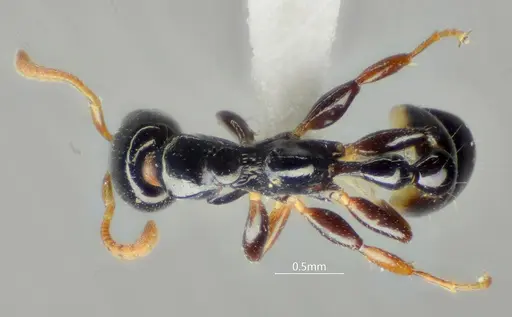
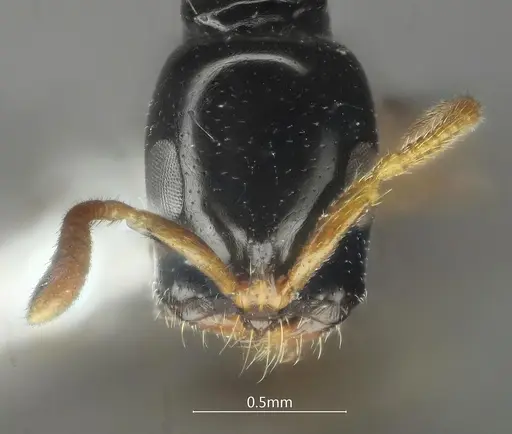
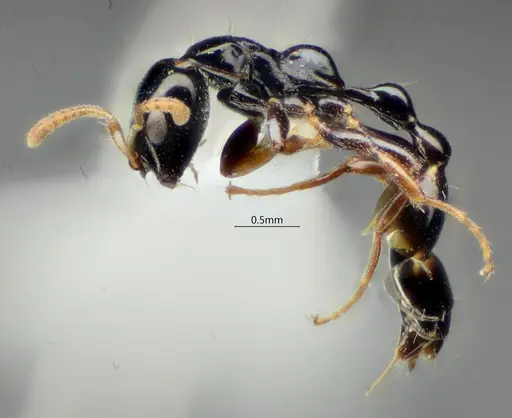
Literatur
Memuat peta distribusi...Memuat produk...