
Tetraponera continua
- Nama Ilmiah
- Tetraponera continua
- Tribe
- Pseudomyrmecini
- Subfamili
- Pseudomyrmecinae
- Penulis
- Forel, 1907
- Distribusi
- Ditemukan di 2 negara
Pendahuluan
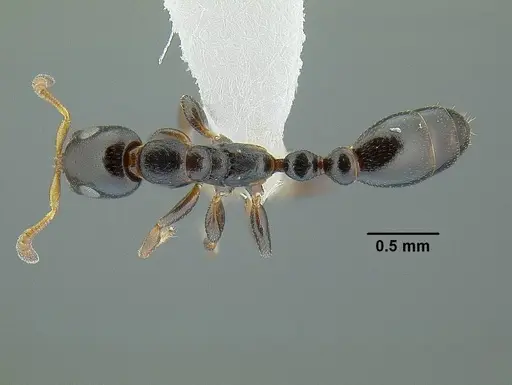
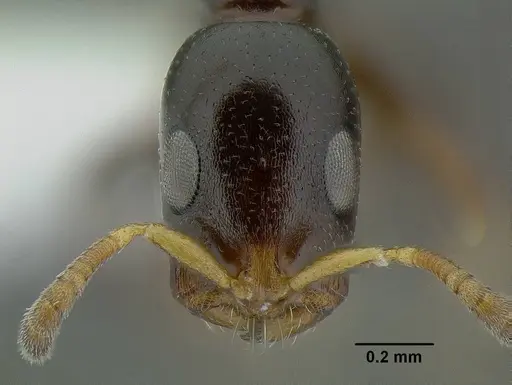
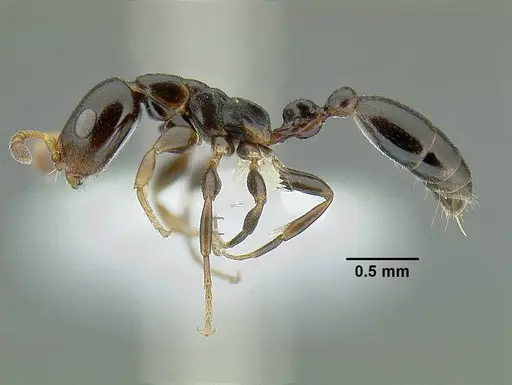
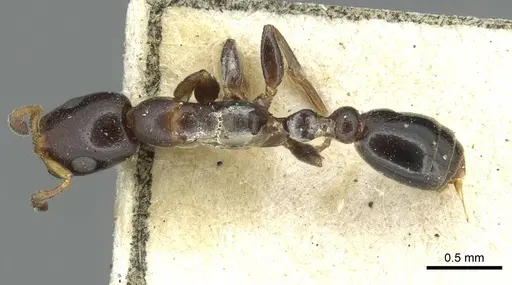
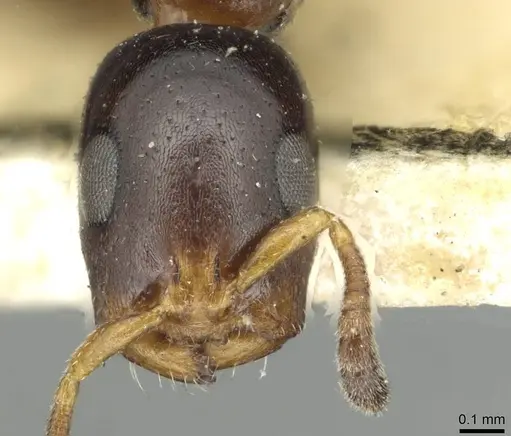
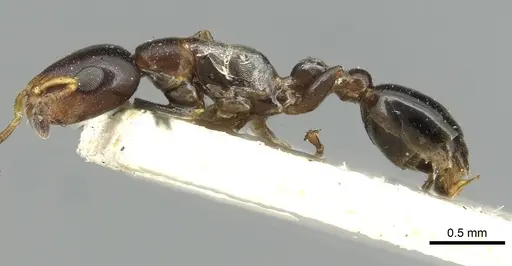
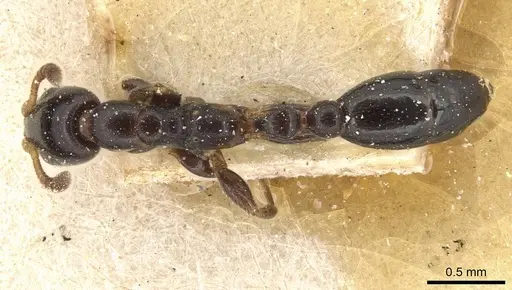
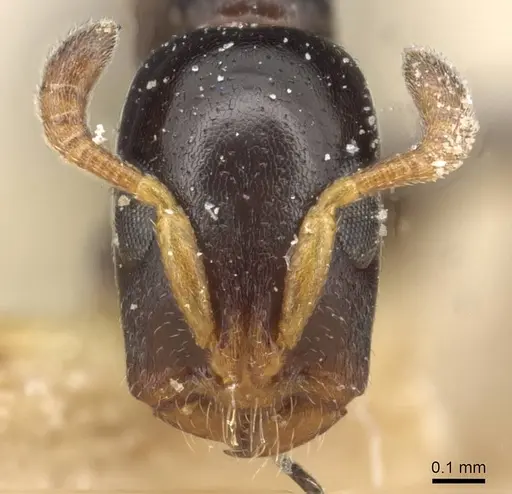
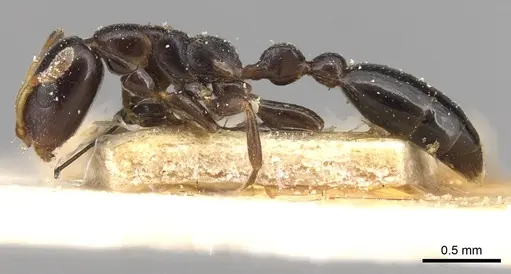
Tetraponera continua is a slender, elongated ant species in the Pseudomyrmecinae subfamily, found across West and East Africa including Ethiopia, Gambia, Niger, and Senegal . It is a member of the Tetraponera allaborans species group . Originally described as Sima penzigi subsp. continua by Forel in 1907,later revised into Tetraponera . No detailed biology or captive care data is available for this species.
Quick Summary
- Difficulty: Hard
- Origin & Habitat: Tropical West and East Africa (Ethiopia, Gambia, Niger, Senegal) [1]. Habitat preferences are not documented, likely arboreal in savanna or forest edge based on subfamily patterns.
- Colony Type: Unconfirmed, likely monogyne based on genus patterns, but no species-specific data.
- Size & Growth:
- Queen: size data unavailable
- Worker: size data unavailable
- Colony: Unknown
- Growth: Unknown
- Development: Unknown, not documented for this species (No data available.)
- Antkeeping:
- Temperature: Not documented. Tropical species likely requires warm conditions, keep at typical room temperature (22-26°C) and adjust based on observation. Avoid cold.
- Humidity: Not documented. As arboreal ants, provide a moist area (test tube with water) and allow the nest to dry slightly. Avoid waterlogging.
- Diapause: Unknown, tropical origin suggests no diapause, but not confirmed. Maintain warmth year-round unless behavior indicates otherwise.
- Nesting: Likely nests in hollow plant stems or twigs (based on Pseudomyrmecinae patterns). In captivity, use narrow chambers (Y-tong or test tube). Avoid large open spaces.
- Behavior: Pseudomyrmecinae have a functional sting and are known to be defensive. Workers are slender and fast. Escape risk is high due to small body size, seal all gaps carefully.
- Common Issues: no species-specific care information available, requiring adaptation from related ants, unknown temperature and humidity needs may lead to colony failure if guessed incorrectly, escape risk due to slender body shape, wild-caught colonies may carry unknown parasites or diseases
Housing and Nest Setup
Tetraponera continua likely nests in hollow plant stems or twigs in the wild, as typical for Pseudomyrmecinae. For captivity, provide narrow, enclosed spaces like a test tube or a Y-tong (AAC) nest with small chambers. Avoid large, open nests. Given their slender bodies, seal all connections and barriers tightly to prevent escape. A small outworld for foraging is recommended.
Feeding and Diet
No species-specific dietary data exists. Based on subfamily patterns, Pseudomyrmecinae are omnivorous, eating small insects and likely honeydew from tended hemipterans. Offer small live prey (fruit flies, pinhead crickets) and sugar water. Provide protein 2-3 times per week and keep sugar source available. Remove uneaten prey after 24 hours.
Temperature and Heating
As a tropical species, T. continua likely needs warm conditions. Without documented requirements, start with room temperature (22-26°C) and observe activity. If colony is inactive, use a heating cable to create a gradient to 28°C. Avoid sudden temperature drops. No specific recommendations can be made.
Humidity and Water
Humidity needs are unknown. Provide a water tube connected to the nest so workers can access moisture. Keep the nest substrate slightly moist but not wet. In dry environments, occasional light misting of the outworld may help. Monitor for mold and adjust accordingly.
Behavior and Temperament
Pseudomyrmecinae are known for their functional sting and defensive behavior. Workers are slender, fast-moving, and likely active foragers. They may aggressively defend the nest. Handle with care. Their small size makes escape prevention critical. No species-specific behavior data is available.
Frequently Asked Questions
How long does it take for Tetraponera continua to produce first workers?
Not documented. No timeline data exists for this species.
Can I keep Tetraponera continua in a test tube?
Yes, test tubes are suitable, especially for founding colonies. Ensure the cotton plug is tight to prevent escape. No species-specific setup data exists.
Do Tetraponera continua ants sting?
Yes, as Pseudomyrmecinae they have a functional sting. Sting potency is not documented for this species, but treat with caution.
What temperature do Tetraponera continua need?
Not documented. Keep at warm room temperature (22-26°C). If activity is low, warm to 28°C. Avoid cold.
Are Tetraponera continua good for beginners?
No, this species is rated Hard because no species-specific care information is available. Keepers must rely on guesswork and observation.
How big do Tetraponera continua colonies get?
Unknown. No colony size data is documented.
What do Tetraponera continua eat?
Not documented. Based on subfamily patterns, feed small insects and sugar water. Offer protein 2-3 times weekly and keep sugar source available.
Do Tetraponera continua need hibernation?
Unknown. As a tropical species, it likely does not require diapause, but not confirmed. Maintain warmth year-round.
Why are my Tetraponera continua dying?
Possible causes: incorrect temperature, low humidity, escape, or starvation. Without documented requirements, you must experiment carefully. Check all parameters and adjust.
When should I move Tetraponera continua to a formicarium?
Not documented. Move to a larger nest when the test tube becomes cramped. No specific worker count can be recommended.
Report an Issue
The current care sheet is based fully on literature. See inconsistencies, or something that's incorrect? Please , it will be resolved after review from an admin. Contributing to the blogs tab also helps providing information, to make us be able to further improve the caresheets. Thank you for your support!
References

Lembar perawatan ini dilisensikan di bawah CC BY-SA 4.0 .
Blog Komunitas
Literatur
Memuat peta distribusi...Memuat produk...