
Tetramorium punicum
- Nama Ilmiah
- Tetramorium punicum
- Tribe
- Crematogastrini
- Subfamili
- Myrmicinae
- Penulis
- Smith, 1861
- Distribusi
- Ditemukan di 4 negara
Pendahuluan
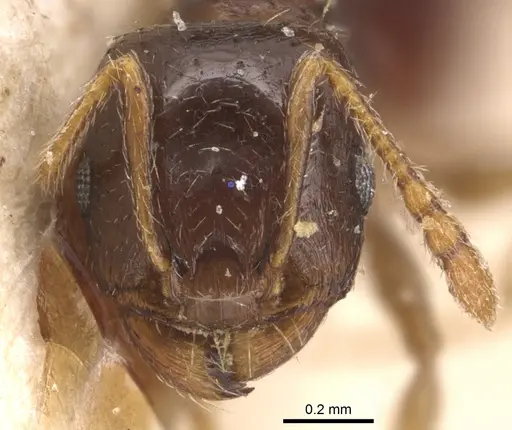
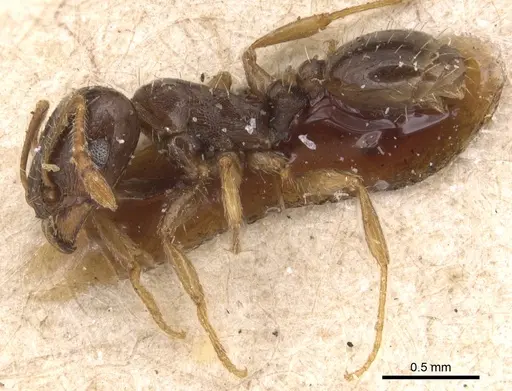
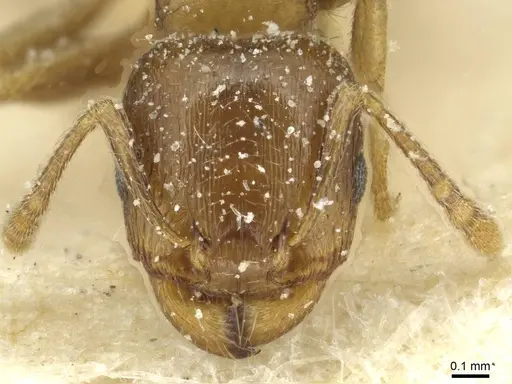
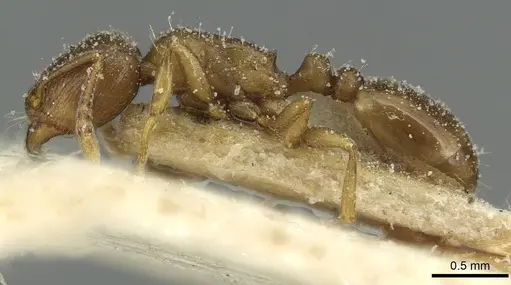
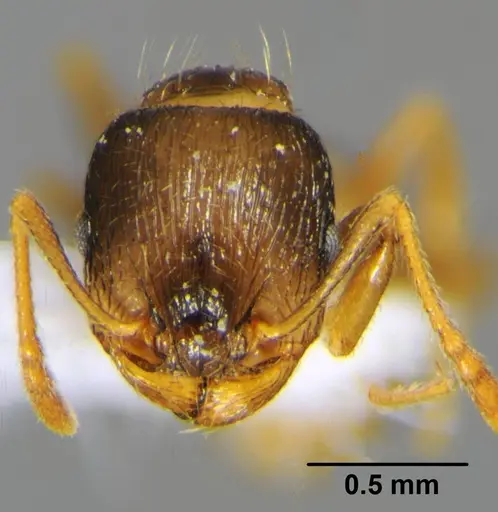
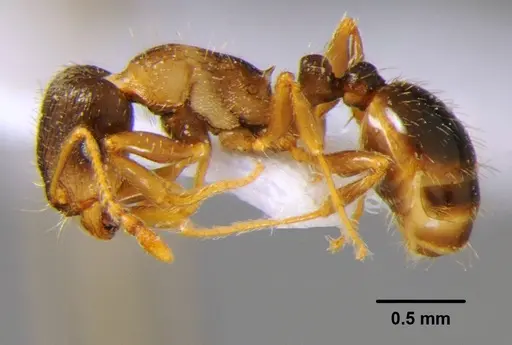
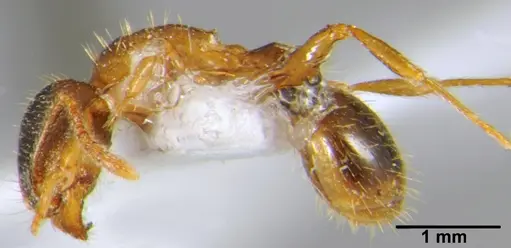
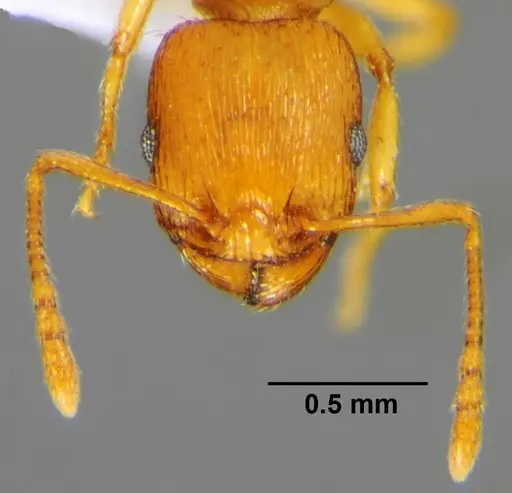
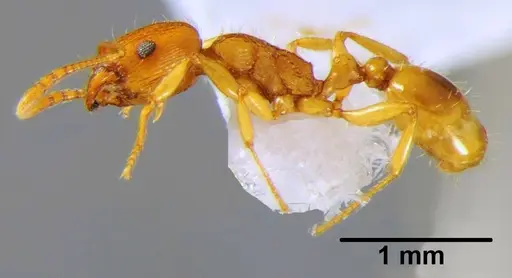
Tetramorium punicum is a small, yellowish to pale brown ant measuring 2.7-3.0 mm . Originally described from Israel, this species has spread across the Palaearctic region from the Canary Islands east to Iran and Georgia . Workers have a finely sculptured head, short frontal carinae, and a distinctive angulated propodeum; the body is covered in long hairs . These ants nest under small stones in warm, sunny areas such as luminous forests, roadsides, and mountain pastures . Ecological flexibility is a notable trait, they are found from sea level in Israel up to 2067 m in Iranian mountain forests . Like other myrmicine ants, they use a smearing stinger that wipes venom onto enemies rather than piercing flesh.
Quick Summary
- Difficulty: Easy
- Origin & Habitat: Native to Israel (type locality) and widespread across the Palaearctic region including Greece, Turkey, Iran, Georgia, Azerbaijan, Canary Islands, and the Mediterranean coast [2][3]. In Iran, recorded at 1967 m and 2067 m a.s.l. [1]. In Israel, found from the Lower Galilee through the Jordan Valley to the Judean Desert [5]. Prefers warm, sunny habitats: luminous forests, roadsides, and mountain pastures. Nests are located under small stones [4].
- Colony Type: Colony structure is unconfirmed. Based on typical Tetramorium patterns, they are likely monogyne (single queen).
- Size & Growth:
- Queen: Size data unavailable, estimated ~6-8 mm inferred from Tetramorium genus patterns.
- Worker: 2.7-3.0 mm [1]
- Colony: Estimated several hundred workers based on typical Tetramorium colony sizes.
- Growth: Moderate
- Development: Estimated 6-10 weeks at optimal temperature, based on related Tetramorium species (e.g., Tetramorium semilaeve [6]) (Development time is inferred from genus-level data.)
- Antkeeping:
- Temperature: Keep at 22-26°C. This species originates from warm Mediterranean and Middle Eastern climates [2][1]. A heating cable on one side of the nest creates a temperature gradient.
- Humidity: Moderate humidity, but avoid waterlogging. These ants nest under stones in well‑drained soils [4]. Provide a moisture gradient with a damp area and a dry area.
- Diapause: Likely yes, based on their distribution across temperate regions, provide a winter rest period of 8-12 weeks at 10-15°C. This is inferred from typical Tetramorium patterns and not confirmed by research.
- Nesting: Y-tong (AAC) or plaster nests with small chambers (3-5 mm wide) work well. Their natural nesting under stones [4] suggests they prefer tight, dark spaces.
- Behavior: Workers are not particularly aggressive [7] and forage individually. They have a functional stinger modified for smearing venom. Escape prevention is important due to their small size (2.7-3.0 mm [1]): use tight-fitting lids and fluon barriers to prevent escapes.
- Common Issues: small colony size during founding, avoid disturbing newly mated queens., escape risk because of tiny worker size, ensure no gaps in the nest or outworld., overheating is more dangerous than underheating, keep the nest away from direct sunlight., mold can develop if the nest is too damp, ensure adequate ventilation., wild-caught colonies may carry parasites that can devastate captive colonies.
Housing and Nest Setup
For starting a colony, a simple test tube setup works well. Fill a test tube one‑third with water, plug with cotton, and introduce the queen. Because the founding method is unconfirmed, monitor her: if she seals the entrance and stays inside, do not disturb, if she emerges to forage, offer small food items. For established colonies, a Y‑tong (AAC) nest with narrow chambers (3‑5 mm wide) suits their small worker size. Place the nest in a quiet location away from vibrations and direct sunlight. [1][4]
Feeding and Diet
Tetramorium punicum is omnivorous. Offer protein sources like small crickets, mealworms, or fruit flies twice per week. Also provide honey water, diluted maple syrup, or sugar water as an energy source. In the wild they associate with aphids, including the black citrus aphid Toxoptera aurantii in Israel [7], so they likely tend honeydew‑producing insects. Remove uneaten food after 24‑48 hours to prevent mold.
Temperature and Seasonal Care
Temperature recommendations are based on their natural warm‑climate origins [2][1]. Maintain nest temperatures between 22‑26°C for optimal brood development. Use a heating cable on one side of the nest to create a temperature gradient, never place the nest directly on a heat source. For winter, a diapause period is inferred from temperate distribution: reduce temperatures to 10‑15°C for 8‑12 weeks (roughly November‑February in the Northern Hemisphere). Do not feed during deep hibernation.
Colony Development
The founding method is unconfirmed. Based on typical Tetramorium patterns, the queen likely rears the first brood without foraging, using her stored fat reserves. She will lay eggs and feed the larvae from these reserves until the first workers (nanitics) emerge. Expect approximately 6‑10 weeks from egg to first worker at optimal temperatures (around 24‑26°C) [6]. Growth is moderate, a healthy colony may reach 50‑100 workers within the first year. Mature colony size probably reaches several hundred workers. Be patient during founding, avoid moving or disturbing the nest too early.
Behavior and Temperament
Workers are not particularly aggressive [7] and forage individually rather than in massive raids. Their stinger is modified for smearing venom (typical of the tribe Crematogastrini). If handled roughly, they may bite or sting, but the sting is mild. Colonies establish clear territories and will defend against intruders. Due to the small worker size (2.7-3.0 mm [1]), they can squeeze through surprisingly small gaps, use tight‑fitting lids and consider fluon barriers if your formicarium has any openings.
Frequently Asked Questions
How long does it take for Tetramorium punicum to raise first workers?
Based on related Tetramorium species, expect about 6-10 weeks from egg to first worker at optimal temperatures around 24-26°C [6]. The queen may rear the first brood without foraging, so avoid disturbing her.
Can I keep multiple Tetramorium punicum queens together?
Published data on colony structure is lacking. Most Tetramorium are monogyne (single queen), so it is best to assume single‑queen colonies. Do not house multiple queens together unless you have confirmed they can coexist.
Do Tetramorium punicum ants sting?
Yes, they have a functional stinger (as do all Myrmicinae). Their sting is mild and used mainly for defense. They are not particularly aggressive towards humans [7].
What temperature do Tetramorium punicum ants need?
Keep them at 22-26°C. This species originates from warm Mediterranean and Middle Eastern climates [2][1]. A heating cable on one side of the nest creates a useful gradient. Avoid temperatures below 15°C except during a planned winter rest.
Do Tetramorium punicum need hibernation?
Likely yes, though it is not confirmed by research. Because they occur in temperate regions, provide a winter rest period of 8-12 weeks at 10-15°C to be safe. Reduce feeding during this time and avoid disturbing the colony.
Are Tetramorium punicum good for beginners?
Yes, they are considered beginner‑friendly: hardy, adaptable, and with moderate growth. The main challenges are preventing escapes (due to their tiny size) and providing a likely winter rest period. They tolerate a range of captive conditions.
What do Tetramorium punicum eat?
They are omnivorous. Offer protein (small insects like crickets, mealworms, fruit flies) twice per week and sugar sources (honey water, maple syrup) continuously. Remove uneaten food after 24-48 hours to prevent mold. In the wild they tend aphids [7].
How big do Tetramorium punicum colonies get?
Mature colonies are estimated to reach several hundred workers based on typical Tetramorium patterns. They are not among the largest ant species but form stable, long-lived colonies.
When should I move my Tetramorium punicum colony to a formicarium?
Wait until the colony has at least 20-30 workers before moving from a test tube to a formicarium. The founding test tube works well for the first several months. Moving too early stresses the colony. Ensure the new nest has chambers sized for their 3 mm workers.
Why is my Tetramorium punicum colony dying?
Common causes include: disturbing the queen during founding (if she stays sealed in, do not open the nest), keeping conditions too wet (they prefer well‑drained microhabitats), temperatures outside 22-26°C, or stress from wild‑caught parasites. Ensure quiet conditions, proper humidity gradient, and remove uneaten food promptly.
Report an Issue
The current care sheet is based fully on literature. See inconsistencies, or something that's incorrect? Please , it will be resolved after review from an admin. Contributing to the blogs tab also helps providing information, to make us be able to further improve the caresheets. Thank you for your support!
References

Lembar perawatan ini dilisensikan di bawah CC BY-SA 4.0 .
Blog Komunitas
CASENT0904826
Lihat di AntWeb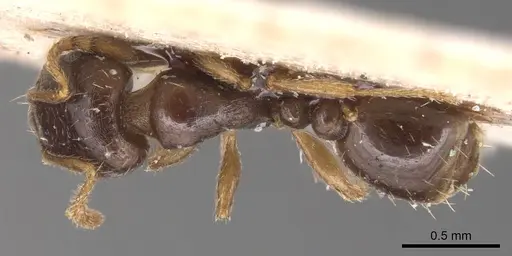
CASENT0913994
Lihat di AntWeb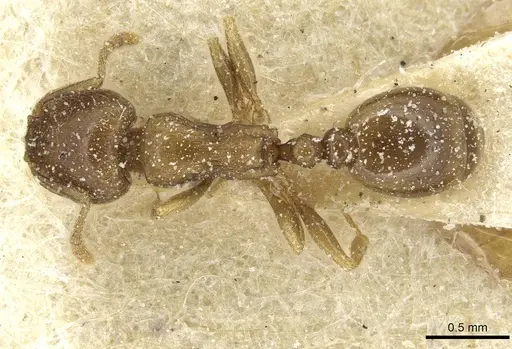
CFH000024
Lihat di AntWeb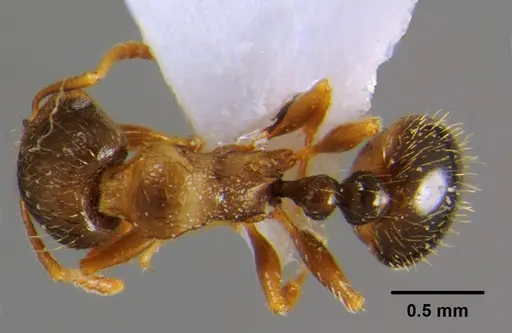
CSH000032
Lihat di AntWeb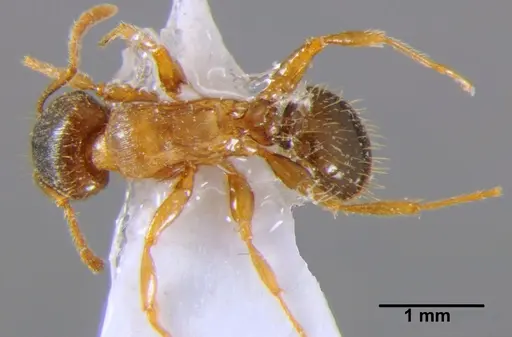
CSH000033
Lihat di AntWeb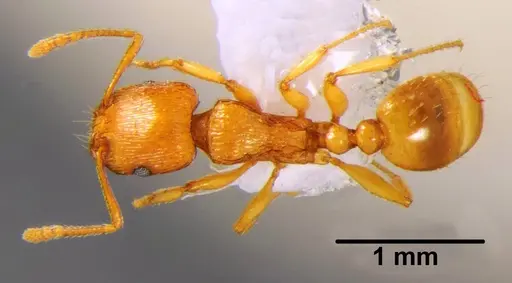
Literatur
Memuat peta distribusi...Memuat produk...