
Tetramorium mixtum
- Nama Ilmiah
- Tetramorium mixtum
- Tribe
- Crematogastrini
- Subfamili
- Myrmicinae
- Penulis
- Forel, 1902
- Distribusi
- Ditemukan di 1 negara
Pendahuluan
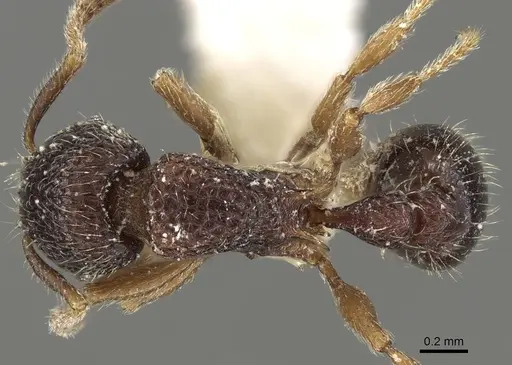
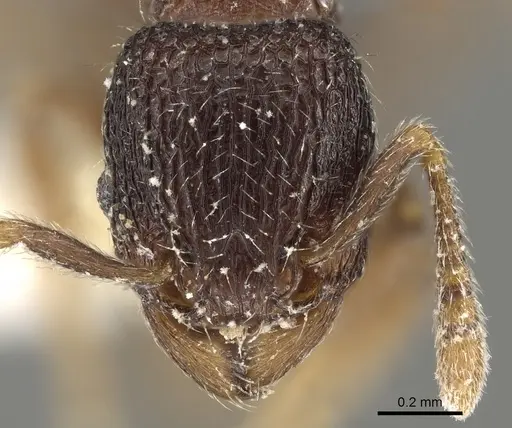
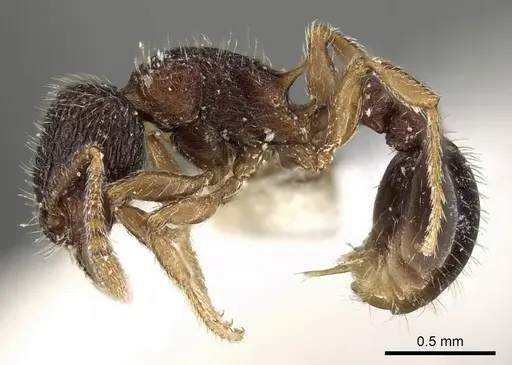
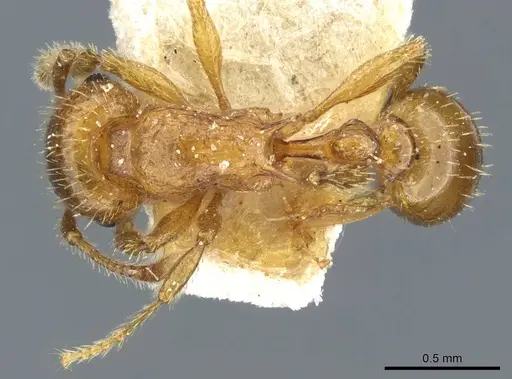
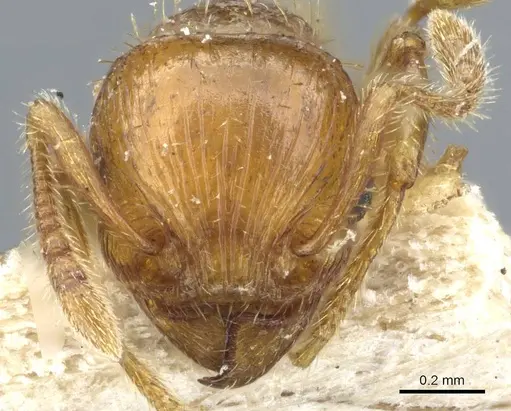
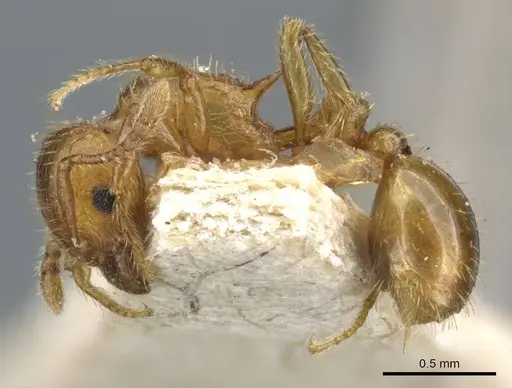
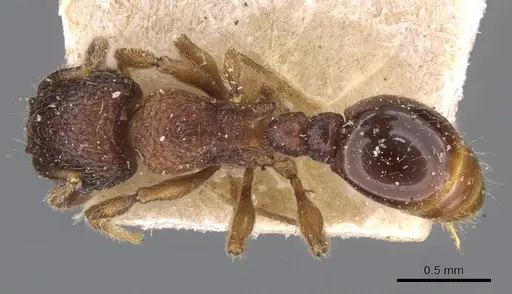
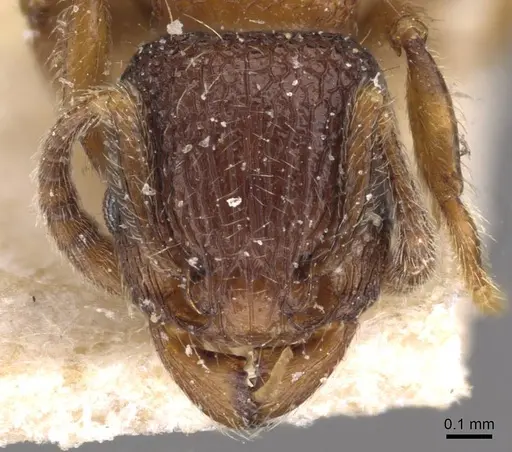
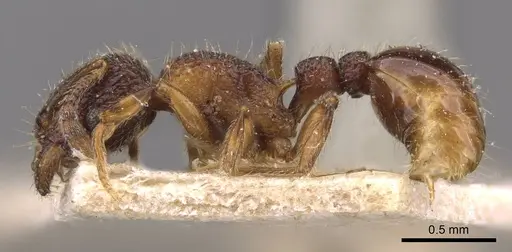
Tetramorium mixtum is a small ant species native to India, with workers measuring 3-3.5 mm . Workers are light to dark brown with distinctive longitudinally rugulose sculpture on the head, thorax, and petiole, while the abdomen appears smooth and shining. A unique identifying feature is the basal abdominal segment that is very concave behind the second petiole node, with its antero-lateral corners projecting forward as a pair of blunt teeth or horns . This species belongs to the Tetramorium mixtum species group, a small group of seven species occurring in India, Sri Lanka, and Vietnam . It has been recorded from the states of Goa, Karnataka, Kerala, Meghalaya, Tamil Nadu, and West Bengal . These ants visit pumpkin flowers and are among several native ant species observed foraging on them .
Quick Summary
- Difficulty: Easy
- Origin & Habitat: India, recorded from Goa, Karnataka, Kerala, Meghalaya, Tamil Nadu, and West Bengal. Inhabits tropical and subtropical environments in the Indomalayan region [3].
- Colony Type: Colony structure not specifically documented. Based on typical Tetramorium patterns, likely single-queen (monogyne), but this has not been confirmed for this species.
- Size & Growth:
- Queen: Unknown, not documented in the available literature. Workers measure 3-3.5 mm [1].
- Worker: 3-3.5 mm [1]
- Colony: Unknown, estimated up to several hundred workers based on typical Tetramorium colony sizes, but not studied for this species.
- Growth: Moderate, inferred from genus patterns.
- Development: Not documented for this species. Based on typical Myrmicinae development, likely several weeks at warm temperatures. (Development time and specific requirements are not directly studied. Keep at consistent warmth and observe.)
- Antkeeping:
- Temperature: Temperature needs are not documented. As a tropical species from India, likely prefer warm conditions around 24-28°C. Avoid temperatures below 20°C.
- Humidity: Provide a moisture gradient in the nest, keep the substrate slightly moist but not waterlogged. Offer a water tube for drinking and humidity control.
- Diapause: No, based on their tropical origin, diapause is not required. Keep them active year-round with stable temperatures.
- Nesting: Nesting preferences are not documented. In captivity, ground-nesting ants of this size often do well in Y-tong (AAC), plaster, or soil-based nests with narrow chambers.
- Behavior: Tetramorium mixtum is a generalist forager. Workers have been documented visiting pumpkin flowers [4]. They are likely active and explore their environment. Their small size (3-3.5 mm) means they can squeeze through tiny gaps, so escape-proofing is critical.
- Common Issues: escape prevention is critical due to their small 3 mm size, they can squeeze through tiny gaps, tropical species requires consistent warmth, avoid temperatures below 20°C, overheating is a risk, keep the nest away from direct sunlight and strong heating elements, and ensure a temperature gradient
Housing and Nest Setup
Tetramorium mixtum's nesting preferences are not documented. Based on their small size and ground-dwelling habits, Y-tong (AAC) or plaster nests with narrow chambers are good choices. You can also use soil-filled containers with flat stones or bark pieces for cover. Keep the nest chamber small, these ants are only 3-3.5 mm [1]. Provide a water tube for drinking. Since they are tropical, maintain a warm temperature, aiming for 24-28°C. A heating cable on one side creates a useful gradient, but avoid direct heat that could dry out the nest.
Feeding and Diet
Tetramorium mixtum is a generalist feeder. Offer a constant supply of sugar water, honey, or diluted honey. For protein, provide small insects like fruit flies, small crickets, or mealworm pieces 2-3 times per week. They have been seen visiting pumpkin flowers, suggesting they also take nectar [4]. Remove uneaten prey after 24 hours to prevent mold.
Temperature and Seasonal Care
As a tropical species from India, Tetramorium mixtum likely needs warm conditions year-round [3]. Aim for 24-28°C. No hibernation or diapause is needed, they can be kept active all year. Avoid temperatures below 20°C, which could slow their metabolism. A heating cable on one side of the nest gives them a temperature gradient. If workers become sluggish and cluster together, the temperature is probably too low.
Colony Founding and Growth
Founding behavior for this species is not documented. Typical Tetramorium queens are claustral, so it's possible your queen will seal herself in a chamber and raise the first brood alone without foraging. After mating, she would dig a small chamber, seal the entrance, and lay eggs. The first workers (nanitics) will be smaller than mature workers. Development time is not specifically known, but expect several weeks from egg to worker at warm temperatures. Avoid disturbing a founding queen. [2]
Behavior and Foraging
Tetramorium mixtum workers are active foragers. They have been documented visiting pumpkin flowers in significant numbers [4], which means they climb well and forage on plants. They probably communicate with chemical trails and recruit nestmates to food sources. Their small size makes them quick and able to access food in tight spots. In captivity, they will explore outworlds readily.
Escape Prevention
With workers only 3-3.5 mm, escape prevention is critical [1]. These ants can slip through remarkably small gaps. Use tight-fitting test tube lids, secure formicarium connections, and apply Fluon or similar barriers around openings. For ventilation, use fine mesh (0.5 mm or smaller). Check enclosures regularly, especially after feeding. A gap that seems insignificant can become an escape route.
Frequently Asked Questions
How long does it take for Tetramorium mixtum to raise first workers?
Development time is not documented for this species. Based on typical Tetramorium development, it likely takes several weeks from egg to first worker at warm temperatures (around 24-28°C). The queen probably seals herself in during founding and raises the first brood alone.
Can I keep Tetramorium mixtum in a test tube?
Yes, test tubes work well for founding colonies, especially since the queen may be claustral. Use a small test tube with a water reservoir at one end, plugged with cotton. The queen will likely stay in the dry end. For established colonies, move to a Y-tong or plaster nest as they grow.
Do Tetramorium mixtum ants sting?
As Myrmicinae ants, they have a functional stinger. However, with workers only 3 mm long, any sting would be very mild and rarely felt by humans. They are not considered dangerous.
What temperature do Tetramorium mixtum need?
Temperature preferences are not documented. As a tropical species from India, they likely need warm conditions, aim for 24-28°C. Avoid temperatures below 20°C. A heating cable on one side of the nest creates a useful gradient.
How big do Tetramorium mixtum colonies get?
Colony size is not documented. Based on typical Tetramorium patterns, they likely reach several hundred workers over 1-2 years. They are not among the largest Tetramorium species.
Do Tetramorium mixtum need hibernation?
No hibernation is needed. As a tropical species from India, they should be kept active year-round with stable temperatures around 24-28°C. Hibernation could be harmful.
What do Tetramorium mixtum eat?
They are generalist feeders. Offer sugar water or honey constantly for energy, and small insects (fruit flies, small crickets, mealworm pieces) 2-3 times per week for protein. They have been documented visiting flowers for nectar in the wild [4].
Are Tetramorium mixtum good for beginners?
Yes, they are considered a good beginner species. They are small, easy to house, and relatively forgiving. Their tropical nature means no hibernation requirements. The main challenges are escape prevention due to their tiny size and maintaining proper warmth.
Why are my Tetramorium mixtum dying?
Common causes include: temperatures below 20°C (they need warmth), a too-dry nest (provide moisture), escape through small gaps, or stress from too much disturbance during founding. Check your setup for proper warmth and moisture before troubleshooting further.
Can I keep multiple Tetramorium mixtum queens together?
Not recommended. The colony structure is unconfirmed, but most Tetramorium are monogyne (single queen). Combining queens would likely result in fighting. Keep only one queen per colony.
Report an Issue
The current care sheet is based fully on literature. See inconsistencies, or something that's incorrect? Please , it will be resolved after review from an admin. Contributing to the blogs tab also helps providing information, to make us be able to further improve the caresheets. Thank you for your support!
References

Lembar perawatan ini dilisensikan di bawah CC BY-SA 4.0 .
Blog Komunitas
Literatur
Memuat peta distribusi...Memuat produk...