
Temnothorax subtilis
- Nama Ilmiah
- Temnothorax subtilis
- Tribe
- Crematogastrini
- Subfamili
- Myrmicinae
- Penulis
- Csősz <i>et al.</i>, 2015
- Distribusi
- Ditemukan di 2 negara
Pendahuluan
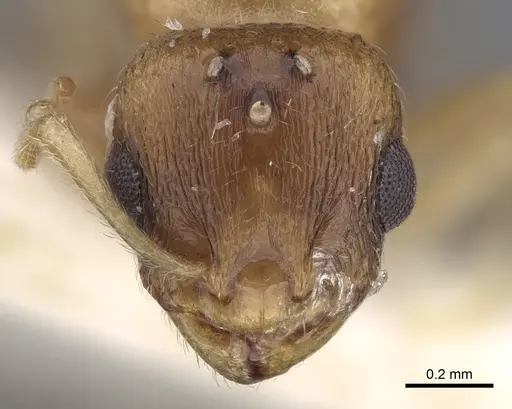
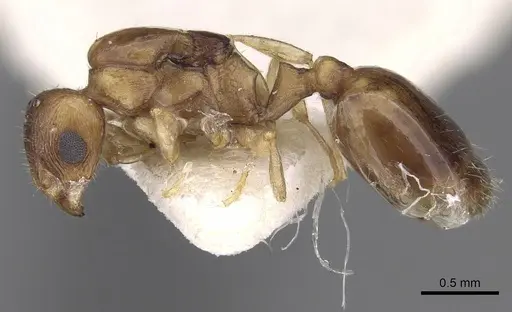
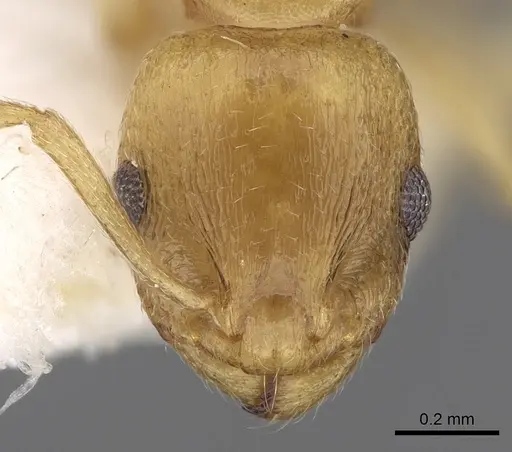
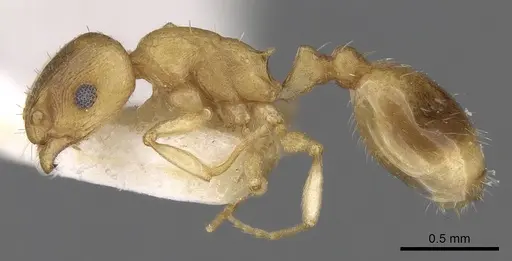
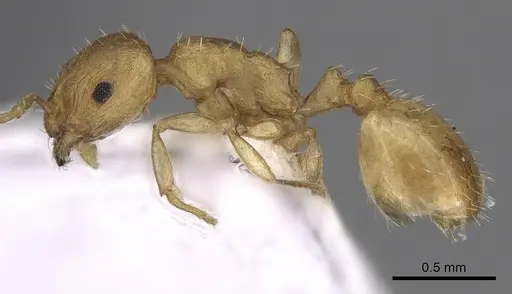
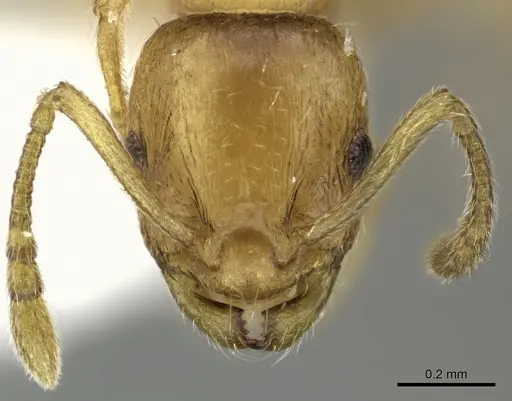
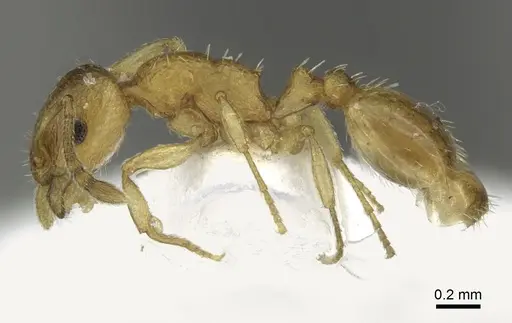
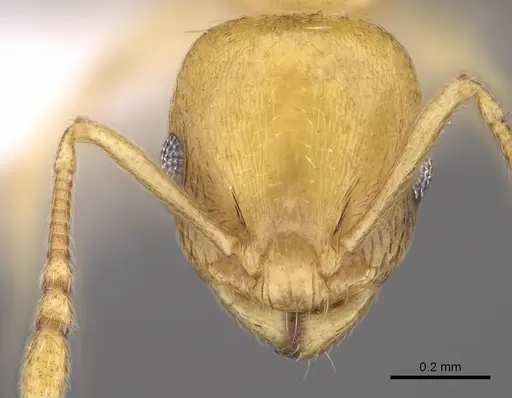
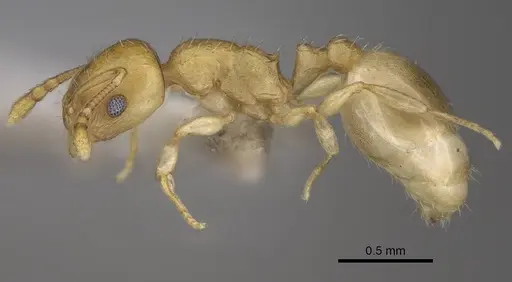
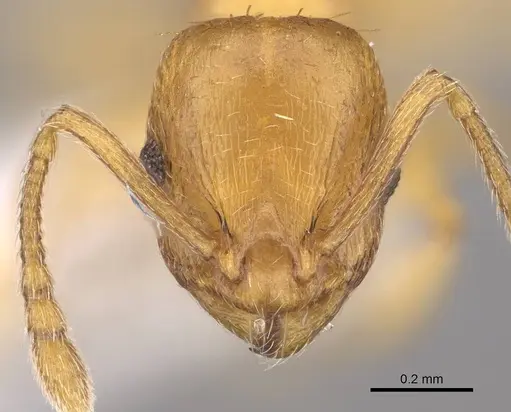
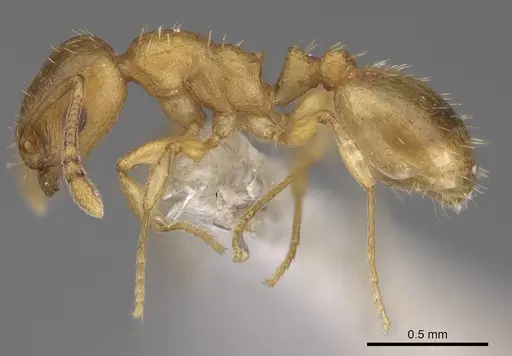
Temnothorax subtilis is a tiny yellow ant from the nylanderi species group, native to the eastern Mediterranean including Crete, Turkey, and parts of mainland Greece . Workers are very small, roughly 2mm in length (inferred from genus patterns), with a yellow body color where the mesosoma, antennae, legs, and waist are noticeably lighter than the head and rear of the gaster . This species has the shortest propodeal spines in the nylanderi group and a smooth, shiny head top . Queens are slightly larger than workers, but exact size data is unavailable. These are mountain ants that live in shady gorges and on moss-covered rocks , so they prefer cool, humid conditions in captivity.
Quick Summary
- Difficulty: Medium
- Origin & Habitat: Found in Greece (Crete, Thessaly, Peloponnese, Thrace) and southern Turkey [1][2][4][5]. This mountain species lives in shady gorges and on moss-covered rocks [2][3]. They nest in rock crevices, stones, and dry branches inside forests [6].
- Colony Type: Colony structure is not confirmed from research. Based on genus patterns they are likely monogyne (single queen), but this needs verification.
- Size & Growth:
- Queen: Estimated at 3-4mm based on typical Temnothorax queen sizes (no direct measurements available).
- Worker: Workers are very small, approximately 2mm from head to gaster tip (inferred from Temnothorax genus patterns).
- Colony: Colony size is unknown, but most Temnothorax species reach a few hundred workers at most.
- Growth: Moderate
- Development: Estimated 6-10 weeks at optimal temperatures, based on related Temnothorax species. (Development is temperature-dependent, cooler temperatures slow growth.)
- Antkeeping:
- Temperature: Keep cool and stable, they are mountain ants. Aim for 15-22°C and avoid anything above 25°C [2][3].
- Humidity: High humidity is needed to mimic their shady, mossy habitat. Keep the nest substrate damp (but not waterlogged) and provide a humidity gradient.
- Diapause: Unknown from research, but as a temperate mountain species, a winter rest of 2-3 months around 10-15°C is likely beneficial.
- Nesting: Best in small test tubes or plaster/Y-tong nests that hold humidity. Avoid large dry spaces. Ensure chambers are appropriately sized for tiny ants.
- Behavior: Peaceful and non-aggressive. Workers are tiny, shy, and forage alone rather than in swarms. They have a modified stinger for smearing venom (defense mechanism of their subfamily), but they pose no real danger to humans. Escape prevention is critical, their 2mm size lets them squeeze through tiny gaps.
- Common Issues: escape prevention is critical, they can fit through standard mesh under 0.5mm, high humidity needs must be balanced with ventilation to prevent mold, overheating is dangerous, temperatures above 25°C can kill the colony, growth is slow, requiring patience, especially during founding, nest chambers that are too large stress small colonies
Housing and Nest Setup
Because these ants are tiny, scale your nest to their size. Test tubes with a water plug work well for starting colonies. Wrap the tube to keep it dark, mimicking the natural crevices they prefer [1][6]. For larger colonies, use small plaster or Y-tong nests with tight chambers. Avoid any type of acrylic nest, as it can cause humidity and stress issues. Whatever you choose, make sure the nest can hold high humidity but still allows some airflow. Provide a humidity gradient so the colony can pick their ideal spot.
Temperature and Seasonal Care
These are cool-climate mountain ants, so they don't like heat. Keep the nest between 15-22°C, this matches their natural habitat in shady gorges at higher elevations [2][3]. Never let the temperature rise above 25°C. A winter rest (diapause) is not confirmed in research, but since they come from a temperate mountain region, a 2-3 month cool period around 10-15°C is a safe practice and will likely keep the colony healthy long-term. During summer, protect the nest from any direct heat sources or warm drafts.
Feeding and Diet
Like most Temnothorax, this species probably eats both protein and sugar. Offer very small prey, fruit flies, tiny crickets, or small pieces of mealworm, because their workers are only about 2mm. For sugar, use drops of honey water or sugar water. Feed every 2-3 days and take out any leftovers quickly to avoid mold in the humid nest. Watch what they take to see if your colony prefers protein or sugar more. [6]
Behavior and Colony Dynamics
This is a calm, shy species. Workers forage alone and will run away from threats instead of fighting. They belong to a subfamily that uses a smearing defense (they apply venom with a flattened stinger rather than injecting it), but they're completely harmless to humans. Their small size means they don't have powerful jaws or stingers that can break skin. The colony structure is unclear from research, but most related Temnothorax have a single queen. They don't raid or have any slave-making behaviors, they're just straightforward, mellow ants. Again: their 2mm body length lets them sneak out of tiny gaps, so seal everything well. [1][6]
Growth and Development
Colony growth is moderate, and it can feel slow at first. The queen's founding behavior hasn't been studied, but Temnothorax queens are typically claustral (they stay sealed in and use their own body reserves to raise the first brood). If that's the case here, she won't leave to forage. First tiny workers (nanitics) may appear around 6-10 weeks after eggs are laid, depending on temperature. After that, the colony grows gradually. A mature colony may take several years to reach its maximum size. Patience is key, and don't push the temperature higher to speed things up, it will hurt them. [1]
Frequently Asked Questions
How long does it take for Temnothorax subtilis to produce first workers?
First workers likely appear 6-10 weeks after egg laying at optimal temperatures (around 20°C). This is an estimate based on related Temnothorax species, no direct data is available. The queen is thought to be claustral (she seals in and doesn't forage) but that's not confirmed.
What temperature is best for Temnothorax subtilis?
Aim for 15-22°C. These mountain ants come from cool, shady habitats so they can't handle heat. Keep them below 25°C at all times [2][3]. Provide a slight gradient so they can move to their preferred spot.
Do Temnothorax subtilis ants sting?
They have a modified stinger used to smear venom (a defense common in their subfamily), but they are far too small to harm humans. They're completely harmless and will simply flee if threatened.
How big do Temnothorax subtilis colonies get?
No data is available for this species specifically. Most Temnothorax reach a few hundred workers at most, but the maximum for T. subtilis is unknown.
Do Temnothorax subtilis need hibernation?
It's not confirmed from research, but as a temperate mountain species, a 2-3 month winter rest around 10-15°C is likely beneficial. Without it, colony health may decline over years. Reduce feeding in winter and keep the nest cool but above freezing.
What do I feed Temnothorax subtilis?
Offer small prey (fruit flies, tiny crickets, small mealworm pieces) and sugary liquids (honey water, sugar water). Feed every 2-3 days and remove leftovers quickly to avoid mold. Their tiny workers need appropriately sized food.
Are Temnothorax subtilis good for beginners?
They're medium difficulty. The main challenges are escape prevention (they're tiny), need for high humidity, cool temperatures, and slow growth. If you can provide a stable, cool, humid setup and are patient, they are rewarding. But there are easier starter species.
Can I keep multiple Temnothorax subtilis queens together?
No data exists for this species. Most Temnothorax are monogyne (single queen), but without confirmation, it's risky. It's best to assume they are not polygyne and keep only one queen per colony to avoid fighting.
Why are my Temnothorax subtilis escaping?
Their 2mm body size lets them squeeze through gaps that larger ants can't. Use mesh with openings under 0.5mm and seal all connections. Even tiny cracks can be a problem. Check your setup carefully, these ants are escape artists.
When should I move Temnothorax subtilis to a formicarium?
Wait until the colony has at least 20-30 workers before moving from a test tube. Small plaster or Y-tong nests work well, just make sure the chambers are small enough for them. Too much empty space can stress a small colony.
Report an Issue
The current care sheet is based fully on literature. See inconsistencies, or something that's incorrect? Please , it will be resolved after review from an admin. Contributing to the blogs tab also helps providing information, to make us be able to further improve the caresheets. Thank you for your support!
References

Lembar perawatan ini dilisensikan di bawah CC BY-SA 4.0 .
Blog Komunitas
CASENT0763867
Lihat di AntWeb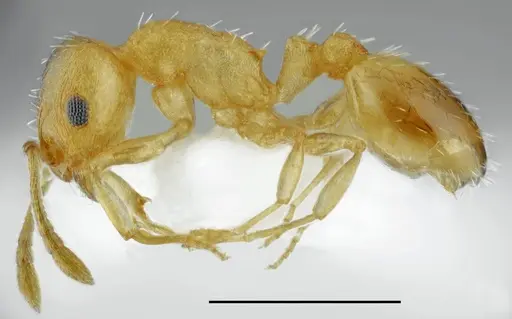
CASENT0906008
Lihat di AntWeb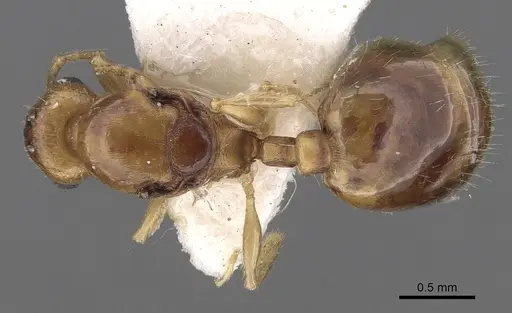
CASENT0906009
Lihat di AntWeb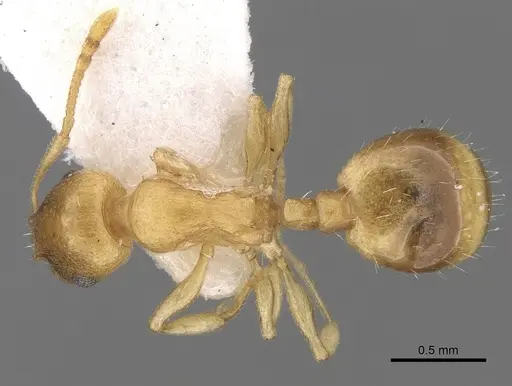
CASENT0906010
Lihat di AntWeb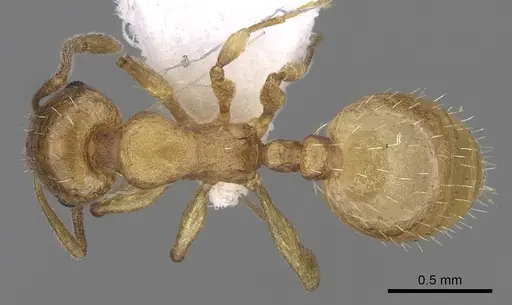
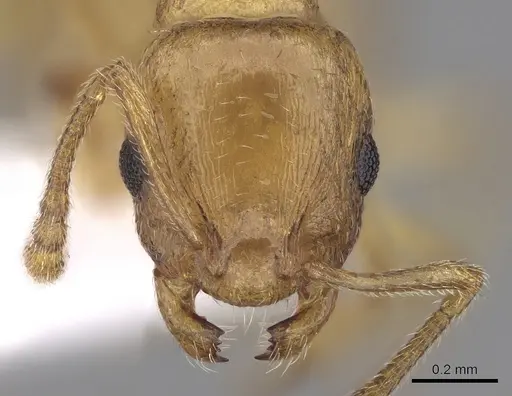
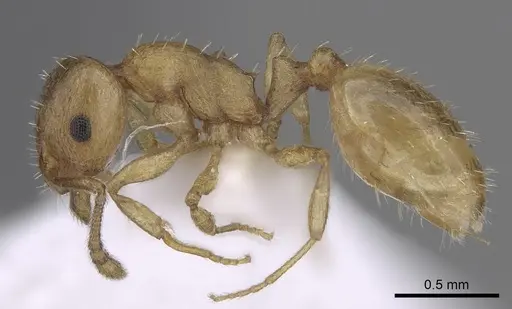
CASENT0906012
Lihat di AntWeb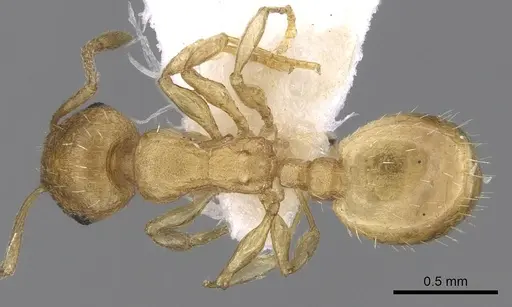
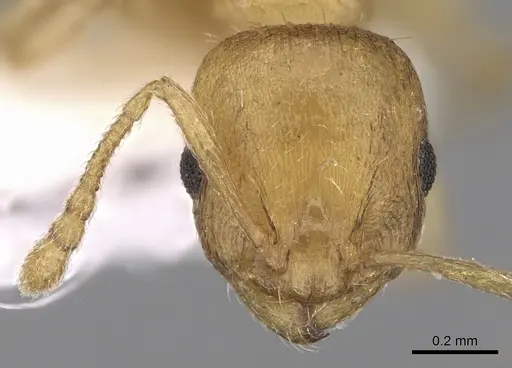
CASENT0906697
Lihat di AntWeb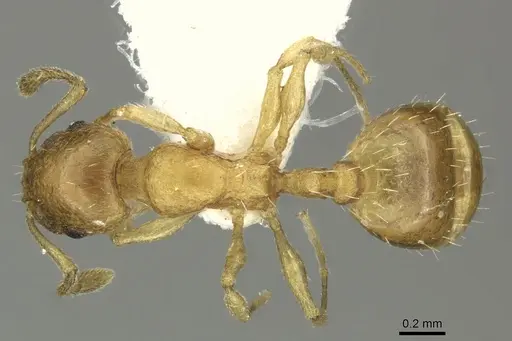
CASENT0914635
Lihat di AntWeb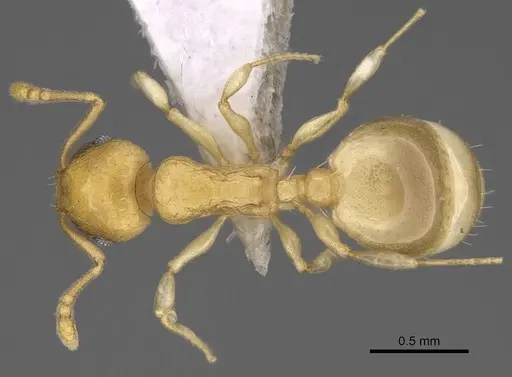
CASENT0914687
Lihat di AntWeb
Literatur
Memuat peta distribusi...Memuat produk...