
Temnothorax messiniaensis
- Nama Ilmiah
- Temnothorax messiniaensis
- Tribe
- Crematogastrini
- Subfamili
- Myrmicinae
- Penulis
- Salata & Borowiec, 2019
- Distribusi
- Ditemukan di 1 negara
Pendahuluan
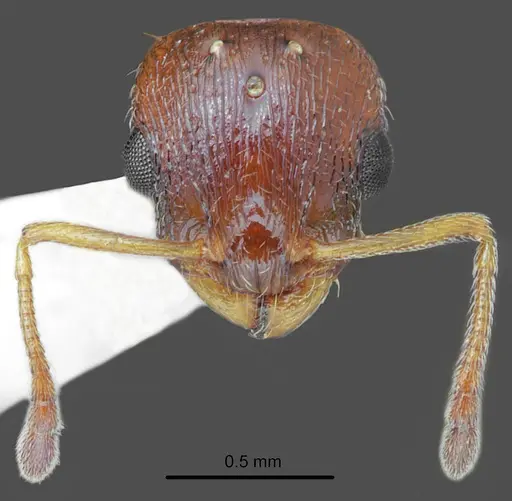
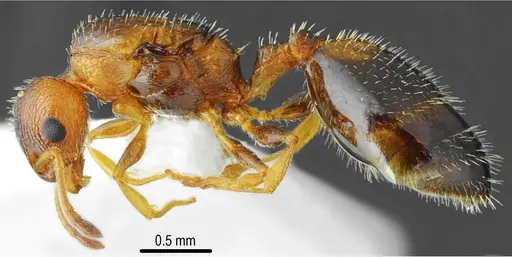
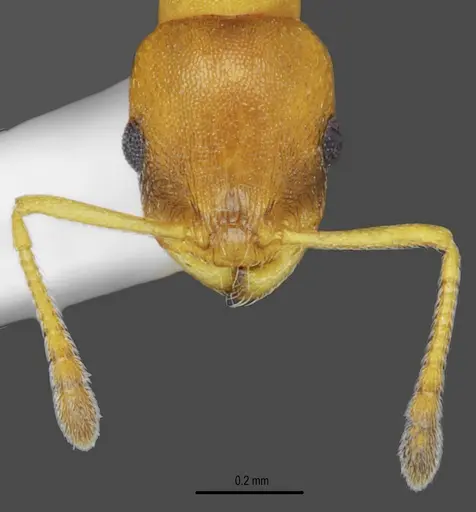
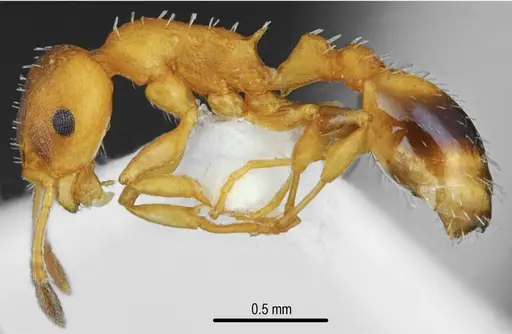
Temnothorax messiniaensis is a small ant species described in 2019 and endemic to Greece, found in the southern Ionian Islands and Peloponnese . Workers are yellow to ochre with a dark band across the back of their abdomen (first gastral tergite) . They belong to the aveli species group and have long, thin propodeal spines that point upward, and their head and upper body lack fine ridges (costulae) . Queens are larger, with a yellowish-brown head and darker body, and also have these propodeal spines . This species is an interesting one for keepers because it is polygynous - meaning a colony can have multiple queens living together peacefully, which is less common in Temnothorax . They nest inside dry stems of shrubs and herbs in warm, sunny Mediterranean habitats like olive groves, maquis, and forest edges . Being a recently described species, there is still a lot to learn about keeping them in captivity.
Quick Summary
- Difficulty: Medium
- Origin & Habitat: Endemic to Greece, southern Ionian Islands and Peloponnese. Found in sunny spots from lowlands up to 670 m elevation, including roadsides with shrubs, olive plantations, maquis, phrygana, forest edges, city parks, and pine forests on rocky hills [1][3].
- Colony Type: Polygynous, colonies contain multiple queens that coexist peacefully [1][3]. This is unusual for Temnothorax, as many species have only one queen.
- Size & Growth:
- Queen: ~4-5 mm (estimated from related Temnothorax species patterns) [1]
- Worker: ~2.5-3.5 mm (inferred from Temnothorax genus patterns) [2]
- Colony: Unknown for this species specifically, based on typical Temnothorax, colonies likely reach dozens to a few hundred workers [1][3]
- Growth: Moderate, typical for the genus
- Development: 6-10 weeks at optimal temperature (estimated based on related Mediterranean Temnothorax species) (Development time is an estimate, this species has not been studied in captivity. Longer development may occur at cooler temperatures.)
- Antkeeping:
- Temperature: 20-26 °C is ideal, based on their warm Mediterranean habitat [1][3]. A gentle gradient (e.g., using a heating cable on one side) is helpful.
- Humidity: Low to moderate. They nest in dry plant stems, so keep the nest relatively dry. A small water tube provides drinking water without creating high humidity [1][3].
- Diapause: Yes, as a temperate species from Greece, they likely need a winter rest period of 8-12 weeks at 10-15 °C (inferred from habitat and genus patterns).
- Nesting: Provide dry, narrow spaces that mimic their natural stem nests. Test tubes with cotton stoppers work well, or small Y‑tong (AAC) or plaster nests with tight chambers. Avoid large open spaces [1][3].
- Behavior: Peaceful and non‑aggressive toward keepers. They have a modified stinger used to smear venom rather than pierce skin, so they are harmless to humans. Workers are active foragers but may be shy if disturbed. Escape prevention is critical because they are so small, use fine mesh on all openings [1].
- Common Issues: their small size means they can slip through tiny gaps, use fine mesh everywhere, polygynous colonies can be harder to establish because multiple queens may fight if not from the same colony, limited captive data means growth expectations are uncertain, over‑watering is fatal, they need dry nesting conditions, winter diapause is required, but exact timing may vary, don't skip it
Housing and Nest Preferences
Temnothorax messiniaensis nests in dry plant stems in the wild, so your setup should mimic that. Test tubes with cotton stoppers work excellently, use a small test tube with a water reservoir at one end and a dry area for the ants. The chamber should be tight and enclosed, these ants feel safest in snug spaces [1][3]. For established colonies, small Y‑tong (AAC) nests or plaster nests with narrow chambers are good. Avoid large, open spaces, these ants will feel exposed and may not thrive. Keep the nest relatively dry, they come from dry Mediterranean stems, not damp soil. Provide a small water tube for drinking without raising humidity. Most importantly, use fine mesh on any openings because these tiny ants can escape through very small gaps [1].
Feeding and Diet
Like most Temnothorax, these ants are omnivorous and accept a variety of foods. Offer a constant sugar source (sugar water or honey) for energy. For protein, provide small insects like fruit flies, small mealworms, or pinhead crickets, make sure prey is sized for their tiny workers. Feed protein 2-3 times per week, removing uneaten food after 24 hours to prevent mold. They may also accept tiny seeds or dead insects. A balanced diet with regular access to carbohydrates and protein will support good colony growth.
Temperature and Seasonal Care
Keep the colony at 20-26 °C, based on their warm Mediterranean habitat [1][3]. A slight gradient is helpful, use a heating cable on one side of the nest (place on top, not underneath, to avoid drying the nest too fast). During winter, they need a diapause period: reduce temperature to 10-15 °C for 8-12 weeks, typically from late autumn through winter. This rest period is important for colony health and may stimulate reproduction in spring. Do not feed during diapause, but keep a small water source available. Gradually return to normal temperatures in spring. Note that exact diapause requirements for this species are not studied, so observe your colony and adjust if needed.
Colony Structure and Multi-Queen Care
Temnothorax messiniaensis is polygynous, meaning colonies naturally have multiple queens working together [1][3]. This affects how you house them. Unlike single‑queen species where extra queens are killed, multiple queens can coexist peacefully here. If you receive a colony with several queens, keep them together, it may speed up colony growth. However, if combining unrelated foundresses, do so carefully and watch for aggression. Established polygynous colonies tend to be more resilient to queen loss since they have replacements.
Behavior and Handling
These ants are peaceful and do not pose a danger to keepers. They have a modified stinger used for smearing venom, not for piercing skin, so you won't feel a sting. Workers are active foragers but often shy, they may hide or move brood deeper when disturbed. Their small size means they can sneak through tiny gaps, so always use fine mesh on any openings and check for cracks. They communicate with chemical signals and, like other Temnothorax, may use tandem‑running to lead nestmates to food. Observe them through the nest walls rather than opening frequently, as minimal disturbance helps them settle and grow. [1]
Frequently Asked Questions
Can I keep Temnothorax messiniaensis in a test tube?
Yes, test tubes are ideal because they mimic the snug, dry stems these ants naturally nest in. Use a small test tube with a cotton stopper at the water end and a dry area for the nest. The tight fit makes them feel secure. For larger colonies, connect multiple test tubes with tubing to give them more space [1][3].
How long does it take for Temnothorax messiniaensis to produce first workers?
Based on related Mediterranean Temnothorax species, expect about 6-10 weeks from egg to first worker at room temperature (20-24 °C). This is an estimate since this particular species hasn't been studied in captivity. The first workers (nanitics) will be smaller than normal workers. Be patient, the queen must raise her first brood alone.
Do Temnothorax messiniaensis ants sting?
No, they cannot sting humans. They have a modified stinger that smears venom rather than piercing skin, the venom is not dangerous to people. At worst, they might bite if handled roughly, but their small jaws are harmless.
Are Temnothorax messiniaensis good for beginners?
We rate this species as Medium difficulty. It's not the hardest ant to keep, but there are challenges: their tiny size requires excellent escape prevention, they need dry nesting conditions and a winter diapause, and there is little captive data to guide you. Beginners may have more success with well‑documented, easy species first [1][3].
Can I keep multiple queens together?
Yes, and you should. This species is naturally polygynous, so queens coexist peacefully [1][3]. If your colony arrives with multiple queens, keep them together. It can speed up colony growth. However, if combining unrelated foundresses from different origins, monitor for aggression and separate if needed.
What temperature do Temnothorax messiniaensis need?
Keep them at 20-26 °C, reflecting their warm Greek habitat [1][3]. A slight gradient is helpful, you can use a heating cable on one side of the nest. Room temperature (20-24 °C) often works without extra heat. During winter diapause, reduce to 10-15 °C for 8-12 weeks.
Do Temnothorax messiniaensis need hibernation?
Yes, they need a winter diapause period. As a temperate species from Greece, they benefit from 8-12 weeks at 10-15 °C in winter. This rest period supports colony health and spring reproduction. Gradually lower temperature in autumn, maintain cool for 2-3 months, then slowly warm up in spring. Do not feed during diapause but provide a small water source.
What do Temnothorax messiniaensis eat?
They are omnivorous. Provide a constant sugar source (sugar water or honey) for energy. For protein, offer small insects like fruit flies, small mealworms, or pinhead crickets. Feed protein 2-3 times per week and remove leftovers after 24 hours. They may also take tiny seeds or dead insects.
How big do Temnothorax messiniaensis colonies get?
Exact colony size is unknown because the species was only described in 2019. Based on typical Temnothorax, likely reach dozens to a few hundred workers. Being polygynous may allow them to grow larger than similar single‑queen species. Expect moderate growth over several years [1][3].
Why are my Temnothorax messiniaensis dying?
Common problems include: escaping through tiny gaps (use fine mesh), over‑humid conditions (they need a dry nest), temperature stress (too hot or cold), incorrect diapause, mold, poor nutrition, or excessive disturbance. Their small size makes them vulnerable, double‑check that your setup is secure and matches their dry, Mediterranean needs [1][3].
Report an Issue
The current care sheet is based fully on literature. See inconsistencies, or something that's incorrect? Please , it will be resolved after review from an admin. Contributing to the blogs tab also helps providing information, to make us be able to further improve the caresheets. Thank you for your support!
References

Lembar perawatan ini dilisensikan di bawah CC BY-SA 4.0 .
Blog Komunitas
CASENT0846639
Lihat di AntWeb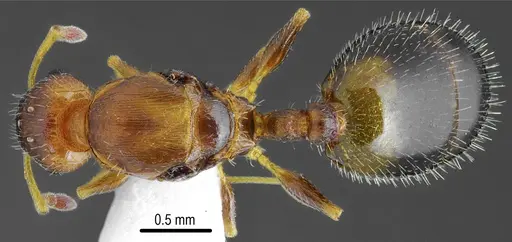
CASENT0846796
Lihat di AntWeb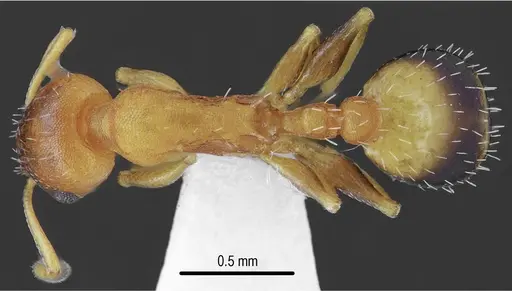
Literatur
Memuat peta distribusi...Memuat produk...