
Temnothorax alpinus
- Nama Ilmiah
- Temnothorax alpinus
- Tribe
- Crematogastrini
- Subfamili
- Myrmicinae
- Penulis
- Ruzsky, 1902
- Distribusi
- Ditemukan di 0 negara
Pendahuluan
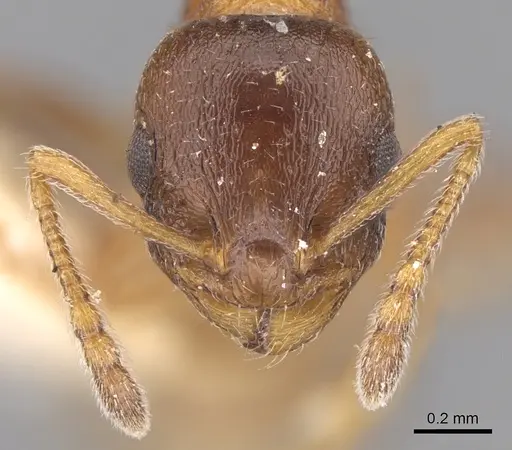
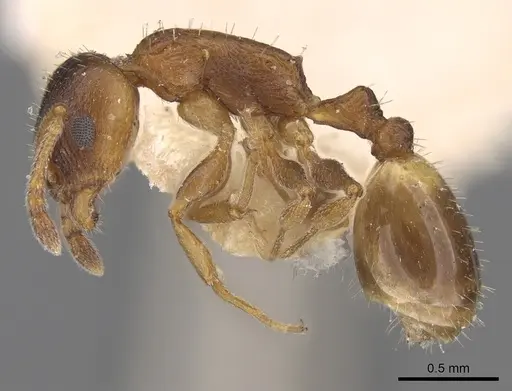
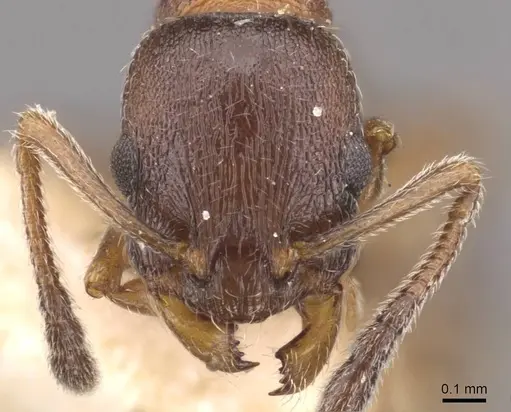
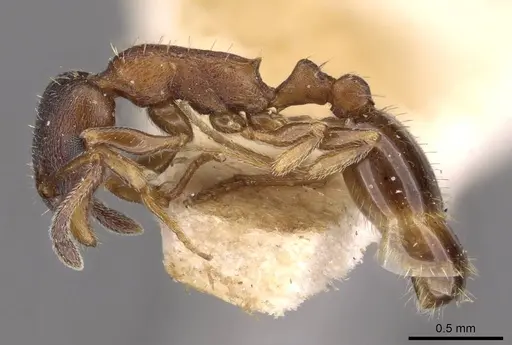
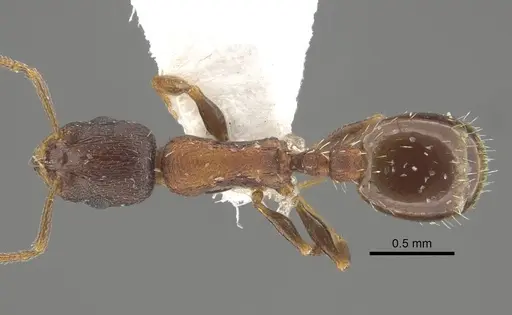
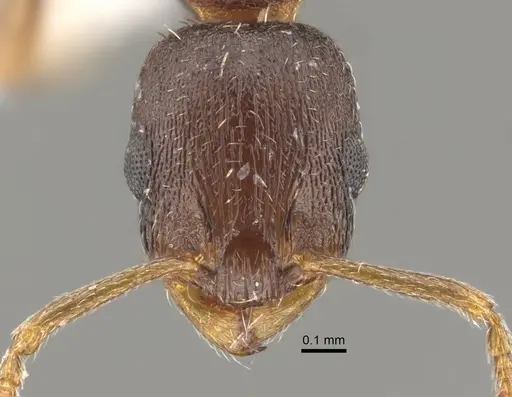
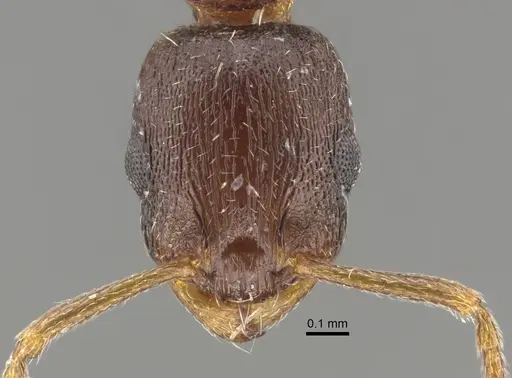
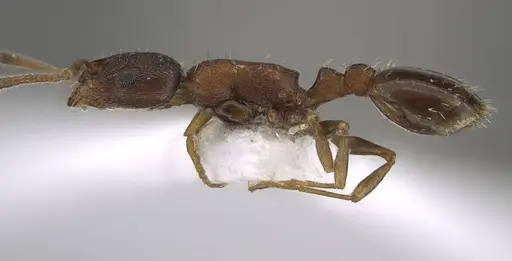
Temnothorax alpinus is a tiny ant species native to the Caucasus mountains, found in Russia (North Ossetia, North Caucasus) and Georgia . Workers measure just 2-3mm and have a distinctive dark brownish-red body with a blackish-brown head and antennal club . The mesosoma (middle body section) is coarsely rugose (wrinkled), and they have very short, dentiform propodeal spines . These ants inhabit rocky mountain meadows at elevations of 7,000-10,000 feet in the subalpine zone of the Great Caucasus, nesting under stones . As a high-altitude mountain species, they are adapted to cooler conditions than many other ants.
Quick Summary
- Difficulty: Medium
- Origin & Habitat: Caucasus mountains (Russia and Georgia) in subalpine rocky meadows at 7,000-10,000 ft elevation, nesting under stones [2][3]
- Colony Type: Unknown. No data on colony structure is available.
- Size & Growth:
- Queen: Size data unavailable.
- Worker: 2-3mm [2][3]
- Colony: Unknown. No documented colony sizes.
- Growth: Unknown. No data.
- Development: Unknown. No data on development time for this species. (Any estimates would be speculative. Keepers should expect slow progression if data from related species is considered, but no confirmed timeline exists.)
- Antkeeping:
- Temperature: Based on high-altitude habitat (7,000-10,000 ft), this species likely prefers cool conditions. Exact temperature range is unknown, start around 18-22°C and observe. Avoid high temperatures [2].
- Humidity: Based on rocky mountain habitat, likely prefers relatively dry nest conditions with a moisture gradient. Keep nest substrate slightly moist in one area but mostly dry [2].
- Diapause: Likely required given high-altitude origin, but unconfirmed. If providing winter rest, cool gradually to 5-10°C for 2-3 months during the cold season [2].
- Nesting: Nests under stones in nature. Y-tong (AAC), plaster, or test tube nests with tight, enclosed spaces are suitable [2].
- Behavior: Based on subfamily (Myrmicinae) and tribe (Crematogastrini), these ants use a smear defense mechanism, they wipe venom onto enemies with a modified spatulate stinger rather than piercing. They are very small (2-3mm), so escape prevention is critical. Temperament is unconfirmed but likely docile, as is typical for Temnothorax.
- Common Issues: tiny size means escapes are likely without fine mesh barriers, cool temperature requirements may conflict with room temperature in warm homes, overheating is a risk, very limited data means most care aspects are estimates rather than confirmed requirements, high-altitude origin suggests they may not tolerate warm or humid conditions, unknown founding behavior makes colony starting unpredictable
Temperature and Cooling Requirements
Temnothorax alpinus is a mountain species from high elevations in the Caucasus, which suggests it needs cooler conditions than most commonly kept ant species [2]. Exact temperature preferences are not known. Start by keeping the nest area around 18-22°C and monitor colony activity. Avoid placing the nest near heating elements or in direct sunlight, as overheating can be fatal. During summer, you may need to use cooling methods if room temperature exceeds this range. In winter, a natural temperature drop may benefit the colony, but this is unconfirmed. The key is stability and avoiding extremes [2][3].
Housing and Nest Setup
In the wild, T. alpinus nests under stones in rocky mountain meadows [2][3]. For captivity, Y-tong (AAC) nests work well because they provide the dark, enclosed spaces these ants prefer. Test tube setups are also suitable, especially for founding attempts. Because workers are only 2-3mm, use tight-fitting connections and fine mesh on any ventilation to prevent escapes. Provide a small outworld for foraging with a shallow water source. Keep the setup simple: these are not demanding ants in terms of complexity, but the small size requires careful barrier design.
Feeding and Diet
No specific dietary data exists for T. alpinus. Based on the genus, they likely accept small insects (fruit flies, pinhead crickets, mealworm pieces) and sugar sources (diluted honey or sugar water). Due to their tiny 2-3mm size, prey items should be appropriately scaled, very small insects or crushed pieces work best. Remove uneaten food after 24 hours to prevent mold. Feeding schedule and specific preferences are unknown, so observe and adjust.
Seasonal Care and Winter Dormancy
Given their origin in the high-altitude Caucasus (7,000-10,000 feet), these ants almost certainly require a winter dormancy period, although this has not been confirmed [2][3]. If you choose to provide diapause, gradually reduce temperature to around 5-10°C during late autumn (October-November) and reduce feeding. Keep them cool for 2-3 months (roughly November through February). Do not feed during dormancy but ensure the nest substrate does not dry out completely. In spring, slowly warm them back to active temperatures and resume feeding. This annual cycle is likely essential for long-term colony health.
Colony Development and Growth
Colony development in T. alpinus is not documented. All information below is speculative, based on related Temnothorax species. The queen size is unknown (no data). Workers are 2-3mm [2][3]. After founding, the first workers would likely appear after several weeks under appropriate conditions, but no specific timeline exists. Colony size probably remains modest (likely under a few hundred workers), but this is an inference. Patience is essential, this species' mountain origins suggest a slower life cycle compared to tropical species. Keepers should be prepared for extended periods with little visible progress.
Frequently Asked Questions
How long does it take for Temnothorax alpinus to get their first workers?
Unknown. No data exists on development time for this species. Estimates from related Temnothorax suggest 6-10 weeks under good conditions, but this is purely speculative.
Do Temnothorax alpinus need hibernation?
Likely yes, based on their high-altitude mountain origin, but this is unconfirmed. If providing winter rest, keep them cool (5-10°C) for 2-3 months during the cold season [2][3].
What temperature is best for Temnothorax alpinus?
Exact temperature preferences are unknown. Based on their habitat, start around 18-22°C and avoid high temperatures. They are adapted to cool mountain conditions [2].
How big do Temnothorax alpinus colonies get?
Colony size is not documented. Inferred from other Temnothorax, they likely remain small (under a few hundred workers), but this is speculation.
Can I keep Temnothorax alpinus in a test tube?
Yes, test tubes work well for small colonies. Ensure tight connections and fine mesh on ventilation, these tiny ants (2-3mm) can escape through very small gaps [2].
Are Temnothorax alpinus good for beginners?
This species is rated medium difficulty. While generally manageable, the lack of confirmed care data and their cool temperature requirements make them better suited for keepers who can adapt to unknowns. Their tiny size also requires attention to escape prevention.
What do Temnothorax alpinus eat?
No specific dietary data exists. Based on the genus, they likely accept small insects (fruit flies, small crickets) and sugar sources (honey water). Due to their tiny 2-3mm size, prey should be appropriately small or crushed.
Do Temnothorax alpinus ants sting?
As members of Myrmicinae (tribe Crematogastrini), they have a modified stinger used to smear venom rather than sting deeply. They are not aggressive and rarely use it defensively. Their primary defense is venom smearing.
Where is Temnothorax alpinus found in the wild?
They are native to the Caucasus mountains in Russia (North Ossetia, North Caucasus) and Georgia, living in rocky mountain meadows at elevations of 7,000-10,000 feet in the subalpine zone [1][2][3].
Why are my Temnothorax alpinus dying?
Common causes likely include overheating (keep below ~25°C), improper humidity (they prefer dry conditions), inadequate escape prevention, stress from handling, or lack of appropriate seasonal cooling. Because so little is known about this species, observe carefully and adjust conditions based on natural habitat.
Report an Issue
The current care sheet is based fully on literature. See inconsistencies, or something that's incorrect? Please , it will be resolved after review from an admin. Contributing to the blogs tab also helps providing information, to make us be able to further improve the caresheets. Thank you for your support!
References

Lembar perawatan ini dilisensikan di bawah CC BY-SA 4.0 .
Blog Komunitas
ANTWEB1008963
Lihat di AntWeb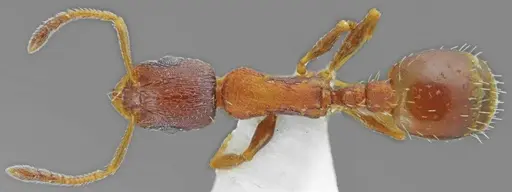
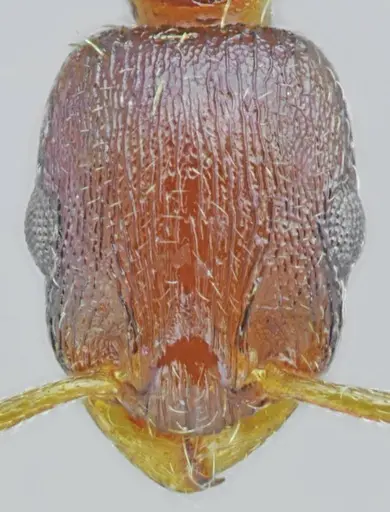
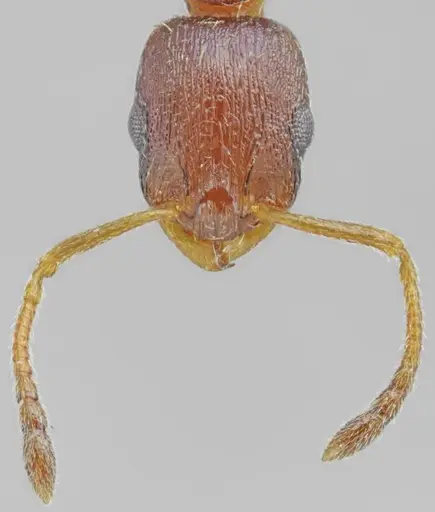
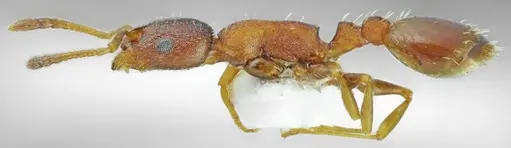
CASENT0906171
Lihat di AntWeb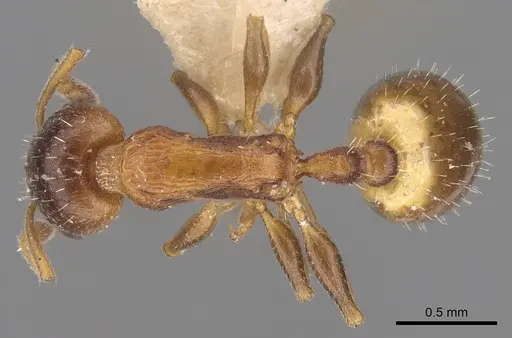
CASENT0909041
Lihat di AntWeb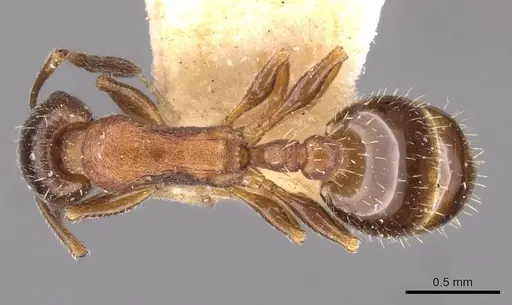
CASENT0917452
Lihat di AntWeb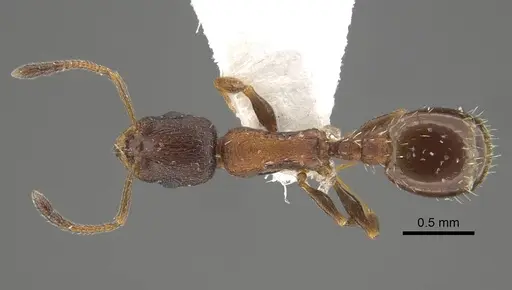
Literatur
Memuat peta distribusi...Memuat produk...