
Tapinoma festae
- Nama Ilmiah
- Tapinoma festae
- Tribe
- Tapinomini
- Subfamili
- Dolichoderinae
- Penulis
- Emery, 1925
- Distribusi
- Ditemukan di 3 negara
Pendahuluan
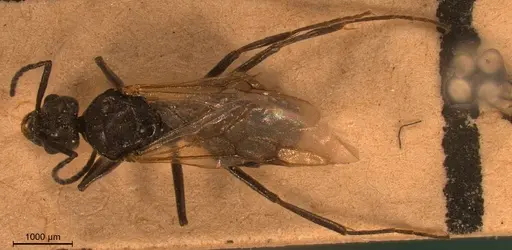
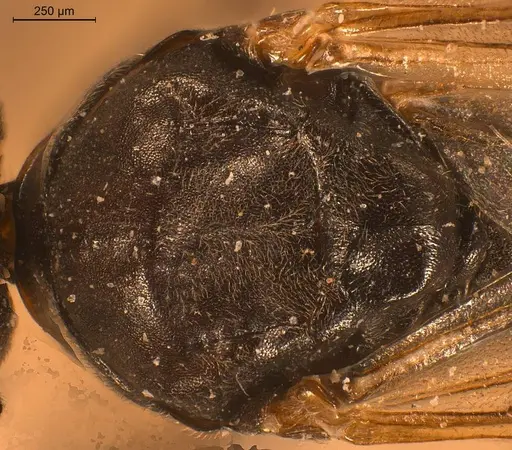
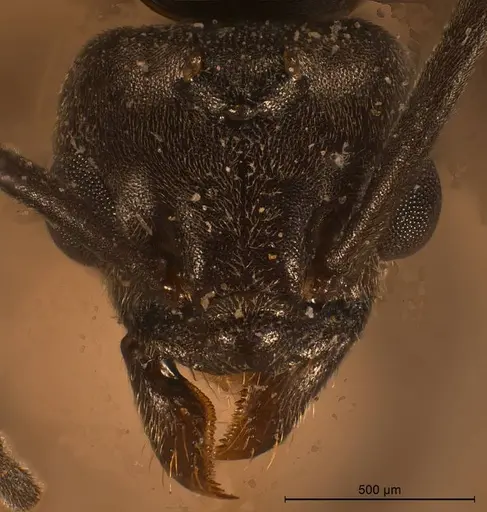
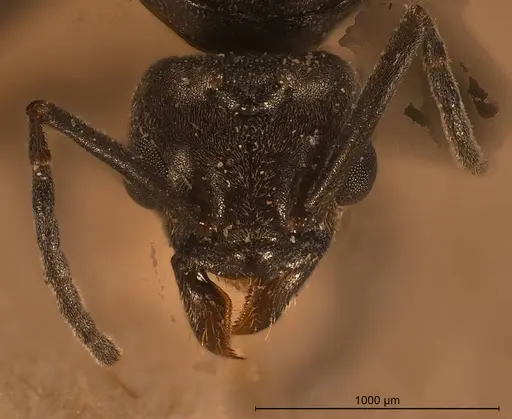
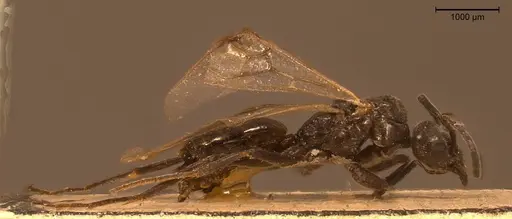
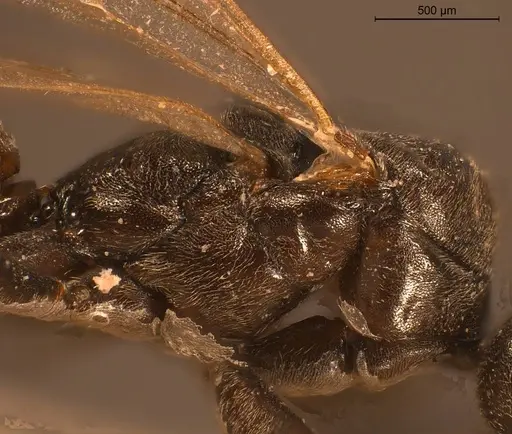
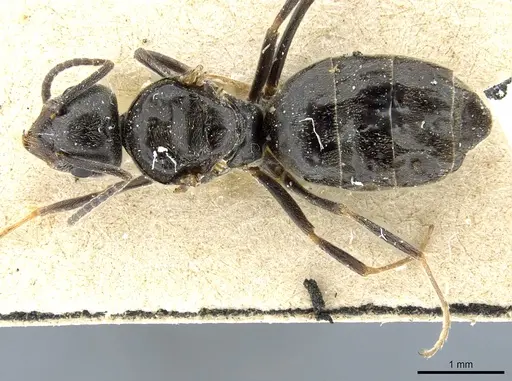
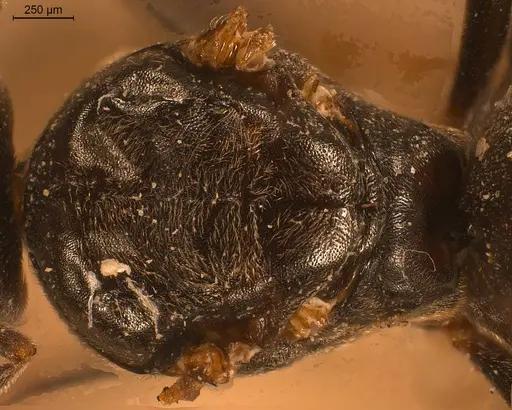
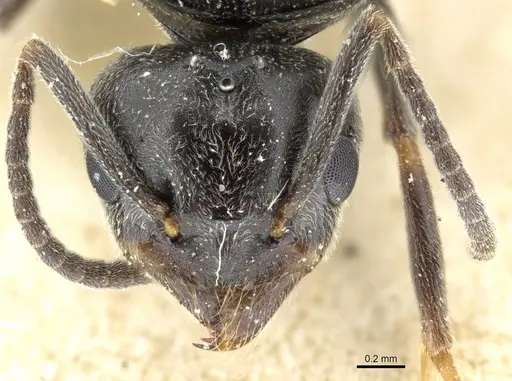
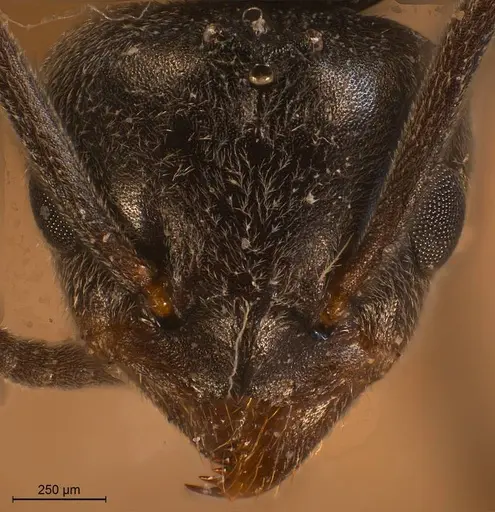
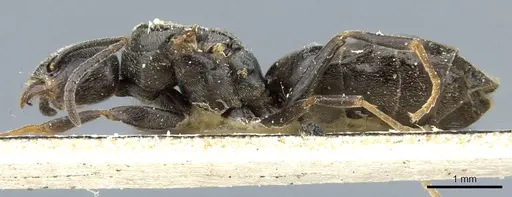
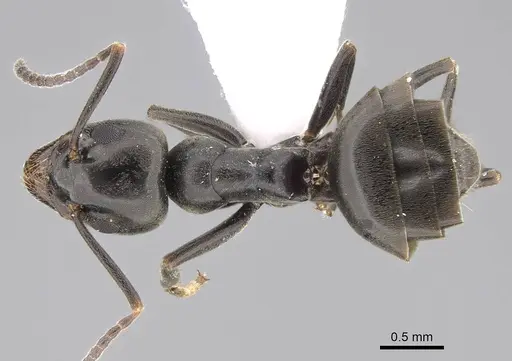
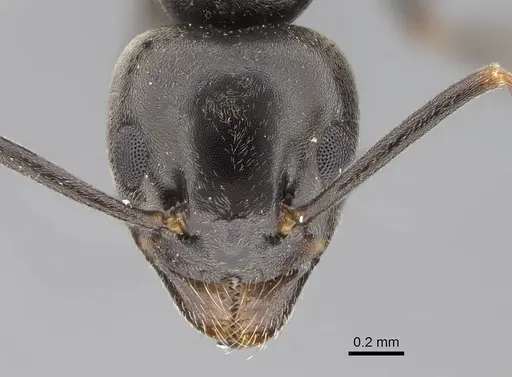
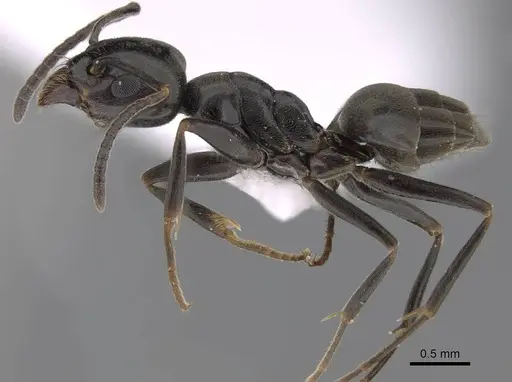
Tapinoma festae is a small to medium-sized ant from the eastern Mediterranean. Workers are polymorphic and range in body length from about 2 to 4 mm (inferred from similar species in the genus). Their colour is brown to black, with lighter antennae and legs. A distinctive shallow notch in the middle of the clypeus (the face plate) helps identify them. Like all Dolichoderinae, they cannot sting - instead, they release a foul‑smelling, sticky deterrent from their anal gland when threatened. This warmth‑loving ant thrives in hot, sunny places across the Greek islands, western Turkey, and recently Cyprus. They nest under stones in dry, open habitats like sandy beaches, olive groves, and rocky slopes. Colonies are polygynous, meaning several queens live together . Workers are active foragers that collect dead insects and nectar from mealybugs, often forming trails in full sun. When disturbed, they prefer to flee rather than fight.
Quick Summary
- Difficulty: Easy
- Origin & Habitat: Eastern Mediterranean, Greek islands (Crete, Rhodes, Chios, Samos), western coastal Turkey, and more recently recorded in Cyprus. Favours strongly sun‑exposed sites such as sandy beaches, oak and pine forests, olive plantations, and rocky areas. Nests under stones in dry, open locations [2][3].
- Colony Type: Polygynous, colonies contain multiple queens cooperating. This is one of the few Tapinoma species confirmed to have multi‑queen colonies [1].
- Size & Growth:
- Queen: ~4-6 mm (inferred from Tapinoma genus, no species‑specific total length data available).
- Worker: ~2-4 mm (inferred from Tapinoma genus, no species‑specific total length data available).
- Colony: Up to several hundred workers (estimated), wild nest density appears weak, suggesting moderate colony sizes [2].
- Growth: Moderate, based on typical Tapinoma patterns.
- Development: Estimated 6-8 weeks at warm temperatures (~25 °C). No species‑specific data available. (Development is likely faster in warm conditions, given the species' thermophilous nature.)
- Antkeeping:
- Temperature: Warm conditions essential, this is a thermophilous species. Keep the nest area at 24-28 °C, with a slight gradient so workers can self‑regulate. They naturally inhabit hot, sun‑exposed locations [2].
- Humidity: Low to moderate. Their natural habitat is dry (sandy beaches, rocky slopes). Keep the nest substrate moderately dry, a slightly damp area in the queen chamber is fine, but avoid waterlogging. A humidity gradient with a drier foraging zone works well.
- Diapause: Likely partial or minimal. As a Mediterranean species from warm climates, they may slow down in winter but probably don't require true hibernation. If activity drops, a cool period (10-15 °C) for 2-3 months can be provided.
- Nesting: Under stones or in shallow ground nests. Use a Y‑tong (AAC) nest or a naturalistic setup with flat stones placed on a dry sandy substrate. They prefer tight, dark chambers and do best in relatively dry conditions.
- Behavior: Workers are active foragers, searching for dead arthropods and honeydew from mealybugs. They form visible trails even in bright sunshine. When the nest is disturbed, they quickly flee rather than defend [2]. They are not aggressive and cannot sting (Dolichoderinae instead release a sticky deterrent from the anal gland). Escape prevention is vital because of their small size, use fine mesh (≤0.5 mm) on all openings. They are generally peaceful and can be kept in community setups if other species are not too timid.
- Common Issues: escape prevention is critical, their small size lets them slip through tiny gaps without very fine mesh, colonies may be stressed by excessive humidity, keep the nesting area dry, they are skittish and may abandon disturbed nests, minimise vibrations and disturbances, as a polygynous species, introducing unrelated queens to an established colony can cause aggression
Housing and Nest Setup
Tapinoma festae does best in a dry, warm setup that mirrors their Mediterranean habitat. A Y‑tong (AAC) nest works well, the porous material stays dry and you can create a temperature gradient. Alternatively, place flat stones on a sandy substrate so the ants can nest beneath them naturally. Keep the nest chambers dark and snug, these ants don't need large open spaces. For founding colonies, a test tube with a tight cotton plug is fine. Once the colony has around 20 workers, move them to a small formicarium with fine mesh barriers (≤0.5 mm) to prevent escapes. Heat one side of the nest with a cable to maintain 24-28 °C, allowing ants to choose their preferred temperature. [2][3]
Feeding and Diet
In the wild, workers collect dead arthropods and honeydew from mealybugs and other sap‑sucking insects [2]. Offer a varied diet: small crickets, mealworms, or fruit flies 2-3 times per week, plus constant access to sugar water, honey, or diluted jam. They are not picky and will take most ant foods. For founding colonies, provide a tiny drop of sugar water or honey every few days and occasional small prey. Unlike some ants, they accept killed insects without issue. Keep sugar sources available at all times once workers emerge, they need the energy for foraging.
Temperature and Seasonal Care
This thermophilous species naturally lives in hot, sun‑baked Mediterranean spots. They can tolerate temperatures from about 20 °C up to 30 °C or more, but optimal colony growth occurs with nest temperatures of 24-28 °C [2]. Use a heating cable on one side of the nest to create a gradient. In winter, they may slow down, a cool rest period at 10-15 °C for 2-3 months can be offered if activity drops. They are not adapted to constant cold. Recent records from Cyprus at 750 m altitude suggest some tolerance for cooler conditions, but warmth remains key [3].
Colony Structure and Multi‑Queen Care
Tapinoma festae is one of the few Tapinoma species confirmed as polygynous, multiple queens live and reproduce together [1]. If you obtain a founding colony with several foundresses, they should coexist peacefully. However, adding unrelated queens to an established colony may cause aggression. The species was recently confirmed on Cyprus, where it had been misidentified as Tapinoma simrothi [3][4]. Wild colonies appear to have low nest density [2], so colonies probably don't explode in size. Having multiple queens helps the colony survive if one dies, but you may also see some competition between queens.
Behavior and Handling
These ants are skittish, when disturbed, they flee rather than fight [2]. Workers forage actively, even in bright sunlight, and form visible trails to food. As Dolichoderinae, they cannot sting, their defence is a sticky, foul‑smelling anal gland secretion that can cause mild skin irritation. Because of their small size and tendency to flee, escape prevention is critical, use very fine mesh (≤0.5 mm) on all openings. They are peaceful toward other species and can be kept in community setups if you don't mind their energetic foraging. Overall, they are rewarding to watch for their constant activity.
Frequently Asked Questions
Can I keep Tapinoma festae in a test tube?
Yes, test tubes work for founding colonies. Use a tight cotton plug and a small water reservoir to avoid flooding. Once the colony reaches around 20 workers, move them to a formicarium with a dry nest chamber.
What temperature do Tapinoma festae need?
Keep the nest area warm, 24-28 °C is ideal. This is a thermophilous species that naturally lives in hot, sunny spots [2]. A heating cable on one side allows ants to choose their preferred temperature.
How long does it take for Tapinoma festae to develop from egg to worker?
No species‑specific data exists. Based on related Tapinoma, at around 25 °C development likely takes 6-8 weeks. Warmth speeds it up.
Are Tapinoma festae good for beginners?
Yes, they are easy to keep. They are not aggressive, don't need complex setups, and tolerate typical room temperatures. The main challenges are escape prevention (due to small size) and providing enough warmth.
Can I keep multiple queens together?
Yes, this species is naturally polygynous, so multiple queens coexist in the same nest [1]. If you start with several foundresses, they should get along. Adding unrelated queens later may cause fights.
Do Tapinoma festae need hibernation?
Mediterranean origin suggests they don't require true hibernation. A cool resting period at 10-15 °C for 2-3 months can be provided if the colony slows down, but it's not essential.
Why are my Tapinoma festae escaping?
Their small size lets them squeeze through tiny gaps. Use fine mesh (0.5 mm or tighter) on all openings, check lid seals, and secure any tubing connections. Escape prevention is critical.
What do Tapinoma festae eat?
They are opportunistic. Offer protein (small insects like crickets, mealworms, fruit flies) 2-3 times per week, and keep sugar water, honey, or diluted jam available constantly. They accept both fresh and frozen prey.
How big do Tapinoma festae colonies get?
Exact maximum unknown. Because they are polygynous, colonies can probably reach several hundred workers. Wild nest density appears weak, suggesting they don't become extremely large [2].
Report an Issue
The current care sheet is based fully on literature. See inconsistencies, or something that's incorrect? Please , it will be resolved after review from an admin. Contributing to the blogs tab also helps providing information, to make us be able to further improve the caresheets. Thank you for your support!
References

Lembar perawatan ini dilisensikan di bawah CC BY-SA 4.0 .
Blog Komunitas
Literatur
Memuat peta distribusi...Memuat produk...