
Strumigenys runa
- Nama Ilmiah
- Strumigenys runa
- Tribe
- Attini
- Subfamili
- Myrmicinae
- Penulis
- Bolton, 2000
- Distribusi
- Ditemukan di 0 negara
Pendahuluan
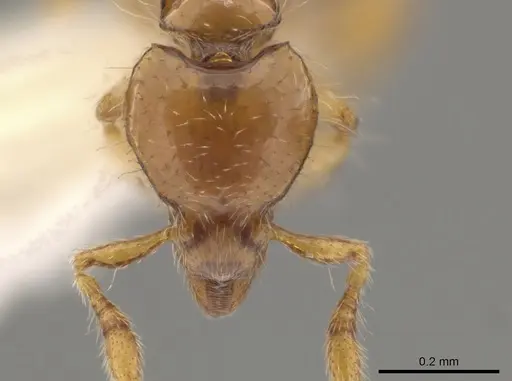
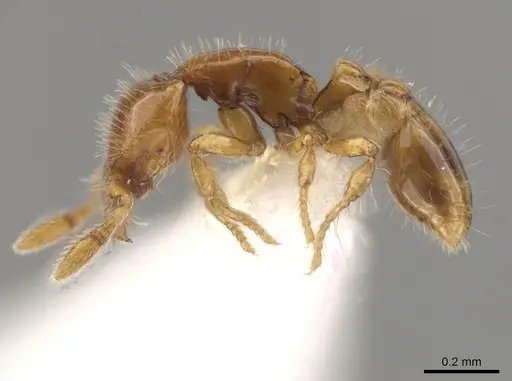
Strumigenys runa is an extremely tiny ant, measuring just 1.5mm in total length, making it one of the smallest ants you can keep . Like many Strumigenys, it has trap-jaw mandibles that snap shut to catch prey. This species is only known from the highlands of Sabah in northern Borneo, where specimens have been collected from wet forest leaf litter at elevations above 1000 meters . Because it was only described in 2025 and very few specimens have been found, almost nothing is known about its biology in the wild or in captivity.
Quick Summary
- Difficulty: Expert
- Origin & Habitat: Known only from the island of Borneo, specifically the Malaysian state of Sabah in the north. All specimens have been collected from wet forest habitats at elevations above 1000 meters, extracted from sifted leaf litter using Winkler samplers [1]. This is a recently described species (2025) known from only a handful of specimens.
- Colony Type: Colony structure is unconfirmed. Based on typical Strumigenys patterns, likely single-queen (monogyne) colonies with relatively small worker populations.
- Size & Growth:
- Queen: Size data unavailable, queens have not been described.
- Worker: 1.5mm total length [1]
- Colony: Unknown, likely a few hundred workers at most, based on typical Strumigenys colony sizes.
- Growth: Unknown, likely slow to moderate based on genus patterns
- Development: No data available. Based on related Strumigenys species, may take 8-12 weeks at warm temperatures. (No direct development data exists for this species. Estimates based on typical dacetine ant development patterns.)
- Antkeeping:
- Temperature: Based on its highland tropical origin, keep at 22-26°C. Avoid extremes. A gentle gradient allows workers to self-regulate [1].
- Humidity: High humidity is essential, think damp forest floor. Keep the nest substrate consistently moist but not waterlogged. These ants live in leaf litter in wet forests and will dry out quickly if conditions are too dry [1].
- Diapause: No, being a tropical highland species from Borneo, they do not require hibernation. Maintain stable warm temperatures year-round.
- Nesting: Use a naturalistic setup with moist substrate (like a terrarium-style formicarium) or a well-hydrated Y-tong/plaster nest. The key is maintaining high humidity while allowing some dry areas for the ants to retreat to if needed. Their tiny size means they need tight chambers and excellent escape prevention.
- Behavior: These are tiny, cryptic ants that spend most of their time hunting in the leaf litter layer. They are predatory and use their trap-jaw mandibles to capture small prey like springtails. They possess a functional stinger but it is far too small to pose any threat to humans, their main defense is their mandibles and their ability to hide. Escape prevention is critical due to their minute size, they can squeeze through incredibly small gaps. They are likely shy and not particularly active outside the nest.
- Common Issues: escape prevention is critical, at 1.5mm they can squeeze through gaps that seem sealed., high humidity requirements make the setup prone to mold if ventilation is poor, balance moisture and airflow., slow growth and unknown biology mean colonies may appear stagnant for months, patience is essential., virtually no information on captive care exists, you are pioneering their husbandry, so be ready to experiment., prey acceptance is uncertain, may require live springtails or other micro-arthropods, and they may not accept all prey types.
Housing and Setup
Housing Strumigenys runa presents significant challenges due to their tiny size and specific humidity needs [1]. A naturalistic terrarium-style setup with moist substrate works well, think of recreating the damp forest floor conditions where they naturally live. Use a mixture of soil and leaf litter material to provide structure and hunting grounds. Alternatively, a well-hydrated Y-tong or plaster nest can work if you maintain high ambient humidity around it. The most critical factor is escape prevention, at 1.5mm, these ants can squeeze through gaps that seem impossible. Use fine mesh on any ventilation holes and ensure all connections are tight. A test tube setup can work for founding colonies if kept humid, but monitor for drying.
Feeding and Diet
Strumigenys are specialized predators that hunt small micro-arthropods in leaf litter. In captivity, their primary food should be live springtails, these are the ideal natural prey and most Strumigenys readily accept them. Other small prey like minute soil mites, booklice (psocids), and tiny fruit fly larvae may also be accepted. Do not rely on sugar sources, these ants are predators, not honeydew feeders. Offer live prey items every few days, removing any uneaten prey after 24-48 hours to prevent mold. The trap-jaw mandibles are used to snap shut on prey, so prey must be small enough to be captured by these specialized jaws.
Temperature and Humidity
Keep temperatures in the 22-26°C range, aiming for stability rather than exact numbers. The highland Borneo origin suggests they prefer warm but not hot conditions [1]. High humidity is non-negotiable, these are wet forest ants. The substrate should feel consistently damp to the touch, similar to forest floor after rain. However, avoid completely saturated conditions that could drown the colony. A water reservoir or moisture wicking system in the nest helps maintain humidity. Some dry areas within the setup allow the ants to self-regulate if conditions become too damp. Monitor for condensation, some is good, but excessive condensation can indicate airflow problems.
Colony Development
Nothing is known about the captive development of Strumigenys runa specifically [1]. Based on related Strumigenys species, expect slow growth, these are not fast-growing ants. The queen will likely seal herself in during founding (claustral behavior) and survive on stored fat reserves until her first workers emerge, but this is speculative. First workers (nanitics) will be tiny, even smaller than the already minute workers of established colonies. Patience is essential, colonies may appear stagnant for months before you see significant growth. Do not disturb the founding chamber unnecessarily. Once workers emerge, they will begin hunting for small prey to feed the colony.
Challenges and Considerations
This is an extremely poorly known species with no established captive husbandry protocols [1]. You will essentially be pioneering their care. Key challenges include: escape prevention (critical due to tiny size), humidity management (high but not stagnant), and uncertain prey acceptance (start with live springtails). There is no information on how well this species adapts to captivity. Monitor colonies closely for signs of stress, poor appetite, or colony decline. Be prepared to experiment with humidity levels, prey types, and nest configurations. If a colony fails, try to document what happened to help future keepers. This species is not recommended for beginners due to the lack of available care information and the specialized requirements of Strumigenys ants.
Frequently Asked Questions
How long does it take for Strumigenys runa to produce first workers?
The exact timeline is unknown since this species has never been kept in captivity. Based on related Strumigenys species, expect 8-12 weeks from founding to first workers at tropical temperatures (24-26°C). However, this is purely an estimate, actual timing could be faster or slower.
What do Strumigenys runa ants eat?
Strumigenys are predatory ants that hunt small micro-arthropods. In captivity, they should be fed live springtails as their primary food. They may also accept other tiny prey like minute soil mites, booklice, or tiny fruit fly larvae. Sugar sources are unlikely to be accepted, these are specialized predators, not honeydew feeders.
Can I keep Strumigenys runa in a test tube?
A test tube can work for a founding colony, but you must maintain high humidity around it (like in a humid chamber). However, due to their tiny 1.5mm size, escape prevention is critical, check all connections carefully. A naturalistic setup with moist substrate may be better long-term [1].
Are Strumigenys runa good for beginners?
No. This is an expert-level species due to multiple factors: virtually no captive care information exists, they have extremely high humidity requirements, their tiny size makes escape prevention difficult, and their specialized predatory diet requires live prey. This species is best left to experienced antkeepers who can pioneer husbandry protocols.
How big do Strumigenys runa colonies get?
The maximum colony size is unknown, but based on typical Strumigenys patterns, colonies likely reach a few hundred workers at most. These are not large colony ants.
Do Strumigenys runa need hibernation?
No. Being a tropical highland species from Borneo, they do not require hibernation. Maintain stable warm temperatures year-round (22-26°C) [1].
Why are my Strumigenys runa dying?
Common causes include: drying out (they need high humidity), escape (check for tiny gaps), poor prey acceptance (try different live prey), and stress from disturbance. Since this species has no established captive protocols, some trial and error may be needed to identify the issue.
When should I move Strumigenys runa to a formicarium?
Wait until the colony has at least 20-30 workers before considering a move. Strumigenys do better in stable, humid conditions, so avoid moving unless absolutely necessary. A naturalistic setup with moist substrate works well.
What makes Strumigenys runa different from other Strumigenys?
Strumigenys runa is a recently described species (2025) only known from the highlands of Sabah in northern Borneo. It differs from related species in having specific setae patterns on its scapes and head, and a shallowly concave pronotum. Biologically, almost nothing is known about it in the wild or in captivity [1].
Report an Issue
The current care sheet is based fully on literature. See inconsistencies, or something that's incorrect? Please , it will be resolved after review from an admin. Contributing to the blogs tab also helps providing information, to make us be able to further improve the caresheets. Thank you for your support!
References

Lembar perawatan ini dilisensikan di bawah CC BY-SA 4.0 .
Blog Komunitas
CASENT0634746
Lihat di AntWeb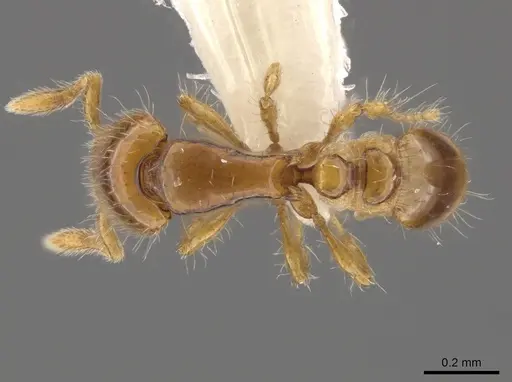
Literatur
Memuat peta distribusi...Memuat produk...