
Strumigenys epelys
- Nama Ilmiah
- Strumigenys epelys
- Tribe
- Attini
- Subfamili
- Myrmicinae
- Penulis
- Bolton, 2000
- Distribusi
- Ditemukan di 1 negara
Pendahuluan
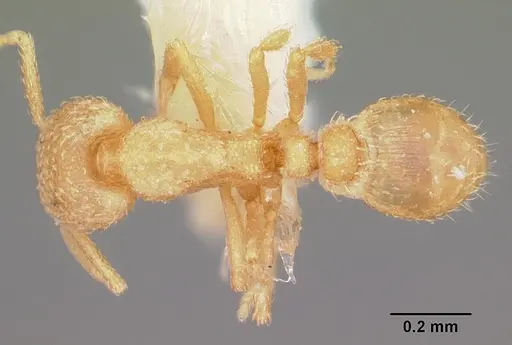
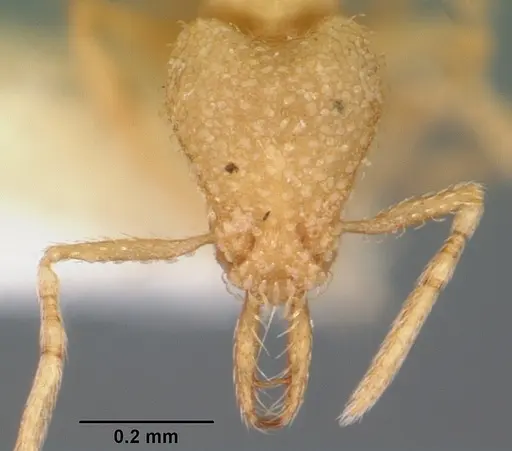
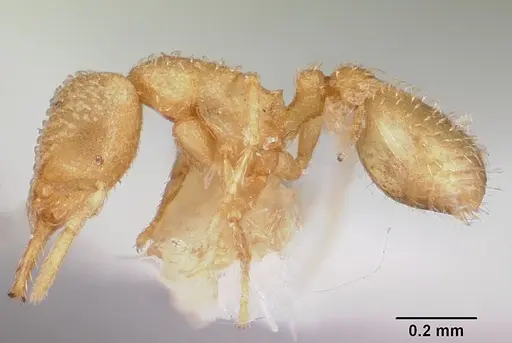
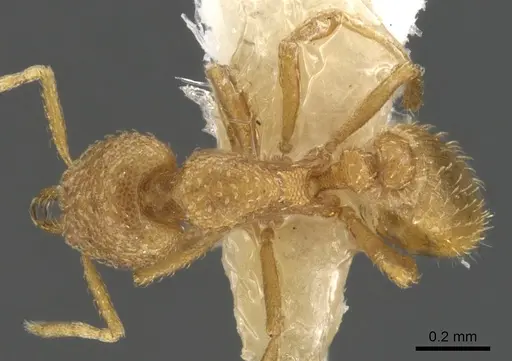
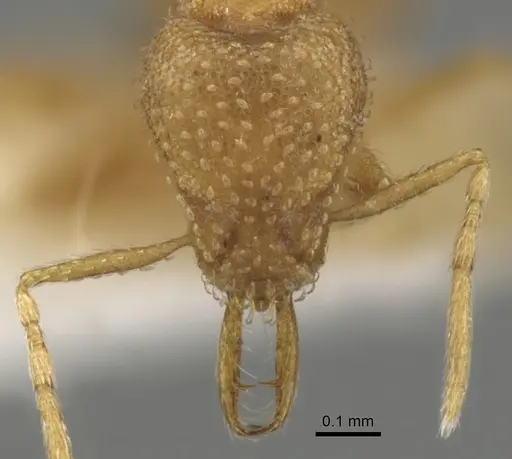
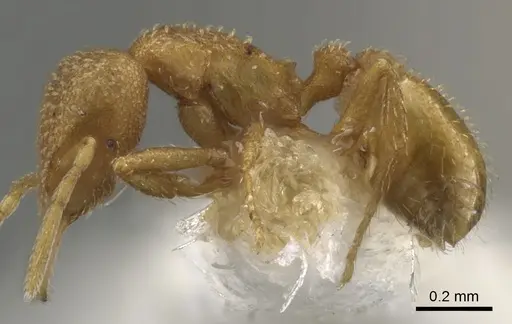
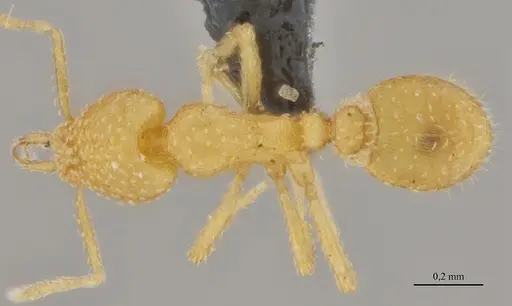
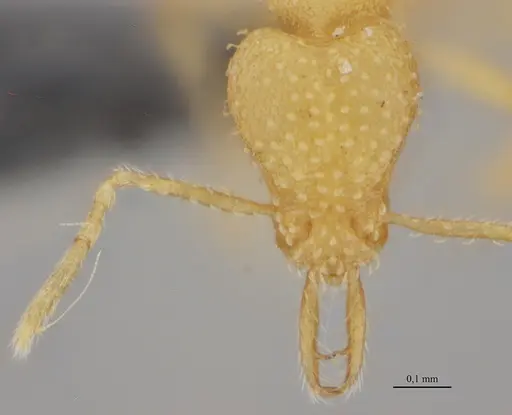
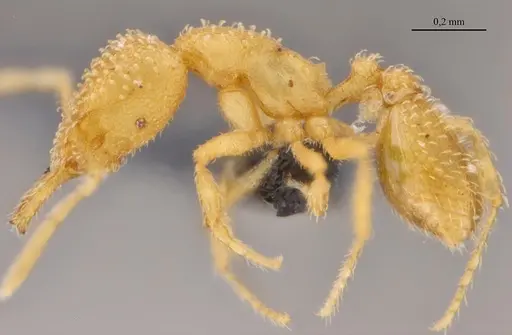
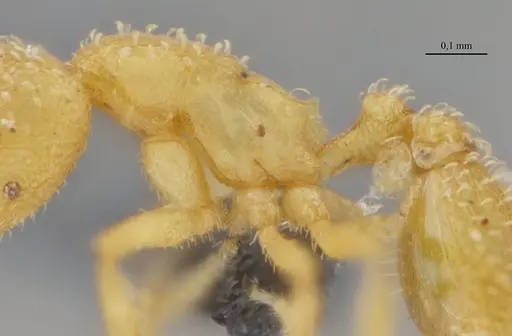
Strumigenys epelys is a tiny predatory ant species native to Brazil . Workers measure around 2-3mm (inferred from genus patterns) and have the characteristic trap-jaw mandibles that snap shut to capture prey. The genus Strumigenys contains over 850 species worldwide, all specialized predators of springtails and other tiny arthropods in forest floor habitats. These ants are rarely kept in captivity due to their specialized diet and slow growth, making them a challenge even for experienced antkeepers.
Quick Summary
- Difficulty: Expert
- Origin & Habitat: Brazil (Bahia region), found in humid forest floor habitats such as rotting wood and leaf litter [1]
- Colony Type: Unconfirmed. Based on typical Strumigenys genus patterns, likely monogyne (single-queen), but not confirmed through species-specific research. Colony sizes remain small.
- Size & Growth:
- Queen: ~3-4mm (inferred from Strumigenys genus)
- Worker: ~2-3mm (inferred from Strumigenys genus) [1]
- Colony: Up to around 200 workers (inferred from genus)
- Growth: Slow
- Development: Estimated 8-12 weeks at optimal temperature (based on genus-level patterns for Strumigenys) (Development is slow compared to many common ant species. First workers (nanitics) are very small.)
- Antkeeping:
- Temperature: Based on forest floor habitat, keep at 22-26°C. A stable temperature within this range is likely suitable, but species-specific data is lacking.
- Humidity: High humidity required, keep the nest substrate consistently damp but not waterlogged. Humidity needs are inferred from tropical forest floor habitat.
- Diapause: Unknown. As a tropical species from Brazil, diapause likely not required, but not confirmed through research.
- Nesting: Naturalistic setups with moist substrate (soil/rotting wood mixture) likely work best. They probably prefer tight, humid chambers rather than open spaces, based on genus nesting habits.
- Behavior: These ants are specialized predators. Workers hunt individually, using their trap-jaw mandibles to capture springtails and other tiny arthropods. They are not aggressive toward humans and rarely sting. Escape prevention is critical due to their very small size, they can squeeze through standard mesh barriers. Activity level is moderate.
- Common Issues: escape prevention is critical due to their tiny 2-3mm size, use fine mesh barriers or petroleum jelly on smooth surfaces, requires live springtails or micro-arthropods as primary food, standard ant feeds may not be accepted, slow growth can frustrate keepers, colonies may take months to reach even 20-30 workers, drying out is fatal, they need consistently humid conditions, parasites from wild-caught colonies can decimate the colony in captivity
Housing and Nest Setup
Based on typical Strumigenys nesting habits, a naturalistic setup is likely best. Use a shallow formicarium or plastic container filled with moist substrate, a mix of soil and rotting wood works well. The substrate should remain consistently damp but never waterlogged. Provide tight chambers and narrow passages scaled to their tiny size, these ants feel exposed in large open spaces. A hydration layer or water reservoir underneath the substrate helps maintain humidity. Cover the setup to prevent escapes but allow some ventilation to prevent mold. Note that species-specific research on optimal housing is lacking.
Feeding and Diet
This is the most critical aspect of keeping Strumigenys. Based on genus patterns, they are likely obligate predators specialized on springtails (Collembola) and other tiny arthropods. You will probably need to culture a steady supply of springtails to keep them alive. Offer a few springtails per worker every few days, removing uneaten prey within 24 hours. Some colonies may eventually accept small fruit flies or other tiny insects, but springtails should remain the primary food. Sugar sources are generally not accepted, these are strict predators. Never leave standard ant jelly or honeydew in the setup as it will mold without being eaten. Keep in mind that direct dietary studies for this species are unavailable.
Temperature and Humidity
Based on the tropical forest floor habitat, maintain temperatures between 22-26°C. A slight gradient allows the colony to self-regulate. Heating on one side of the nest can help achieve this, but always provide unheated areas. Humidity is critical, keep the substrate damp to the touch at all times. Use a hydration system rather than misting to avoid flooding and ensure consistent moisture. A hygrometer helps monitor conditions. If the colony appears sluggish or workers cluster tightly together, the temperature may be too low. Note that precise temperature and humidity requirements are not established for this species.
Colony Development
Based on genus patterns, Strumigenys colonies likely grow slowly. A newly mated queen will probably seal herself in a small chamber and lay eggs after 1-2 weeks. The first workers (nanitics) may emerge after 8-12 weeks and are much smaller than mature workers. Growth from this point remains gradual, expect 6-12 months to reach perhaps 30-50 workers. Maximum colony size is typically up to around 200 workers for the genus. Patience is essential with this species. Do not attempt to speed growth by raising temperatures too high or overfeeding, this can stress the colony. Let the queen regulate her own brood development.
Behavior and Temperament
Workers likely hunt individually using their trap-jaw mandibles. When a springtail is detected, the ant approaches rapidly and snaps its jaws shut in a fraction of a second. These ants are active hunters rather than foragers that recruit nestmates. They are not defensive toward humans and the sting is negligible. However, their tiny size makes them expert escape artists. Standard ant farm mesh will not contain them, use fine mesh or petroleum jelly barriers on smooth surfaces. Workers are most active during daylight hours. Note that detailed behavioral studies for this species are lacking, observations are based on the genus.
Frequently Asked Questions
Can I keep Strumigenys epelys in a test tube?
Probably not. Based on genus needs, test tubes are not suitable for long-term housing. These ants likely need a naturalistic setup with moist substrate and tight chambers that a test tube cannot provide. However, no specific studies have tested test tube housing for this species.
What do Strumigenys epelys eat?
Based on genus patterns, they are specialized predators that likely require live springtails as their primary food. Standard ant feeds like honey or protein jelly are probably not accepted. You will likely need to culture a springtail colony to keep this species.
How long does it take for the first workers to emerge?
Estimated 8-12 weeks from founding to first workers (nanitics), based on genus-level data for Strumigenys. This is slow compared to many common ant species. Growth continues gradually after that.
Are Strumigenys epelys good for beginners?
No, this is an expert-level species. Their requirement for live springtails, need for high humidity, slow growth, and escape risk make them challenging even for experienced antkeepers. Species-specific research is lacking, so husbandry is based on genus patterns and may involve trial and error.
How big do Strumigenys epelys colonies get?
Colonies likely reach up to around 200 workers at maximum, based on genus patterns. This is relatively small compared to many common ant species, reflecting their specialized ecological niche. No species-specific colony size data is available.
Do Strumigenys epelys need hibernation?
Probably not. As a tropical species from Brazil, they likely do not require a diapause period. However, no specific studies confirm this. A slight temperature reduction in winter (around 18-20°C) may be tolerable if the colony is healthy, but is not necessary.
Why are my Strumigenys dying?
Common causes likely include: drying out (humidity too low), no live springtail food, escapes through tiny gaps, parasites from wild-caught colonies, or temperatures outside the estimated 22-26°C range. Check each of these factors. Note that specific mortality causes for this species are not documented.
When should I move them to a formicarium?
Start them in a small setup with moist substrate from the beginning. There is no need to move them, a properly set up naturalistic formicarium likely works from founding through maturity, based on genus preferences.
Can I keep multiple queens together?
Probably not. Based on inferred monogyne colony structure, keeping multiple queens together is not recommended. Multiple unrelated queens would likely fight. Only keep one queen per colony.
Report an Issue
The current care sheet is based fully on literature. See inconsistencies, or something that's incorrect? Please , it will be resolved after review from an admin. Contributing to the blogs tab also helps providing information, to make us be able to further improve the caresheets. Thank you for your support!
References

Lembar perawatan ini dilisensikan di bawah CC BY-SA 4.0 .
Blog Komunitas
Literatur
Memuat peta distribusi...Memuat produk...