
Stigmatomma pertinax
- Nama Ilmiah
- Stigmatomma pertinax
- Tribe
- Amblyoponini
- Subfamili
- Amblyoponinae
- Penulis
- Baroni Urbani, 1978
- Distribusi
- Ditemukan di 0 negara
Pendahuluan
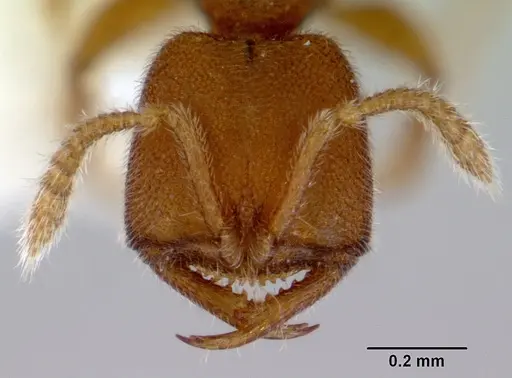
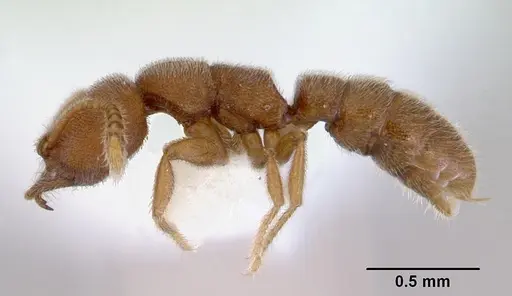
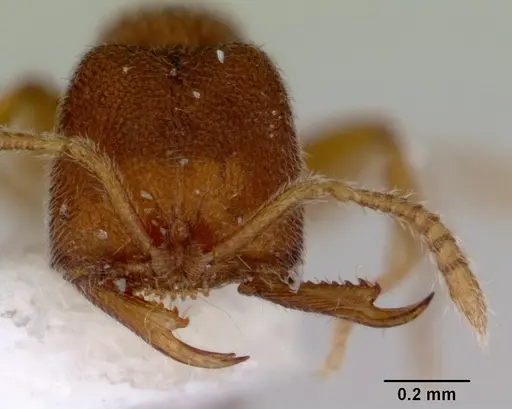
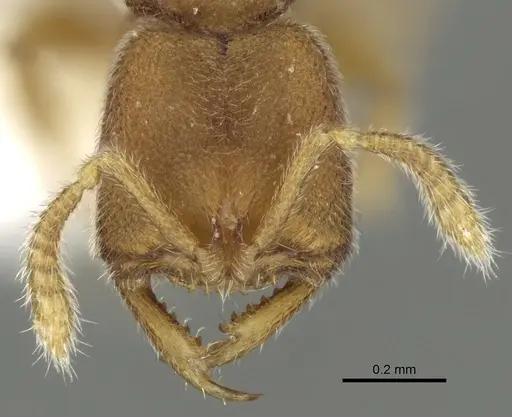
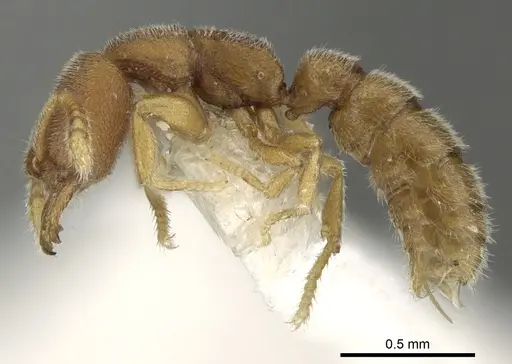
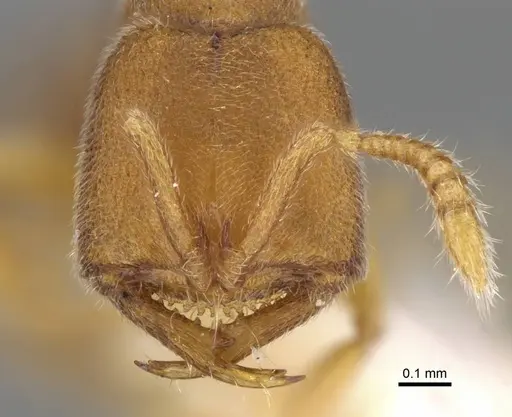
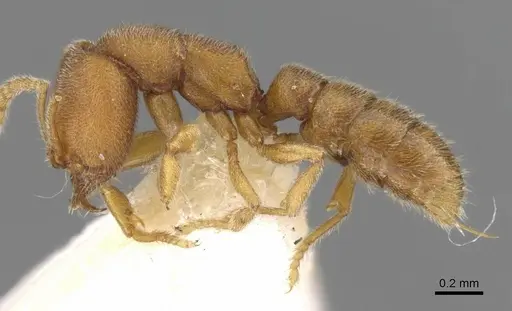
Stigmatomma pertinax is a poorly known ant from the Himalayas, found in northern India (Sikkim, West Bengal) and Nepal . Only the worker caste has been described . Workers have 11-segmented antennae and distinctive serrated mandibles . The head is slightly broader than long, and the front of the clypeus has eight stout bristles . The species has been moved between genera several times . Its natural habitat is high-elevation forest at around 2200 meters .
Quick Summary
- Difficulty: Expert
- Origin & Habitat: Himalayan region of India and Nepal, specifically Sikkim and West Bengal (Darjeeling area) at elevations around 2200 meters [3][1]. They inhabit cool, mountainous forest environments in the Eastern Himalayas [2].
- Colony Type: Unknown, only the worker caste has been described. No observations on queen number or social structure exist [3].
- Size & Growth:
- Queen: Unknown, queen caste not yet described [3]
- Worker: Size data unavailable, no body length measurements are recorded in the available literature
- Colony: Unknown, no data on colony size exists
- Growth: Unknown
- Development: Unknown, no developmental studies have been conducted (No data available. Any estimate would be pure speculation.)
- Antkeeping:
- Temperature: Unconfirmed. Based on the high‑elevation Himalayan habitat, keep cool (estimated 18-22°C). Avoid overheating.
- Humidity: Unconfirmed. Based on forest‑floor microhabitats, provide a moist substrate, not waterlogged, but consistently damp.
- Diapause: Likely yes, but unconfirmed. If kept long‑term, provide a cool winter period (approximately 3-4 months at 10-15°C).
- Nesting: Unconfirmed. Related Amblyoponinae nest in soil or rotting wood. A naturalistic setup with deep soil and leaf litter is recommended.
- Behavior: Unstudied. Based on subfamily traits, these ants are predatory and possess a functional sting, but they pose no threat to humans. Foraging is likely subterranean or hidden. Due to their small size and unknown escape behavior, take standard precautions for tiny ants (e.g., fluon barriers).
- Common Issues: extremely limited availability, this species is known only from a few museum specimens and is not available in the antkeeping hobby, no established care protocols, any attempt to keep it would require pioneering husbandry from scratch, queen and colony structure completely unknown, making captive breeding nearly impossible, temperature sensitivity, high‑elevation origin means overheating can easily kill a colony, wild‑caught colonies, if ever obtained, may carry parasites or diseases with no known treatments
Taxonomy and Identification
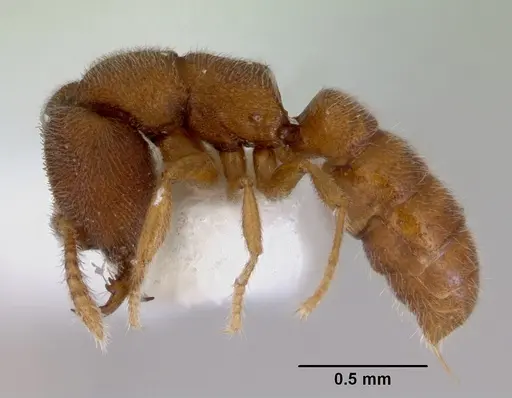
Stigmatomma pertinax has a complex taxonomic history. It was originally described as Stigmatomma pertinax by Baroni Urbani in 1978 from a worker collected in Darjeeling, India [3]. It was later moved to Stigmatomma, then to the genus Bannapone in 2015 when Eguchi and colleagues redefined that genus [3]. Finally, Ward and Fisher revived the combination back to Stigmatomma in 2016 when they revised the Amblyoponinae evolutionary history [7]. Workers can be identified by their 11‑segmented antennae (a key character distinguishing them from similar species), a head that is slightly broader than long, deeply split mandibles at the third tooth from the apex, and a row of eight stout dentiform setae on the anterior clypeal margin [4][5][6]. Only the worker caste has been described, queens, males, and colony structure remain scientifically unknown.
Distribution and Habitat
This species is endemic to the Himalayan region, currently confirmed from India (Sikkim and West Bengal) and Nepal [1][2]. The type locality is Chim Khona near Ghum in Darjeeling district, at an elevation of approximately 2200 meters [3]. In Nepal, it has been recorded from Taplejung district in the eastern part of the country [2]. This high‑elevation, cool mountainous habitat suggests they are adapted to temperate conditions and likely experience significant seasonal temperature variations. The specific microhabitat preferences (forest type, soil conditions, nesting sites) remain unstudied, but related Amblyoponinae typically nest in soil or rotting wood in shaded, humid locations.
Known Biology
The biology of Stigmatomma pertinax is almost entirely unknown, this is one of the least studied ant species. What we know comes from morphological studies of the worker caste. The deeply serrated, comb‑like mandibles suggest specialized predatory behavior, similar to other Amblyoponinae which use their mandibles to capture small soil arthropods like springtails, mites, and other micro‑invertebrates [5]. The subpetiolar process (a small projection on the underside of the petiole) is short and broad, roughly square in profile, a common feature in the subfamily [5]. No observations exist on colony size, queen behavior, nuptial flight timing, or any aspect of their social biology. Keeping this species would require careful observation and documentation of previously unknown behaviors.
Keeping Considerations
Stigmatomma pertinax is not a species for beginners. It is extremely rare, virtually unavailable in the hobby, and no established care protocols exist. If you were to obtain specimens, you would be pioneering the husbandry of a completely unstudied species. Based on its high‑elevation Himalayan origin, keep them cool (18-22°C), provide moderate to high humidity with a moist substrate, and offer small live prey such as springtails or fruit flies. A naturalistic setup with deep soil or rotting wood would be most appropriate. Expect slow growth and small colony sizes, if any. The most critical consideration is that this species is not available in the hobby, it remains a scientific curiosity known only from a handful of museum specimens collected decades ago [3][2].
Frequently Asked Questions
Is Stigmatomma pertinax available for sale in the antkeeping hobby?
No, this species is extremely rare and not available in the antkeeping hobby. It is known only from a handful of scientific specimens collected in the Himalayas of India and Nepal decades ago [3][2].
How do I care for Stigmatomma pertinax?
No established care protocol exists because the species has never been kept in captivity. Based on related Amblyoponinae and their high‑elevation Himalayan habitat, keep them cool (18-22°C), maintain moderate to high humidity with moist substrate, and feed small live prey like springtails or fruit flies. You would essentially be pioneering the husbandry of an unstudied species.
What does Stigmatomma pertinax look like?
Workers are small ants (exact size unknown) with distinctive 11‑segmented antennae and deeply serrated, comb‑like mandibles [4][5]. The head is slightly broader than long, and they have a row of eight stout tooth‑like bristles on the front of the clypeus [6]. They are cryptically colored, typical of soil‑dwelling predatory ants.
Where does Stigmatomma pertinax live?
This species is native to the Himalayas, found in the mountains of northern India (Sikkim and West Bengal/Darjeeling) and eastern Nepal at elevations around 2200 meters [1][2][3]. It inhabits cool, temperate forest environments in the Eastern Himalayas.
Can I keep multiple queens of Stigmatomma pertinax together?
Unknown, the colony structure of this species has never been studied. Only worker specimens have been described, queens and males remain unknown [3]. Any claim about queen number would be pure speculation.
Does Stigmatomma pertinax need hibernation?
Likely yes, given their origin in the Himalayan mountains at 2200 m elevation, they almost certainly require a winter dormancy period. Provide 3-4 months at cool temperatures (10-15°C) during winter months, similar to other high‑elevation temperate ant species.
What do Stigmatomma pertinax ants eat?
Unconfirmed, but based on related Amblyoponinae species, they are predatory hunters that likely feed on small soil arthropods like springtails, mites, and tiny insects. Their deeply serrated, comb‑like mandibles are specialized for capturing small, soft‑bodied prey [5]. In captivity, you would likely need to provide live small prey.
How long does it take for Stigmatomma pertinax to develop from egg to worker?
Unknown, this has never been studied. Any developmental estimate would be pure speculation.
Are Stigmatomma pertinax ants aggressive or do they sting?
Behavior is unstudied, but Amblyoponinae ants are not aggressive toward humans. They are specialized predators that use their mandibles to capture prey, not to defend against larger threats. They likely have functional stingers, as this subfamily is known to possess them, though the sting would be negligible to humans.
Is Stigmatomma pertinax a good species for beginners?
No, this is an expert‑level species at best, and more realistically a scientific curiosity not available in the hobby. There are no established care protocols, specimens are not available, and almost nothing is known about their biology. Beginners should start with well‑studied species like Lasius niger, Camponotus species, or Messor species.
Report an Issue
The current care sheet is based fully on literature. See inconsistencies, or something that's incorrect? Please , it will be resolved after review from an admin. Contributing to the blogs tab also helps providing information, to make us be able to further improve the caresheets. Thank you for your support!
References

Lembar perawatan ini dilisensikan di bawah CC BY-SA 4.0 .
Blog Komunitas
CASENT0172385
Lihat di AntWeb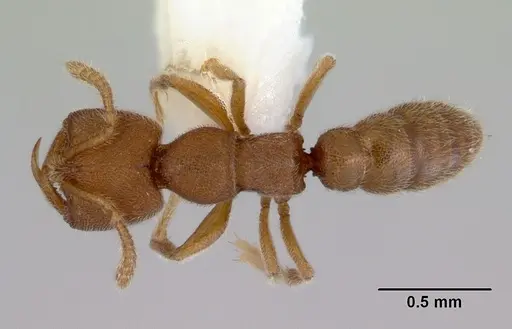
CASENT0172395
Lihat di AntWeb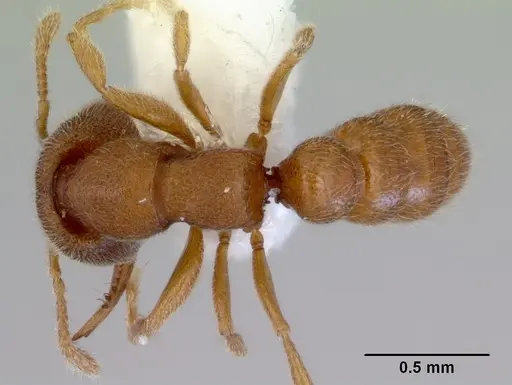
CASENT0280668
Lihat di AntWeb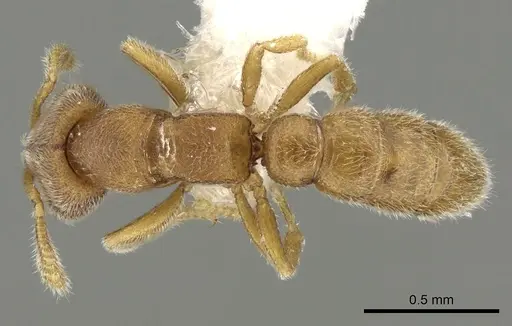
CASENT0906831
Lihat di AntWeb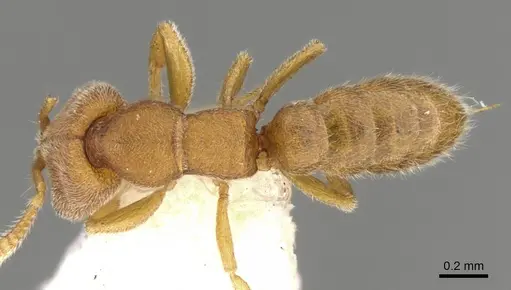
Literatur
Memuat peta distribusi...Memuat produk...