
Stigmatomma besucheti
- Nama Ilmiah
- Stigmatomma besucheti
- Tribe
- Amblyoponini
- Subfamili
- Amblyoponinae
- Penulis
- Baroni Urbani, 1978
- Distribusi
- Ditemukan di 0 negara
Pendahuluan
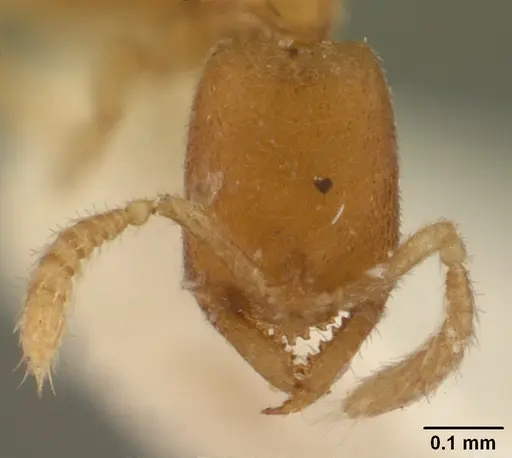
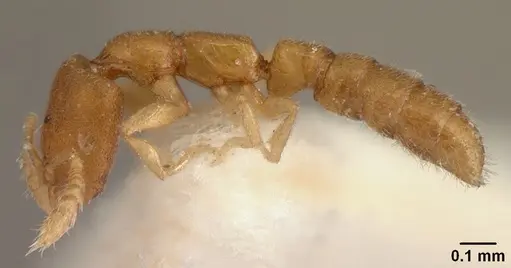
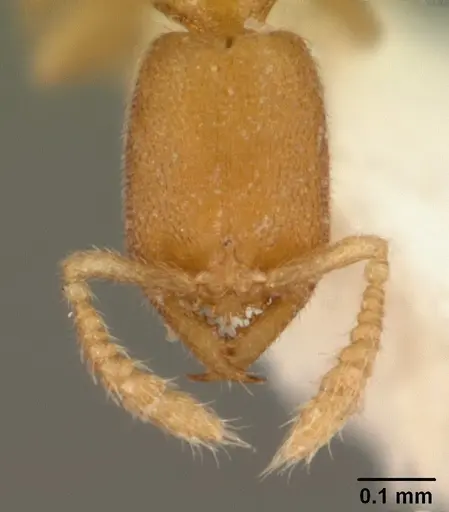
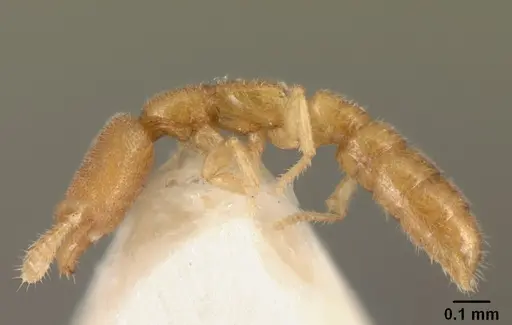
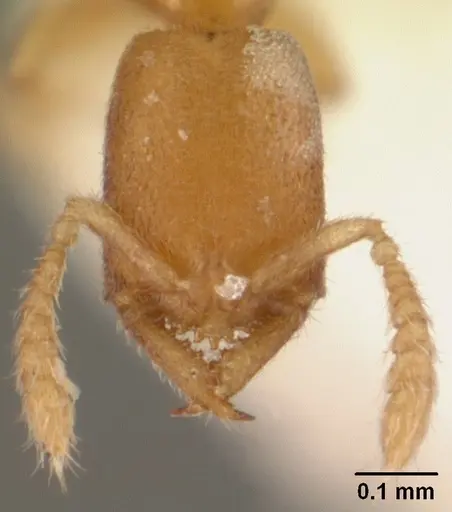
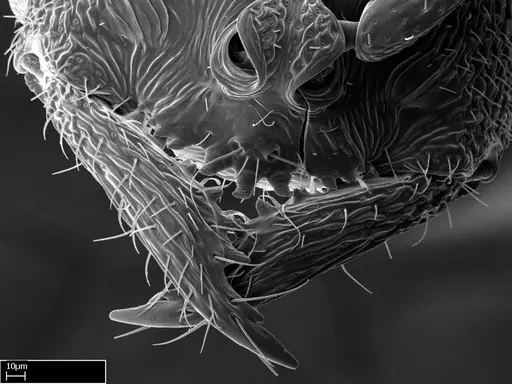
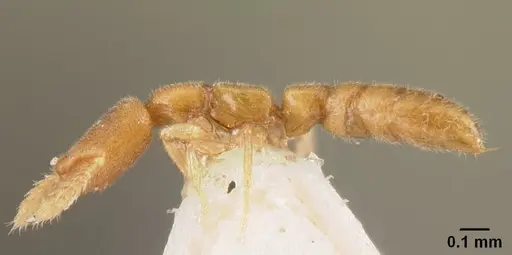
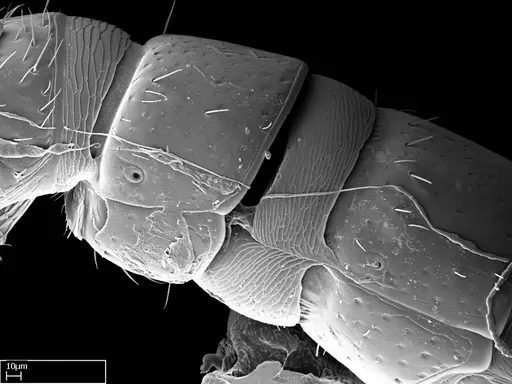
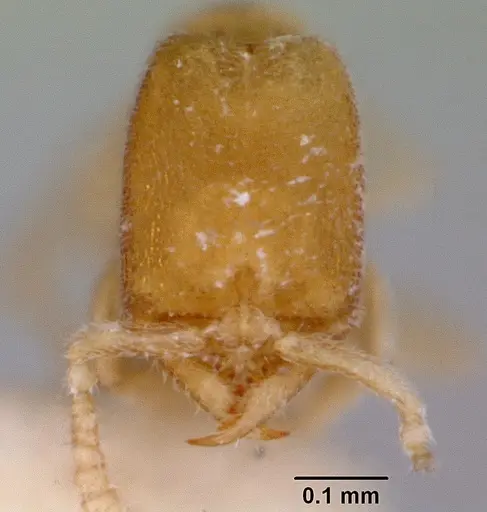
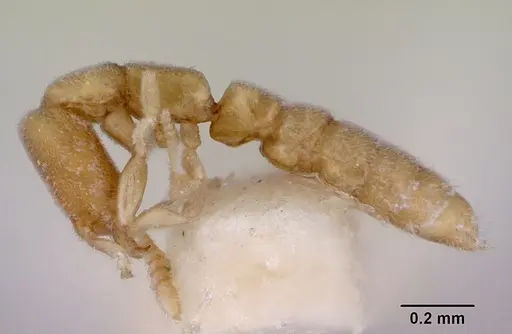
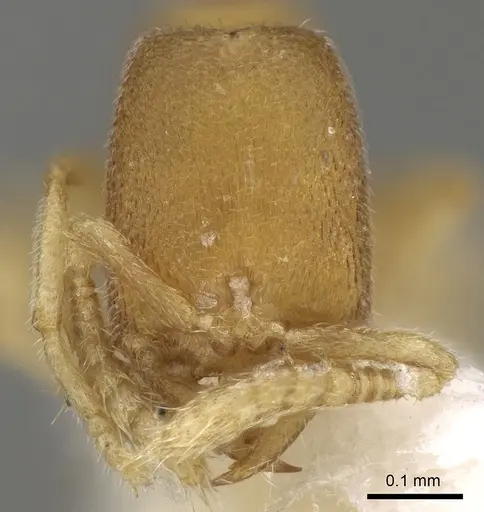
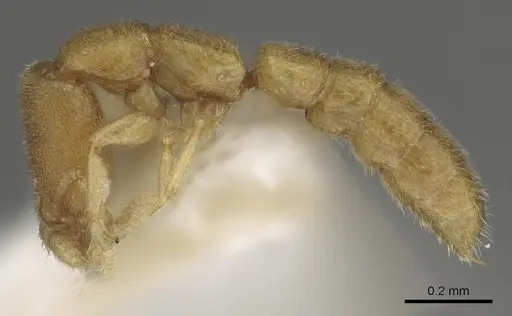
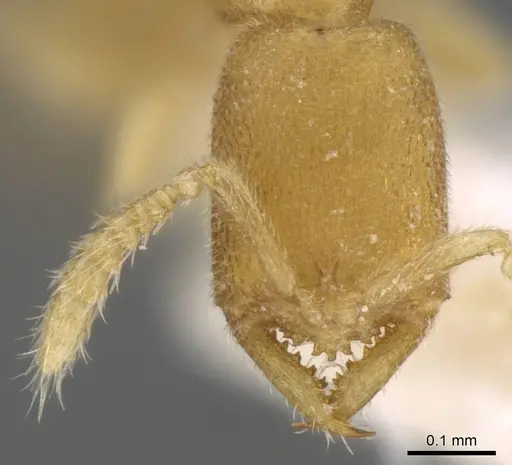
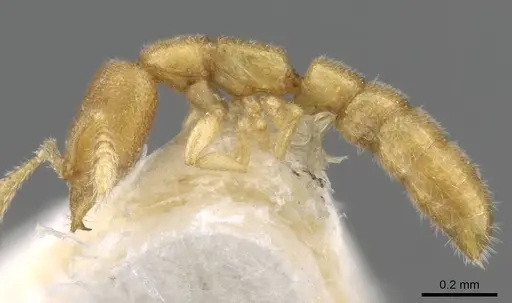
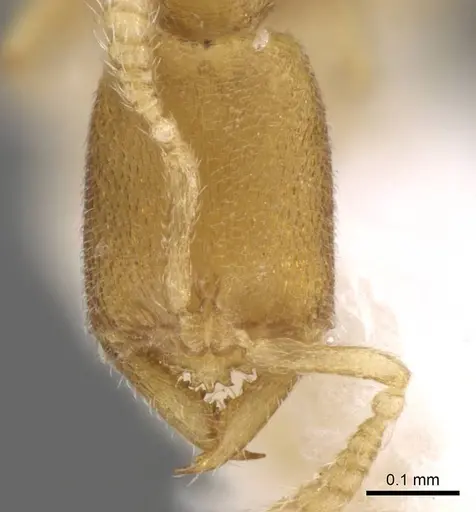
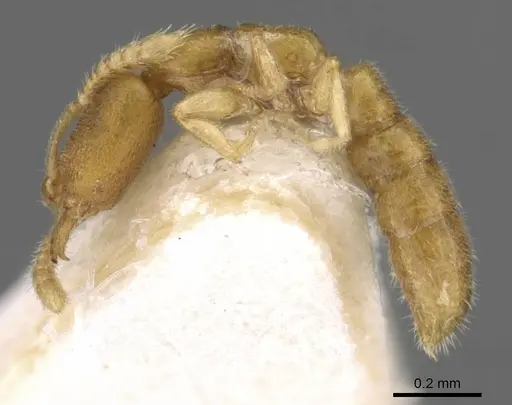
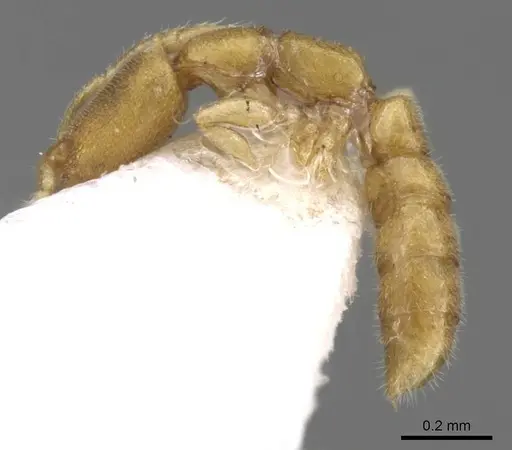
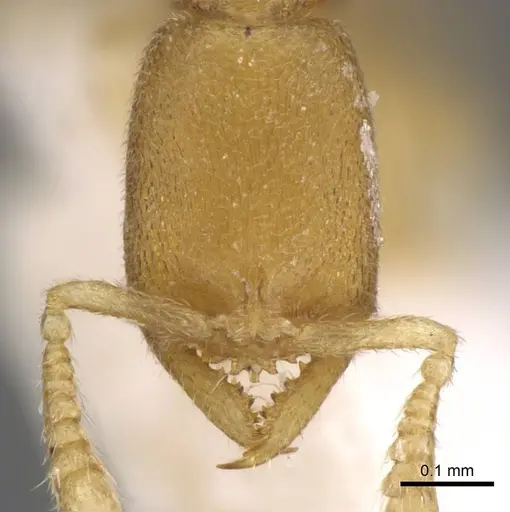
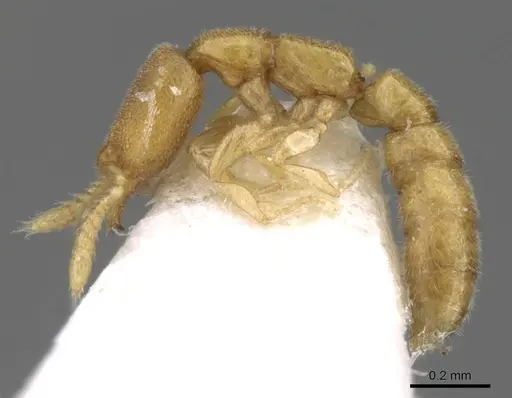
Stigmatomma besucheti is a tiny yellow ant belonging to the subfamily Amblyoponinae. Workers are completely blind (no compound eyes) and have only 10 antennomeres, which is unique within the genus in the Malagasy region . Their body color is yellow . This species has an intriguing distribution: originally described from La Digue Island in the Seychelles, it has also been recorded in Singapore's Bukit Timah Nature Reserve . Researchers note it seems improbable this specialized predator would become an exotic species, yet its potential prey (geophilomorph centipedes) are widespread globally, and soil used as ship ballast historically transported organisms between locations . In Singapore, they inhabit Imperata grassland and degraded coastal hill forest on granite .
Quick Summary
- Difficulty: Expert
- Origin & Habitat: Seychelles (La Digue Island) and Singapore. Found in soil samples from grassland and degraded coastal forest habitats [1][2].
- Colony Type: Colony structure is unconfirmed. No queen has been definitively documented in the scientific literature [1].
- Size & Growth:
- Queen: Size data unavailable, queen measurements not available in primary literature [1]
- Worker: Size data unavailable, total body length not recorded in literature. Workers are small (head length 0.38-0.40 mm, but full body size unknown) [1]
- Colony: Unknown, no colony size data available
- Growth: Unknown, development has not been studied
- Development: Unconfirmed, no direct development data exists for this species (Development timeline not documented.)
- Antkeeping:
- Temperature: Likely requires warm, stable conditions similar to tropical Amblyoponinae. Based on habitat (Seychelles, Singapore), aim for 24-28°C [2].
- Humidity: Requires high humidity, they inhabit soil and leaf litter in tropical environments. Keep the nest substrate consistently moist but not waterlogged [2].
- Diapause: Unknown, no data on overwintering requirements. Given their tropical origin (Seychelles, Singapore), they likely do not require diapause [1].
- Nesting: Natural nesting occurs in soil and leaf litter. In captivity, use a naturalistic setup with fine substrate (like a mixture of soil and sand) or a small test tube setup with excellent humidity control. Their tiny size means they need very small, tight chambers.
- Behavior: These ants are specialized predators that use a potent sting to paralyze prey. Workers are completely blind and navigate using chemical cues [1]. They are expected to be shy and non-aggressive, avoiding confrontation rather than fighting. Escape prevention is critical due to their extremely small size, they can squeeze through the tiniest gaps. Do not rely on standard barrier methods, fine mesh is essential.
- Common Issues: their tiny size makes escape prevention extremely difficult, they can slip through gaps invisible to the naked eye, specialized diet requirements, they need live small prey like springtails and micro-arthropods, lack of documented captive breeding means established colonies are rarely available, humidity control is challenging, too dry kills them, too wet causes mold problems, no queen documentation means founding behavior is completely unknown, colonies may be difficult to establish
Housing and Escape Prevention
Housing Stigmatomma besucheti presents unique challenges due to their extremely small size. Workers are tiny, and standard ant-keeping equipment often fails, they can escape through gaps that appear sealed to the human eye [1].
For housing, consider a small naturalistic setup with a fine substrate mixture (soil and sand) or a modified test tube setup. The key is ensuring all connections are truly sealed. Apply fluon or similar barriers to all edges, and use fine mesh (0.5mm or smaller) for any ventilation. Some keepers use petroleum jelly around the edges of test tube setups as an additional barrier.
Because they are blind, they rely entirely on chemical trails and vibrations to navigate. Avoid placing the colony in high-traffic areas with strong vibrations. Keep lighting minimal, bright lights may stress them.
Feeding and Diet
Stigmatomma besucheti is a specialized predator, likely hunting geophilomorph centipedes and other small soil arthropods in the wild [1]. In captivity, you will need to provide live small prey items. This is not an ant you can feed occasional protein and forget about, they need regular hunting opportunities.
Recommended prey items include: live springtails (their primary food in many setups), small isopods, tiny spiders, and fruit flies. Some keepers report success with small mealworm pieces, but live prey is always preferred.
Feed small amounts 2-3 times per week, adjusting based on colony consumption. Remove uneaten prey after 24-48 hours to prevent mold. Sugar sources are unlikely to be accepted, this is a predatory species, not a honeydew feeder.
Temperature and Humidity
Given their origin from tropical locations (Seychelles and Singapore), Stigmatomma besucheti requires warm, humid conditions [2]. Aim for temperatures in the 24-28°C range. Room temperature (around 22-24°C) may be acceptable, but you may need a small heating setup if your space runs cool.
Humidity is critical. These ants live in soil and leaf litter in the wild, and they lack the desiccation resistance of more arid-adapted species. Keep the nest substrate consistently moist, it should feel damp to the touch but not be waterlogged. A hydration point (like a water tube connected to the nest) helps maintain humidity. However, avoid stagnant, overly wet conditions as this promotes mold.
Good ventilation is needed to prevent mold while maintaining humidity. This balance is tricky with tiny ants, too much airflow dries them out, too little causes mold problems.
Understanding Their Unique Biology
Stigmatomma besucheti has several remarkable biological features that make it stand out from typical ants. Workers are completely blind, they lack compound eyes entirely [1]. This is unusual even among ants and means they navigate entirely through chemical signals and vibrations.
Their antennae have only 10 segments (antennomeres), which is unique within the genus in the Malagasy region [1]. Most ants have 12. They also lack genal teeth and have no mesotibial spur on their middle legs [1].
Their body is yellow, unlike the darker colors common in many ant species [1]. Combined with their tiny size and lack of eyes, they have an almost translucent, worm-like appearance.
The species' distribution (Seychelles and Singapore) is puzzling to scientists. While it seems unlikely a specialized predator would become an invasive species, researchers note that their potential prey (geophilomorph centipedes) are widespread globally and soil historically transported organisms between locations through shipping [1].
Frequently Asked Questions
How long does it take for Stigmatomma besucheti to produce first workers?
The egg-to-worker timeline is unconfirmed, no scientific studies have documented development time for this species. Based on related Amblyoponinae, expect several months (possibly 3-6 months) from founding to first workers. This is a slow-growing species even by ant standards.
Can I keep Stigmatomma besucheti in a test tube?
Yes, a test tube setup can work, but you must use excellent escape prevention. Their tiny size means they can escape through gaps invisible to the naked eye. Apply fluon or petroleum jelly to all edges, and consider wrapping the cotton with additional barrier material. Monitor daily for the first week.
Do Stigmatomma besucheti ants sting?
Yes, like other Amblyoponinae ants, they have a functional sting used to paralyze prey. While their sting is potent for small invertebrates, it is unlikely to pose a significant danger to humans due to their tiny size.
Are Stigmatomma besucheti good for beginners?
No, this species is rated Expert difficulty. They require specialized live prey feeding, have critical humidity needs, and their tiny size makes escape prevention extremely difficult. Established colonies are rarely available. This species is best suited for experienced antkeepers who can provide the specialized care it requires.
What do Stigmatomma besucheti eat?
They are specialized predators that need live small prey. Feed live springtails as a primary food source, along with other micro-arthropods like tiny isopods, small spiders, and fruit flies. They are unlikely to accept sugar sources or dead protein. Regular feeding of live prey is essential.
Do Stigmatomma besucheti need hibernation?
No, given their tropical origin (Seychelles and Singapore), they likely do not require diapause or hibernation. Keep them at warm, stable temperatures year-round (24-28°C). Attempting to cool them may stress or kill the colony.
Why are my Stigmatomma besucheti dying?
Common causes include: escape (check for tiny gaps), improper humidity (too dry or too wet), lack of appropriate live prey, temperature stress (too cold), and mold from poor ventilation. Their specialized needs make them sensitive to husbandry errors. Review each parameter and adjust accordingly.
How big do Stigmatomma besucheti colonies get?
Colony size is unknown, no scientific data exists on maximum colony size. This is not a species that produces massive worker numbers.
Can I keep multiple queens together?
This is unknown, queen documentation is lacking entirely for this species. No scientific studies have addressed colony founding or queen behavior. Do not attempt combining unrelated queens without established protocols for this species.
When should I move them to a formicarium?
Wait until the colony has at least 10-20 workers before considering a formicarium. However, given their small size and humidity needs, many keepers keep them in modified test tube setups long-term. If moving, use a small naturalistic setup with fine substrate.
Report an Issue
The current care sheet is based fully on literature. See inconsistencies, or something that's incorrect? Please , it will be resolved after review from an admin. Contributing to the blogs tab also helps providing information, to make us be able to further improve the caresheets. Thank you for your support!
References

Lembar perawatan ini dilisensikan di bawah CC BY-SA 4.0 .
Blog Komunitas
CASENT0101816
Lihat di AntWeb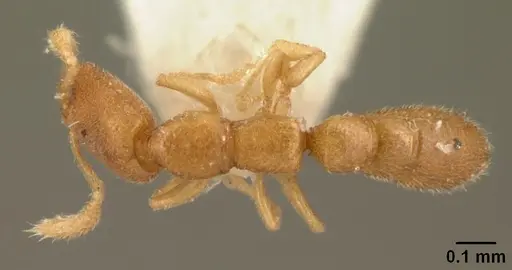
CASENT0101900
Lihat di AntWeb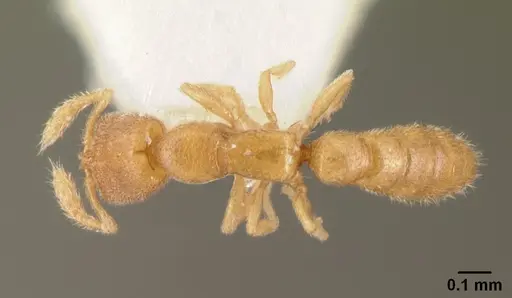
CASENT0101970
Lihat di AntWeb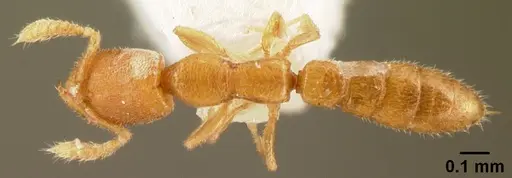
CASENT0172194
Lihat di AntWeb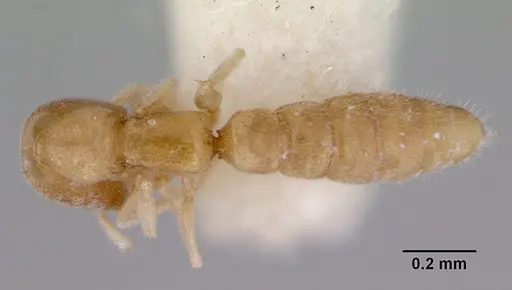
CASENT0195513
Lihat di AntWeb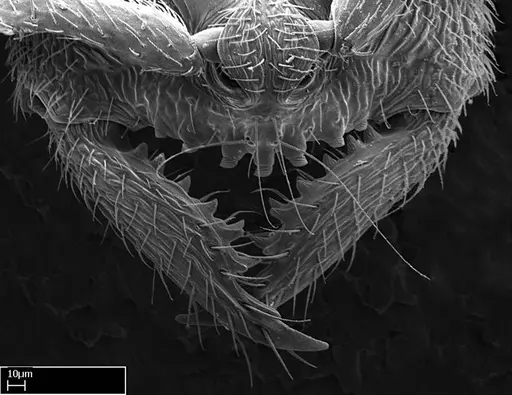
CASENT0280650
Lihat di AntWeb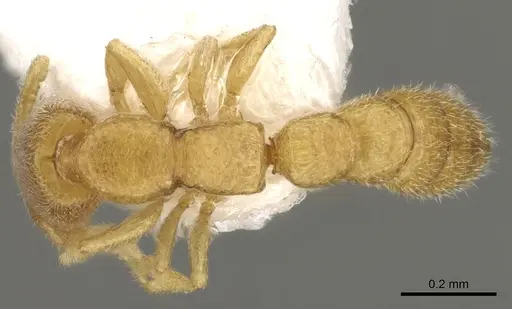
CASENT0906833
Lihat di AntWeb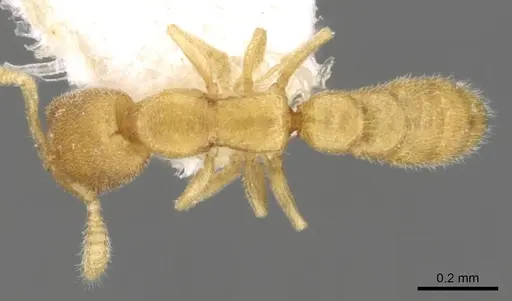
CASENT0906834
Lihat di AntWeb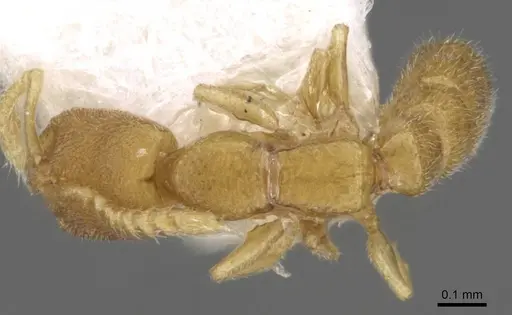
CASENT0906835
Lihat di AntWeb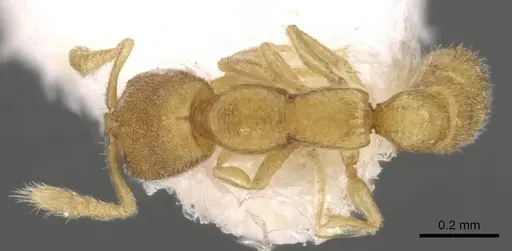
Literatur
Memuat peta distribusi...Memuat produk...