
Stenamma nipponense
- Nama Ilmiah
- Stenamma nipponense
- Tribe
- Stenammini
- Subfamili
- Myrmicinae
- Penulis
- Yasumatsu & Murakami, 1960
- Distribusi
- Ditemukan di 1 negara
Pendahuluan
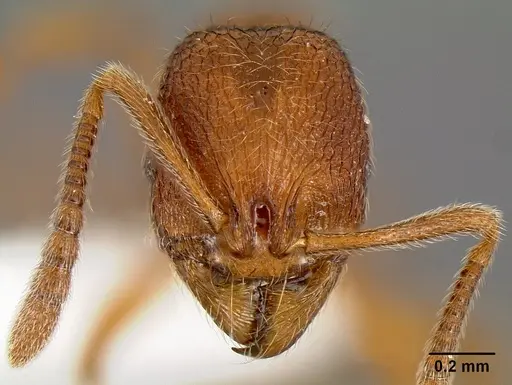
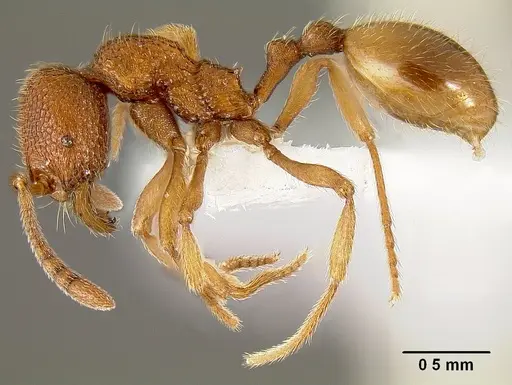
Stenamma nipponense is a tiny, cryptic ant native to Japan, found from Hokkaido south to Yaku Island . Workers measure 2.5-3.3 mm, with a dark brown to black body and relatively small eyes compared to related species . This myrmicine ant leads an almost entirely subterranean lifestyle, it is rarely seen aboveground and can only be reliably collected by digging into soil or using extraction methods like Tullgren funnels . It nests under humus and debris on forest floors and is most common in Hokkaido, becoming less frequent further south . Nuptial flights occur in late September .
Quick Summary
- Difficulty: Hard
- Origin & Habitat: Japan (Palaearctic region), Hokkaido, Honshu, Shikoku, Kyushu, and Yaku Island. Inhabits woodland and forest margins, nesting in soil under accumulations of humus and debris [1][6][7].
- Colony Type: Unconfirmed, no direct studies on queen number or social structure are available.
- Size & Growth:
- Queen: Size data unavailable, no measurements are documented in the literature.
- Worker: 2.5-3.3 mm (mean 3.06 mm) [3][11]
- Colony: Estimated under 200 workers based on very low nest density (0.0016/m²) in wild surveys [3]
- Growth: Slow to moderate, inferred from small worker size and low density.
- Development: Unknown, no direct development data exist for this species. (Based on typical small Myrmicinae, but exact timing is unconfirmed.)
- Antkeeping:
- Temperature: Based on its temperate origin, maintain cool conditions around 18-22 °C. Avoid temperatures above 25 °C for extended periods [2].
- Humidity: High moisture, keep the nest substrate consistently damp but not waterlogged, replicating the damp soil under humus where it naturally nests [6][7].
- Diapause: Likely required, as a temperate Japanese species with a clear seasonal cycle (nuptial flights in September), a winter dormancy of 3-4 months at 5-10 °C is recommended [9][10].
- Nesting: Y‑tong (AAC) or plaster nests with narrow, dark chambers work well. Fill chambers with a moist soil‑sand mix to mimic the forest floor environment [6][7].
- Behavior: Extremely cryptic and reclusive, workers almost never appear aboveground, making colony monitoring challenging [3][5]. They are docile, with a small stinger that poses no threat to humans. Escape risk is moderate due to their tiny size, use fine‑mesh barriers.
- Common Issues: colony health is hard to monitor because workers rarely leave the nest, you may think the colony is dead when it is actually thriving underground., tiny size (2.5-3.3 mm) requires meticulous escape prevention, workers can slip through gaps that larger ants cannot., overheating kills quickly, keep temperatures stable and below 25 °C., drying out is lethal, the nest substrate must stay moist, check humidity regularly., skipping winter diapause (3-4 months at 5-10 °C) can weaken or kill the colony over time.
Housing and Nest Setup
Because Stenamma nipponense is subterranean, you need a nest that mimics a forest floor. A Y‑tong (AAC) nest with narrow chambers or a plaster nest works well. The key is to fill the chambers with a moist soil‑sand mixture and keep them dark. In the wild, colonies nest under humus and debris [6][7], replicate this by providing deep, tight spaces. Use a test tube for founding, but plan to move to a larger setup as the colony grows. Since workers are only 2.5-3.3 mm, seal all openings with fine mesh, they can squeeze through surprisingly small gaps [3].
Feeding and Diet
Feeding this species is tricky because workers rarely come to the surface. Offer small live prey, springtails, fruit flies, or tiny crickets, directly into the nest chamber or buried in the moist substrate. Protein is likely the main food source. You can also provide a tiny drop of honey water, but acceptance is uncertain. Remove uneaten prey after 24 h to prevent mold. Feed 2-3 times a week in small amounts. Because you will rarely see feeding, don’t worry if the food disappears unnoticed, that is normal for a cryptic species.
Temperature and Seasonal Care
Stenamma nipponense comes from cool temperate Japan. Keep the colony at 18-22 °C during the active season and never above 25 °C for long [2]. In the wild, winged reproductives appear in September [9][10]. As autumn cools, gradually reduce temperature to initiate diapause. Overwinter the colony at 5-10 °C for 3-4 months (roughly November-February). This dormancy period is essential for long‑term health.
Understanding Their Cryptic Nature
One of the biggest challenges with S. nipponense is simply seeing your ants. This is a true hypogaeic (subterranean) species: workers almost never appear aboveground, even when foraging [3][5]. In Hokkaido studies, it could not be caught with standard surface sampling, only soil block extraction worked [12][13]. Do not panic if you rarely see workers, they are alive and well inside the nest. The only times you might spot them are when you disturb the nest or during the nuptial flight in September. Because they do not forage on the surface, you will not see them tending aphids or taking sugar.
Colony Growth and Expectations
Expect slow, steady growth. Wild colonies have a very low density (0.0016 nests/m²), suggesting small colony sizes, probably under a few hundred workers even at maturity [3]. The first workers (nanitics) will be especially tiny, around 2.5 mm. Be patient: small myrmicine colonies often take months to establish. Do not overfeed to speed things up, as uneaten prey will rot in the humid conditions. Once established, the colony is resilient, but slow growth means it recovers poorly from losses.
Frequently Asked Questions
Can I keep Stenamma nipponense in a test tube?
Yes, test tubes work for founding. Keep the water reservoir full and the cotton moist. Adding a thin layer of moist soil or sand to the outworld can help them feel more at home. Move to a Y‑tong or plaster nest once the colony outgrows the tube.
How long does it take for Stenamma nipponense to produce first workers?
No specific development data exists for this species. Based on other small Myrmicinae, it may take 8-12 weeks from founding, but this is a rough guess. The first workers (nanitics) will be very small, around 2.5 mm.
Why can't I see my Stenamma nipponense workers?
This is completely normal. S. nipponense is a subterranean (hypogaeic) species, workers almost never appear aboveground [3][5]. They live their entire lives in the nest chambers. You may only see them when you open the nest or during the nuptial flight in September.
Do Stenamma nipponense ants sting?
As a myrmicine, they have a stinger, but it is tiny and not considered a threat to humans. These ants are extremely docile and non‑aggressive. The main concern is their small size, they can escape easily.
Do Stenamma nipponense need hibernation?
Yes, winter dormancy is likely essential. The species shows a clear seasonal cycle with nuptial flights in September [9][10]. Given its temperate origin, provide 3-4 months of cold (5-10 °C) during winter. Skipping diapause may weaken or kill the colony over time.
What do Stenamma nipponense eat?
Offer small live prey such as springtails, fruit flies, or tiny crickets. They likely capture soil arthropods in nature. Provide protein 2-3 times per week. Sugar sources like honey water are sometimes accepted but should not be the main food. Remove uneaten prey after 24-48 h.
Are Stenamma nipponense good for beginners?
No. Their cryptic lifestyle makes them nearly invisible, they require excellent escape prevention because of their tiny size, and they need precise humidity and a winter diapause. Even experienced keepers find them challenging. They are best suited to those specifically interested in subterranean species.
How big do Stenamma nipponense colonies get?
Likely under 200 workers at maturity. Wild surveys show very low nest densities (0.0016 per square meter), which suggests small colony sizes [3].
Can I keep multiple Stenamma nipponense queens together?
Not recommended. There is no evidence of polygyny in this species, and single‑queen colonies are typical for the genus. Keeping multiple queens together risks fighting.
Why is my Stenamma nipponense colony dying?
Common causes: low humidity (the nest substrate must stay moist), high temperature (keep below 25 °C), lack of winter diapause, or mold from overfeeding. Because the ants are hidden, problems often go unnoticed until the colony is in trouble. Check moisture first, drying out is the most frequent killer.
Report an Issue
The current care sheet is based fully on literature. See inconsistencies, or something that's incorrect? Please , it will be resolved after review from an admin. Contributing to the blogs tab also helps providing information, to make us be able to further improve the caresheets. Thank you for your support!
References

Lembar perawatan ini dilisensikan di bawah CC BY-SA 4.0 .
Blog Komunitas
CASENT0605172
Lihat di AntWeb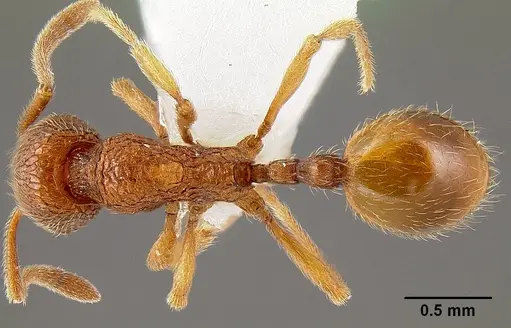
Literatur
Memuat peta distribusi...Memuat produk...