
Solenopsis ilinei
- Nama Ilmiah
- Solenopsis ilinei
- Tribe
- Solenopsidini
- Subfamili
- Myrmicinae
- Penulis
- Santschi, 1936
- Distribusi
- Ditemukan di 0 negara
Pendahuluan
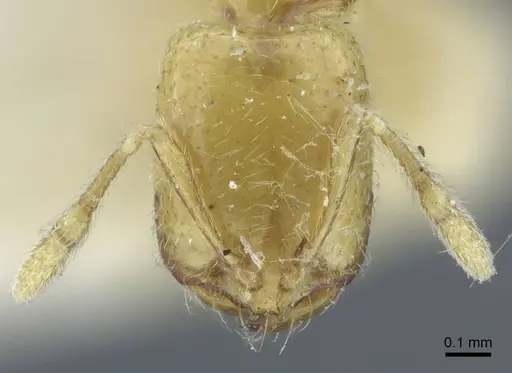
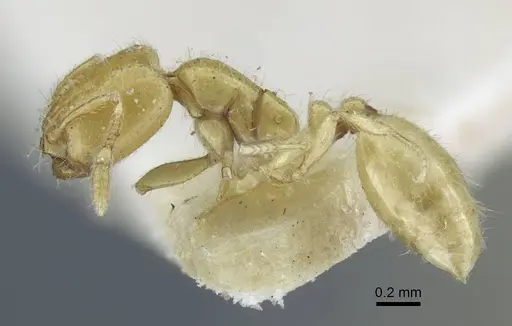
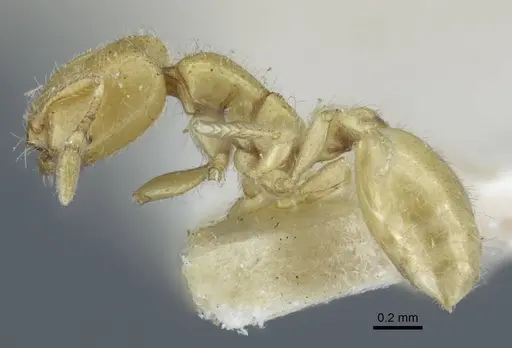
Solenopsis ilinei is a small ant from the fire ant genus Solenopsis, commonly known as a thief ant. Workers are tiny, about 2.5-4 mm, with the two-segmented waist (petiole) and stinger typical of the genus . The species is native to the Palaearctic region, recorded in Azerbaijan, Georgia, Ukraine, and the Crimean Peninsula of Russia . It was originally described as a variety of Solenopsis orbula and was elevated to full species status in 1994 . Inhabiting steppe zones and the southern coast of Crimea, this ant prefers warm, open habitats with relatively dry conditions . Like other Solenopsis, it can deliver a painful sting, so handle with care. Because so little has been documented about its captive care, this species is best suited for experienced keepers who can adapt knowledge from related species.
Quick Summary
- Difficulty: Hard
- Origin & Habitat: Native to the Palaearctic: Azerbaijan, Georgia, Ukraine, and Crimean Peninsula of Russia. Inhabits steppe zones and southern coastal areas of Crimea, preferring warm, open, and relatively dry habitats [5][6][2].
- Colony Type: Unconfirmed. Most Solenopsis species live in single-queen colonies (monogyne), but some can have multiple queens (polygyne). The specific social structure of S. ilinei has not been documented.
- Size & Growth:
- Queen: Estimated 5-7 mm based on typical Solenopsis queen size (not documented for this species)
- Worker: Approximately 2.5-4 mm (inferred from the genus Solenopsis) [1]
- Colony: Likely several hundred workers at maturity (estimated from genus patterns)
- Growth: Moderate (inferred from related Solenopsis species)
- Development: Estimated 5-8 weeks at optimal temperature (based on related Solenopsis, not documented for S. ilinei) (Development time is inferred from genus-level data, specific timing for S. ilinei is unknown)
- Antkeeping:
- Temperature: Keep the nest area at 22-26°C, providing a temperature gradient so ants can self-regulate. Since specific requirements are undocumented, start at the lower end and observe behavior. Avoid prolonged temperatures above 30°C [5].
- Humidity: Moderate humidity with a gradient. The nest substrate should be kept slightly moist but allowed to partially dry between waterings, mimicking their naturally dry steppe habitat. Provide a water reservoir (e.g., cotton-stoppered tube) for constant access.
- Diapause: Yes, based on its temperate Palaearctic distribution, a winter diapause is likely needed. Gradually reduce temperature to 10-15°C for 2-3 months (e.g., November-February). Specific requirements are undocumented, so observe colony condition [5][6].
- Nesting: Ground-nesting species. In captivity, use Y-tong (AAC), plaster, or naturalistic soil setups. Provide chambers scaled to worker size (2.5-4 mm) with a dry foraging area and slightly moister brood chambers. A water section helps maintain humidity gradients.
- Behavior: Defensive and aggressive when disturbed, workers have a functional stinger and will use it. Active foragers that hunt small invertebrates and tend aphids for honeydew. Very small and fast, escape prevention is critical. Handle colony maintenance carefully to avoid stings.
- Common Issues: escape prevention is critical due to tiny worker size, use fine mesh (≤0.5 mm) and tight sealing lids, stings are painful and may cause allergic reactions, handle with care and avoid if you have insect venom allergies, wild-caught colonies may carry parasites or diseases that cause colony failure, undocumented care requirements make this a challenging species, mistakes are easy without published data, overly wet substrate can kill brood, mimic dry steppe conditions
Temperature and Care
Solenopsis ilinei comes from warm temperate steppe regions and the southern coast of Crimea [5][6]. This suggests they prefer temperatures in the low-to-mid 20s °C. Provide a gradient from 22-26°C, using a heating cable on one side of the nest. Avoid temperatures above 30°C, which can stress the colony. Since the exact temperature needs are undocumented, watch for signs of discomfort (e.g., clustering in cool areas or refusing to feed).
Because their native range has distinct cold winters, you should provide a winter diapause. Gradually reduce the nest temperature to 10-15°C for about 2-3 months (roughly November through February). During this period, reduce feeding significantly and keep the nest cool but not freezing. This mimics their natural seasonal cycle and helps maintain long-term health [5][6].
Feeding and Diet
Like other Solenopsis, S. ilinei is an omnivorous forager that prefers protein-rich foods. In captivity, offer a variety of small live insects: fruit flies, pinhead crickets, small mealworms, and springtails. They also need a constant source of sugar, provide sugar water (1:4 ratio), honey, or diluted honey water via a small dish or cotton ball. In the wild, they hunt small invertebrates and tend aphids for honeydew. Feed protein 2-3 times per week and always keep a sugar source available. Remove any uneaten prey after 24-48 hours to prevent mold and mites. Young colonies with few workers may accept only very small prey like fruit flies or springtails.
Nesting Preferences
Solenopsis ilinei is a ground-nesting ant, in nature constructing nests in soil in open, sunny areas with well-drained substrate [5]. In captivity, they adapt well to Y-tong (AAC), plaster, or naturalistic setups with sandy loam soil. Provide a nest with chambers appropriate for their small worker size (2.5-4 mm). Include a water section (e.g., a cotton-stoppered reservoir) to maintain moderate humidity, but allow the substrate to dry partially between waterings, the species prefers relatively dry conditions. A dry foraging area (outworld) with a separate moist nest area works well. Avoid over-wetting, as this can drown brood or promote mold.
Behavior and Temperament
This species is defensive and will readily use its stinger when threatened. Workers are fast, active foragers that constantly patrol the outworld. Due to their tiny size, they can escape through surprisingly small gaps, use excellent escape prevention: tight-fitting lids, fluon or petroleum jelly on edges, and fine mesh (≤0.5 mm) on vents. During maintenance, move slowly and avoid vibrations to prevent alarm responses. Stings cause a sharp, burning pain that lasts several minutes. People with known allergies to insect venom should avoid handling this species. Despite their defensive nature, their efficient foraging and prey-hunting behavior is interesting to watch.
Colony Founding
The founding behavior of S. ilinei has not been documented. Based on typical Solenopsis patterns, queens are likely claustral, they mate, find a cavity, seal themselves in, and raise the first workers using stored energy reserves without leaving to forage. The first batch of workers (nanitics) are smaller than mature workers. To improve success during founding, keep the queen in a small test tube setup with a water reservoir, in a quiet, dark place at around 22-26°C. Disturb her as little as possible until at least 5-10 workers appear, as stress can cause the queen to abandon the nest or eat the brood.
Frequently Asked Questions
Is Solenopsis ilinei good for beginners?
No, it is not recommended for beginners. The species has a painful sting, is an escape artist, and its captive care is poorly documented. Beginners should start with well-studied species like Lasius niger or Messor structor before attempting Solenopsis ilinei.
How long does it take for Solenopsis ilinei to produce first workers?
Based on related Solenopsis species, expect first workers (nanitics) to emerge approximately 5-8 weeks after the queen lays eggs, assuming optimal temperature around 24-26°C. However, this timeline is estimated from genus patterns, as specific development data for S. ilinei has not been documented.
What do Solenopsis ilinei eat?
They are omnivorous with a strong preference for protein. Feed small live insects like fruit flies, pinhead crickets, or small mealworms 2-3 times per week. Also provide a constant sugar source, sugar water, honey, or diluted honey water. They will also accept commercial protein ant foods.
Can I keep multiple queens together in Solenopsis ilinei?
This is not recommended and has not been documented for this species. Most Solenopsis are monogyne (single-queen), and combining unrelated queens typically leads to fighting and colony failure. If you obtain a queen, house her alone for founding.
Does Solenopsis ilinei need hibernation?
Yes, based on their temperate Palaearctic distribution, colonies require a winter diapause. Gradually reduce the nest temperature to 10-15°C for 2-3 months during winter (e.g., November-February). This mimics the natural seasonal cycle of the steppe regions they inhabit [5][6].
How big do Solenopsis ilinei colonies get?
Based on typical Solenopsis colony sizes, you can expect several hundred workers at maturity. Specific colony size data for S. ilinei has not been documented, but related Solenopsis species often reach 200-500 workers. Growth is moderate, and colonies may take 1-2 years to reach a significant size.
What is the best nest type for Solenopsis ilinei?
Y-tong (AAC) nests, plaster nests, or naturalistic setups with soil all work well. They prefer relatively dry conditions, so avoid overly humid setups. Provide a water reservoir (e.g., cotton-stoppered tube) for humidity, but allow the nest to dry partially between waterings.
Why are my Solenopsis ilinei escaping?
This species is tiny and excellent at finding escape routes. Use fine mesh (≤0.5 mm), tight-fitting lids, and apply fluon or petroleum jelly to inner edges. Check for gaps around cables, ventilation holes, and lid seams. Escape prevention must be thorough with this species.
Where is Solenopsis ilinei found in the wild?
Solenopsis ilinei is native to the Palaearctic region: Azerbaijan, Georgia, Ukraine, and the Crimean Peninsula of Russia. It inhabits steppe zones and the southern coast of Crimea, preferring warm, open, relatively dry habitats [2][3][5].
Report an Issue
The current care sheet is based fully on literature. See inconsistencies, or something that's incorrect? Please , it will be resolved after review from an admin. Contributing to the blogs tab also helps providing information, to make us be able to further improve the caresheets. Thank you for your support!
References

Lembar perawatan ini dilisensikan di bawah CC BY-SA 4.0 .
Blog Komunitas
CASENT0917008
Lihat di AntWeb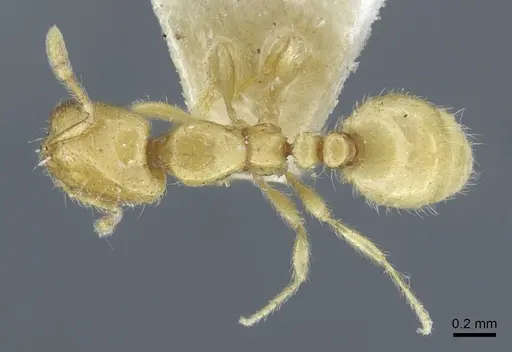
Literatur
Memuat peta distribusi...Memuat produk...