
Simopone brunnea
- Nama Ilmiah
- Simopone brunnea
- Subfamili
- Dorylinae
- Penulis
- Bolton & Fisher, 2012
- Distribusi
- Ditemukan di 0 negara
Pendahuluan
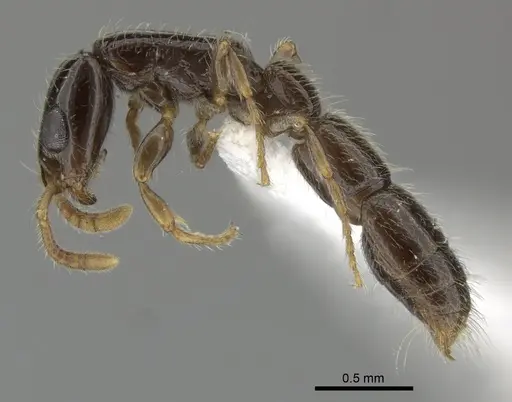
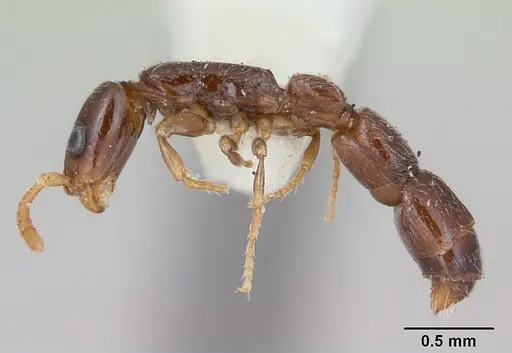
Simopone brunnea is a tiny predatory ant from the Dorylinae subfamily (army ants). Workers are about 3mm long, with a glossy dark brown body and lighter antennae and legs . This species was described in 2012 from specimens collected in coastal lowland rainforest in Gabon and the Democratic Republic of Congo, specifically from forest margins along rivers at around 350m elevation . It belongs to the schoutedeni species group . As a Dorylinae ant, Simopone brunnea is predatory, hunting small invertebrates underground or in leaf litter. The genus Simopone contains cryptic, forest-dwelling ants rarely observed due to their secretive lifestyle. This species is poorly documented, so captive care is largely speculative .
Quick Summary
- Difficulty: Expert
- Origin & Habitat: Coastal lowland rainforest in Gabon and Democratic Republic of Congo, found in forest margins adjacent to rivers at approximately 350m elevation [1][2].
- Colony Type: Colony structure is unconfirmed. Dorylinae colonies typically have a single queen, but Simopone-specific colony structure has not been documented.
- Size & Growth:
- Queen: Undescribed, queen morphology has not been documented [1].
- Worker: Approximately 3mm total length (inferred from head and mesosoma measurements) [1].
- Colony: Unknown, no colony size data exists for this species.
- Growth: Unknown, growth rate has not been studied.
- Development: Unconfirmed, estimated 6-10 weeks based on typical Dorylinae patterns. (Development timeline is unconfirmed. Estimate is from related Dorylinae, not directly observed.)
- Antkeeping:
- Temperature: Keep around 22-26°C based on tropical rainforest origin. Avoid temperature fluctuations [1].
- Humidity: Keep the nest substrate consistently moist but not waterlogged. The natural habitat is damp rainforest, so high humidity is essential [1].
- Diapause: Unconfirmed, tropical species likely does not need hibernation. A slight cool period during the dry season (18-20°C for 2-3 months) might be beneficial, but this is speculative.
- Nesting: Prefers humid, dark spaces. Test tubes with water reservoirs, plaster nests, or Y-tong (AAC) work well. Provide multiple chambers for brood separation [1].
- Behavior: Predatory and likely nocturnal or cryptobiotic. They probably hunt small prey and may be nomadic. Workers are small but may be aggressive toward prey. Escape risk is moderate due to small size, use fine mesh barriers. Temperament is likely shy rather than aggressive toward humans.
- Common Issues: very limited species-specific information makes care speculative, predatory diet requires live small prey, which can be hard to source consistently, small size increases escape risk through tiny gaps, high humidity must be balanced to prevent mold, Dorylinae are rarely kept and may not adapt well to captive conditions
Identification and Appearance
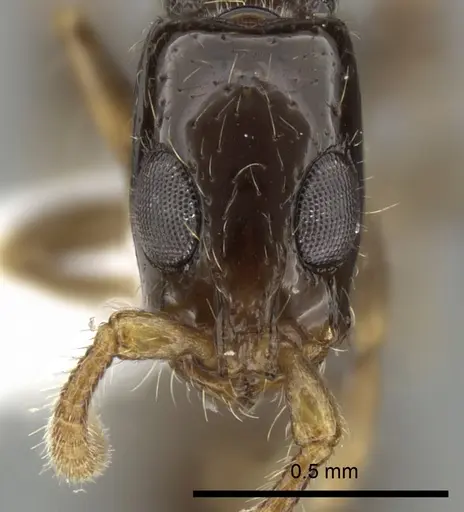
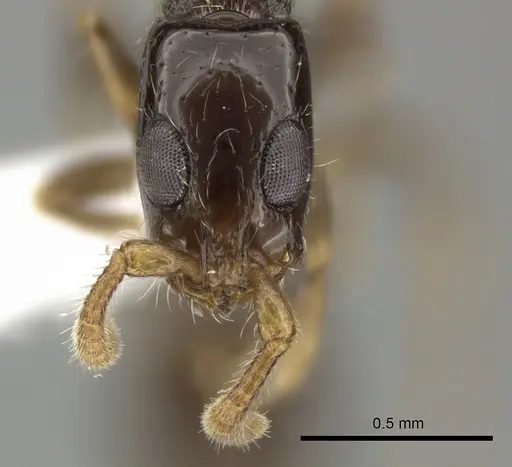
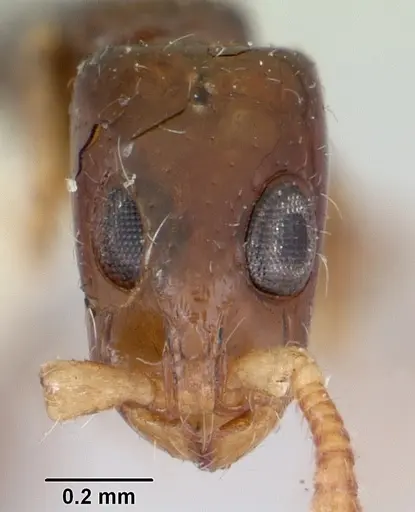
Simopone brunnea workers are tiny ants, about 3mm long. They have a glossy dark brown body, with the antennae and legs noticeably lighter [1]. The head is elongated and narrow, and the body shape is typical of cryptic Dorylinae, a narrow middle section and sequential abdominal segments. Eyes are present but small. This species belongs to the schoutedeni group and can be told apart from other Simopone by its specific measurements, though you'll need a microscope to tell them apart [1].
Natural History and Distribution
Simopone brunnea is only known from Gabon and the Democratic Republic of Congo in Central Africa. The type specimen was collected in Gabon's Ogooué-Maritime Province, in the Monts Doudou Reserve, at about 350m elevation in coastal lowland rainforest [1]. The site was a forest margin next to a river, suggesting this ant prefers humid, shaded areas near water. The specimen was caught with a Malaise trap in March 2000,meaning workers were active above ground at that time [1]. Almost nothing else is known about its wild biology because Simopone ants are so secretive. The genus has roughly 30 described species, all predatory and likely living in soil or rotten wood [1].
Housing and Nesting
Based on the species' rainforest home and what little we know about Simopone, these ants need humid, dark places to nest. For a small colony, a test tube setup with a water reservoir works well. For larger colonies, use plaster nests, Y-tong (AAC), or a simple soil nest with multiple chambers [1]. The key is keeping humidity high without waterlogging. Because workers are only 3mm, you must seal every gap, use very fine mesh on ventilation holes. Keep the nest area dark, they prefer to stay hidden. The outworld can be simple: a plastic box with a moist substrate and places to hide [1].
Feeding and Diet
Simopone brunnea is a predator and likely hunts small invertebrates in the wild. In captivity, offer live prey that is tiny: springtails, fruit flies, small crickets, and other micro-arthropods. Prey should be no bigger than the workers themselves. They may also accept small pieces of protein like bloodworms or crushed mealworms, but live prey is probably best. Sugary foods are not needed for predatory Dorylinae, though they might take a drop of honeywater occasionally. Feed every 2-3 days and remove leftovers to prevent mold. Always provide fresh water [1].
Temperature and Seasonal Care
Because Simopone brunnea comes from wet, tropical Central Africa, keep the temperature steady between 22-26°C. Avoid big swings [1]. Providing a temperature gradient gives the ants a choice. Since it's a tropical species, formal hibernation is not needed. Some keepers try a slight cool period (18-20°C for 2-3 months) to match the dry season, but this isn't proven. If you do it, watch the colony closely. Maintain high humidity all year [1].
Challenges and Considerations
Simopone brunnea is a tough species for antkeepers because almost nothing specific is known about its care. There's no history of keeping this genus in captivity. The main problems are: finding tiny live prey, keeping humidity high without causing mold, and meeting the needs of a secretive predatory ant. Wild-caught colonies may bring in parasites or fail to adjust. This species is only for experienced keepers who enjoy working with poorly documented ants and can provide the specialized care that predatory species need [1].
Frequently Asked Questions
How long does it take for Simopone brunnea to develop from egg to worker?
The exact timeline is unknown. Based on typical Dorylinae patterns, an estimate is 6-10 weeks from egg to first worker at optimal temperatures. But this is speculative, no data exists for this species.
What do Simopone brunnea ants eat?
As predatory Dorylinae, they eat small live invertebrates. In captivity, offer springtails, fruit flies, tiny crickets, and other micro-arthropods sized for their 3mm workers. Occasional protein like small mealworm pieces may work.
Are Simopone brunnea ants good for beginners?
No. This species is not for beginners. It's extremely poorly documented with no established care protocols. The lack of biological data, specialized predatory diet, and high humidity needs make it an expert-level species.
What temperature should I keep Simopone brunnea at?
Keep temperatures between 22-26°C based on the species' tropical rainforest origin. Avoid big fluctuations. A slight temperature gradient is beneficial [1].
How big do Simopone brunnea colonies get?
Colony size is unknown, no data exists. Based on typical Dorylinae and Simopone patterns, colonies might reach a few hundred workers, but this is pure speculation.
Can I keep multiple Simopone brunnea queens together?
Not documented. The colony structure of Simopone brunnea hasn't been studied. Dorylinae usually have single-queen colonies, but Simopone-specific behavior is unknown. Combining unrelated queens is not recommended due to lack of data.
Do Simopone brunnea need hibernation?
Hibernation is not required for this tropical species. However, a slight cool period (18-20°C) during the dry season for 2-3 months might be beneficial, but this is speculative. Watch the colony to decide.
What humidity do Simopone brunnea require?
High humidity is essential to mimic their damp rainforest habitat. Keep the nest substrate consistently moist but not waterlogged. Good ventilation prevents mold [1].
Is Simopone brunnea available in the antkeeping hobby?
No. This species is virtually unknown in the hobby. It has never been documented as available from breeders or suppliers. The species was only described in 2012 and remains a scientific curiosity [1].
What type of nest should I use for Simopone brunnea?
Use test tubes with water reservoirs for starting colonies, then switch to plaster nests, Y-tong (AAC), or soil nests as the colony grows. The key requirements are darkness, high humidity, and small chambers for their 3mm workers [1].
Why is so little known about Simopone brunnea care?
This species was only described in 2012 and has been collected very few times in the wild. Simopone ants are cryptic and rarely observed. There is no captive breeding history for this genus, so all care recommendations are based on inference from related Dorylinae rather than direct observation [1].
Report an Issue
The current care sheet is based fully on literature. See inconsistencies, or something that's incorrect? Please , it will be resolved after review from an admin. Contributing to the blogs tab also helps providing information, to make us be able to further improve the caresheets. Thank you for your support!
References

Lembar perawatan ini dilisensikan di bawah CC BY-SA 4.0 .
Blog Komunitas
CASENT0004504
Lihat di AntWeb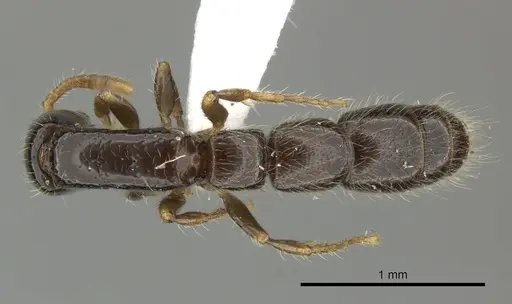
CASENT0173050
Lihat di AntWeb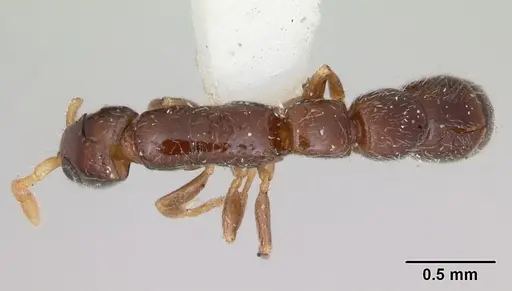
Literatur
Memuat peta distribusi...Memuat produk...