
Sericomyrmex maravalhas
- Nama Ilmiah
- Sericomyrmex maravalhas
- Tribe
- Attini
- Subfamili
- Myrmicinae
- Penulis
- Ješovnik & Schultz, 2017
- Distribusi
- Ditemukan di 1 negara
Pendahuluan
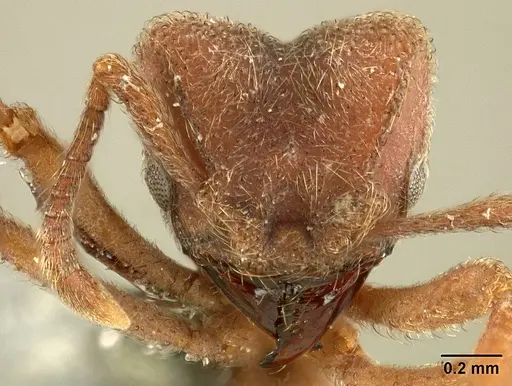
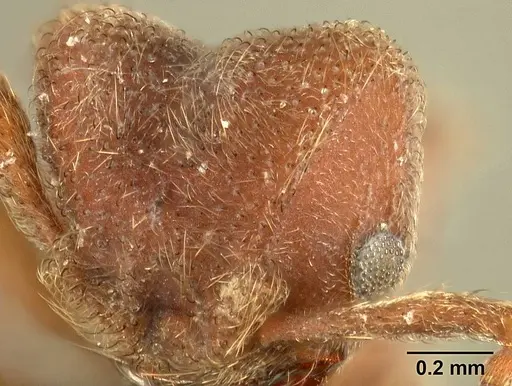
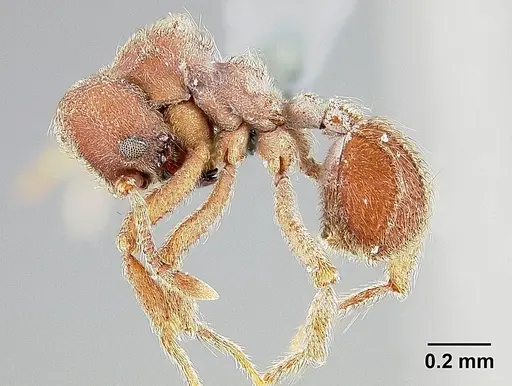
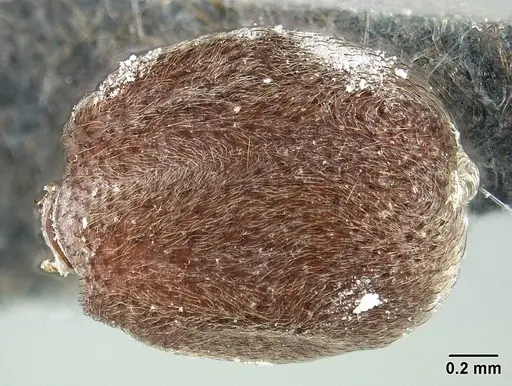
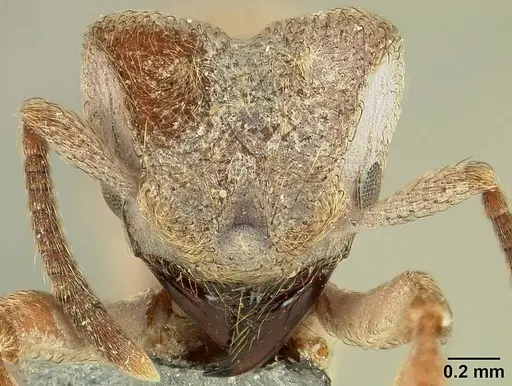
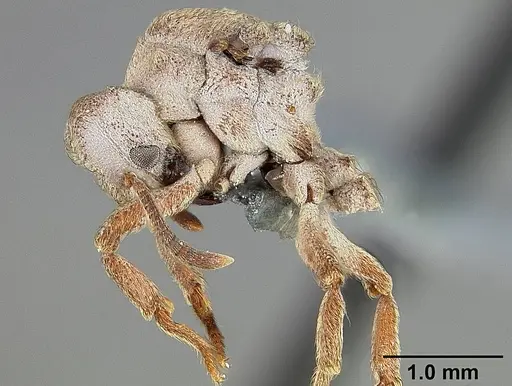
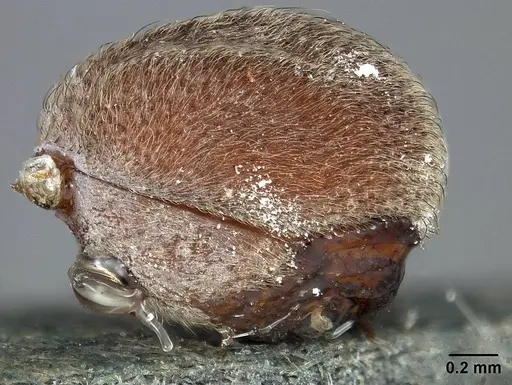
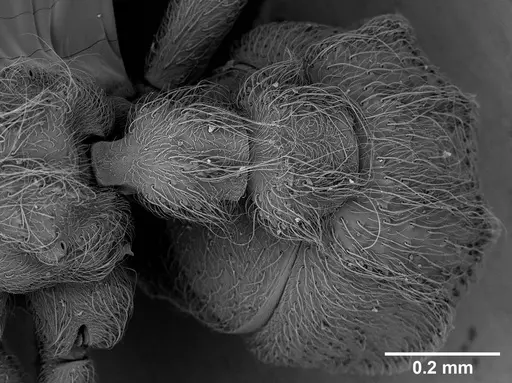
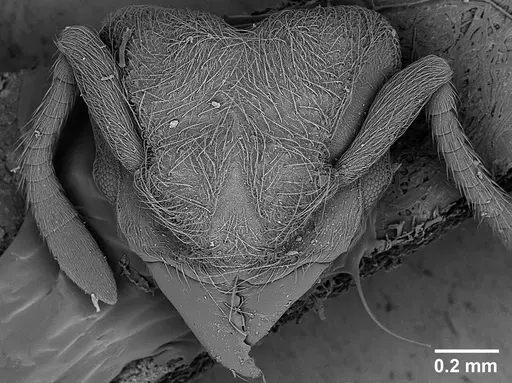
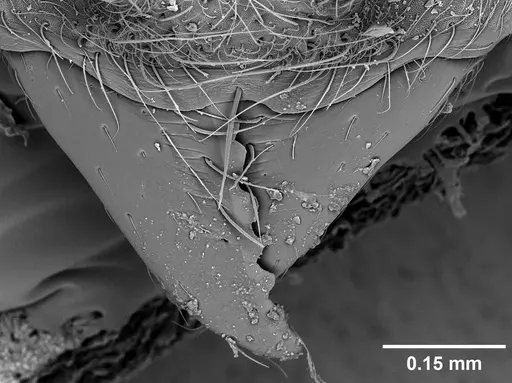
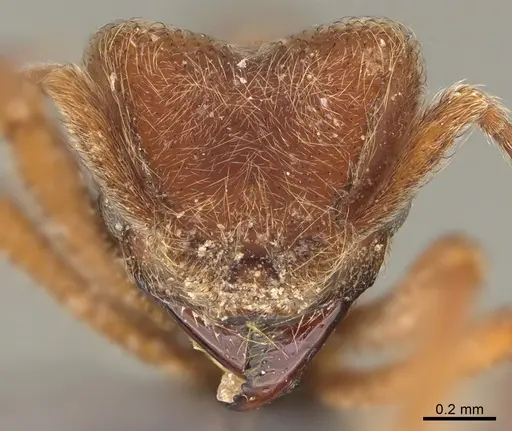
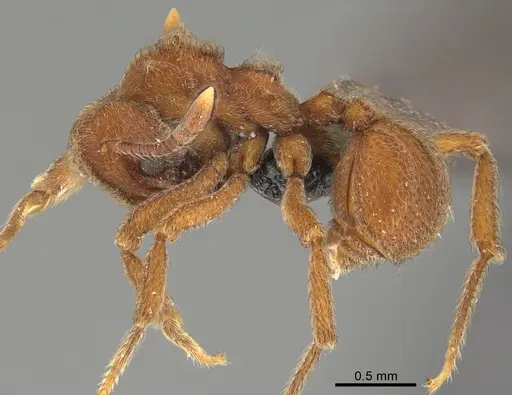
Sericomyrmex maravalhas is a tiny fungus-farming ant from the Brazilian savanna. Workers are about 3-4 mm long (inferred from related species), with distinctive triangular frontal lobes, complete frontal carinae, and four sharp ridges (carinae) on the gaster . Described in 2017,this species is one of the newer additions to antkeeping. Unlike other Sericomyrmex species, some workers lack the thick, waxy, crystal-like coating on their body - instead showing a bumpy (papillate) surface normally only seen in males and young workers of related species . The species is named after myrmecologist Jonas Maravalhas; 'maravalhas' shares a root with the Portuguese word for 'wonders'.
Quick Summary
- Difficulty: Expert
- Origin & Habitat: Central Brazil (Mato Grosso), specifically the Serra Azul State Park near Barra do Garças. They live in cerradão (wooded savanna) and riparian forest, nesting in rotting wood at elevations around 532-539 m [1][3].
- Colony Type: Unconfirmed, likely single-queen (monogyne) based on typical Sericomyrmex patterns.
- Size & Growth:
- Queen: ~5-6 mm (inferred from related Sericomyrmex species) [1]
- Worker: ~3-4 mm (inferred from related Sericomyrmex species) [1]
- Colony: Unknown, no colony size data available for this recently described species
- Growth: Moderate, inferred from related fungus-farming ants
- Development: Unknown, not studied, estimated 6-8 weeks at 26°C based on typical Attini development (unconfirmed) (Development time is estimated from related fungus-farming ants, not directly studied for Sericomyrmex maravalhas)
- Antkeeping:
- Temperature: Keep around 24-28°C year-round, mimicking warm tropical conditions. Use a gentle gradient so ants can regulate [3].
- Humidity: Maintain a moisture gradient, keep the nest substrate damp but not waterlogged. Provide good ventilation to prevent mold while supporting the fungal garden [1].
- Diapause: No, these are tropical ants that do not require hibernation. Keep them warm year-round [3].
- Nesting: They nest in rotting wood in nature. In captivity, use plaster or Y-tong nests with small chambers scaled to their size. Avoid acrylic nests. Include a moisture reservoir but ensure the nest doesn't flood [1].
- Behavior: Peaceful and non-aggressive, typical of fungus-farming Attini. They cultivate a fungal garden for food. Workers are tiny, high escape risk, use fine mesh and barriers. They have a functional stinger but it is not medically significant (based on subfamily Myrmicinae).
- Common Issues: tiny size makes escape likely without fine mesh barriers and fluon, maintaining the fungal garden is critical, they cannot survive without their specific fungal symbiont, high humidity needs can cause mold if ventilation is poor, balance moisture with airflow, newly described species, captive husbandry is not well-established, be prepared to experiment and learn
Housing and Nest Setup
Because Sericomyrmex maravalhas is tiny, your nest chambers must be small and scaled. They naturally nest in rotting wood in the Brazilian cerradão, so a plaster or Y-tong formicarium with moisture chambers works well [1][3]. The key is maintaining stable humidity, these fungus farmers need consistent moisture for their fungal garden. Use a damp substrate (plaster or soil) and include a water reservoir. Avoid acrylic nests. Because workers are so small, use fine mesh on all openings and apply fluon or similar barriers to prevent escapes.
Feeding and the Fungus Garden
As an attine ant, Sericomyrmex maravalhas cultivates fungus for food, they are fungus farmers like leafcutter ants, but on a much smaller scale. In captivity, you cannot easily maintain their native fungal symbiont, so this species is challenging to keep long-term. The colony needs organic material to feed their fungus, typically small pieces of leaves, flower petals, or other plant matter. The ants cut these into tiny pieces to cultivate their garden. This is NOT a species for beginners because maintaining a healthy fungus garden requires specific conditions and knowledge. If you cannot source the proper fungal symbiont, this species may not be suitable for captive husbandry [1].
Temperature and Climate Control
These are tropical ants from central Brazil, so they need warm conditions year-round. Keep the nest area at 24-28°C, this mimics their natural environment in the cerrado of Mato Grosso [3]. A heating cable on one side of the nest can create a temperature gradient. Do not let temperatures drop below 20°C for extended periods. Unlike temperate species, they do not enter diapause. Stable warmth is essential for colony health [3].
Behavior and Colony Dynamics
Sericomyrmex maravalhas is a peaceful species typical of the Attini tribe. Workers are tiny (about 3-4 mm total length) and focus on cultivating their fungus rather than defending aggressively [1]. The colony establishes a fungal garden in their nest chambers, and workers forage for plant material to feed it. Because they are small, they can slip through standard barriers, use fine mesh and escape prevention. The species was only described in 2017,so specific behaviors in captivity are poorly known. Expect slow, deliberate movements and non-aggressive interactions [1].
Origin and Natural History
This species is endemic to central Brazil (Mato Grosso), collected from Serra Azul State Park near Barra do Garças at ~539 m elevation [1]. Their habitat is cerradão (wooded savanna) and riparian forest, they are a cerrado specialist, found more often in forested areas than open savanna [3]. They nest in rotting wood. The species is named after myrmecologist Jonas Maravalhas, 'maravalhas' echoes the Portuguese word for 'wonders' [1].
Taxonomy and Genetics
Sericomyrmex maravalhas belongs to the scrobifer clade [4]. Cytogenetic studies show a diploid chromosome number of 2n = 48 with a karyotype formula of 28 metacentric + 20 submetacentric chromosomes [5]. Heterochromatin is present in centromeric and pericentromeric regions, and 18S rDNA clusters are located in a terminal position on the short arm of the 7th metacentric pair [5].
Frequently Asked Questions
How long does it take for Sericomyrmex maravalhas to raise first workers?
The exact development time is unknown for this recently described species. Based on typical Attini (fungus-farming ant) development, expect around 6-8 weeks from egg to first worker at optimal warm temperatures (around 26°C), but this is not confirmed.
What do Sericomyrmex maravalhas eat?
As fungus-farming ants, they cultivate a fungal garden that they feed with small pieces of plant material (leaves, flower petals, etc.). The fungus is their food source. This makes them challenging to keep, you cannot easily maintain their specific fungal symbiont in captivity. They are NOT suitable for beginners.
Are Sericomyrmex maravalhas ants good for beginners?
No, this species is not recommended for beginners. They are fungus-farming ants that require specific conditions to maintain their fungal garden. Additionally, this species was only described in 2017,so captive husbandry knowledge is extremely limited. They also require high humidity and warm temperatures year-round. Start with easier species like Lasius, Camponotus, or Messor before attempting fungus farmers [1].
What temperature do Sericomyrmex maravalhas need?
Keep them warm at 24-28°C year-round. These are tropical ants from central Brazil that do not experience cold winters. Use a heating cable or heat mat on one side of the nest to maintain warmth. Do not let temperatures drop below 20°C for extended periods [3].
How big do Sericomyrmex maravalhas colonies get?
The maximum colony size is unknown for this species, it was only described in 2017 and there is limited data on wild colonies. Based on related Sericomyrmex species, colonies likely reach several hundred workers, but this is speculation [1].
Can I keep multiple Sericomyrmex maravalhas queens together?
The colony structure is unconfirmed for this species. Most Sericomyrmex species appear to be single-queen (monogyne) colonies. Combining unrelated queens is not recommended as they would likely fight. Wait for a single dealate queen to establish before introducing any others.
Do Sericomyrmex maravalhas need hibernation?
No, these are tropical ants from Brazil that do not require hibernation or diapause. Keep them warm year-round at 24-28°C. They are adapted to consistent tropical temperatures and would be harmed by cold exposure [3].
Why are some workers missing the waxy coating?
An interesting feature of Sericomyrmex maravalhas is that unlike other Sericomyrmex species, some workers lack the thick, waxy, crystal-like cuticular layer that covers most ants in this genus. In Sericomyrmex maravalhas this layer can be entirely or partially absent, revealing a finely papillate (bumpy) integument underneath. This condition is normally only seen in males and callow (newly emerged) workers of other Sericomyrmex species. The function of this waxy layer is unknown, it may be a cuticular secretion or microbial in origin [1]. In captivity, you may observe some workers with this coating and others without it.
What type of nest should I use for Sericomyrmex maravalhas?
Use a small-scaled nest appropriate for their tiny size. Plaster or Y-tong formicariums with moisture chambers work well. The nest should have small chambers and narrow passages scaled to their ~3-4 mm worker size. Maintain high humidity by including a water reservoir or moisture chamber. Naturalistic setups with damp soil and rotting wood pieces can also work. Ensure excellent escape prevention, these tiny ants can slip through standard gaps. Avoid acrylic nests.
Report an Issue
The current care sheet is based fully on literature. See inconsistencies, or something that's incorrect? Please , it will be resolved after review from an admin. Contributing to the blogs tab also helps providing information, to make us be able to further improve the caresheets. Thank you for your support!
References

Lembar perawatan ini dilisensikan di bawah CC BY-SA 4.0 .
Blog Komunitas
USNMENT00924081
Lihat di AntWeb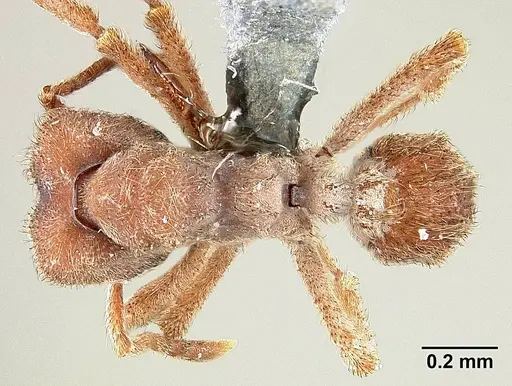
USNMENT00924082
Lihat di AntWeb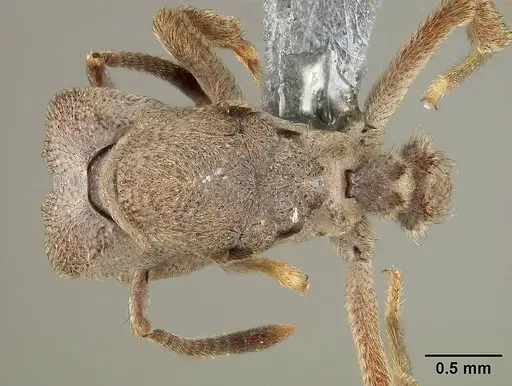
USNMENT00924090
Lihat di AntWeb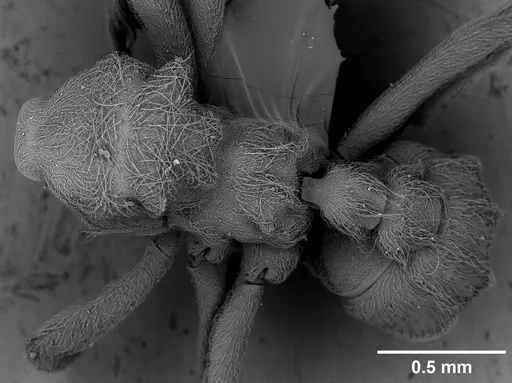
USNMENT00924091
Lihat di AntWeb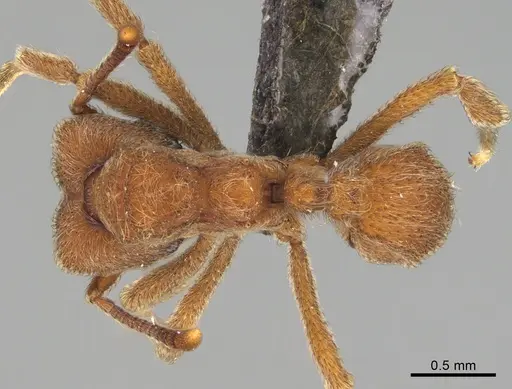
Literatur
Memuat peta distribusi...Memuat produk...