
Rogeria subarmata
- Nama Ilmiah
- Rogeria subarmata
- Tribe
- Solenopsidini
- Subfamili
- Myrmicinae
- Penulis
- Kempf, 1961
- Distribusi
- Ditemukan di 3 negara
Pendahuluan
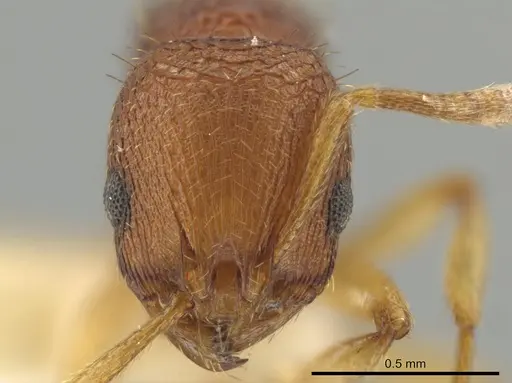
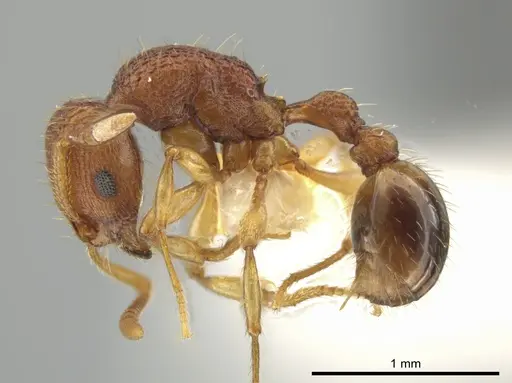
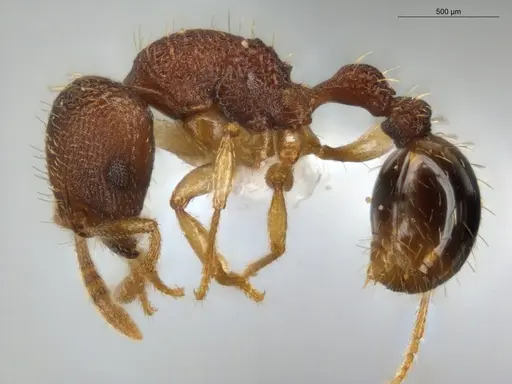
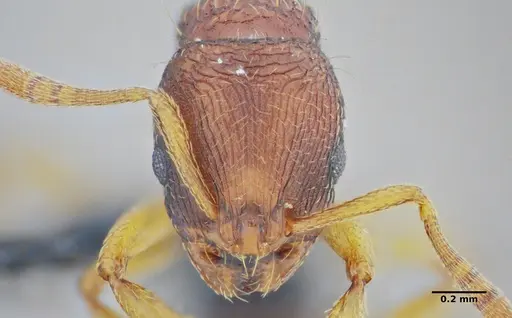
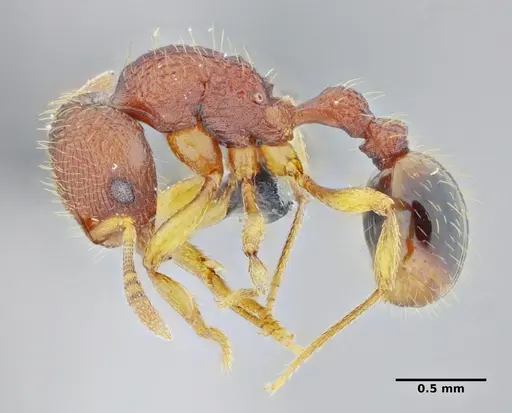
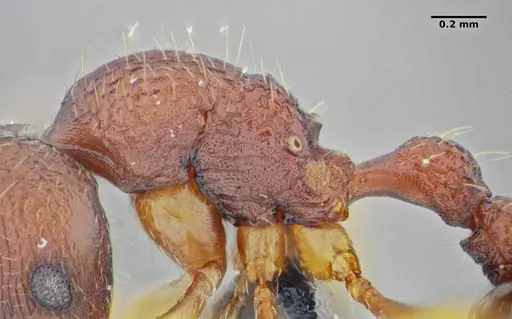
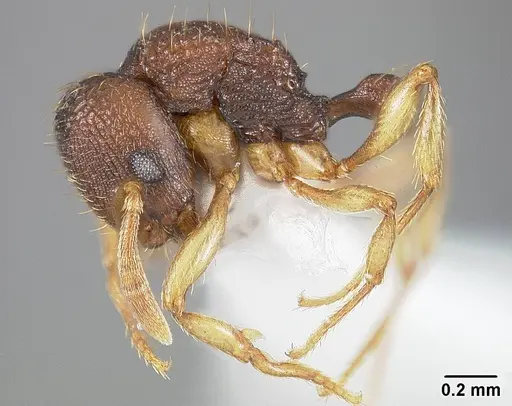
Rogeria subarmata is a tiny Neotropical ant from the subfamily Myrmicinae and tribe Solenopsidini. Workers measure 2.9–3.7mm in total length, making them one of the smaller ant species you'll encounter . They are dark brown to yellowish-brown with a reddish tint on the mesosoma, waist, and middle of the gaster, and have short propodeal spines. This species has been collected from leaf litter, rotting wood, and occasionally from soil samples associated with epiphytes in tropical rainforests across Brazil, Venezuela, Colombia, Ecuador, and French Guiana . One particularly interesting finding is that isolated founder females have been found inside abandoned termite nests (Nasutitermes), suggesting they use these nests for colony foundation before migrating to leaf litter after the first workers emerge . Only worker ants have been scientifically described – no queens or males are known, so many details about their biology remain unconfirmed .
Quick Summary
- Difficulty: Expert
- Origin & Habitat: Tropical rainforests of Brazil, Venezuela, Colombia, French Guiana, and Ecuador. They are leaf-litter ants typically found in rotting wood, soil samples associated with epiphytes, and occasionally in abandoned termite nests [2][5][4][1].
- Colony Type: Unknown – only workers have been scientifically described. No queens or males are known, so colony structure (single-queen or multiple-queen) is unconfirmed [1].
- Size & Growth:
- Queen: Unknown – queens have not been scientifically described [1]
- Worker: 2.9–3.7mm total length [1]
- Colony: Unknown – no documented data on maximum colony size [1]
- Growth: Unknown
- Development: Unknown – no data exists for this species [1] (No research has documented brood development time. Being a tropical Myrmicinae, related species often develop in 4–8 weeks at warm temperatures, but this is purely speculative.)
- Antkeeping:
- Temperature: Based on their tropical rainforest origin (Brazil, French Guiana, Colombia), keep them warm at 24–28°C. This is an estimate since no thermal tolerance studies exist for this species.
- Humidity: High humidity is essential – think damp rainforest floor. Keep the nest substrate consistently moist but not waterlogged. They naturally inhabit leaf litter and rotting wood in humid environments [4].
- Diapause: Unknown – no research on seasonal dormancy. As a tropical species, they likely do not require a diapause period, but this is unconfirmed.
- Nesting: They are leaf-litter ants that naturally nest in rotting wood, leaf litter, and occasionally in abandoned termite nests [4]. In captivity, a small test tube or a miniature naturalistic setup with moist substrate works well. Given their tiny size (under 4mm), they need very small chambers and passages.
- Behavior: This is a shy, cryptic ant species that forages in leaf litter and under debris. They are not aggressive and will flee rather than fight. Their small size (under 4mm) means they can easily escape through tiny gaps – excellent escape prevention is critical. They are likely predatory on small micro-arthropods based on their tribe (Solenopsidini), which includes known stingers.
- Common Issues: tiny size means escapes are likely without fine mesh barriers (under 0.5mm), no documented colony founding behavior – you may not be able to establish a colony from wild-caught workers alone, high humidity requirements can lead to mold if ventilation is poor, virtually no research exists on their care – this is an experimental species even for experienced keepers, wild-caught colonies may have been damaged during collection since they're only found in leaf litter
Housing and Nest Setup
Because Rogeria subarmata workers are only 2.9–3.7mm long [1], you need to house them in appropriately scaled accommodations. A small test tube setup can work for founding colonies, but you'll need to ensure the water reservoir is properly sized to prevent flooding of such tiny ants. For established colonies, a miniature naturalistic setup with moist rotting wood or cork works well – these are leaf-litter ants that naturally nest in decomposing wood and leaf litter [4]. The key is maintaining high humidity while ensuring good ventilation to prevent mold. Avoid large, open spaces – these ants do best in tight, enclosed chambers that mimic their natural microhabitats under forest debris. Given their association with termite nests in the wild [4], they may accept small cavities in wood or cork as nesting sites.
Feeding and Diet
As a member of the tribe Solenopsidini, Rogeria subarmata is likely predatory on small invertebrates. In the wild, they forage in leaf litter where they hunt micro-arthropods like springtails, mites, and tiny insects. In captivity, offer small live prey such as flightless fruit flies (Drosophila), pinhead crickets, and small mealworms. You can also try offering sugar water or honey occasionally, though acceptance is uncertain – many Solenopsidini species are more protein-oriented than sugar-dependent. Feed small amounts every 2–3 days and remove any uneaten prey after 24 hours to prevent mold in their humid environment. Given how little we know about this species, be prepared to experiment with different prey types.
Temperature and Humidity
Keep your Rogeria subarmata colony at 24–28°C, which matches the warm, humid conditions of their tropical rainforest habitat in Brazil and French Guiana [3][5]. A heating cable on one side of the nest can create a gentle temperature gradient, allowing the ants to regulate their own exposure to warmth. Humidity should be high – the substrate should feel consistently damp but never waterlogged. These ants naturally live in leaf litter and rotting wood where humidity is naturally elevated [4]. Mist the setup occasionally, but rely more on a moist substrate than on misting. Poor ventilation combined with high humidity leads to mold, so ensure some air flow while maintaining moisture.
Understanding This Species' Unique Challenges
Rogeria subarmata presents unique challenges for antkeepers that go beyond typical species. First, and most critically, only workers have ever been scientifically described – no queens are known from research [1]. This means you cannot establish a colony through typical founding queen collection. Any wild-caught colonies you might obtain would need to be collected as established colonies from leaf litter, which is challenging given their small size and cryptic habits. Second, virtually no research exists on their biology, temperature tolerances, or exact dietary needs. Everything beyond basic genus-level assumptions is speculative. This makes Rogeria subarmata an experimental species best suited for experienced antkeepers who enjoy figuring things out through observation and experimentation rather than following established care protocols. Expect to adjust your approach based on how your colony responds.
Escape Prevention
With workers measuring only 2.9–3.7mm [1], Rogeria subarmata is at high risk for escape. These tiny ants can squeeze through gaps that would stop larger species. Use excellent escape prevention regardless of your setup: apply Fluon (or similar barrier) to all edges, use fine mesh (at least 0.5mm or smaller) on any ventilation holes, and ensure all lids fit tightly. Check connections between nest sections frequently. Because they are cryptic leaf-litter ants that naturally live under debris, they may spend more time hidden than foraging in the open, but this doesn't reduce the escape risk – it just makes escapes harder to notice until a colony has dispersed.
Frequently Asked Questions
Can I keep Rogeria subarmata in a test tube?
Yes, a small test tube setup can work for this species, but you need to use appropriately scaled tubes – standard test tubes may be too large for these tiny 3mm ants. Ensure the water reservoir is small to prevent flooding, and use cotton that fits tightly. You'll need excellent escape prevention since they can squeeze through tiny gaps. Test tubes work best for small colonies or fragments, but a naturalistic mini-setup with moist substrate may better match their natural leaf-litter habitat. They have been found in association with termite nests, so they may prefer confined spaces [4].
How long until first workers in Rogeria subarmata?
The egg-to-worker timeline is completely unknown for this species – no research has documented their development [1]. Being a tropical Myrmicinae in the tribe Solenopsidini, estimates based on related species suggest 4–8 weeks at optimal warm temperatures (around 26°C), but this is purely speculative. Without documented queens, even this estimate is uncertain. You should expect a long period of observation with no guaranteed timeline.
Are Rogeria subarmata good for beginners?
No, this species is not suitable for beginners. Only workers have been scientifically described, meaning you cannot establish a colony from a founding queen – you would need to find an already-established wild colony. Virtually no research exists on their care requirements, so even experienced keepers are essentially experimenting. They require high humidity, tiny prey, and excellent escape prevention. This is an expert-level species for antkeepers who enjoy research and experimentation.
What do Rogeria subarmata eat?
Based on their genus placement in Solenopsidini, they are likely predatory on small invertebrates. Offer small live prey like flightless fruit flies, tiny crickets, and small mealworms. Sugar sources like honey water may be accepted occasionally but should not be the primary food. Many Solenopsidini species focus on protein rather than sugar. Remove uneaten prey within 24 hours to prevent mold in their humid environment.
Can I keep multiple queens together?
This question cannot be answered definitively because no queens of this species have ever been scientifically described [1]. We don't know if they are monogyne (single queen) or polygyne (multiple queens). Combining unrelated queens of this species has not been documented and is not recommended given how little we know about their social structure.
Do Rogeria subarmata need hibernation?
Diapause requirements are unknown for this species. As a tropical ant from Brazil, French Guiana, and other warm Neotropical regions, they likely do not require a winter dormancy period. However, some tropical ants do slow down during cooler or drier seasons in their native habitat. If you notice reduced activity during winter months, maintain stable temperatures rather than forcing hibernation. No research exists on their seasonal biology.
Why are my Rogeria subarmata dying?
Several factors could cause colony decline: wrong humidity (too dry causes desiccation, too wet causes mold), inappropriate temperature (they need 24–28°C), stress from excessive disturbance, or poor prey acceptance. Wild-caught colonies may arrive damaged since collecting tiny leaf-litter ants without harming them is difficult. Given how little we know about this species, diagnosing problems is challenging. Start with ensuring proper humidity, warm temperatures, and offering varied small live prey. If colonies continue declining, the original collection may have been compromised.
How big do Rogeria subarmata colonies get?
Colony size is unknown – no research has documented maximum colony sizes for this species [1]. Being a small leaf-litter ant, colonies are likely modest in size, probably under a few hundred workers at most. Related Solenopsidini in similar habitats typically form colonies of 100–500 workers. Without documented colony growth data, any estimate is speculative.
Where can I find Rogeria subarmata in the wild?
This species has been recorded in Brazil (Rio de Janeiro, Bahia, Pará, Minas Gerais, São Paulo, Espírito Santo), French Guiana, Venezuela, Colombia, and Ecuador [2]. They are leaf-litter ants found in rotting wood, soil samples associated with epiphytes, and occasionally in abandoned termite nests at low heights (around 2m above ground) [4][5]. Finding them requires sifting through leaf litter in tropical rainforest areas – they are small and cryptic. However, check local laws before collecting, as permits may be required in some areas.
What temperature do Rogeria subarmata need?
Based on their tropical origin, keep them at 24–28°C. This is an estimate since no thermal tolerance studies exist for this species. Use a heating cable on one side of the nest to create a gentle gradient, allowing ants to choose their preferred temperature. Avoid temperatures below 20°C or above 32°C. Room temperature in a heated home (around 22–24°C) may be acceptable, but warmer conditions likely support better colony health.
Report an Issue
The current care sheet is based fully on literature. See inconsistencies, or something that's incorrect? Please , it will be resolved after review from an admin. Contributing to the blogs tab also helps providing information, to make us be able to further improve the caresheets. Thank you for your support!
References

Lembar perawatan ini dilisensikan di bawah CC BY-SA 4.0 .
Blog Komunitas
CASENT0649767
Lihat di AntWeb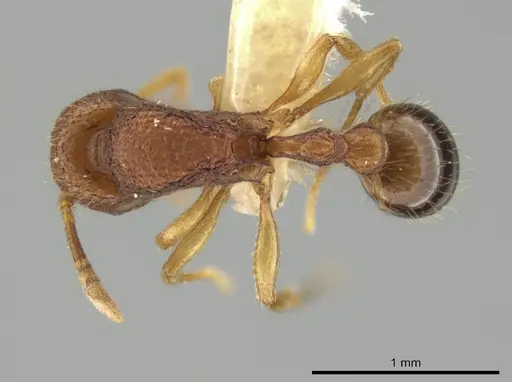
CBUMAGENT41963
Lihat di AntWeb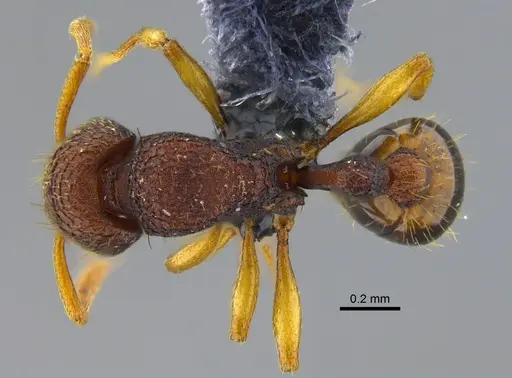
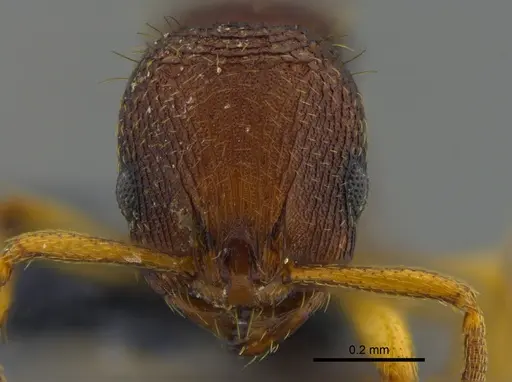
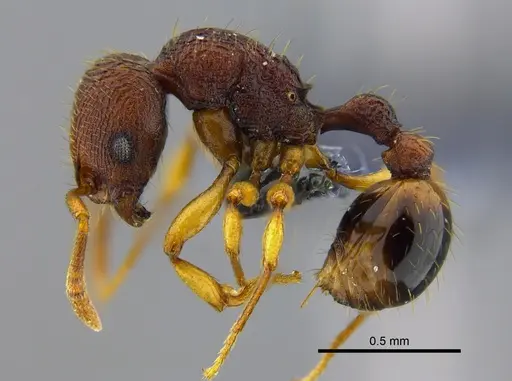
ECOFOG-IT14-0268-43
Lihat di AntWeb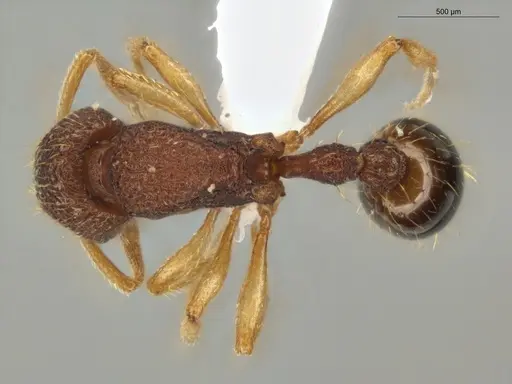
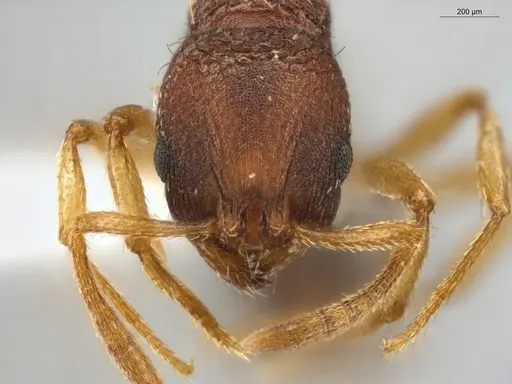
UFV-LABECOL-000733
Lihat di AntWeb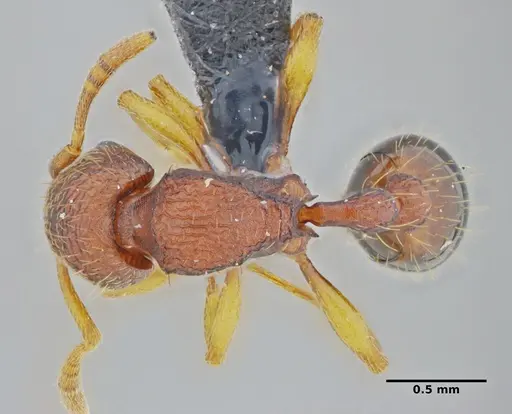
USNMENT01124289
Lihat di AntWeb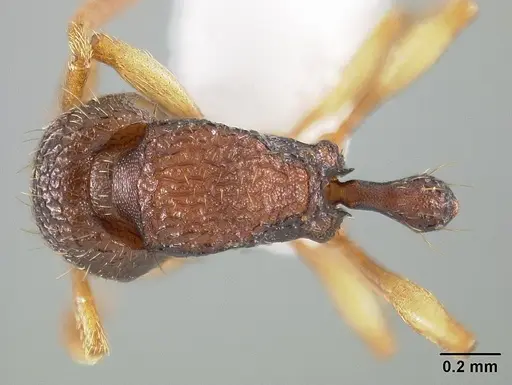
Literatur
Memuat peta distribusi...Memuat produk...