
Rhytidoponera violacea
- Nama Ilmiah
- Rhytidoponera violacea
- Tribe
- Ectatommini
- Subfamili
- Ectatomminae
- Penulis
- Forel, 1907
- Distribusi
- Ditemukan di 1 negara
Pendahuluan
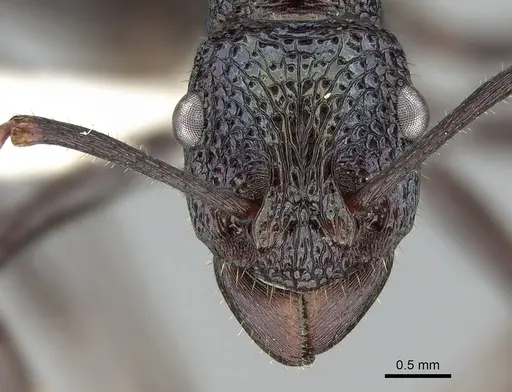
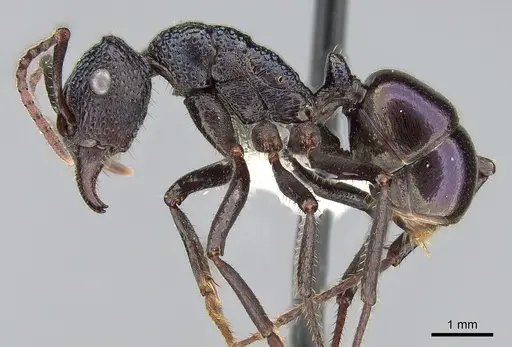
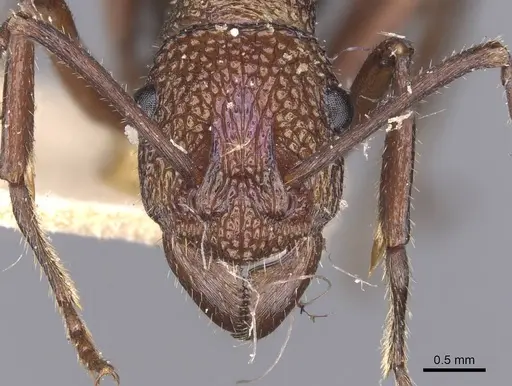
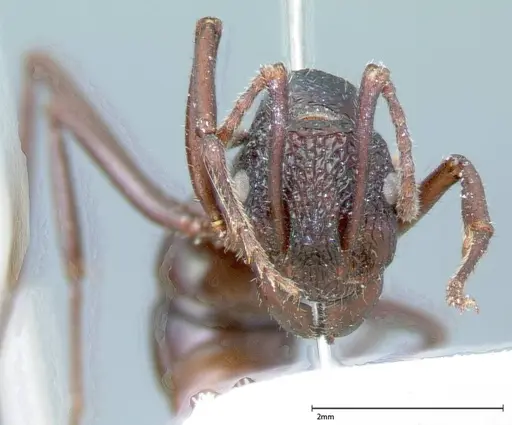
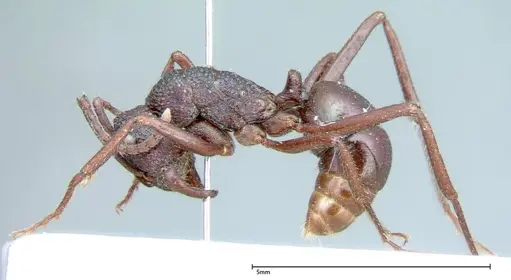
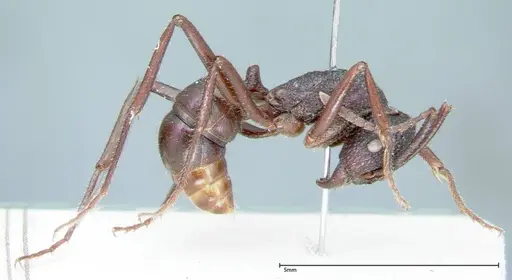
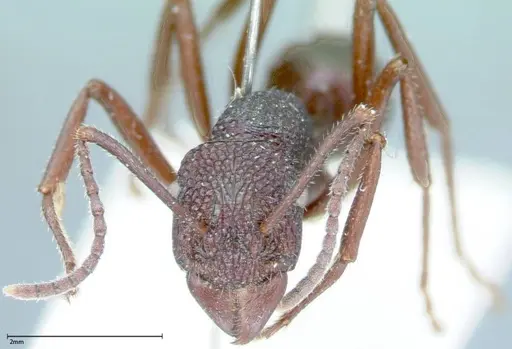
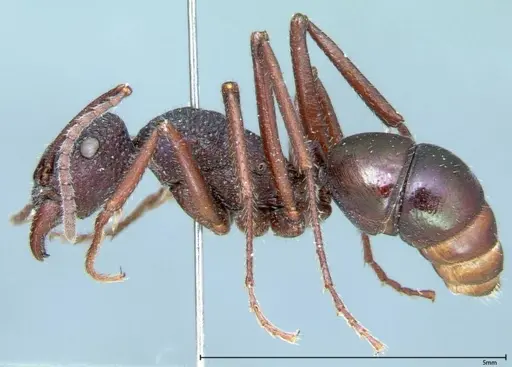
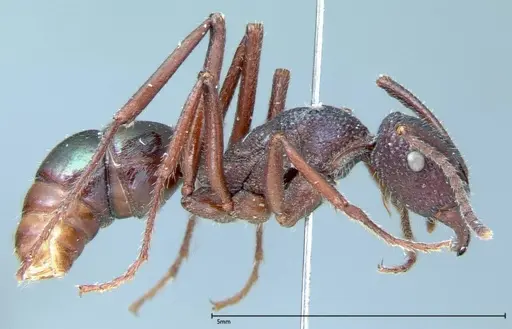
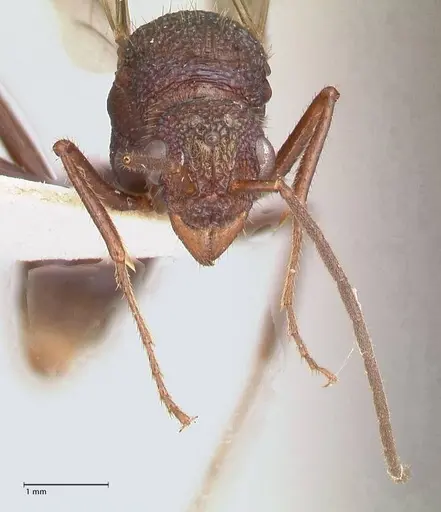
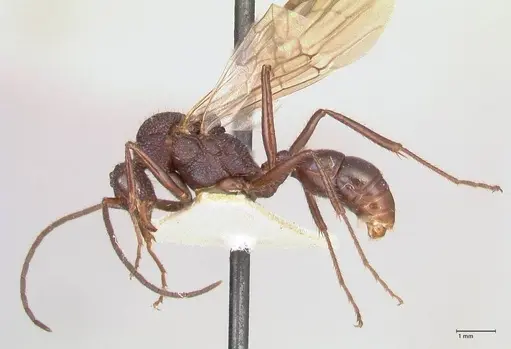
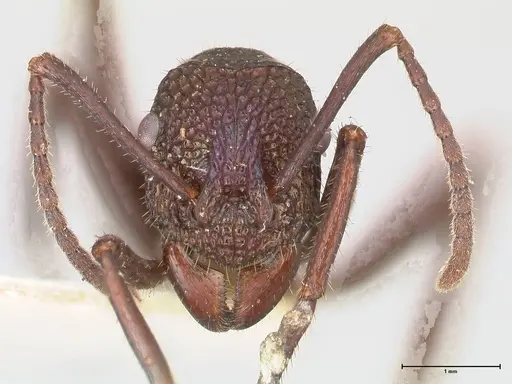
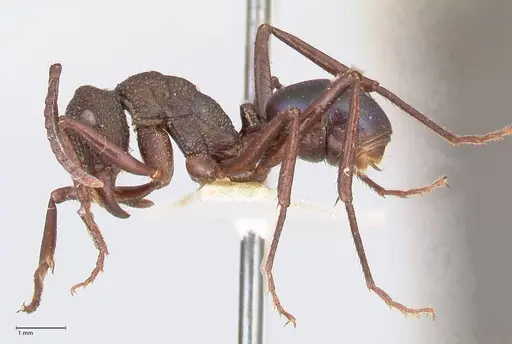
Rhytidoponera violacea is a medium-sized ant native to Western Australia and the Northern Territory. Workers measure about 6 mm and have a dark reddish-brown body with a metallic blue-purple iridescence on the gaster (the rear section). Northern coastal populations around Geraldton lack this shine, while specimens from arid eastern areas show greenish-yellow instead of blue-purple . These ants are a keystone seed disperser in many Western Australian habitats, especially in Kwongan Heathland and Iron Ore Range areas . They nest in the ground, building vertical shafts that spiral around buried woody material at an average depth of 22 cm . Colonies average around 190 workers, with a documented range of 47-474 workers .
Quick Summary
- Difficulty: Medium
- Origin & Habitat: Western Australia and Northern Territory. Found in diverse habitats including Kwongan Heathland, Iron Ore Range hillsides, and laterite soils in southwestern Australia [1][2].
- Colony Type: Colony structure is not fully documented in the literature. Based on typical Rhytidoponera patterns, likely monogyne (single queen), but this has not been explicitly confirmed for this species.
- Size & Growth:
- Queen: Unknown, not directly measured in available research.
- Worker: Approximately 6 mm [2].
- Colony: Up to about 474 workers, with averages around 190 [2]. Another study found a mean of 173 workers per nest [3].
- Growth: Moderate, based on colony size data from field studies.
- Development: Unknown, no direct development data available for this species. Based on typical Ectatomminae patterns, expect 6-10 weeks at warm temperatures. (Development times are estimated.)
- Antkeeping:
- Temperature: Keep at 20-24°C. In their natural habitat, ants are most active during warm summer months, so a warm setup supports natural behavior [3]. A heating cable on one side of the nest can create a beneficial temperature gradient.
- Humidity: Moderate. These ants nest in soil at around 22 cm depth, suggesting stable moisture conditions. Keep the nest substrate consistently damp but not waterlogged, with some drier areas available for the ants to choose.
- Diapause: Partial seasonal slowdown. Peak activity occurs in Australian summer (January-February), with reduced activity in cooler months. They do not require true hibernation but may reduce activity during winter [3].
- Nesting: Deep soil nests work best. In captivity, use a naturalistic setup with at least 10-15 cm of substrate depth, or a Y‑tong/plaster nest with chambers scaled to their 6 mm size. They prefer nests with vertical passages, often around buried woody material [3].
- Behavior: These ants are active foragers that search for food individually. Workers forage primarily during morning hours, especially in summer, and can travel up to 10 meters from the nest [2]. They are predatory, mainly hunting insects, but also collect seeds and plant material opportunistically [3]. As members of the subfamily Ectatomminae, they have a functional stinger and can sting if threatened, though they are not typically aggressive toward keepers. Their small size (6 mm) means escape prevention should be taken seriously, use tight‑fitting lids and fine mesh barriers.
- Common Issues: escape prevention is important, despite their moderate size, they can squeeze through small gaps., limited availability in the antkeeping hobby, they are an Australian species that may require specific permits to keep., they prefer deep nests, shallow setups may cause stress., their predatory nature means they need consistent protein food sources (insects)., as a keystone seed disperser, they play an important ecological role, avoid releasing them outside their native range [2].
Housing and Nest Setup
Rhytidoponera violacea nests in the ground at an average depth of 22.2 cm, often with a vertical shaft that spirals around buried woody material [3]. In captivity, provide a naturalistic setup with at least 10-15 cm of substrate depth. A Y‑tong (AAC) or plaster nest with chambers sized for their 6 mm workers also works well. Keep the nest material moist but not waterlogged, as they prefer stable soil moisture at depth. The outworld should allow space for foraging, these ants travel several meters in the wild [2].
Feeding and Diet
These ants are primarily predatory, 91% of their diet in the wild consists of invertebrates [3]. Actively hunt small insects like fruit flies, small crickets, and mealworms. Offer protein 2-3 times per week. Seeds make up about 6% of their diet, collected opportunistically especially in March and April, but they do not store seeds long‑term [3]. You can offer small seeds occasionally for enrichment, but protein should be the main focus. Plant material and nectar (sugar water or honey) are also accepted. Remove uneaten prey after 24 hours to prevent mold.
Temperature and Seasonal Care
Keep your colony at 20-24°C. In their Western Australian habitat, these ants are most active during warm summer months, with peak activity in the morning after sunrise [3]. A heating cable on one side of the nest provides a temperature gradient so ants can choose their preferred conditions. During cooler months, activity decreases but they remain active year‑round in the wild, they do not need a full diapause period [3]. Reduce feeding frequency during the coldest months if activity drops noticeably.
Foraging Behavior
Workers forage alone, typically within 3.5 meters of the nest, with recorded maximum distances of 10.4 meters [2]. About 30-50% of foraging trips are successful [2]. They are most active in the morning during summer, and shift to the warmest part of the day during cooler weather [3]. In captivity, place food in the outworld and let workers discover it naturally, they are persistent foragers and will find food over time.
Defense and Handling
Rhytidoponera violacea belongs to the subfamily Ectatomminae, which possesses a functional sting. They can sting if handled roughly, but they are not aggressive toward keepers and usually flee first. When working with your colony, move slowly and avoid pinching ants. The sting causes mild to moderate pain for most people. Their 6 mm size also means they can escape through small gaps, always use tight‑fitting lids and consider fluon barriers on the outworld rim.
Frequently Asked Questions
How long does it take for Rhytidoponera violacea to raise first workers?
The exact development time is unconfirmed for this species, but based on typical Ectatomminae patterns, expect 6-10 weeks from egg to first worker at warm temperatures (around 24°C). Founding colonies take patience, workers may take several months to appear.
Can I keep Rhytidoponera violacea in a test tube?
Test tubes work for founding colonies, but these ants eventually need more space. Once the colony reaches 20-30 workers, consider moving them to a naturalistic setup or larger formicarium with deeper substrate (at least 10-15 cm) to accommodate their natural nesting behavior [3].
Do Rhytidoponera violacea ants sting?
Yes, as Ectatomminae ants, they have a functional stinger and can sting if threatened. The sting is not typically dangerous but can cause mild pain. They are not aggressive toward keepers and will usually flee rather than attack.
What do Rhytidoponera violacea eat?
They are primarily predatory, eating small insects and other invertebrates. In captivity, offer live or frozen insects like fruit flies, small crickets, or mealworms several times per week. They also accept seeds opportunistically and will take sugar water or honey as a supplementary energy source [3].
How big do Rhytidoponera violacea colonies get?
Colonies average around 190 workers, with a documented range from 47 to 474 workers [2]. Another study found a mean of 173 workers per nest [3].
Are Rhytidoponera violacea good for beginners?
They are rated as medium difficulty. They require more specific housing (deep nests) and consistent protein feeding compared to some easier species, but they are not overly demanding. They are also native to Australia and may require specific permits depending on your location.
Do Rhytidoponera violacea need hibernation?
They do not require true hibernation. In the wild, they reduce activity during cooler months but remain active year‑round. You can simply reduce feeding frequency during winter without a formal diapause period [3].
Why are my Rhytidoponera violacea not foraging much?
Check your temperature, they are most active at 20-24°C and peak in summer conditions. Also ensure they have proper protein food available. Reduced activity in morning hours or during cooler weather is normal. If completely inactive, check humidity levels and ensure the nest is not too dry [3].
When should I move my colony to a formicarium?
Move from a test tube setup once the colony reaches 20-30 workers or when the test tube becomes crowded. They prefer naturalistic setups with deep substrate (10-15 cm) that allows them to build their characteristic vertical nest structures [3].
Can I keep multiple queens together?
This species is believed to be monogyne (single queen), but this is not fully confirmed in the literature. It is best to assume single‑queen colonies and not attempt to combine unrelated queens. There are no documented cases of successful multi‑queen colonies for this species.
Report an Issue
The current care sheet is based fully on literature. See inconsistencies, or something that's incorrect? Please , it will be resolved after review from an admin. Contributing to the blogs tab also helps providing information, to make us be able to further improve the caresheets. Thank you for your support!
References

Lembar perawatan ini dilisensikan di bawah CC BY-SA 4.0 .
Blog Komunitas
CASENT0217496
Lihat di AntWeb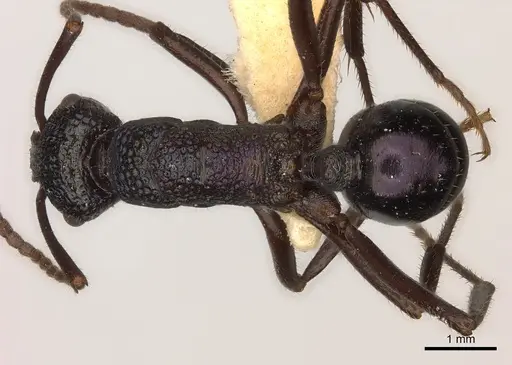
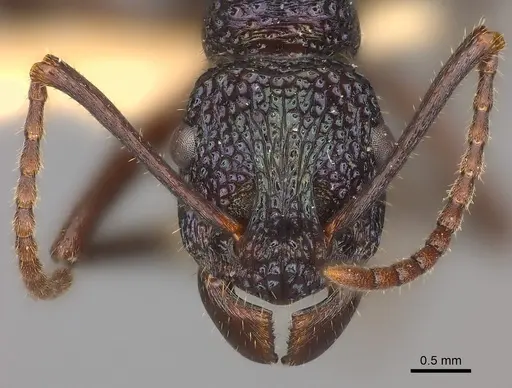
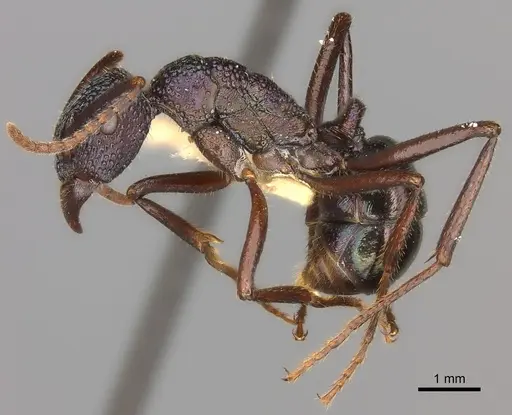
CASENT0281288
Lihat di AntWeb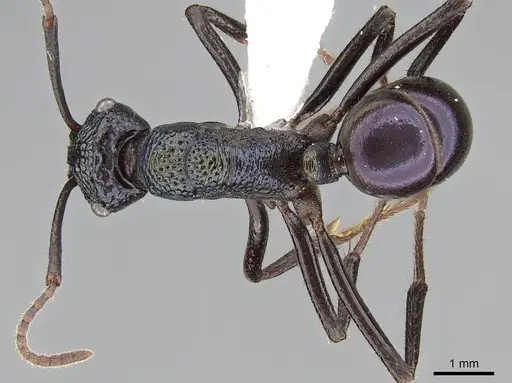
CASENT0907137
Lihat di AntWeb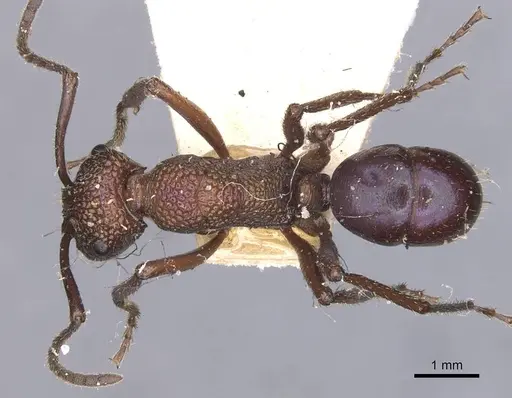
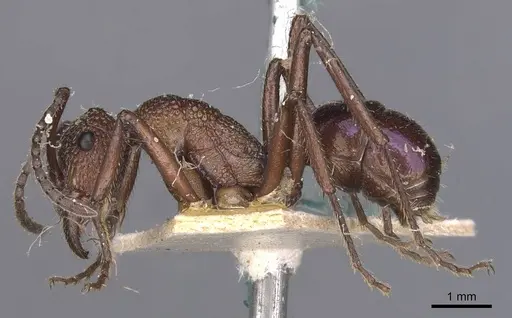
CASENT0907141
Lihat di AntWeb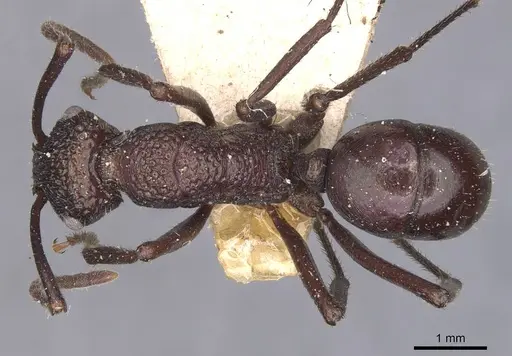
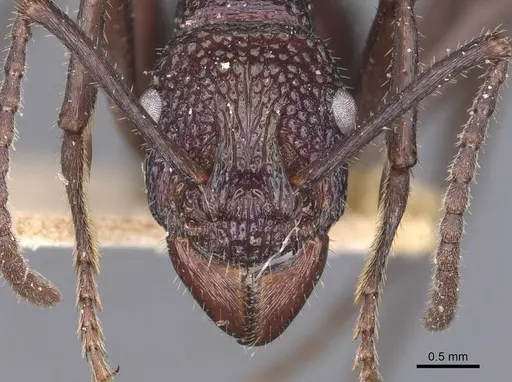
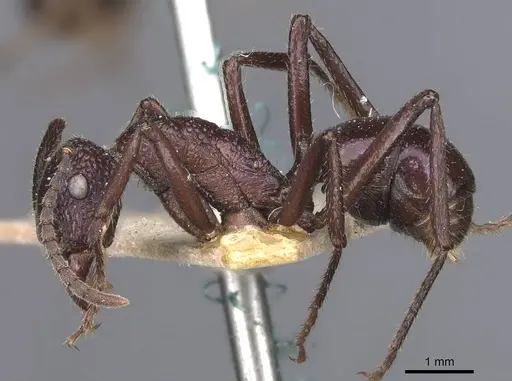
FOCOL0034
Lihat di AntWeb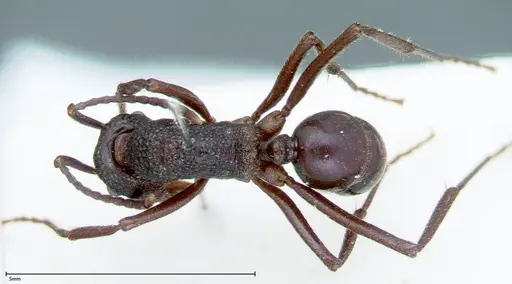
FOCOL0035
Lihat di AntWeb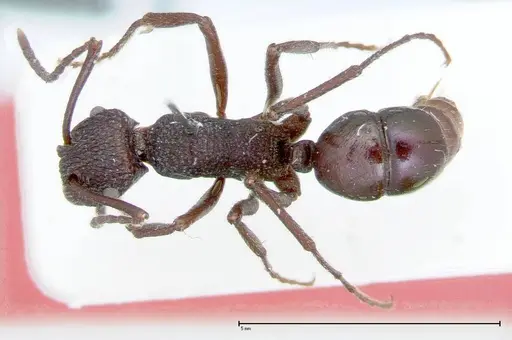
FOCOL0884
Lihat di AntWeb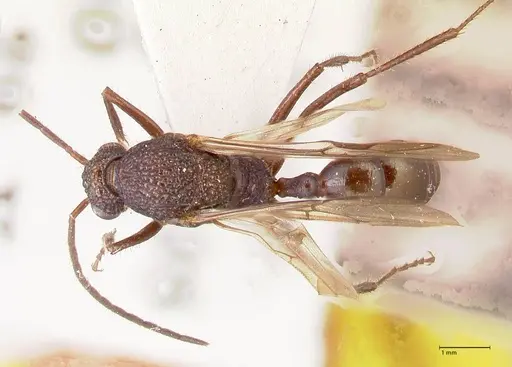
FOCOL0885
Lihat di AntWeb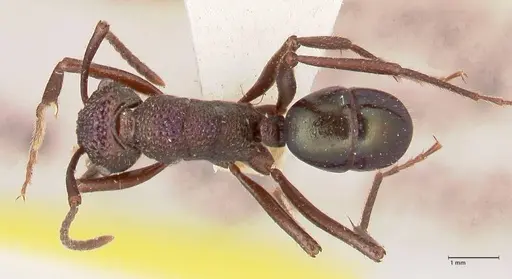
Literatur
Memuat peta distribusi...Memuat produk...