
Pseudoneoponera denticulata
- Nama Ilmiah
- Pseudoneoponera denticulata
- Tribe
- Ponerini
- Subfamili
- Ponerinae
- Penulis
- Kirby, 1896
- Distribusi
- Ditemukan di 1 negara
Pendahuluan
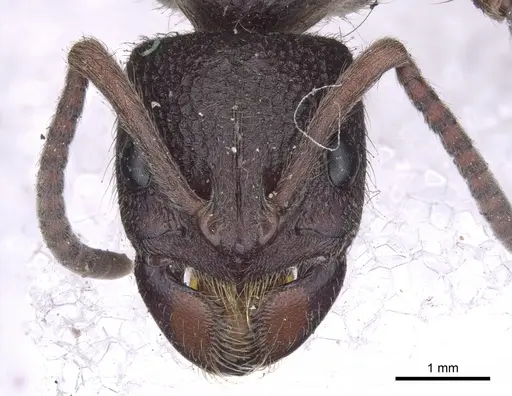
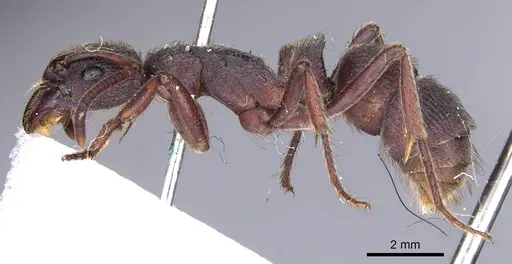
Pseudoneoponera denticulata is an Australian ponerine ant belonging to the subfamily Ponerinae, tribe Ponerini . Workers are equipped with a functional stinger, a trait common to the subfamily. The species was first described as Bothroponera denticulata by Kirby in 1896 from South Australia, with the type locality at Blood Creek . It has since been moved through Pachycondyla and placed in Pseudoneoponera in 2014 . These ants are native to Australia, recorded from South Australia and Western Australia . Based on typical Ponerinae patterns, workers are robust, hunt actively for prey, and nest in the ground or under cover objects.
Quick Summary
- Difficulty: Unknown
- Origin & Habitat: Native to Australia, specifically recorded from South Australia and Western Australia [1]. The type locality is Blood Creek in South Australia. Specific habitat preferences are not recorded, but as a Ponerinae, it likely inhabits soil, leaf litter, and under stones or logs.
- Colony Type: Colony structure is unconfirmed. Ponerine ants typically establish single-queen colonies, but no data exists for this species.
- Size & Growth:
- Queen: Size data unavailable
- Worker: Size data unavailable
- Colony: Unknown, no colony size data available
- Growth: Unknown
- Development: Unknown, no data available (Development time not recorded for this species. General Ponerinae development is slower than many ant groups, but specific timing cannot be estimated.)
- Antkeeping:
- Temperature: Unknown. No specific data for this species. Maintain at stable room temperature (20-25°C) and observe colony behavior. Avoid extremes below 15°C or above 30°C. A temperature gradient may be beneficial.
- Humidity: Unknown. Based on typical Ponerinae preferences, provide a moist nest area with good ventilation. Use a substrate that retains moisture but is not waterlogged. A moisture gradient allows ants to choose.
- Diapause: Unknown. As an Australian species from temperate regions (South Australia, Western Australia), a winter diapause may be beneficial, but this is unconfirmed. If attempted, reduce temperature to 10-15°C for 8-12 weeks during the Southern Hemisphere winter (June-August).
- Nesting: Unknown. Based on typical Ponerinae nesting habits, they likely nest in soil under stones, logs, or in decaying wood. In captivity, provide a naturalistic setup with a deep soil substrate (at least 5-10 cm), flat stones or bark for cover, and a water source. Y-tong or plaster nests with moisture chambers are alternatives, but no specific preference is known.
- Behavior: Based on typical Ponerinae patterns, workers are solitary foragers, actively hunting small invertebrates. They possess a functional stinger and will defend their nest if disturbed, but are not generally aggressive outside the nest. Escape risk is moderate, ensure enclosures have secure lids and no gaps. Activity is likely diurnal, but specific data is lacking.
- Common Issues: lack of species-specific data makes care speculative and increases risk of colony failure, stinging risk, workers have a functional stinger and may sting if threatened or handled, limited availability, this species is rare in the hobby and colonies are difficult to acquire, humidity management, too dry causes desiccation, too wet promotes mold, optimal range unknown, slow growth or reproductive issues if husbandry conditions are not met, due to lack of proven protocols
Housing and Nest Setup
No specific nest preferences are known for Pseudoneoponera denticulata. Based on related ponerine ants, a naturalistic setup with a deep soil substrate (5-10 cm) and flat cover objects (stones, bark) is recommended. This mimics their likely natural habitat under stones or in soil. If using a formicarium, Y-tong (AAC) or plaster nests with a moisture chamber may work, but monitor the colony's response. Ensure escape prevention: though size data is unavailable, these ants are not tiny but can exploit small gaps. Avoid acrylic nests as they lack moisture control. Provide a water source in the outworld and maintain a clean foraging area. [1]
Feeding and Diet
The natural diet of Pseudoneoponera denticulata is not documented. As a ponerine, it is likely predominantly predatory, preying on small invertebrates. In captivity, offer a variety of live prey such as fruit flies, small crickets, mealworms, or roaches. Prey should be appropriately sized (no larger than the ant's head). Feed 2-3 times per week, adjusting based on consumption. Remove uneaten prey after 24-48 hours to prevent mold. While some ponerines accept sugary liquids, this species may not require them, if providing, offer small drops of honey or sugar water occasionally. Observation is key to determine acceptance.
Temperature and Seasonal Care
Optimal temperature is unknown. Keep the colony at stable room temperature (20-25°C) and avoid sudden fluctuations. If the colony appears sluggish, gentle warming on one side of the nest (up to 28°C) may stimulate activity. Do not exceed 30°C. During the Southern Hemisphere winter (June-August), a diapause period may be attempted by gradually reducing temperature to 10-15°C for 8-12 weeks. This is speculative but based on the temperate origin of the species. Without specific data, monitor colony health and adjust accordingly.
Handling and Safety
Pseudoneoponera denticulata workers possess a functional stinger, a hallmark of the subfamily Ponerinae. While not aggressively inclined, they will sting if the nest is disturbed or if they are handled. The sting can be painful and may cause local swelling. Always handle the colony with care using soft tools, avoid direct contact. If stung, clean the area and apply cold compress. Seek medical attention if allergic reaction occurs. Keep the enclosure away from children and pets. [1]
Colony Acquisition and Legal Considerations
This species is not commonly traded in the antkeeping hobby. Wild collection in Australia may require permits depending on local regulations, always check with wildlife authorities before collecting. If acquired from a breeder, ensure they operate ethically and legally. Never release captive colonies into non-native environments. Due to lack of care data, only experienced keepers should attempt to keep this species. [1]
Frequently Asked Questions
Does Pseudoneoponera denticulata have a sting?
Yes. As a member of the subfamily Ponerinae, this species has a functional stinger. Workers will use it defensively if threatened. The sting can be painful and may cause localized swelling. Handle with care and avoid direct contact [1].
How long does it take for Pseudoneoponera denticulata to develop from egg to worker?
This is unknown. No development data exists for this species. Based on general Ponerinae patterns, development from egg to worker may take several weeks to months, but this is speculative. Temperature, humidity, and nutrition will influence the timeline.
Is Pseudoneoponera denticulata good for beginners?
Not recommended for beginners. The lack of species-specific care data, combined with a stinging defense and potentially specific environmental needs, makes this a challenging species best suited for experienced keepers who can adapt based on observation.
What do Pseudoneoponera denticulata ants eat?
Their natural diet is undocumented. Based on related ponerines, they are likely predators of small invertebrates. Offer live prey such as fruit flies, small crickets, or mealworms. Sugar water may be accepted occasionally but should not be the primary food source.
Do Pseudoneoponera denticulata ants need hibernation?
It is unknown. As a species from temperate Australia, a winter diapause may be beneficial, but this has not been confirmed. If you wish to attempt it, gradually cool the colony to 10-15°C for 8-12 weeks during the Southern Hemisphere winter and monitor the colony's response.
How big do Pseudoneoponera denticulata colonies get?
Colony size is unknown. No data exists. Based on typical Ponerinae, colonies may reach several hundred workers at maturity, but this is speculative.
Can I keep multiple queens together?
This is unconfirmed. Ponerine ants are often monogyne (single queen), but pleometrosis or polygyny has been observed in some species. Without specific data, it is not recommended to attempt keeping multiple queens together. If trying, do so with extreme caution and be prepared to separate them.
What type of nest is best for Pseudoneoponera denticulata?
No specific nest type is documented. Based on related species, a naturalistic setup with soil substrate and flat cover stones is recommended. Y-tong (AAC) or plaster nests with moisture chambers are alternatives. Provide a humidity gradient and stable conditions. Avoid acrylic nests.
Is Pseudoneoponera denticulata aggressive?
They are not generally aggressive toward humans but will defend their nest if disturbed. Workers are solitary foragers and do not swarm aggressively. However, due to their sting, they should be treated with respect and handled minimally.
Where is Pseudoneoponera denticulata found?
This species is native to Australia, specifically recorded from South Australia and Western Australia. The type locality is Blood Creek in South Australia [1].
Report an Issue
The current care sheet is based fully on literature. See inconsistencies, or something that's incorrect? Please , it will be resolved after review from an admin. Contributing to the blogs tab also helps providing information, to make us be able to further improve the caresheets. Thank you for your support!
References

Lembar perawatan ini dilisensikan di bawah CC BY-SA 4.0 .
Blog Komunitas
ANTWEB1008687
Lihat di AntWeb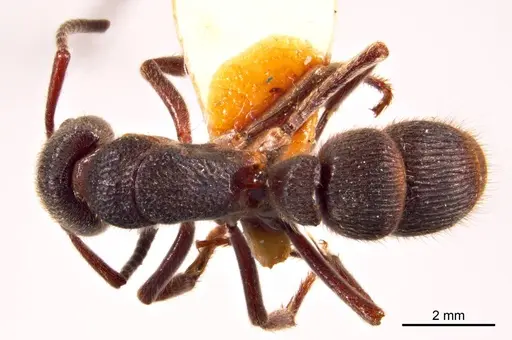
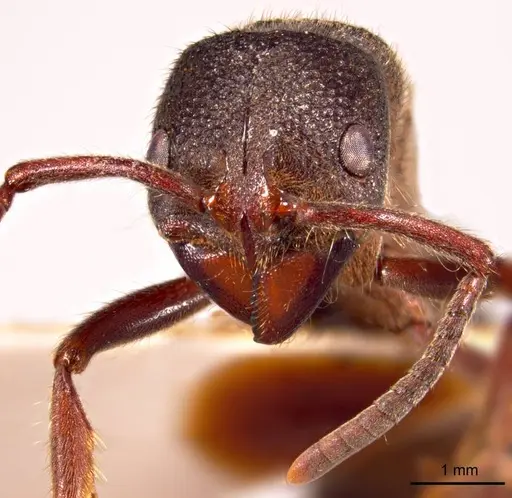
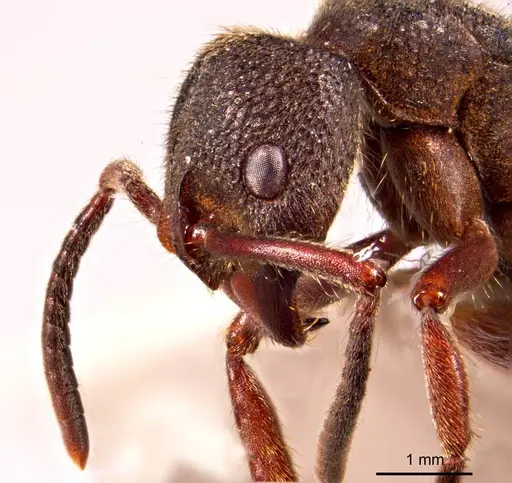
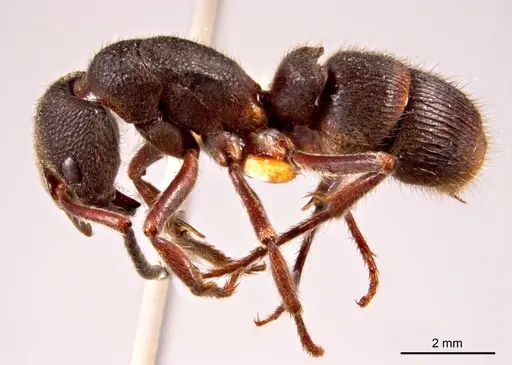
CASENT0902502
Lihat di AntWeb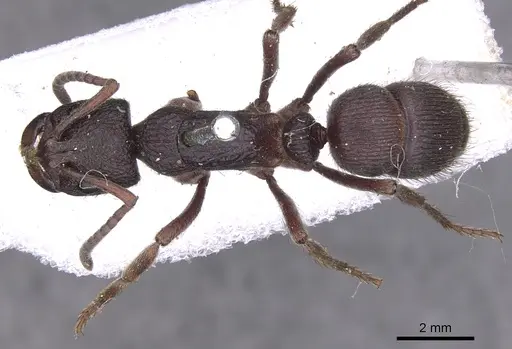
Literatur
Memuat peta distribusi...Memuat produk...