
Pseudomyrmex alvarengai
- Nama Ilmiah
- Pseudomyrmex alvarengai
- Tribe
- Pseudomyrmecini
- Subfamili
- Pseudomyrmecinae
- Penulis
- Kempf, 1961
- Distribusi
- Ditemukan di 1 negara
Pendahuluan
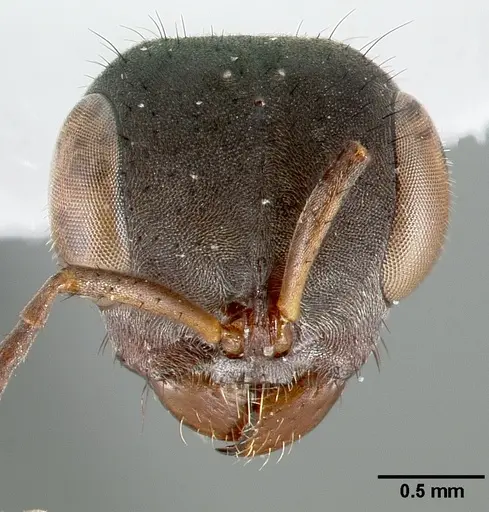
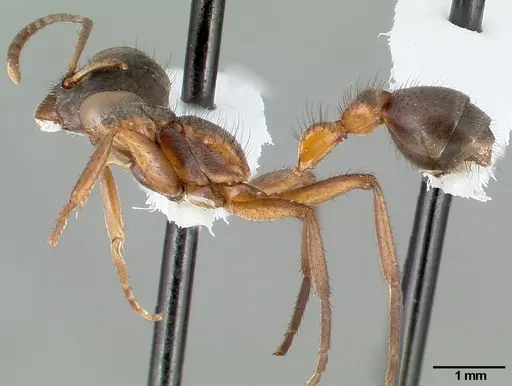
Pseudomyrmex alvarengai is a slender, wasp-like ant from the subfamily Pseudomyrmecinae. Workers have a long, narrow body and large eyes, typical of the genus. It is known from Brazil, French Guiana, and the Colombian Amazon . A tropical ant from humid rainforest, it likely nests in hollow twigs, stems, or under bark. The genus is known for active foraging and good vision, with workers patrolling vegetation for prey.
Quick Summary
- Difficulty: Medium
- Origin & Habitat: Brazil, French Guiana, and Colombian Amazon, tropical rainforest environments [1][2][3]
- Colony Type: Unconfirmed, likely single-queen (monogyne) based on typical Pseudomyrmex patterns
- Size & Growth:
- Queen: Size unknown, inferred from Pseudomyrmex genus (~7-9 mm)
- Worker: Size unknown, inferred from Pseudomyrmex genus (~4-6 mm)
- Colony: Up to several hundred workers, estimated from typical Pseudomyrmex colony sizes
- Growth: Moderate
- Development: Estimated 6-8 weeks at tropical temperatures (24-28 °C), based on related Pseudomyrmex species (Direct measurements unavailable for this species.)
- Antkeeping:
- Temperature: Keep at warm tropical temperatures (24-28 °C) year-round. A heating cable on one side creates a gradient. Temperatures below 22 °C can slow development.
- Humidity: High humidity is essential. Keep nest substrate consistently moist but not waterlogged. Provide good ventilation to prevent mold.
- Diapause: No, as a tropical species, maintain warm conditions year-round.
- Nesting: Use Y-tong (AAC) or plaster nest with narrow chambers. Provide tight-fitting spaces similar to natural hollow twig habitats. An outworld with climbing surfaces is recommended.
- Behavior: Workers are active foragers with good vision. They likely patrol ground and vegetation, hunting small prey. They possess a sting and will defend the colony if threatened. Escape prevention is important: use fine mesh as they are agile climbers. Their small size allows them to squeeze through tiny gaps.
- Common Issues: tropical temperature requirements mean colonies can fail if kept too cool, high humidity needs can lead to mold if ventilation is poor, limited natural history data means some care aspects are based on genus inference rather than species-specific research, active foragers may escape if enclosure barriers are not secure
Natural History and Distribution
Pseudomyrmex alvarengai is known from the Amazonian region of South America, with records in Brazil, French Guiana, and the Colombian Amazon [1][2][3]. It inhabits humid rainforests and likely nests in pre-existing cavities in wood or vegetation. Originally described from Brazil by Kempf in 1961. Species-specific biology is poorly documented, so most care information is inferred from the genus Pseudomyrmex.
Housing and Nest Preferences
Provide a nest that mimics natural hollow twigs. A Y-tong (AAC) or plaster nest with narrow, tight-fitting chambers works well. Include an outworld for foraging. Since these ants climb well, ensure all connections are secure and use fine mesh to prevent escape. Provide vertical surfaces like cork bark for climbing.
Feeding and Diet
Pseudomyrmex ants are omnivorous with a strong predatory tendency. Offer small live prey like fruit flies, small crickets, or other tiny insects. Provide sugar water or honey as an energy source. Feed protein 2-3 times per week and keep sugar available continuously. Remove uneaten prey after 24-48 hours to prevent mold. Workers actively hunt in the outworld.
Temperature and Humidity Requirements
As a tropical Amazonian species, maintain warm, humid conditions. Keep temperature between 24-28 °C year-round using a heating cable if needed. Humidity should be high: keep the nest substrate damp but not waterlogged. Good ventilation is important to prevent mold. Too cool temperatures are a common cause of colony failure.
Colony Development
Colony growth is moderate. First workers (nanitics) emerge about 6-8 weeks after egg-laying at optimal temperatures (24-28 °C). Colonies grow steadily and may reach up to several hundred workers. Provide regular protein-rich prey for healthy brood development. Since species-specific data is lacking, monitor colony activity as a health indicator.
Defense and Stinging
As a member of the subfamily Pseudomyrmecinae, Pseudomyrmex alvarengai possesses a well-developed sting. Workers will aggressively defend their nest and host plant against threats. The sting is not particularly dangerous to humans but can deliver a mild, painful bite. They are best observed without direct handling.
Frequently Asked Questions
How long does it take for Pseudomyrmex alvarengai to produce first workers?
First workers typically emerge 6-8 weeks after the queen lays eggs, when kept at warm temperatures (24-28 °C). This is based on related Pseudomyrmex species.
What temperature do Pseudomyrmex alvarengai ants need?
Keep them at 24-28 °C year-round. Temperatures below 22 °C can slow brood development and harm the colony.
Can I keep Pseudomyrmex alvarengai in a test tube setup?
A test tube works for founding colonies, but you'll need to move them to a formicarium once the colony outgrows it. They prefer tight chambers similar to hollow twigs.
Do Pseudomyrmex alvarengai ants sting?
Yes, like most Pseudomyrmecinae, they have a sting. It is not dangerous to humans but can be painful. They defend the colony if threatened.
What do Pseudomyrmex alvarengai eat?
They are omnivorous with a strong predatory instinct. Feed small live prey (fruit flies, small crickets) and sugar water. Offer protein 2-3 times a week and keep sugar available.
Is Pseudomyrmex alvarengai good for beginners?
It is rated medium difficulty. The tropical temperature and humidity requirements make it better suited for keepers with some experience maintaining warm, humid setups.
How big do Pseudomyrmex alvarengai colonies get?
Based on typical Pseudomyrmex sizes, colonies likely reach several hundred workers. Exact maximum is unknown for this species.
Do Pseudomyrmex alvarengai need hibernation?
No, as a tropical species they do not require hibernation. Maintain warm temperatures (24-28 °C) year-round.
When should I move Pseudomyrmex alvarengai to a formicarium?
Move them from the test tube to a formicarium when the colony outgrows the tube and you see frequent foraging. Ensure the new setup maintains warm, humid conditions.
Why are my Pseudomyrmex alvarengai dying?
Common causes include temperatures below 22 °C, low humidity, or poor escape prevention. Check your heating and moisture levels.
Report an Issue
The current care sheet is based fully on literature. See inconsistencies, or something that's incorrect? Please , it will be resolved after review from an admin. Contributing to the blogs tab also helps providing information, to make us be able to further improve the caresheets. Thank you for your support!
References

Lembar perawatan ini dilisensikan di bawah CC BY-SA 4.0 .
Blog Komunitas
CASENT0005832
Lihat di AntWeb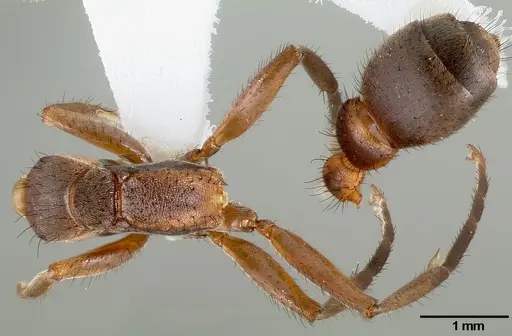
Literatur
Memuat peta distribusi...Memuat produk...