
Proformica oculatissima
- Nama Ilmiah
- Proformica oculatissima
- Tribe
- Formicini
- Subfamili
- Formicinae
- Penulis
- Forel, 1886
- Distribusi
- Ditemukan di 1 negara
Pendahuluan
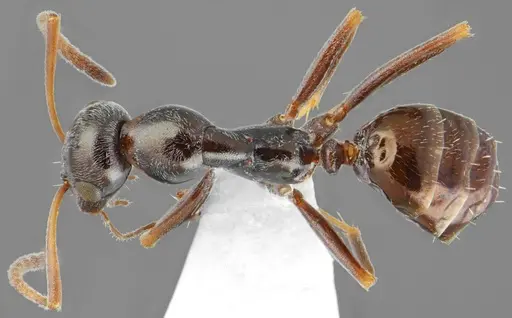
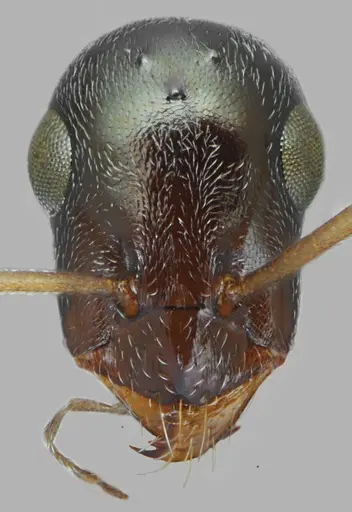
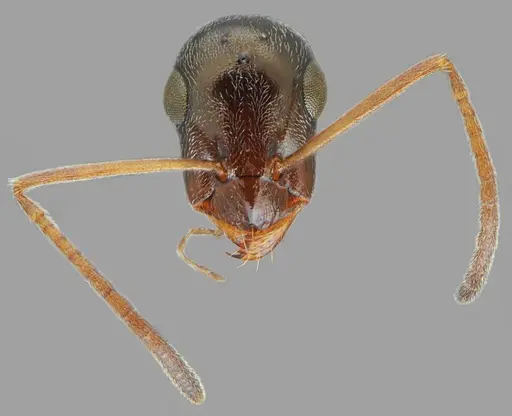
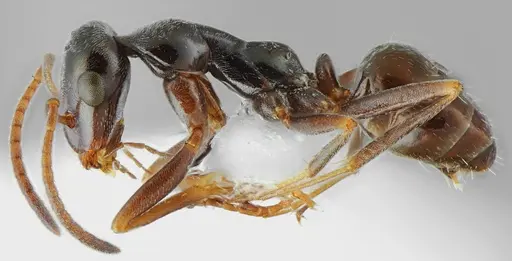
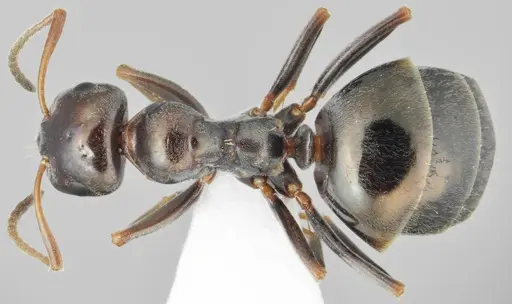
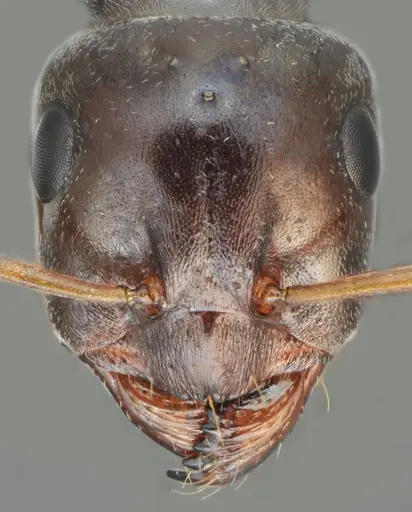
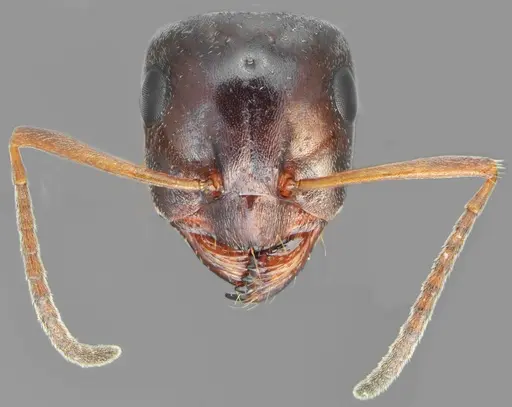
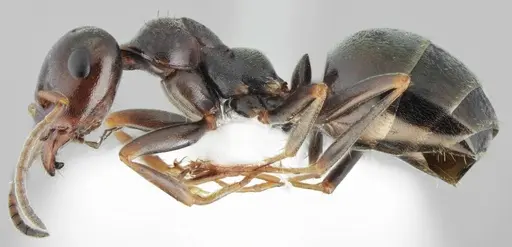
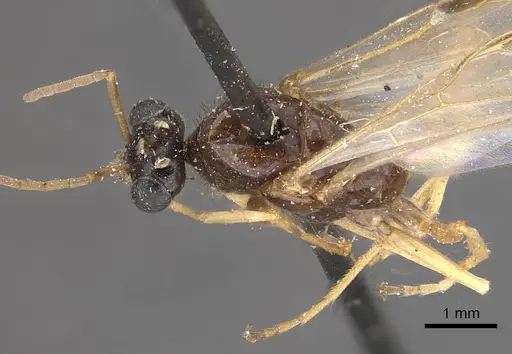
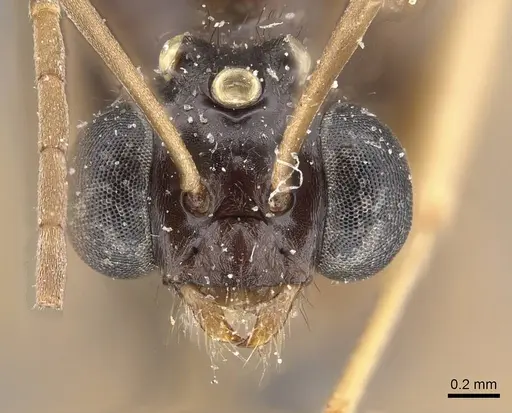
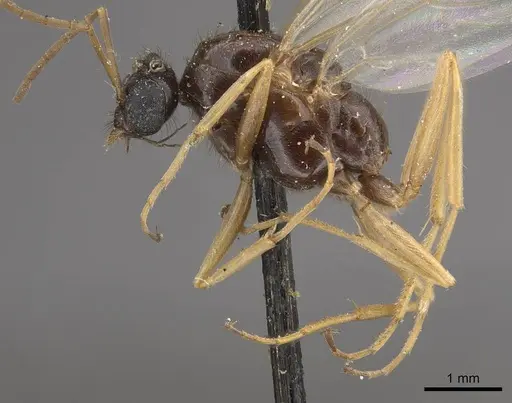
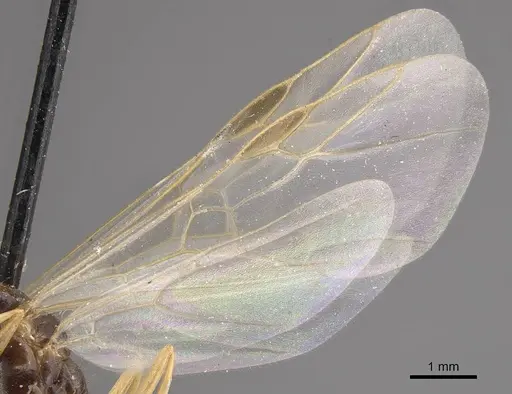
Proformica oculatissima is a small ant endemic to Greece, found only in the Attica and Corinth regions . Workers are polymorphic, with minor and major forms, but body size data is unavailable. The body is dark brown to black with yellow antennae and lighter tibiae. Males have very large eyes, which is unusual for the genus. This species was rediscovered in 2019 after being lost to science for over a century, and the worker caste was described for the first time .
Quick Summary
- Difficulty: Hard
- Origin & Habitat: This species is endemic to Greece, found only in the Attica and Corinth regions of the mainland. It inhabits lowland coastal areas at altitudes between 0-800 meters [1][2][3].
- Colony Type: Unknown, colony structure has not been documented [3].
- Size & Growth:
- Queen: Undescribed, queen caste has not been documented [4]
- Worker: Size data unavailable, no total length measurements exist for this species.
- Colony: Unknown, no colony size data available
- Growth: Unknown
- Development: Unknown, no direct measurements exist. (Development timeline has not been studied for this species.)
- Antkeeping:
- Temperature: Temperature needs are unknown, estimated based on lowland coastal habitat: keep warm, around 22-26°C [2].
- Humidity: Humidity needs are unknown, estimated based on dry coastal habitat: keep nest substrate moderately dry [2].
- Diapause: Diapause is likely required, based on geographic range as a temperate species[1].
- Nesting: Natural nesting is unconfirmed, based on habitat, they likely nest in soil under stones. In captivity, use Y-tong or plaster nests with moderate humidity[2].
- Behavior: Temperament is unknown, based on genus patterns, they may be calm. Escape risk is moderate due to small size.
- Common Issues: no established care protocols, all care must be inferred from related species, risking colony failure., colony size and growth rate unknown, may lead to unexpected challenges., founding behavior unconfirmed, queen establishment may be difficult., rare species, stress from limited availability or collection.
Discovery and Rarity
Proformica oculatissima has a unique history. Originally described in 1886 from a male specimen in Attica, Greece, the species was lost until rediscovered in 2019 near the Corinth canal. The worker caste was described for the first time in this rediscovery [3][2]. This makes it one of the rarest ants in the hobby [3].
Identification and Morphology
Workers are polymorphic with minor and major forms. The body is dark brown to black with yellow antennae and lighter tibiae. Males have very large eyes, which is unusual for the genus [3]. Pilosity is poorly developed, with few erect hairs [3].
Habitat and Distribution
This is a true Greek endemic found only in the eastern Mediterranean. Known populations are restricted to Attica and the Corinth area, both lowland coastal regions at altitudes between 0-800 meters [3][2][1].
Housing and Nesting
Since natural nesting behavior has not been documented, care recommendations are based on the species' Mediterranean habitat. Provide a nest with moderate humidity, as they come from dry coastal areas [2]. Use Y-tong or plaster nests.
Feeding and Diet
Based on tribe Formicini patterns, they likely eat honeydew and small insects. Offer sugar water or honey as a constant energy source, plus protein like small crickets or mealworms.
Seasonal Care and Overwintering
As a temperate species from Greece, they likely require winter diapause. Reduce temperatures to 10-15°C for 2-3 months to simulate winter[1].
Frequently Asked Questions
How rare is Proformica oculatissima in the antkeeping hobby?
Extremely rare. This species was only rediscovered in Greece in 2019,and the worker caste was described for the first time in that study [3][2]. It is endemic to only two small regions in Greece, making wild collection very limited.
What do Proformica oculatissima ants eat?
Like other Formicini ants, they likely eat honeydew and small insects. Offer sugar water or honey as a constant energy source, plus protein like small crickets or mealworms.
What temperature do Proformica oculatissima ants need?
Temperature needs are unknown, estimated based on lowland coastal habitat: keep warm, around 22-26°C [2].
Do Proformica oculatissima ants need hibernation?
Diapause is likely required, based on geographic range as a temperate species[1].
How big do Proformica oculatissima colonies get?
Unknown, colony size has not been documented [3].
Can I keep multiple Proformica oculatissima queens together?
Unknown, colony structure has not been documented for this species. Do not attempt combining unrelated queens until more is known.
How long does it take for Proformica oculatissima to raise first workers?
Unknown, no development timing data exists for this species.
Are Proformica oculatissima ants good for beginners?
No. This is a hard-level species due to its extreme rarity, lack of established care protocols, and the fact that everything must be inferred from related species.
Where is Proformica oculatissima native to?
Only Greece, specifically the Attica and Corinth regions. This is a true endemic found nowhere else in the world [3][2][1].
Report an Issue
The current care sheet is based fully on literature. See inconsistencies, or something that's incorrect? Please , it will be resolved after review from an admin. Contributing to the blogs tab also helps providing information, to make us be able to further improve the caresheets. Thank you for your support!
References

Lembar perawatan ini dilisensikan di bawah CC BY-SA 4.0 .
Blog Komunitas
Literatur
Memuat peta distribusi...Memuat produk...