
Proceratium stictum
- Nama Ilmiah
- Proceratium stictum
- Tribe
- Proceratiini
- Subfamili
- Proceratiinae
- Penulis
- Brown, 1958
- Distribusi
- Ditemukan di 1 negara
Pendahuluan
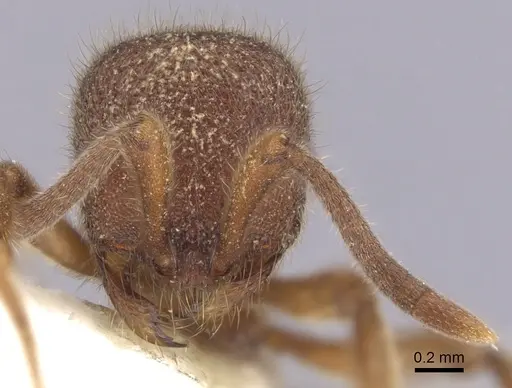
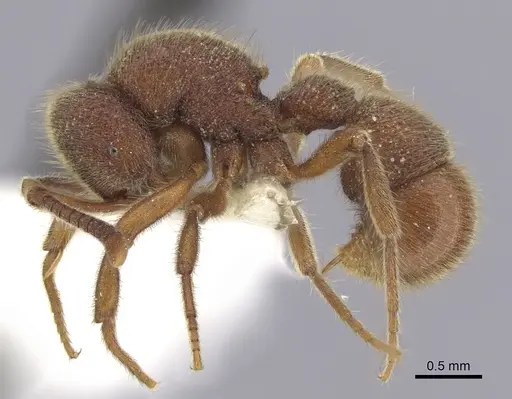
Proceratium stictum is a small ant species native to the rainforests of Queensland, Australia. Workers measure 3.5-4.5 mm in total length and have a rusty-brown coloration. They are typically found in rotten logs, leaf litter, and shallow ground nests in humid rainforest environments . This species belongs to the Stictum Clade alongside Proceratium deelemani and Proceratium foveolatum, distinguished by less divergent frontal carinae and longer hind basitarsi . Proceratium stictum is notable for its cryptic nature and small colony size, which are common traits in the Proceratium genus. Specific behavioral details are not well-documented in the research.
Quick Summary
- Difficulty: Medium
- Origin & Habitat: Queensland, Australia, rainforest habitat in rotten logs, leaf litter, and ground nests [2][1]
- Colony Type: Based on typical Proceratium patterns, likely monogyne (single queen colonies), but no species-specific data confirms this.
- Size & Growth:
- Queen: Size data unavailable, male total length is 4.41-4.58 mm [1], but queen size not specified. Inferred from Proceratium genus (~4-5 mm).
- Worker: 3.5-4.5 mm (total length 3.51-4.47 mm) [1]
- Colony: Unknown, no data on maximum colony size, typical for Proceratium species to have small colonies.
- Growth: Slow, inferred from genus patterns
- Development: Unknown, no species-specific data, estimated 8-12 weeks based on related Proceratium species. (Development is likely temperature-dependent, warmer conditions may speed up growth.)
- Antkeeping:
- Temperature: Keep warm, roughly 22-26°C, based on tropical rainforest habitat.
- Humidity: Keep substrate consistently moist but not waterlogged, based on rainforest habitat.
- Diapause: No, tropical species do not require diapause.
- Nesting: Use a naturalistic setup with damp substrate (e.g., soil/peat mix) or a Y-tong/plaster nest, mimicking rotten log habitat [2].
- Behavior: Based on Proceratium patterns, likely cryptic and slow-moving, with low aggression. Escape risk is moderate due to small size.
- Common Issues: high humidity is critical, these rainforest ants die quickly in dry conditions, slow growth can frustrate beginners, colonies take months to establish, small colony size means they produce few workers initially, they need small live prey, won't accept large insects or dry protein foods, wild-caught colonies may have parasites or be stressed from collection
Housing and Nest Setup
Proceratium stictum requires a humid, naturalistic setup that mimics their rainforest leaf litter habitat. Use a small terrarium with 3-5 cm of damp substrate (e.g., soil/peat mix) and add leaf litter, cork bark, or rotting wood for hiding places [2]. Alternatively, a Y-tong or plaster nest with high humidity chambers can work, but ensure chambers are appropriately sized for their small size. Cover part of the nest to provide dark conditions, as these ants prefer low light.
Feeding and Diet
Proceratium stictum is a specialized predator that hunts small arthropods. In captivity, offer small live prey such as springtails, fruit flies, or mites. They are unlikely to accept large insects or dry protein foods. Feed protein 2-3 times per week, offering only what they can consume in a day, and remove uneaten prey to prevent mold.
Temperature and Humidity
Maintain temperatures between 22-26°C with minimal fluctuations, based on their tropical rainforest origin. Humidity is critical, keep the substrate consistently moist but not waterlogged. Mist the enclosure regularly and ensure condensation forms on walls to maintain high humidity.
Colony Development and Growth
Proceratium colonies grow slowly. A founding queen will lay eggs and hunt to feed larvae until workers emerge. Expect several months from founding to first workers, and colony size remains small. Growth is temperature-dependent, warmer conditions may speed development slightly.
Behavior and Observation
These ants are cryptic and spend much time hidden. Workers are slow-moving and not aggressive, retreating from threats rather than fighting. Observation is best in dim lighting, as they are more active then. Avoid frequent nest disturbances to prevent stress.
Frequently Asked Questions
How long does it take for Proceratium stictum to produce first workers?
No species-specific data, estimated 8-12 weeks at optimal temperature based on related Proceratium species.
What do Proceratium stictum ants eat?
They are specialized predators needing small live arthropods like springtails or fruit flies.
Do Proceratium stictum ants sting?
They have a stinger but are non-aggressive and will flee rather than use it.
How big do Proceratium stictum colonies get?
No data on maximum size, colonies are typically small for the genus.
What humidity level do Proceratium stictum ants need?
High humidity is essential, keep substrate moist but not waterlogged, based on rainforest habitat.
Can I keep Proceratium stictum in a test tube setup?
A test tube setup can work for founding colonies, but maintain high humidity and provide small prey. A naturalistic setup is often better long-term.
Do Proceratium stictum ants need hibernation?
No, as tropical ants, they do not require diapause.
Are Proceratium stictum ants good for beginners?
They are moderate difficulty due to humidity and prey requirements.
When should I move my colony to a formicarium?
Wait until the colony has several workers and is actively foraging, naturalistic setups work well at any size.
Why are my Proceratium stictum ants not foraging?
Ensure proper temperature (22-26°C), high humidity, and offer appropriately-sized live prey, they are more active in dim lighting.
Report an Issue
The current care sheet is based fully on literature. See inconsistencies, or something that's incorrect? Please , it will be resolved after review from an admin. Contributing to the blogs tab also helps providing information, to make us be able to further improve the caresheets. Thank you for your support!
References

Lembar perawatan ini dilisensikan di bawah CC BY-SA 4.0 .
Blog Komunitas
CASENT0106095
Lihat di AntWeb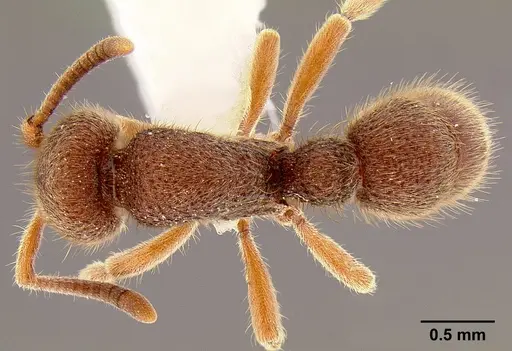
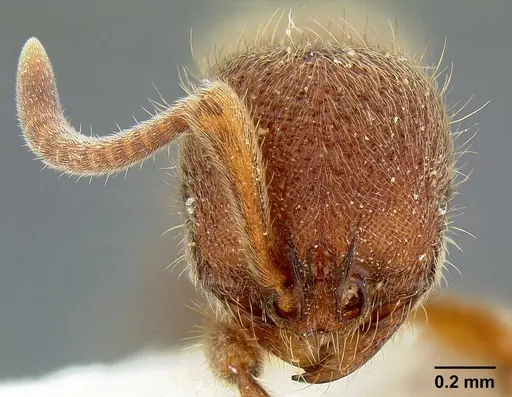
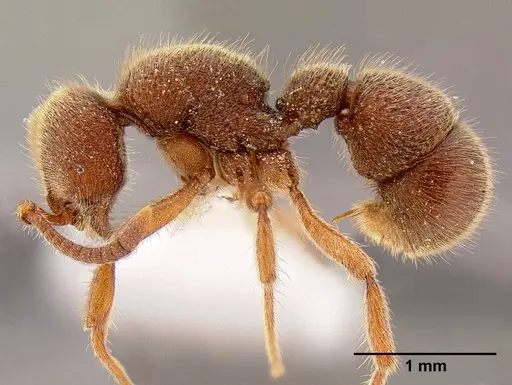
CASENT0249263
Lihat di AntWeb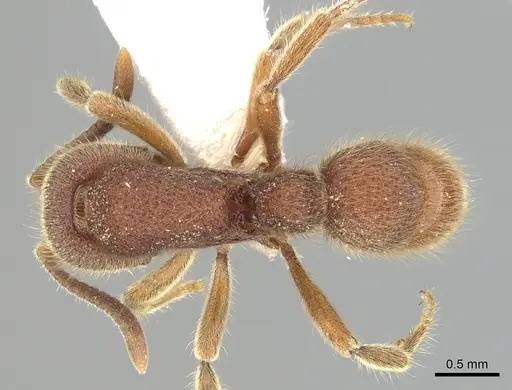
Literatur
Memuat peta distribusi...Memuat produk...