
Proceratium malesianum
- Nama Ilmiah
- Proceratium malesianum
- Tribe
- Proceratiini
- Subfamili
- Proceratiinae
- Penulis
- de Andrade, 2003
- Distribusi
- Ditemukan di 0 negara
Pendahuluan
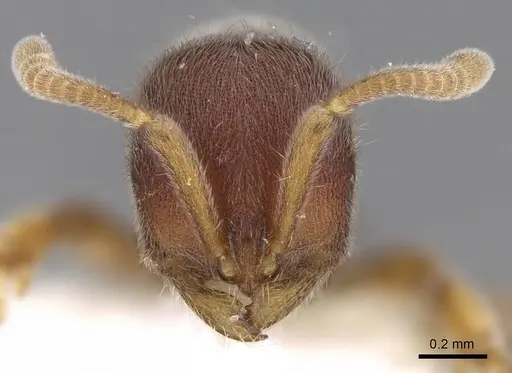
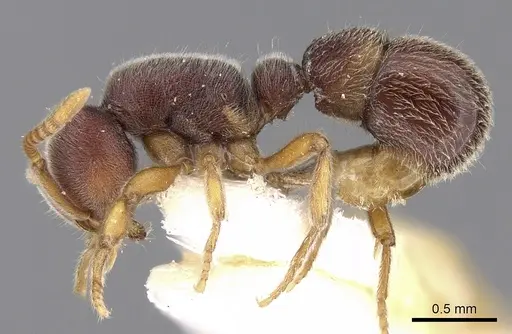
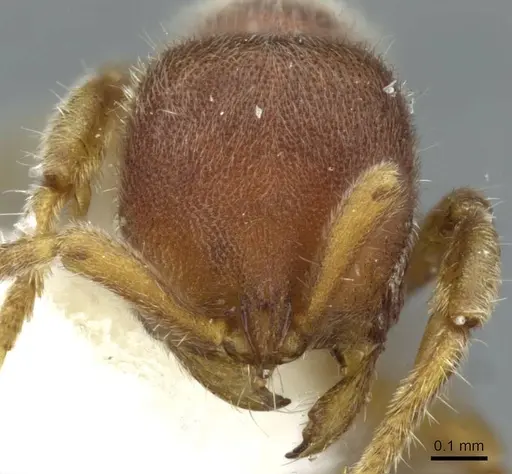
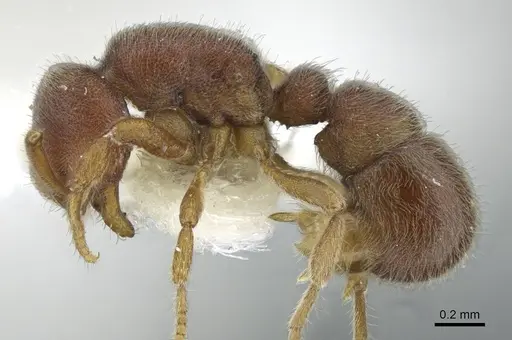
Proceratium malesianum is a tiny ant with a total length of 2.57-3.24 mm . It is found exclusively in Peninsular Malaysia and Singapore, typically in damp forest habitats at elevations around 1250 m . The workers have long erect hairs, a broadly rounded vertex, and a broad propodeal lamella . The biology of this species is completely unstudied; nothing is known about its behavior, diet, or colony structure in the wild .
Quick Summary
- Difficulty: Expert
- Origin & Habitat: Peninsular Malaysia and Singapore, in damp forest habitats at around 1250 m elevation [1][2]
- Colony Type: Unconfirmed, no data on queen number or social structure
- Size & Growth:
- Antkeeping:
- Temperature: Unknown, based on tropical distribution, likely warm, but no specific data
- Humidity: Unknown, but from habitat, likely moist, but no data
- Diapause: Unknown, tropical species may not require diapause, but no data
- Nesting: Unknown, no data on nesting preferences
- Behavior: Unknown, no data on temperament or escape risk, but due to tiny size (2.57-3.24 mm), escape prevention is critical
- Common Issues: tiny size makes escape prevention critical, they can squeeze through standard mesh, complete lack of biological data makes care challenging and inferential, no data on founding requirements or colony development
What is known about Proceratium malesianum
Proceratium malesianum is a poorly documented species with no published biological data. The identification details include long erect hairs, a broadly rounded vertex, and a broad propodeal lamella [3]. It occurs in Peninsular Malaysia and Singapore [1][2]. For keepers, this means care protocols are unknown, and observations may contribute to community knowledge [1].
Housing and Nest Setup
Due to tiny size (2.57-3.24 mm), escape prevention is critical. Use fine mesh and tight barriers. For founding, test tubes are suitable, but no data exists on optimal nest types. Based on general antkeeping for small species, a Y-tong or plaster nest with high humidity may be appropriate, but this is inferred [1].
Feeding and Diet
No data on diet exists. Proceratium genus are typically predators, so live prey like springtails or fruit flies may be suitable, but this is unconfirmed [1].
Temperature and Humidity
No specific data. Based on tropical distribution, keep warm (24-28°C) and humid, but this is inferred [1].
Colony Development and Growth
No data on colony development. Growth rate and timeline are unknown [1].
Frequently Asked Questions
How long does it take for Proceratium malesianum to produce first workers?
No direct data exists. Development times are unknown [1].
What do Proceratium malesianum ants eat?
No data on diet. Based on genus patterns, they may be predators, but this is unconfirmed [1].
Are Proceratium malesianum ants good for beginners?
No, due to complete lack of biological data and tiny size requiring expert care [1].
How big do Proceratium malesianum colonies get?
Unknown, no data on colony size [1].
Do Proceratium malesianum ants sting?
No data on stinging behavior. Due to tiny size, any sting or bite is unlikely to be noticeable [1].
What temperature and humidity do Proceratium malesianum need?
Unknown, no specific data. Based on tropical habitat, warm and humid conditions are likely, but this is inferred [1].
Can I keep multiple Proceratium malesianum queens together?
No data on social structure. Combining queens is not recommended without evidence [1].
Why are my Proceratium malesianum ants dying?
Common causes include escape due to tiny size, humidity issues, or lack of appropriate food, but no specific data exists [1].
When should I move Proceratium malesianum to a formicarium?
No data on colony growth. Use test tubes for founding, but timing is unknown [1].
Do Proceratium malesianum need a diapause or hibernation?
Unknown, tropical species may not require diapause, but no data exists [1].
Report an Issue
The current care sheet is based fully on literature. See inconsistencies, or something that's incorrect? Please , it will be resolved after review from an admin. Contributing to the blogs tab also helps providing information, to make us be able to further improve the caresheets. Thank you for your support!
References

Lembar perawatan ini dilisensikan di bawah CC BY-SA 4.0 .
Blog Komunitas
CASENT0281859
Lihat di AntWeb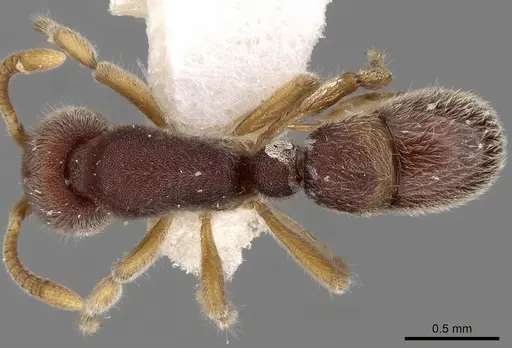
CASENT0911226
Lihat di AntWeb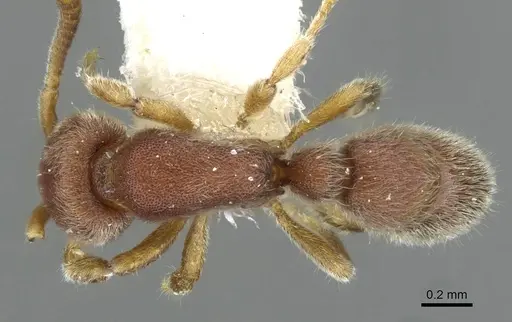
Literatur
Memuat peta distribusi...Memuat produk...