
Proceratium australe
- Nama Ilmiah
- Proceratium australe
- Tribe
- Proceratiini
- Subfamili
- Proceratiinae
- Penulis
- de Andrade, 2003
- Distribusi
- Ditemukan di 1 negara
Pendahuluan
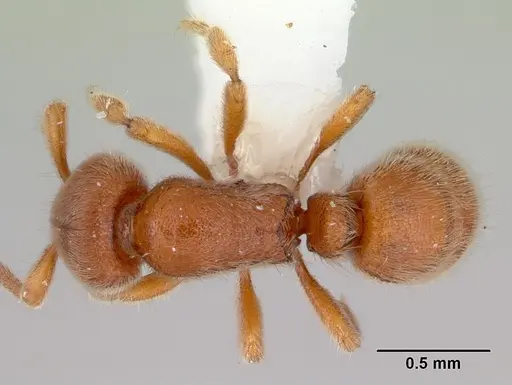
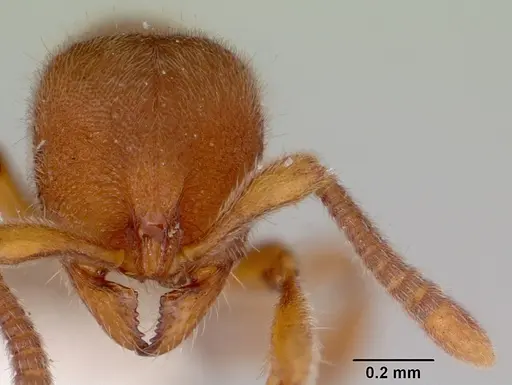
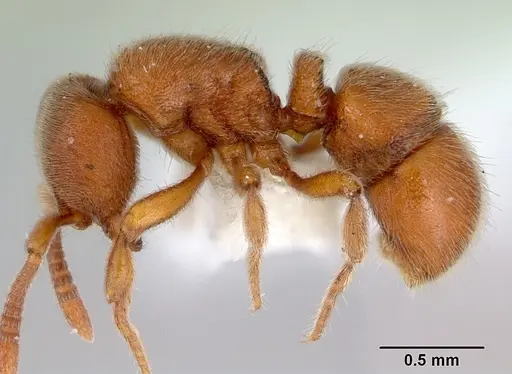
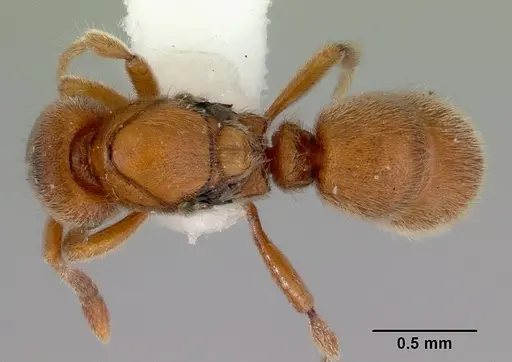
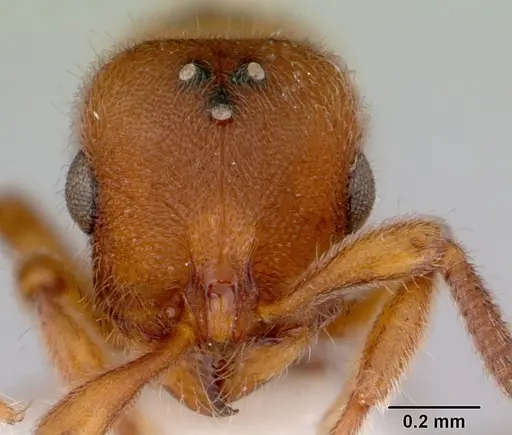
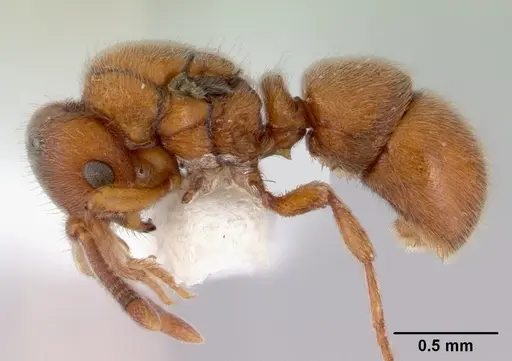
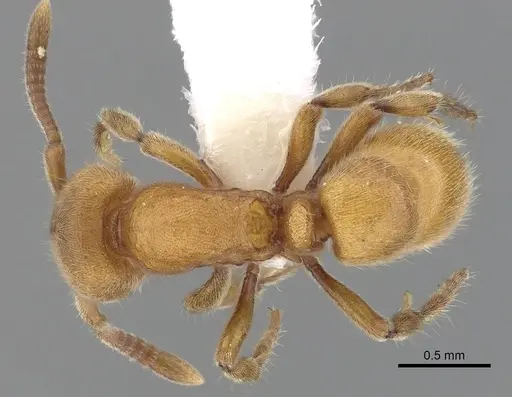
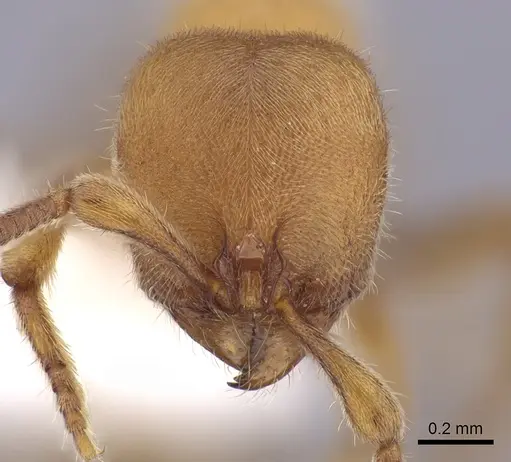
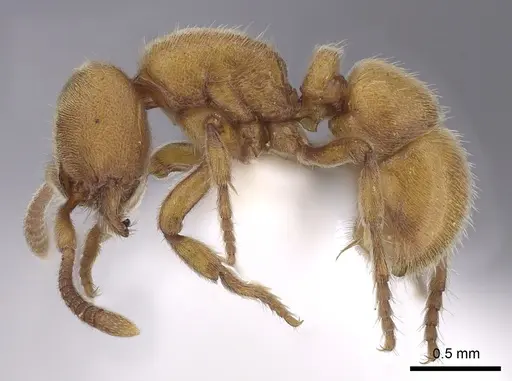
Proceratium australe is a small ant native to eastern Australia, specifically Queensland and New South Wales . Workers measure 2.56-3.44 mm and are light ferrugineous in color . Queens are larger at 3.14-3.75 mm . This species inhabits rainforest environments at elevations between 200-1200 m . It belongs to the silaceum clade and can be identified by its narrower petiole and shorter body hairs compared to similar species like Proceratium siamense . However, nothing is known about their biology in the wild, making captive care experimental .
Quick Summary
- Difficulty: Expert
- Origin & Habitat: Eastern Australia (Queensland, New South Wales) in rainforest habitats at 200-1200 m elevation. Type locality is Boar Pocket, Queensland at 720 m [1][2].
- Colony Type: Colony structure is unconfirmed. No data on queen number or colony type [1].
- Size & Growth:
- Antkeeping:
- Temperature: Unknown, based on rainforest habitat, temperatures are likely warm but specific requirements are unconfirmed [1]
- Humidity: Unknown, rainforest ants likely need moist conditions, but specific humidity is unconfirmed [1]
- Diapause: Unknown, no data on hibernation or diapause [1]
- Nesting: Unknown, likely prefer dark, confined spaces, but no specific data [1]
- Behavior: Behavior is unconfirmed. Based on related Proceratium species, they may be cryptic and non-aggressive, but no specific data exists [1]. Escape risk is low due to small size, but prevention is recommended.
- Common Issues: no biological data means all care is experimental, expect trial and error [1], care is experimental due to lack of data, which may lead to issues like mold or colony loss [1], wild-caught colonies may have parasites or be stressed from collection [1], they are extremely secretive and you may rarely see the ants, this is normal, not a sign of problems [1]
Why This Species is Challenging
Proceratium australe is not a species for beginners. The scientific literature explicitly states that nothing is known about their biology [1]. What you are doing is essentially experimental conservation. These ants come from Australian rainforests where they live in tiny microhabitats. They have never been kept in captivity before, at least not documented. You will be learning alongside the antkeeping community, and losses should be expected. This is not a failure, it's pioneering work.
Housing and Setup
Housing requirements are unconfirmed. Based on related species, a naturalistic setup with moist substrate may be suitable, but no specific data exists [1]. A test tube setup can work for founding colonies if kept humid and dark.
Feeding and Diet
Feeding habits are unconfirmed. Proceratium ants are typically predators, but no specific diet data exists for this species [1]. Offer variety of tiny live prey if attempting care.
Temperature and Humidity Control
Temperature and humidity requirements are unconfirmed. Maintain stable conditions based on rainforest habitat, but specific numbers are not known [1].
Observation and Patience
You will rarely see these ants. This is normal for cryptic leaf-litter species [1]. Limit inspections to avoid stress.
Frequently Asked Questions
How long does it take for Proceratium australe to produce first workers?
Unknown, no development data exists for this species [1].
Can I keep Proceratium australe in a test tube?
Housing requirements are unconfirmed, but test tubes may work for founding colonies if kept humid and dark [1].
Do Proceratium australe ants sting?
No data on stinging behavior exists [1].
What do Proceratium australe eat?
Diet is unconfirmed, but Proceratium species are typically predators [1].
Are Proceratium australe good for beginners?
No, this is an expert-level species due to lack of biological data [1].
How big do Proceratium australe colonies get?
Unknown, no data on colony size [1].
Do Proceratium australe need hibernation?
Unknown, no data on diapause [1].
Why can't I see my ants?
This is normal for cryptic species [1].
Can I keep multiple queens together?
Unknown, no data on colony founding behavior [1].
Where can I get Proceratium australe?
This species is not commonly available in the antkeeping hobby and may require wild collection with permits [1].
Report an Issue
The current care sheet is based fully on literature. See inconsistencies, or something that's incorrect? Please , it will be resolved after review from an admin. Contributing to the blogs tab also helps providing information, to make us be able to further improve the caresheets. Thank you for your support!
References

Lembar perawatan ini dilisensikan di bawah CC BY-SA 4.0 .
Blog Komunitas
Literatur
Memuat peta distribusi...Memuat produk...