
Polyrhachis trophima
- Nama Ilmiah
- Polyrhachis trophima
- Subgenus
- Hedomyrma
- Tribe
- Camponotini
- Subfamili
- Formicinae
- Penulis
- Smith, 1863
- Distribusi
- Ditemukan di 0 negara
Pendahuluan
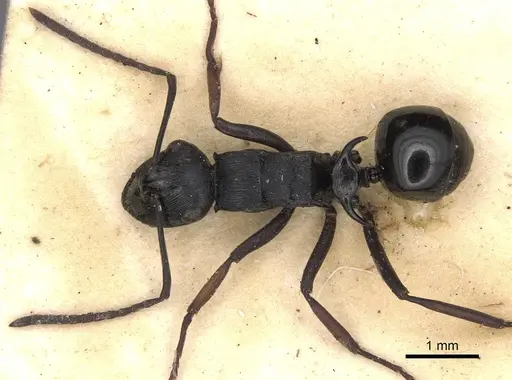
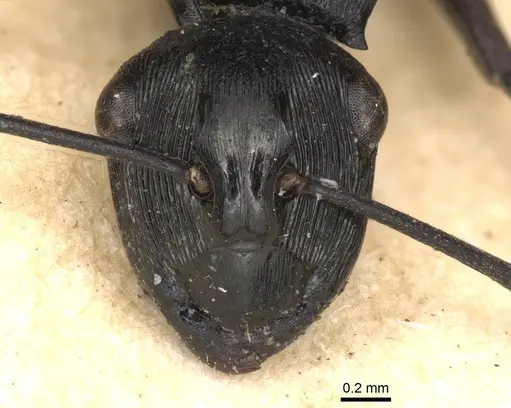
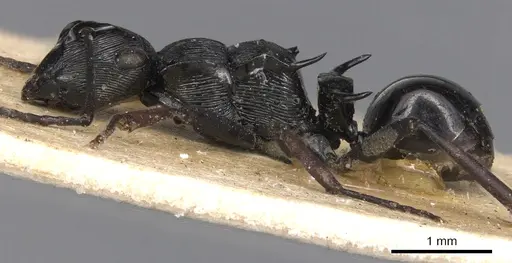
Polyrhachis trophima is a species native to Seram Island in Indonesia . Workers have pronotal humeri armed with short distinct spines and a petiole with a flat dorsum, placing them in the subgenus Hedomyrma . Size data is unavailable as no measurements are documented . This species belongs to the Formicinae subfamily, which lacks a functional stinger and instead sprays formic acid for defense . This species is poorly documented in scientific literature, with only the holotype worker studied . It is part of the Polyrhachis genus, which includes many arboreal ants found in tropical regions.
Quick Summary
- Difficulty: Medium
- Origin & Habitat: Seram Island, Indonesia, in humid forest environments [1][2].
- Colony Type: Unconfirmed. Based on Polyrhachis genus patterns, likely monogyne (single-queen colonies), but no specific data exists [1].
- Size & Growth:
- Antkeeping:
- Temperature: Keep warm and stable, roughly 24-28°C if possible, but no specific data exists [2].
- Humidity: Keep substrate consistently moist but not waterlogged, as typical for tropical species [2].
- Diapause: Unknown, as a tropical species, likely no diapause needed [1].
- Nesting: Based on genus patterns, Y-tong (AAC), plaster, or naturalistic nests with vertical elements work well [2].
- Behavior: Polyrhachis ants are generally calm and not aggressive toward keepers. They spray formic acid for defense. Escape prevention should be moderate due to their size and agility [2].
- Common Issues: tropical species may struggle in cool or dry environments, monitor temperature and humidity closely., lack of documented care information means you may need to experiment with conditions., formic acid spraying may irritate skin, handle gently and wash hands after contact., wild-caught colonies may have parasites or diseases that cause colony failure.
Temperature and Care
As a tropical species from Seram Island, Polyrhachis trophima requires warm conditions. Keep the nest area at roughly 24-28°C if possible, but no specific data exists for this species [2]. Use a heating cable on one side of the nest to create a gentle gradient if room temperature falls below this range. Avoid placing the nest near air conditioning vents or drafty areas.
Housing and Nest Setup
Polyrhachis ants are semi-arboreal, meaning they naturally nest in elevated locations. In captivity, Y-tong (AAC) nests, plaster nests, or naturalistic setups with rotting wood work well [2]. Keep chambers snug and include vertical elements or branches. Provide a water source, as tropical ants often drink water.
Feeding and Diet
Polyrhachis ants are omnivorous and readily accept sugar sources. Offer a constant supply of sugar water or honey diluted with water. For protein, provide small insects like fruit flies or mealworms 2-3 times per week [2]. Remove uneaten prey after 24 hours to prevent mold.
Behavior and Defense
Polyrhachis trophima belongs to the Formicinae subfamily, which means they do not have a functional stinger. Instead, they defend themselves by spraying formic acid, a mild irritant [2]. Wash your hands after handling them. They are generally calm and not prone to aggressive biting.
Colony Development
This species has not been documented in detail for colony development. Founding behavior is unconfirmed [1]. Growth rate is moderate based on genus patterns [2]. Colonies likely remain modest in size, but no specific data exists.
Frequently Asked Questions
How long does it take for Polyrhachis trophima to raise first workers?
Development time is unknown for this species, as no data exists [1]. Based on genus patterns, it may take several weeks under optimal conditions, but this is an estimate.
What temperature do Polyrhachis trophima ants need?
Keep them at roughly 24-28°C if possible, but no specific data exists for this species [2]. As a tropical species, they require warm conditions.
Are Polyrhachis trophima ants good for beginners?
This species is rated as Medium difficulty. The lack of specific care documentation means you may need to adjust conditions based on colony behavior [1].
What do Polyrhachis trophima ants eat?
They are omnivorous. Offer sugar water or honey constantly, and provide protein sources like small insects 2-3 times per week [2].
Do Polyrhachis trophima ants need hibernation?
Unknown, but as a tropical species from Seram Island, they likely do not require hibernation [1].
How big do Polyrhachis trophima colonies get?
Colony size is unknown for this species [1]. Based on typical Polyrhachis patterns, colonies may reach modest sizes, but no data exists.
Can I keep multiple Polyrhachis trophima queens together?
Colony structure is unconfirmed for this species. Most Polyrhachis species form single-queen colonies, so combining unrelated queens is not recommended [1].
What type of nest is best for Polyrhachis trophima?
Y-tong (AAC) nests, plaster nests, or naturalistic setups with vertical elements work well, based on genus patterns [2].
Where is Polyrhachis trophima found?
This species is known only from Seram Island in Indonesia [1].
Report an Issue
The current care sheet is based fully on literature. See inconsistencies, or something that's incorrect? Please , it will be resolved after review from an admin. Contributing to the blogs tab also helps providing information, to make us be able to further improve the caresheets. Thank you for your support!
References

Lembar perawatan ini dilisensikan di bawah CC BY-SA 4.0 .
Blog Komunitas
CASENT0901815
Lihat di AntWeb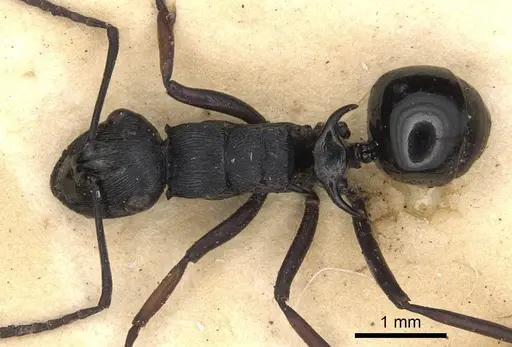
Literatur
Memuat peta distribusi...Memuat produk...